
National News
RBI tightens gold loans norms; proposes LTV ratio at 75% of pledged gold’s worth


RBI has proposed sweeping changes to how financial institutions lend against gold, tightening oversight in a bid to curb risks and bring greater transparency to a booming segment of the country’s credit market.
In draft guidelines released April 3, the Reserve Bank of India (RBI) proposed capping the loan-to-value (LTV) ratio for gold loans at 75% of the pledged gold’s worth. The move would standardize lending limits across banks and nonbank financial companies (NBFCs), ending a pandemic-era relaxation that had allowed NBFCs to lend up to 90% of the value of gold collateral for a year.
The new cap would apply uniformly, regardless of whether loans are intended for consumption, business, or other purposes—a significant shift that levels the regulatory playing field for NBFCs and banks alike.These proposals aim to harmonize regulations across entities while aligning them with risk-taking capabilities according to RBI Governor Sanjay Malhotra.
India is one of the world’s largest consumers of gold, and borrowing against jewelry and bullion is a common way for households and small businesses to access credit. The sector has grown rapidly, particularly through NBFCs that target less formal borrowers, raising concerns about inconsistent lending practices and over-leveraging.
In addition to the LTV cap, the RBI is pushing for enhanced internal controls and transparency. Lenders will be expected to establish their own LTV thresholds based on internal risk assessments. A standardized valuation framework will also be introduced to ensure consistency in assessing gold collateral across branches.
Under the new rules, banks and NBFCs must disclose the reference price of gold used for loan calculations and implement a uniform methodology to evaluate purity and measure gross and net weights. This information must be made publicly available on their websites.
The proposals are part of the RBI’s broader developmental and regulatory agenda. A public consultation process is now underway, and final guidelines are expected later this year.
The central bank’s move signals a growing focus on borrower protection and market discipline in India’s informal lending space, where gold loans remain a crucial—but sometimes opaque—source of credit.








National News
Festive Dressing, But Make It QWEEN: 10 Jewellery Pieces To Add To Your Festive Wardrobe

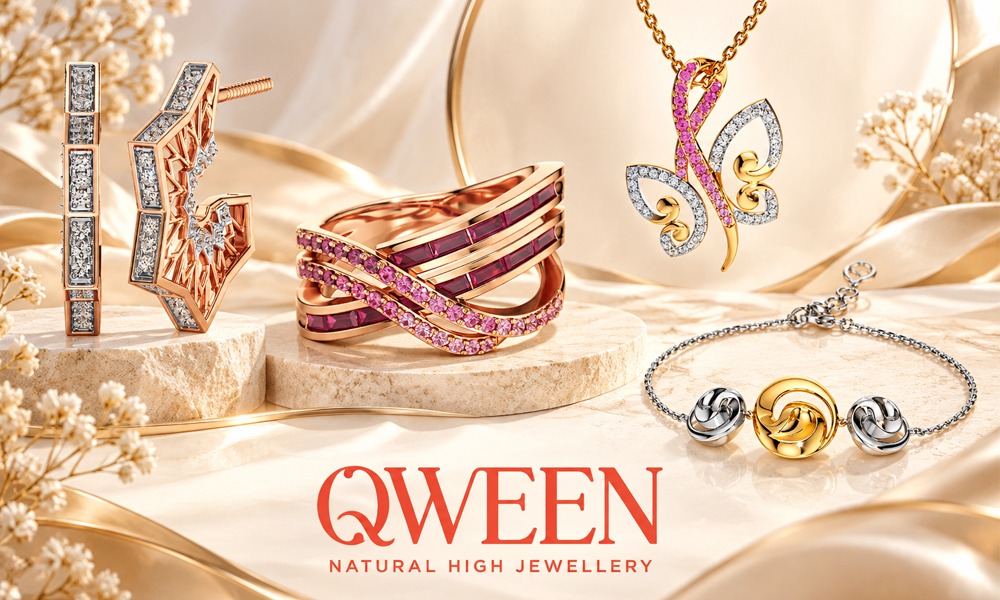
Festive dressing does not always have to mean going traditionally. QWEEN brings a more contemporary take to fine jewelry, combining natural diamonds and gemstones with unexpected designs, playful names and modern silhouettes.
From statement rings and layered necklaces to easy-to-style earrings and bracelets, the brand makes jewelry feel personal, expressive and easy to work into your festive wardrobe, whether you are dressing up for a celebration, gifting someone special or simply adding a little sparkle to your own look.
1. Moonlit Mischief Ring
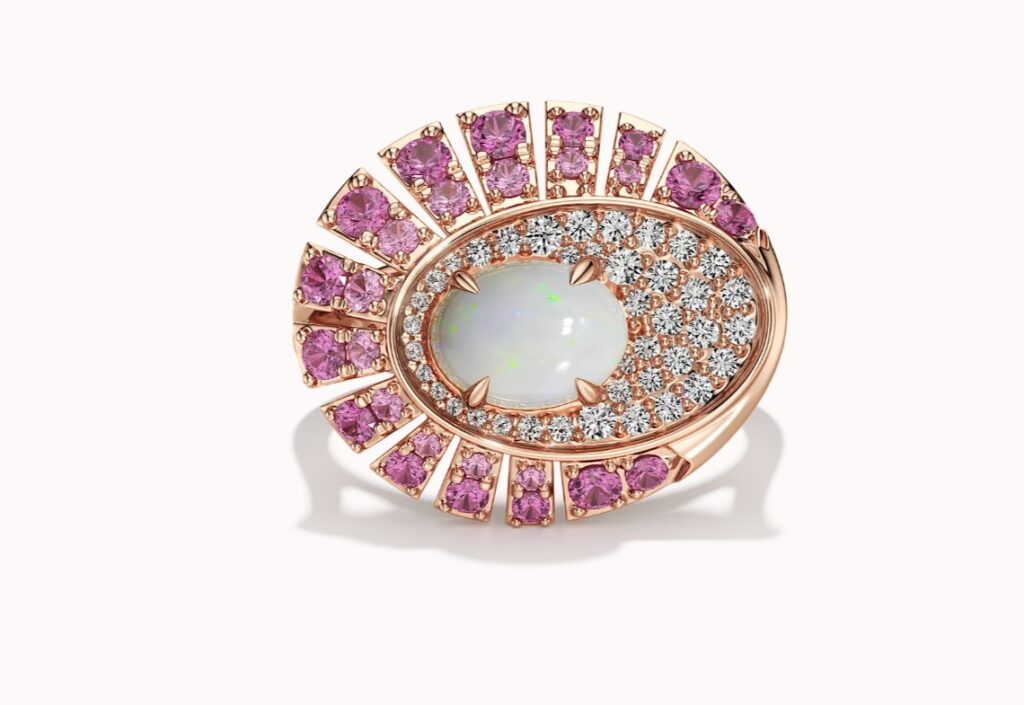
A little drama for your festive look, the Moonlit Mischief Ring features a central opal surrounded by diamonds and pink sapphires in rose gold. The opal is designed to shift while the surrounding stones remain fixed, making this a beautiful statement piece for evening celebrations and festive dressing.
2. Girls Night Stackable Rings
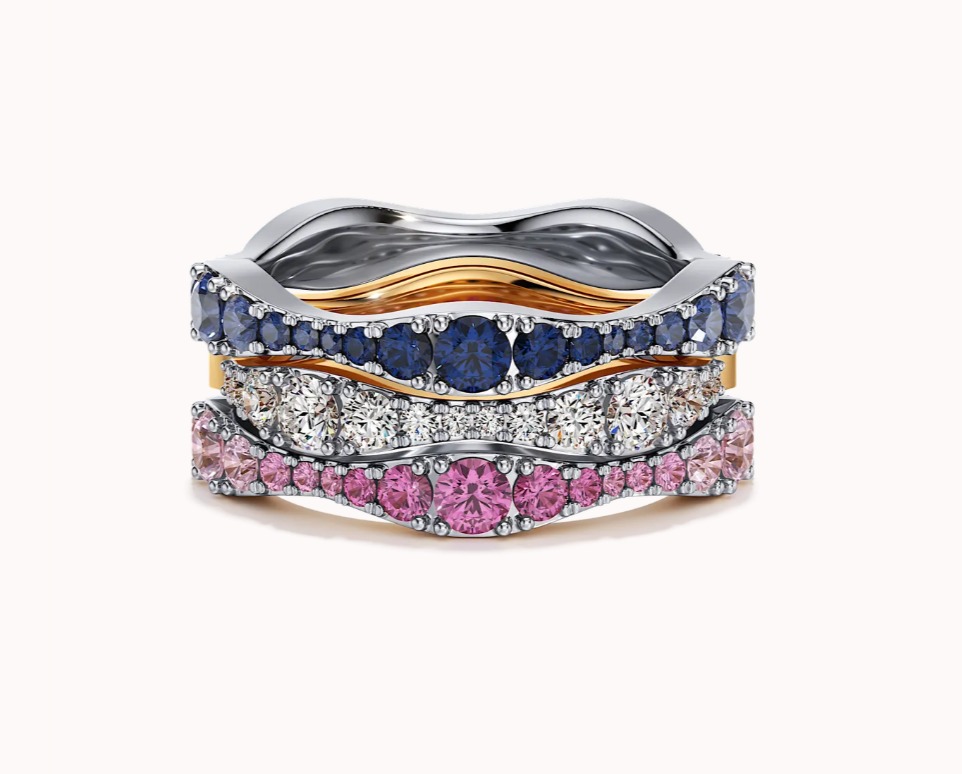
Why wear one when you can stack three? The Girls Night Stackable Rings bring together blue sapphires, diamonds and pink sapphires across individual bands in white and yellow gold. Wear them together for a statement moment or split them across fingers to create your own festive combination.
3. Crisscross Ombre Ring
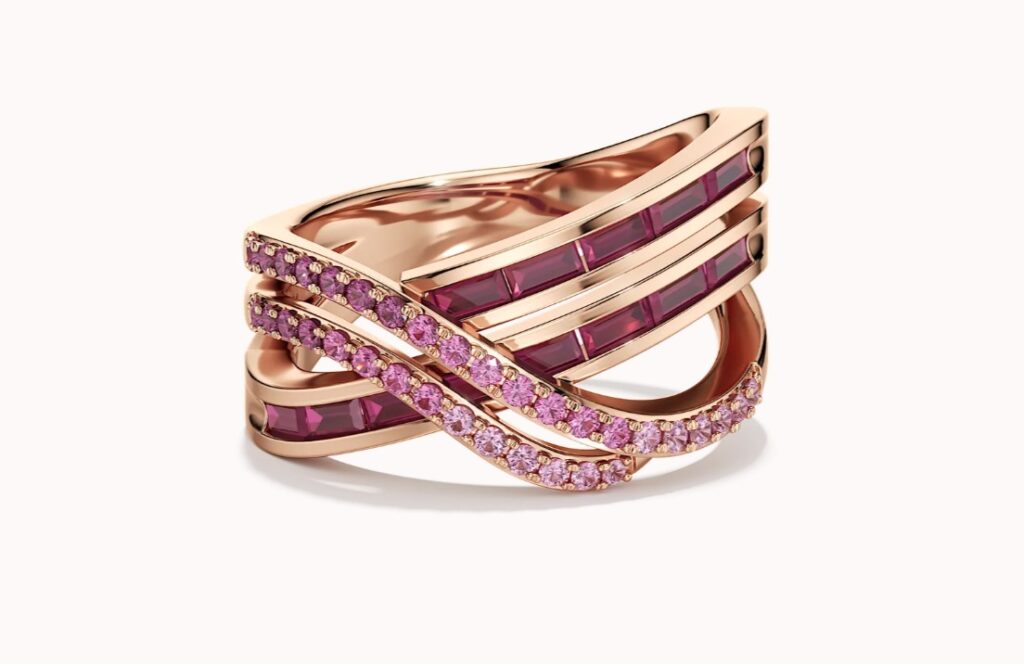
For those who like their jewellery to make an entrance, the Crisscross Ombre Ring combines three sculptural bands with baguette-cut stones and a gradient of pink tones. Its dimensional design makes it an easy pick for festive evenings when your jewellery needs to do some of the talking.
4. Signature Stack Necklace
A modern take on the classic signet, this necklace is crafted in a seamless tricolour band of rose, white and yellow 18K gold. With no stones competing for attention, the beauty lies in the interplay of the three gold tones, making it a refined choice for both festive and after-hours dressing.
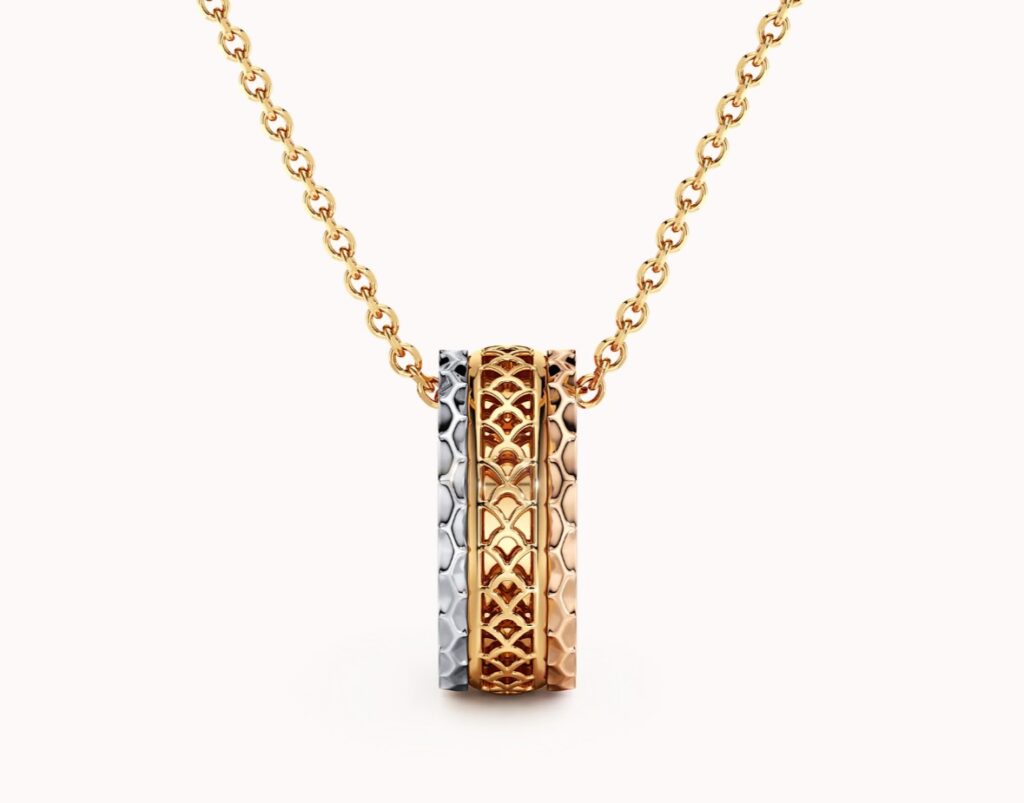
5. Understated Icon Necklace
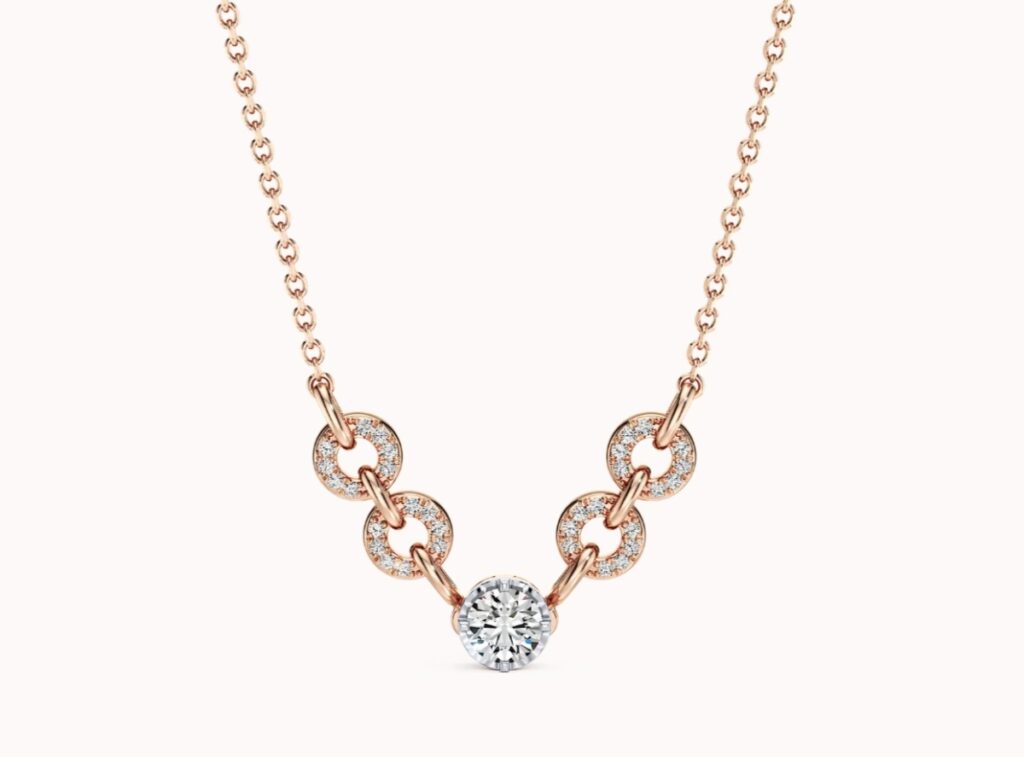
Minimal, polished and incredibly versatile, the Understated Icon Necklace is made for those who prefer their festive jewellery to be subtle but still noticeable. Its clean silhouette makes it easy to pair with a silk saree, a sharp festive co-ord or even a classic evening dress.
6. Teleport Me Pendant
A pop of colour can instantly change a festive look, and the Teleport Me Pendant does exactly that. An amethyst baguette takes centre stage, surrounded by 62 diamonds in QWEEN’s signature split-prong bead setting, with the purple stone standing out beautifully against rose gold.
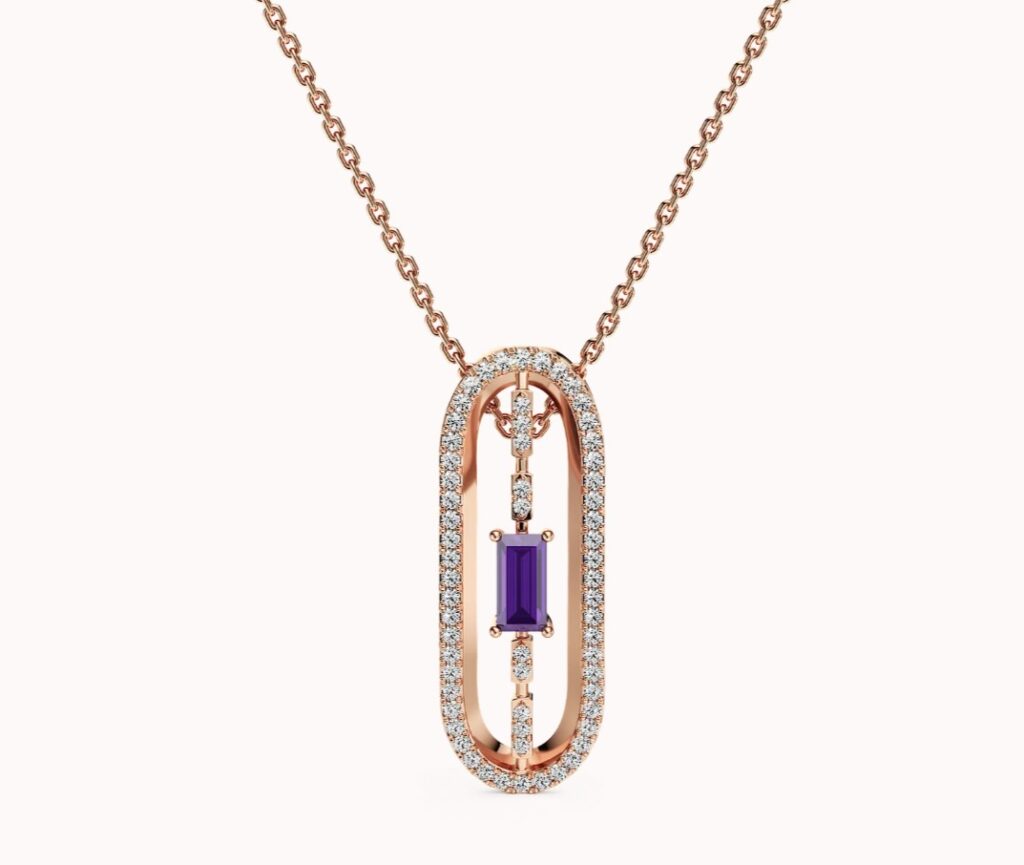
7. Watch Me Fly Pendant
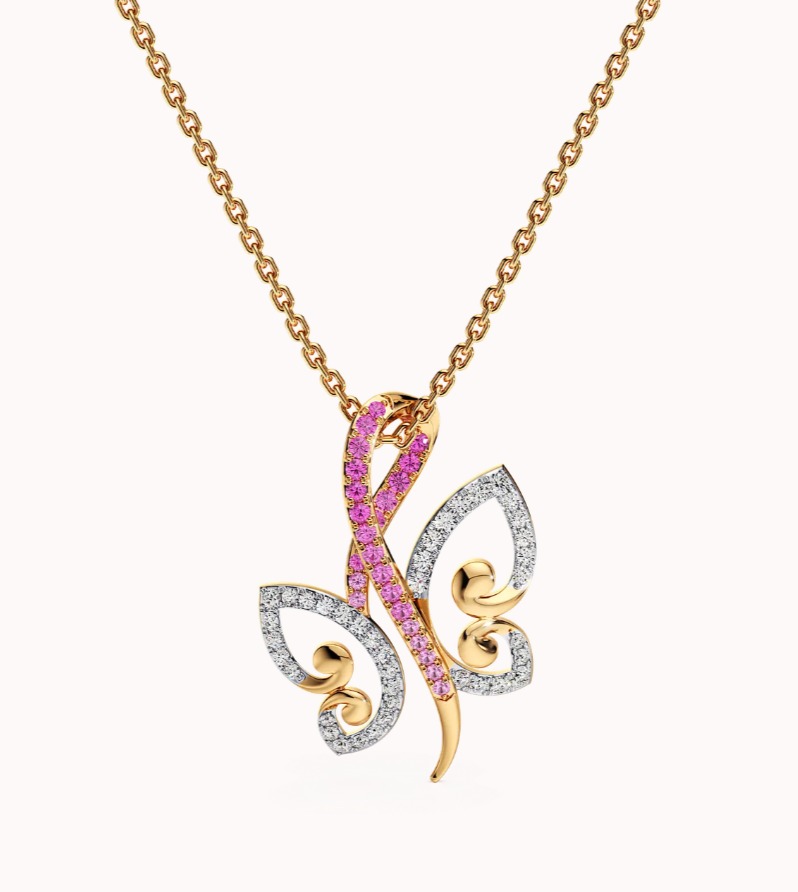
Inspired by the transformation of a butterfly, this pendant pairs diamond-set wings with a vibrant pink sapphire ombré. It is playful, colourful and symbolic, making it a thoughtful festive gift for someone stepping into a new chapter, or a piece to wear as your own little statement.
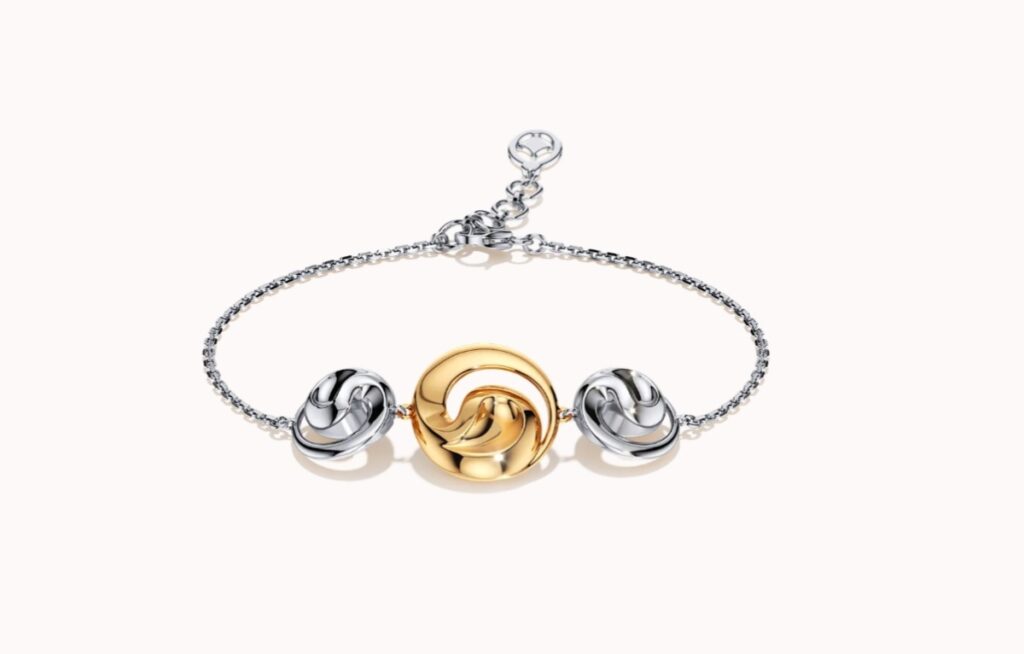
8. Leave An Impact Bracelet
Sometimes, less really is more. The Leave An Impact Bracelet uses a clean combination of white and yellow gold, with no stones at all. The design relies on the meeting of the two metals, giving it a sleek, contemporary finish that can easily be worn with festive watches, bangles or stacked bracelets.
9. Fangirling Over Myself Hoops
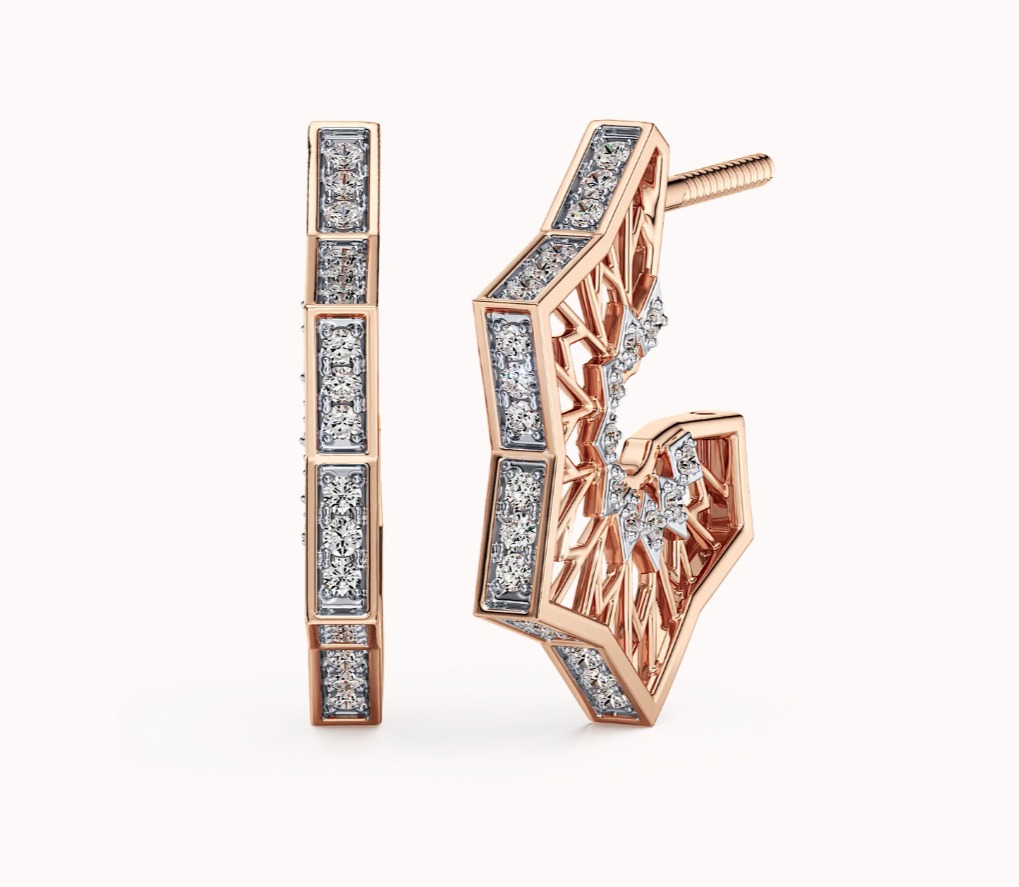
Your festive wardrobe deserves a pair of hoops that can hold their own. These rose gold hoops feature 54 diamonds set around the entire circumference, creating a continuous line of sparkle that catches the light from every angle. Wear them with an updo, a sleek festive look, or even a simple monochrome outfit.
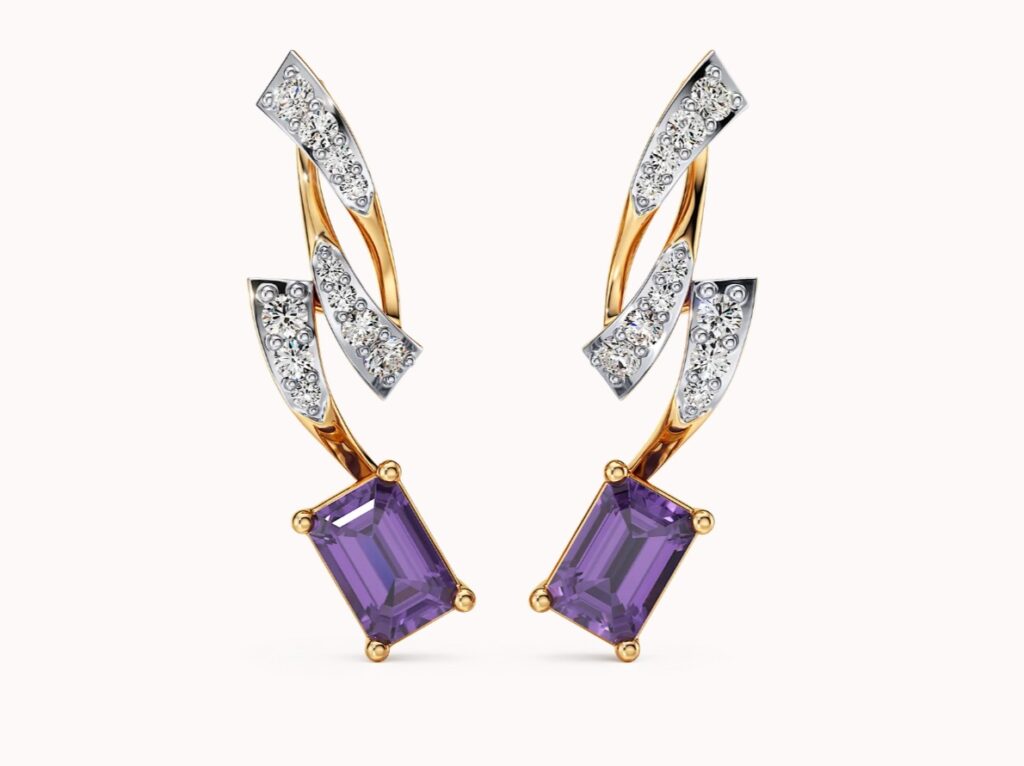
10. Free Fall Earrings
For a festive look that calls for something unexpected, the Free Fall Earrings bring together an angled octagon-cut amethyst with flowing, diamond-set ribbons. The contrast between the structured gemstone and fluid design gives these earrings plenty of movement and personality.
This festive season, let your jewellery do more than complete the outfit. From statement-making designs to pieces made for everyday layering, QWEEN brings a fresh, personal edge to festive dressing and gifting.



Festive Dressing, But Make It QWEEN: 10 Jewellery Pieces To Add To Your Festive Wardrobe

WGC Report-Digital Gold: Unlocking a $700bn Opportunity

Malabar Gold & Diamonds Unveils ‘SWAYE’, A Natural Diamond Collection Inspired By Spiral Forms and Modern Elegance

Limelight Lab Grown Diamonds Crosses 100 Stores Milestone This Dussehra: Targets 200 In 2027
Malabar Gold & Diamonds Unveils ‘SWAYE’, A Natural Diamond Collection Inspired By Spiral Forms and Modern Elegance
Festive Dressing, But Make It QWEEN: 10 Jewellery Pieces To Add To Your Festive Wardrobe
-
 National News3 days ago
Limelight Lab Grown Diamonds Crosses 100 Stores Milestone This Dussehra: Targets 200 In 2027
-
 BrandBuzz18 hours ago
Malabar Gold & Diamonds Unveils ‘SWAYE’, A Natural Diamond Collection Inspired By Spiral Forms and Modern Elegance
-
 National News14 hours ago
Festive Dressing, But Make It QWEEN: 10 Jewellery Pieces To Add To Your Festive Wardrobe
-
 International News15 hours ago
WGC Report-Digital Gold: Unlocking a $700bn Opportunity
