
DiamondBuzz
Prices stable for large diamonds, softness continues in the sub-1-carat categories:Rapaport

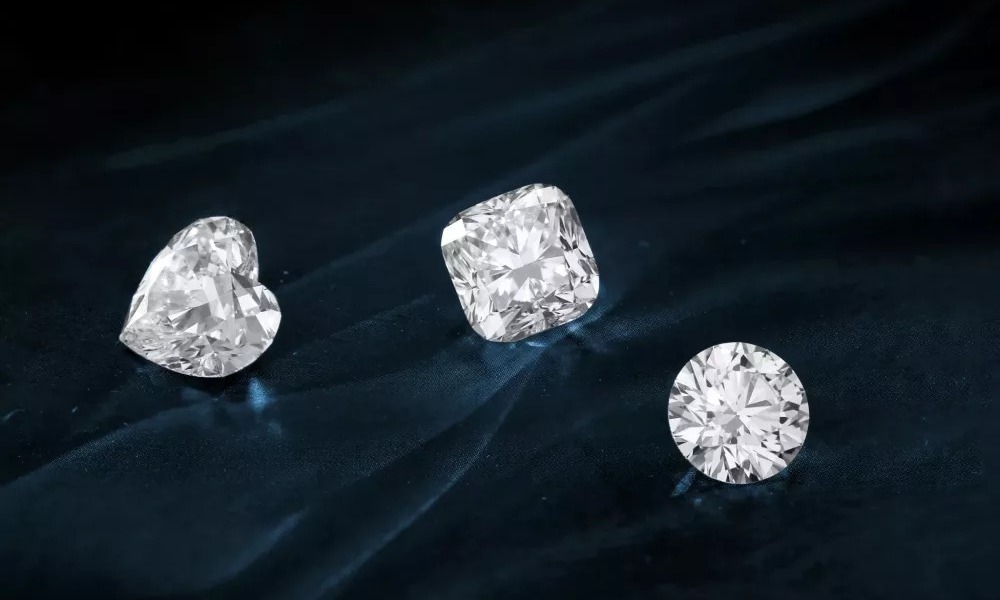
The report stated that large stones stable; small stones weakest. Market softness continued in the sub-1-carat categories.India saw steeper declines than the US, largely due to the impact of America’s 50% tariff on Indian diamond imports.
US: Steady pre-holiday demand, especially for 2–4 ct, F–J, VS–SI, in rounds and long fancies. Online spending hit record highs over Thanksgiving/Black Friday, yet major retailers continued emphasising lab-grown for fashion segments.India: Domestic demand remained healthy.China: Diamond demand subdued, though jewellery retail showed early stabilisation (Chow Tai Fook revenue –1.1%; Luk Fook +20–30%).
India’s rough imports –45% YoY in October amid Diwali closures and inventory control.De Beers held prices steady and allowed full refusals; its rough remains priced above secondary-market levels.Namibia signalled interest in acquiring a minority stake in De Beers.
Sentiment mixed. Independents report strong interest in large rounds and fancies; marquise and old-mine cuts are outperforming.


DiamondBuzz
Botswana Looks Beyond Rough Diamond Sales, Eyes U.S. Jewelry Market
The Duty Exemption By US Presents An Opportunity For Domestic Jewelry Manufacturers In Gaborone To Bypass Traditional Middle-Market Hubs and Establish A Direct Pipeline To American Consumers


Grappling with a painful downturn in global rough-diamond demand, Botswana is pivoting its economic strategy: expanding up the supply chain directly into American retail shelves while leveraging its resource wealth to fund conservation and diversification.
Speaking on the sidelines of New York Climate Week, Bogolo Joy Kenewendo, Botswana’s Minister of Minerals and Energy, highlighted the southern African nation’s plan to capitalize on a 0% import-tariff rate to the U.S. market. The duty exemption presents an opportunity for domestic jewelry manufacturers in Gaborone to bypass traditional middle-market hubs and establish a direct pipeline to American consumers.
shift The push into value-added manufacturing comes as the world’s top diamond producer by value navigates a broader structural Diamond revenues have long formed the bedrock of Botswana’s post-independence balance sheet, underwriting universal secondary education and tuition-free university funding. However, recent market volatility has underscored the vulnerabilities of a mono-sectoral economy.
Under the Botswana Economic Transformation Programme (BETP)—an initiative spearheaded directly by President Duma Boko and his vice president—the government is directing resources toward manufacturing, agriculture, and broader mining sectors to reduce its heavy reliance on rough diamond sales.
To support its luxury exports, Botswana is recalibrating its brand narrative around origin, environmental stewardship, and social impact. The country recently announced a five-year extension of the “Okavango Eternal” partnership alongside De Beers Group and the National Geographic Society. The initiative aims to protect the ecological integrity of the Okavango River Basin while tying diamond purchases to conservation efforts.
With De Beers currently facing an impending ownership change, officials remain optimistic that any capital restructuring could bring additional funds into Botswana to accelerate its domestic economic transition.



Sky Gold & Diamonds To Acquire Purvi Gems In Strategic Move To Drive Growth, Achieve Scale and Product Diversification

ZOYA Rewrites The Language Of High Jewellery, Inspired By India’s Spices As Keepers Of Memory, With Anoushka Shankar As Its Muse

Diamond Price Gains In Sept Led By Small, High-Quality Stones

Pandora Unveils $150 Million Mega-Factory In Vietnam

GIVA Celebrates The Many Expressions Of Navratri With Its New Campaign, ‘Tyohar Anek, Feeling Ek’
Sky Gold & Diamonds To Acquire Purvi Gems In Strategic Move To Drive Growth, Achieve Scale and Product Diversification
-
 International News16 hours ago
Pandora Unveils $150 Million Mega-Factory In Vietnam
-
 BrandBuzz15 hours ago
GIVA Celebrates The Many Expressions Of Navratri With Its New Campaign, ‘Tyohar Anek, Feeling Ek’
-
 National News12 hours ago
Sky Gold & Diamonds To Acquire Purvi Gems In Strategic Move To Drive Growth, Achieve Scale and Product Diversification
-

 National News16 hours ago
Precious Metal Futures Show Renewed Momentum
