
DiamondBuzz
Premiums Return for Larger De Beers Diamonds Amid Supply Shortages
De Beers Resumes Auctions for Sightholders After One-Year Pause, Introducing Tender-Style Format

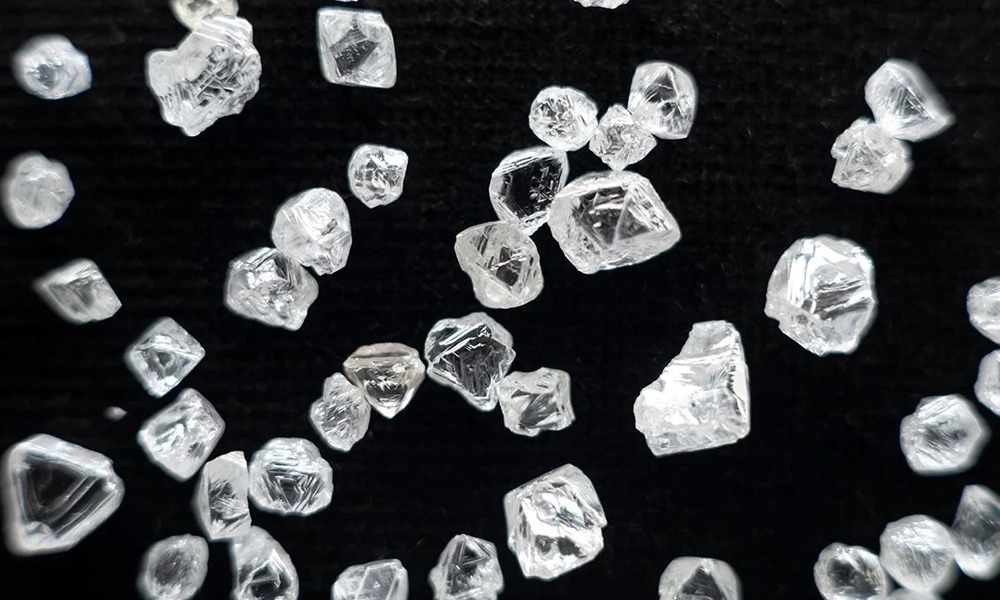
Shortages of larger De Beers diamonds are driving premiums of up to 7% on the secondary market, following a period when sightholders struggled to resell for profit, industry insiders told Rapaport News. Companies that purchased 5- to 10-carat goods at the recent sight, which began on Monday, received bids ranging from 3% to 7% above the De Beers list price, market sources shared on Tuesday.
The “select makeable” category in this size range — which yields 1.5- to 3-carat polished diamonds with an average color of I and average clarity of SI — commanded premiums at the higher end of the range. It remains uncertain whether sightholders agreed to sell at these higher prices.
De Beers customers, who buy rough diamonds at sights, can resell them, but weak demand in recent years had restricted their ability to generate margins, known as premiums, on these transactions. Recent production declines in India have created shortages in both polished and rough diamonds, resulting in a modest improvement in rough demand as factories seek to fulfill orders from the U.S. and India’s domestic market.
“There’s a shortage of goods — you have less stock in India and less production,” said a sight broker who received an offer of 7% above the list price for 5- to 10-carat “select” goods on behalf of a client. (The deal never went through.) “People are starting to [buy] more and more goods.”
The broker estimates premiums of 3% to 4% for “commercial” 5- to 10-carat diamonds, which generally have higher yields than select makeables but produce more polished diamonds with black inclusions. Shortfalls in larger rough diamond sizes were evident at the previous sight in February, though sources remain unsure whether this reflects production cuts, De Beers’ strategic withholding of supply, stronger demand for 2-carat and larger polished diamonds, or a combination of all three.
“There’s no ‘select’ right now on the market,” said a second market source. “Everybody is talking about it because, for a long time, there weren’t any premiums. But we’re talking about very few boxes.”
De Beers is also relaunching its auction sales after a year-long hiatus. The first auction in the current sales cycle will be held in Gaborone, marking a move from Singapore to the Botswana capital. The company announced this shift last April and had paused its auction operations during the transition.
The new auction format will be exclusive to sightholders, with goods primarily focused on larger stones, according to a De Beers spokesperson. Unlike previous auctions, the event will feature a tender-style format with closed bids, meaning participants will not be aware of competing offers.
“As we look to reestablish regular sales events for auctions, we will initially run a small-scale event in cycle 3 for sightholder customers with a relatively small amount of product enabling the testing of the platform,” the spokesperson explained. “We will subsequently look to develop a longer-term plan for future events, including the timeline and commercial approach.”
The suspension and subsequent resumption of auctions reflect the ongoing market downturn and recent modest improvements, according to a third source.
“While we are encouraged by recent signs of improvements in the rough-diamond trading sector, we will continue to adopt a prudent and watchful approach to supply,” De Beers added.
While prices and flexibility terms remained stable at the current sight, dealers anticipated a slight improvement in demand compared to earlier sales this year, as sightholders had deferred purchases from January and February. The session is expected to conclude on Friday.








DiamondBuzz
Richemont and Signet Jewelers Could Join Global Diamond Consortium In Bid For De Beers
Richemont, Signet Would Connect The Consortium To Key Global Growth Vectors Spanning Luxury High Jewelry and Mass-Market Retail.


The Global Diamond Consortium (GDC)
Richemont and Signet Jewelers are reported to be in talks about joining the Global Diamond Consortium (GDC), the preferred bidder for De Beers according to a Bloomberg News report.
GDC was selected in July 2026 as one of Anglo American’s preferred bidders for De Beers as part of Anglo American’s ongoing corporate restructuring.
The potential inclusion of Richemont—owner of luxury Maisons including Cartier and Van Cleef & Arpels—and Signet Jewelers—the world’s largest retailer of diamond jewelry, operating brands such as Kay Jewelers, Zales, and Jared—would connect the consortium to key global growth vectors spanning luxury high jewelry and mass-market retail.
Strengthening the Natural Diamond Ecosystem: Participation by major luxury brands and global retail leaders reinforces commitment across the entire value chain—from responsible mining and manufacturing to consumer engagement.
Balanced Governance Structure: Discussions center on potential minority equity positions that would support long-term category growth while maintaining appropriate separation between ownership and commercial strategy.
Broad Stakeholder Participation: The consortium continues to advance talks with host governments, including discussions with the Government of Botswana regarding a potential increase in its equity share in De Beers from 15% to approximately 25%, alongside participation from private investors and southern African host nations.
Discussions between GDC, Richemont, Signet, and participating government stakeholders remain ongoing. Terms of any potential participation, including the size of equity interests, have not been finalized and remain subject to regulatory approvals and definitive documentation.



Belgian Consul General H. E. Mr. Pierre Stverlynck Graces BDB Annual Day

Limelight Lab Grown Diamonds Crosses 100 Stores Milestone This Dussehra: Targets 200 In 2027

Joyalukkas Opens Its 2nd Bengaluru Showroom in Jayanagar

US Holiday Shopping Expected To Top $1 Trillion For The First Time: NRF
Belgian Consul General H. E. Mr. Pierre Stverlynck Graces BDB Annual Day
Limelight Lab Grown Diamonds Crosses 100 Stores Milestone This Dussehra: Targets 200 In 2027
-
 International News15 hours ago
US Holiday Shopping Expected To Top $1 Trillion For The First Time: NRF
-
 National News9 hours ago
Belgian Consul General H. E. Mr. Pierre Stverlynck Graces BDB Annual Day
-
 National News10 hours ago
Limelight Lab Grown Diamonds Crosses 100 Stores Milestone This Dussehra: Targets 200 In 2027
-
 New Premises10 hours ago
Joyalukkas Opens Its 2nd Bengaluru Showroom in Jayanagar
