
DiamondBuzz
De Beers’ Rough Diamond Production Rises 17% Year-On-Year
Despite Weaker Pricing, Rough Sales During The Quarter Lifted Revenue By Nearly 25% Year-On-Year To $648 Million

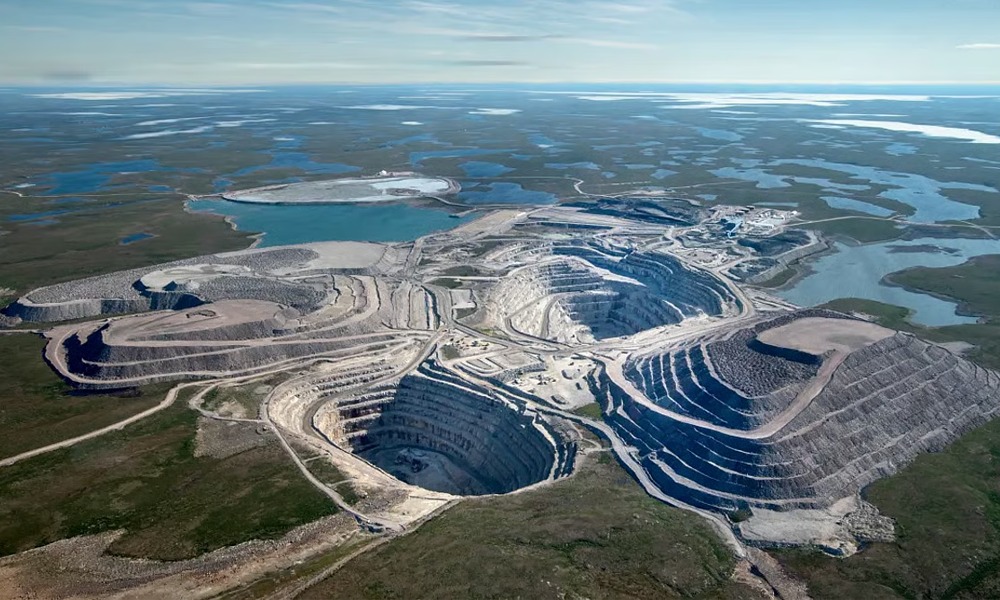
De Beers’ rough diamond production rose 17% year-on-year in the first quarter of 2026 to 7.1 million carats, driven mainly by stronger output from Canada and South Africa, even as the miner continued to face difficult trading conditions.
Key highlights
- Production at Gahcho Kué in Canada jumped 163%, helped by the planned release of stockpiled ore from a new mining area.
- Venetia in South Africa posted a 53% increase, supported by higher underground ore processing.
- Botswana, which contributes more than two-thirds of De Beers’ diamonds, recorded a 5% rise in output.
- Namibia saw a 12% decline because of scheduled maintenance on two vessels at Debmarine Namibia, along with the decommissioning of two vessels.
Sales and pricing
Despite weaker pricing, rough sales during the quarter lifted revenue by nearly 25% year-on-year to $648 million . However, the average realised price fell 19% to $101 dollars per carat, reflecting softer market conditions.
Outlook
De Beers said trading conditions remain “challenged” because of ongoing industry pressure, geopolitical uncertainty and tariff-related headwinds. The company left its full-year 2026 production guidance unchanged at 21 million to 26 million carats.


DiamondBuzz
QDE, Borsa Diamanti D’Italia Signed MoU To Bolster Trade and Expand Commercial Ties
The Two Exchanges Will Establish A Framework To Deepen Connection Across Their Respective Memberships, Exchange Invitations To Industry Events

The Qatar Diamond Exchange (QDE) has signed a memorandum of understanding with the Borsa Diamanti d’Italia to bolster trade and expand commercial ties between their members, , marking its first strategic alliance with a European bourse.
The agreement was signed by QDE Director Ghanim Nasser Al-Saadi and Italian Diamond Exchange President Luigi Cosma during the World Jewellery Confederation’s (CIBJO) 100th anniversary event in Vicenza, Italy.
Under the terms of the deal, the two exchanges will establish a framework to deepen connection across their respective memberships, exchange invitations to industry events, and facilitate access to tenders, auctions, and viewings through reciprocal visits.
The partnership also aims to boost consumer confidence in natural diamonds and colored gemstones by reinforcing compliance with global sector standards, including guidelines set by the Responsible Jewellery Council (RJC) and the World Diamond Council’s (WDC) System of Warranties.
The deal follows similar pacts signed by the QDE last month with diamond bourses in Singapore, Shanghai, and Tokyo as part of an effort to broaden its global trading network.



Gold Prices Hold Steady In India, Limited Movement In Domestic Retail Gold Prices

Resale Concerns Weigh On China Diamond Market

ORIGEM Launches “First-In-India” 110% Lifetime Exchange Value, Disrupts The Lab-Grown Diamond Jewellery Market
ORIGEM Launches “First-In-India” 110% Lifetime Exchange Value, Disrupts The Lab-Grown Diamond Jewellery Market

KISNA Launches Vienna Collection Ahead Of The Wedding Season, Expanding Its Premium Natural Diamond Jewellery Portfolio
Resale Concerns Weigh On China Diamond Market
-
 National News1 hour ago
ORIGEM Launches “First-In-India” 110% Lifetime Exchange Value, Disrupts The Lab-Grown Diamond Jewellery Market
-
 BrandBuzz22 hours ago
KISNA Launches Vienna Collection Ahead Of The Wedding Season, Expanding Its Premium Natural Diamond Jewellery Portfolio
-
 International News35 minutes ago
Resale Concerns Weigh On China Diamond Market
-
 National News1 minute ago
Gold Prices Hold Steady In India, Limited Movement In Domestic Retail Gold Prices
