
JB Insights
Platinum’s rarity, durability, and natural white lustre make it perfect for creating high-end jewellery that stands out from traditional gold offerings: Vijay Pokharna



Vijay Pokharna, Co-Founder and Chairman-Pure Platinum Jewellery Pvt Ltd spoke to JEWELBUZZ on platinum’s untapped potential, marketing and branding strategies, the design philosophy and a host of other issues.
Why did you choose the platinum segment?
We chose platinum because of its unique properties and untapped potential in the Indian market. Platinum’s rarity, durability, and natural white lustre make it perfect for creating high-end jewellery that stands out from traditional gold offerings.
What is your strategy to position platinum as a symbol of love, elegance, and grace?
Our strategy involves creating compelling narratives around our designs, emphasizing platinum’s purity and rarity. We collaborate with influencers and celebrities to showcase platinum as a modern, sophisticated choice. Our marketing campaigns focus on emotional connections, positioning platinum jewellery as heirloom pieces that symbolize enduring love and timeless elegance.


What challenges do you face in positioning and marketing platinum jewelry in India?
Key challenges include:
– Educating consumers about platinum’s value compared to gold
– Overcoming traditional preferences for gold in Indian culture
– Addressing the higher price point of platinum
– Developing a wide retail network for platinum jewellery
Who is your target audience?
Our primary target audience is wholesalers and jewellery retailers in the B2B sector. We focus on partnering with businesses that cater to affluent, style-conscious consumers aged 25-45 in urban areas. While we operate in the B2B space, we also strive to create brand awareness among end consumers. Our goal is for customers to recognize Pure Platinum as a mark of quality and innovation in platinum jewellery, even as they purchase through our retail partners. This dual approach ensures that both our direct business clients and their customers understand the value and prestige associated with Pure Platinum products.
What awareness and promotion initiatives are you working on with PGI?
We’re collaborating with PGI on:
– Joint digital marketing campaigns
– Retail staff training programs
– Consumer education initiatives
– Co-sponsored events showcasing platinum jewelry


Please provide details on your product lines at PURE PLATINUM
Our main product lines include:
– Bridal Collection: Engagement rings and wedding bands
– Contemporary Collection: Modern, minimalist designs
– Classic Collection: Timeless pieces for everyday wear
– Men’s Collection: Masculine designs in platinum
– Bespoke Service: Custom-designed pieces for individual clients
Highlight some of your special, premium collections?
Our “Platinum Elite” collection features rare, large diamonds set in intricate platinum designs. The “Platinum Heritage” line incorporates traditional Indian motifs with contemporary platinum craftsmanship.
Tell us about your design team and philosophy.
Our design team consists of international and Indian designers, bringing a global perspective to our creations. Our philosophy centres on blending timeless elegance with contemporary trends, always prioritizing craftsmanship and ethical sourcing.
Provide details on your sales and distribution operations?
We operate through a network of exclusive boutiques in major Indian cities and partnerships with high-end jewellery retailers. We also have an e-commerce platform for direct sales and collaborations with luxury online marketplaces.


What are your future plans for expansion and new product lines?
We’re planning to:
– Expand our retail presence to tier-2 cities
– Launch a new line of platinum-based watches
– Develop a collection of platinum home decor items
– Explore international markets, starting with the Middle East and Southeast Asia








JB Insights
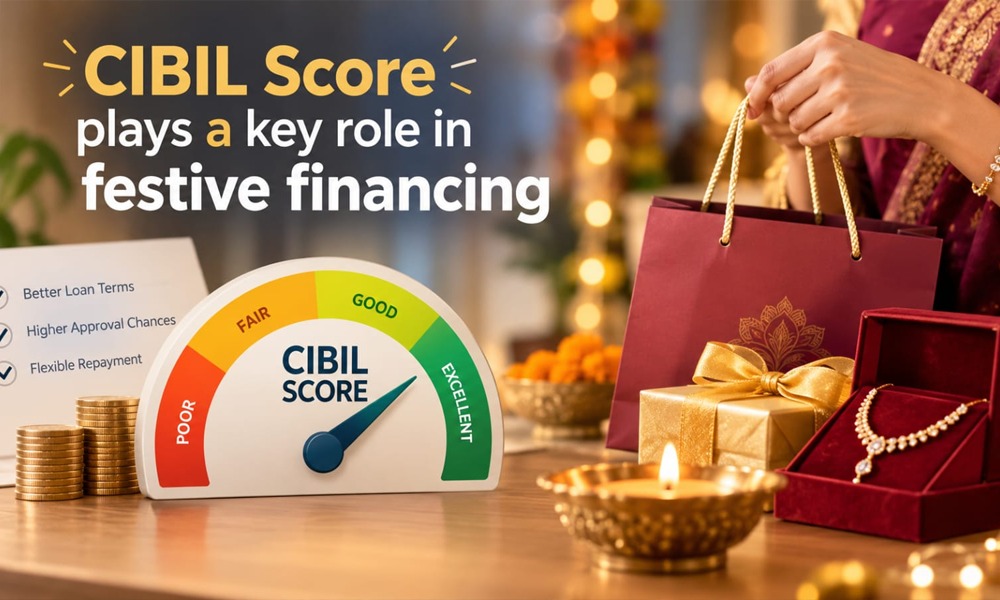
CIBIL Score Plays A Key Role In Festive Financing
A Consumer’s CIBIL Score and Report Play A Decisive Role In Determining Loan Eligibility, Interest Rates, and Overall Borrowing Terms During High-Spending Seasons.

Gold in India is more than just a precious metal; it represents tradition, emotion, and long-term financial security. As major celebrations such as Dhanteras, Diwali, and the upcoming wedding season approach, consumer demand for gold reaches its annual peak.
However, with gold prices rising due to both global macroeconomic pressures and heightened domestic demand, an increasing number of buyers are turning to credit options—specifically gold loans and personal loans—to finance their festive purchases.
In light of these market dynamics, maintaining awareness of one’s financial profile is critical.
A consumer’s CIBIL Score and Report play a decisive role in determining loan eligibility, interest rates, and overall borrowing terms during high-spending seasons.
The Mechanics Behind Festive Gold Price Surges
Gold prices do not move in isolation. The seasonal increase in retail price is driven by a combination of key domestic and international factors:
Global Economic Uncertainty: International market volatility frequently drives capital into gold as a traditional safe-haven asset.
Macroeconomic Indicators: Currency fluctuations and persistent inflation impact local procurement costs.
Domestic Seasonal Demand: Concentrated buying during auspicious cultural dates creates short-term supply-demand imbalances, further driving up retail costs.
The Strategic Role of Your CIBIL Score in Festive Financing
When household budgets face pressure during peak shopping periods, credit-based financing offers immediate liquidity. Whether securing an uncollateralized personal loan or a loan against existing gold holdings, financial institutions rely heavily on credit risk assessments.
The CIBIL Score—a 3-digit numerical summary ranging from 300 to 900—serves as the primary benchmark for creditworthiness:
Approval Probability: A high CIBIL Score significantly increases the likelihood of quick loan sanctioning.
Cost of Capital: Lenders offer competitive, lower interest rates to high-scoring applicants, reducing total borrowing costs.
Flexible Repayment Structure: Favorable credit profiles grant borrowers stronger leverage to negotiate manageable tenure options.
Best Practices for Smart Festive Borrowing
To enjoy festive celebrations without compromising long-term financial stability, consumers are advised to adopt responsible borrowing strategies:
Check Credit Reports Early: Review your CIBIL Report prior to applying for financing to resolve any discrepancies or evaluate your standing.
Borrow Within Limits: Limit loan amounts strictly to what can be comfortably serviced within monthly household budgets.
Maintain Timely Repayments: Ensure all equated monthly installments (EMIs) are paid on time to avoid negative marks on your credit profile.
By pairing festive financial planning with active credit monitoring, consumers can meet their cultural commitments while preserving robust financial health for the future.


-

 International News11 hours ago
US Holiday Shopping Expected To Top $1 Trillion For The First Time: NRF
-

 National News5 hours ago
Belgian Consul General H. E. Mr. Pierre Stverlynck Graces BDB Annual Day
-

 National News6 hours ago
Limelight Lab Grown Diamonds Crosses 100 Stores Milestone This Dussehra: Targets 200 In 2027
-

 New Premises6 hours ago
Joyalukkas Opens Its 2nd Bengaluru Showroom in Jayanagar
