JB Insights
PALMONAS: Redefining Everyday Jewellery, One Wearable Moment At A Time
From Surgical-Grade Stainless Steel To 9KT Gold, Pallavi Mohadikar, Founder & CEO, PALMONAS, On Building A Category-Defining Demi-Fine Jewellery Brand, Evolving Consumer Preferences, and The Future Of Everyday Fine Jewellery

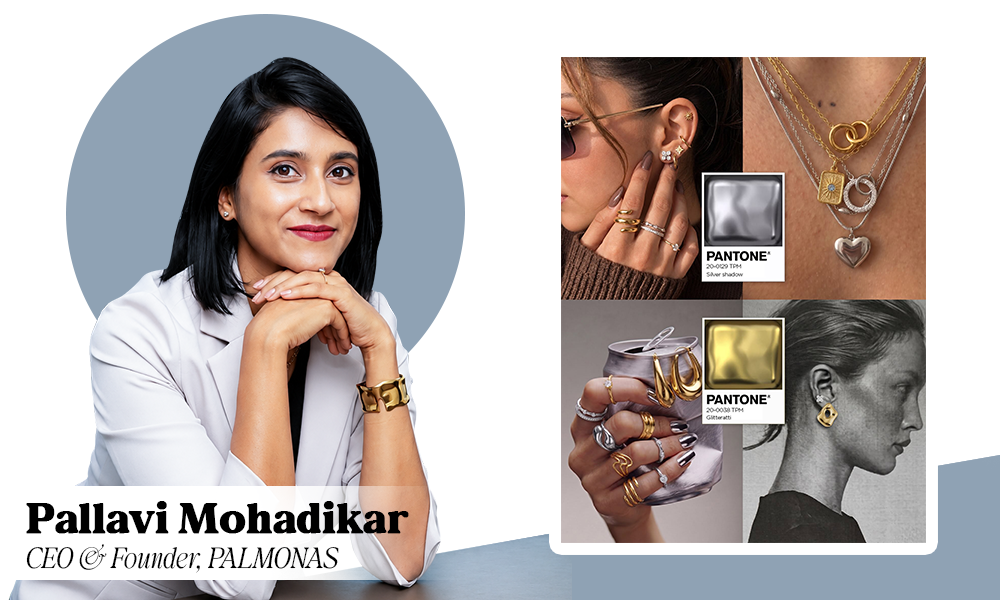
In an exclusive conversation with JewelBuzz, Pallavi Mohadikar, Founder & CEO, PALMONAS, shares the story behind the brand’s evolution, the thinking that led to its signature use of surgical-grade stainless steel, and why everyday jewellery is becoming an increasingly important part of the modern consumer’s wardrobe. She also discusses PALMONAS’ journey from a digital-first brand to an omnichannel business, Shraddha Kapoor’s evolution from customer to co-founder, the impact of Shark Tank India, and how the brand continues to balance emerging trends with timeless design.
Pallavi Mohadikar, CEO & Founder, PALMONAS —
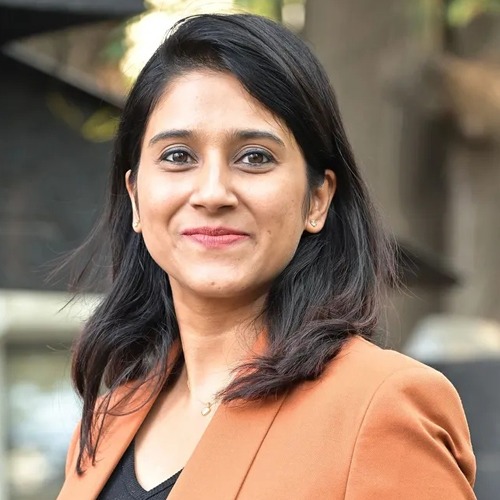
“9KT gold is redefining what everyday fine jewellery can look like, bringing the beauty and permanence of gold into a category that feels modern, versatile, and attainable. We believe the future of jewellery lies in pieces that are designed not just for occasions, but for everyday moments.”
1. From an idea to a category-defining brand, what is the story behind the origin and evolution of PALMONAS? And what inspired the name?
Pallavi Mohadikar: PALMONAS was born from a simple observation: while gold jewellery has always been aspirational, it isn’t always practical for everyday wear. Jewellery was often treated as something reserved for special occasions, but we believed it could be a part of everyday life. We wanted to build a brand that made jewellery versatile, wearable and affordable, giving women the choice to incorporate jewellery into their everyday wardrobe without having to save their favourite pieces for special occasions.
From the beginning, our focus was on combining contemporary design with materials and craftsmanship that could support everyday wear. We started with a physical retail presence in our very first year and have since evolved into a broader omnichannel business, while staying true to the belief that jewellery shouldn’t be saved, it should be lived in. The name PALMONAS represents the brand’s distinctive identity and our ambition to create a jewellery universe that feels modern, expressive and relevant to today’s consumer.
2. Surgical-grade stainless steel became one of PALMONAS’ signature materials. What sparked the idea, and why did you believe it could change the everyday jewellery experience?
Pallavi Mohadikar: The idea came from a very personal connection to the material. My husband and co-founder, Dr. Amol, is an orthopaedic surgeon, so we were familiar with surgical-grade stainless steel and its properties. We thought that if a material could safely be used inside the human body, it could offer the durability and skin-friendly qualities we were looking for in everyday jewellery.
At the time, we saw a gap in the market for jewellery that was premium-looking, durable, and comfortable for everyday wear. Surgical-grade stainless steel gave us the opportunity to create pieces that are resistant to tarnishing and suitable for sensitive skin, while keeping the designs contemporary and affordable. For us, it was more than introducing a new material; it was about making jewellery that could be worn and enjoyed every day, rather than preserved for special occasions.
3. How would you describe the current state of the demi-fine jewellery market in India? Is it still an emerging category, or has it become a mainstream consumer proposition?
Pallavi Mohadikar: Our Demi-Fine® has moved well beyond in India. Consumers today are much more aware of materials, craftsmanship, and design, and they are increasingly looking for that middle ground between fashion jewellery and traditional fine jewellery.
What is particularly interesting is that jewellery is becoming more integrated into everyday fashion. Consumers want pieces that can transition from work to dinner, from casual occasions to celebrations, without requiring a significant investment every time. This shift in consumption, combined with the rise of digital discovery and omnichannel retail, has created a strong opportunity for demi-fine jewellery to become a mainstream consumer proposition.
4. What is the PALMONAS design philosophy? How does an idea move from a trend or consumer insight to a finished piece of demi-fine jewellery?
Pallavi Mohadikar: Our design philosophy is rooted in creating pieces that feel contemporary but have longevity beyond a single trend. We closely observe how consumers are styling themselves, what they are searching for, and how their relationship with jewellery is evolving.
But we don’t believe in simply translating every trend into a product. We look at the underlying consumer behaviour and ask ourselves whether a design has the potential to become part of someone’s wardrobe. From there, our design team works through silhouettes, proportions, detailing, and wearability before a piece reaches production. The objective is always to create jewellery that feels current, but is versatile enough to be worn repeatedly.
5. Shraddha Kapoor went from being a PALMONAS customer and admirer of the brand to becoming its co-founder. How did that relationship evolve into an equity partnership?
Pallavi Mohadikar: Shraddha’s relationship with PALMONAS began organically. She was first a genuine customer and admirer of the brand, so there was already a strong connection with what we were building. As we interacted more over time, it became clear that there was a natural alignment in how we viewed the category, the consumer and the opportunity ahead.
What started as a customer relationship gradually evolved into a deeper conversation around the brand’s future. Over the years, Shraddha has built a strong personal brand and an authentic connection with millions of people, particularly through her fashion, lifestyle and relatable personality. Her understanding of the audience, her fashion perspective and her belief in PALMONAS made the partnership a very natural progression. Bringing her on board as a co-founder was therefore not just an association with a celebrity; it was a coming together of two complementary strengths—her deep understanding of culture, fashion and the consumer, and our experience in building PALMONAS and the category. Together, we saw an opportunity to build a brand that could have a much larger cultural and consumer impact.
6. PALMONAS’ appearance on Shark Tank India Season 4 brought the brand into the national spotlight. What was the experience like, and what did you take away from the process?
Pallavi Mohadikar: Shark Tank was an exciting and intense experience because it gave us an opportunity to step outside our usual business environment and articulate PALMONAS’ journey, proposition and ambition very clearly. More importantly, it helped PALMONAS gain national credibility and introduced the brand to a much wider audience across the country. Being in front of experienced investors also pushes you to look at your business through a different lens.
The biggest takeaway was the importance of being extremely clear about your fundamentals, why the brand exists, what consumer problem you are solving and what makes your proposition different. The experience also reinforced our belief that the opportunity in the jewellery category is much larger than simply selling products; it is about changing how consumers discover, buy and wear jewellery.
7. What have been the biggest challenges in building and scaling PALMONAS?
Pallavi Mohadikar: One of the biggest challenges has been scaling while maintaining the quality, design sensibility and customer experience that the brand was built on. Jewellery may look like a simple category from the outside, but building a strong assortment requires a deep understanding of design, sourcing, manufacturing, inventory and consumer behaviour.
As we have grown, we have also had to evolve from being primarily digital-first to building a stronger omnichannel presence. That requires completely different operational capabilities, from inventory planning and fulfilment to retail expansion. The challenge and the opportunity is to scale the business without losing the agility and consumer-first mindset that helped us build PALMONAS in the first place.
8. Jewellery trends are moving at an incredible pace. How does PALMONAS stay ahead of the curve without becoming a fast-fashion jewellery brand?
Pallavi Mohadikar: We believe there is a difference between being trend-aware and being trend-dependent. We actively track shifts in fashion, culture and consumer behaviour, but we don’t want PALMONAS to simply chase every-trend but instead create trends.
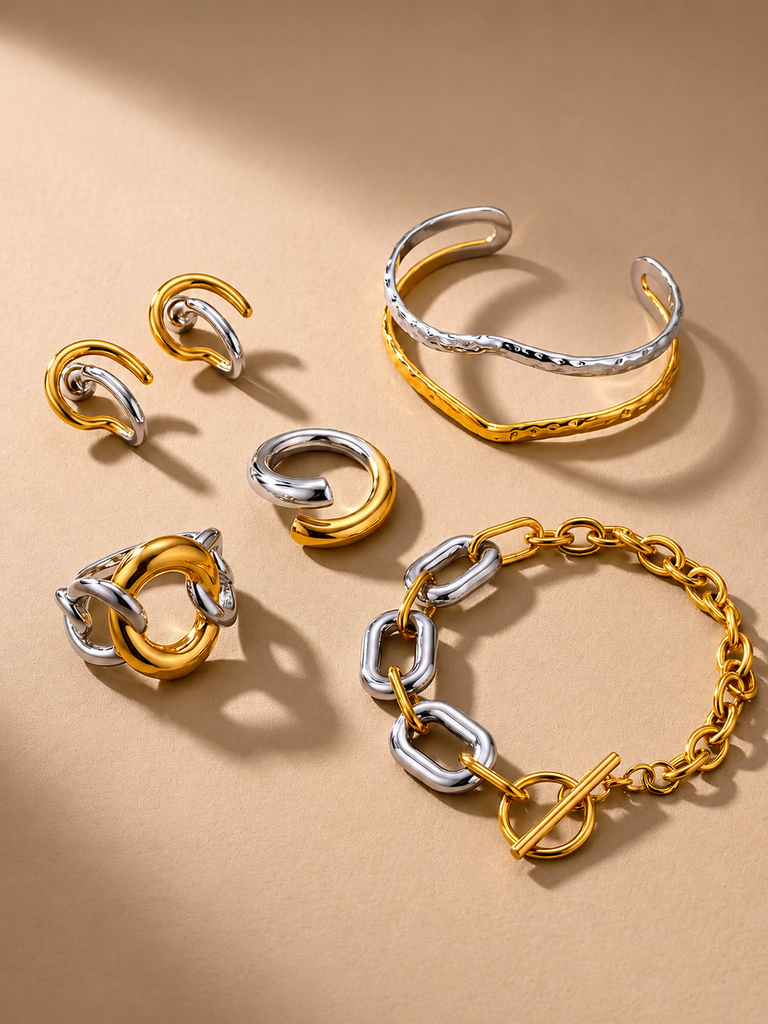
Our approach is to take inspiration from what is happening around us and translate it into designs that have versatility and longevity. We also balance trend-led pieces with timeless staples that form the foundation of a jewellery wardrobe. Ultimately, our goal is to create a jewellery powerhouse that becomes a household name.
A Vision for Jewellery That Is Meant to Be Lived In
Pallavi Mohadikar’s perspective reflects a broader evolution taking place in the jewellery industry—one where everyday wearability, accessibility, contemporary design and material innovation are increasingly shaping consumer choices. PALMONAS’ journey illustrates how the boundaries between fashion jewellery, demi-fine jewellery and fine jewellery are evolving as consumers seek pieces that fit seamlessly into their everyday lives.
As the brand continues to grow its omnichannel presence and explore new materials, designs and categories, its central philosophy remains clear: jewellery is no longer something to be saved for a special occasion—it is something to be worn, styled and lived in every day.
Image ref links:



JB Insights
India–UK FTA: Opening A New Chapter For Indian Jewellery
By Darshan Chauhan, Wholetime Director- Sky Gold and Diamonds Ltd..
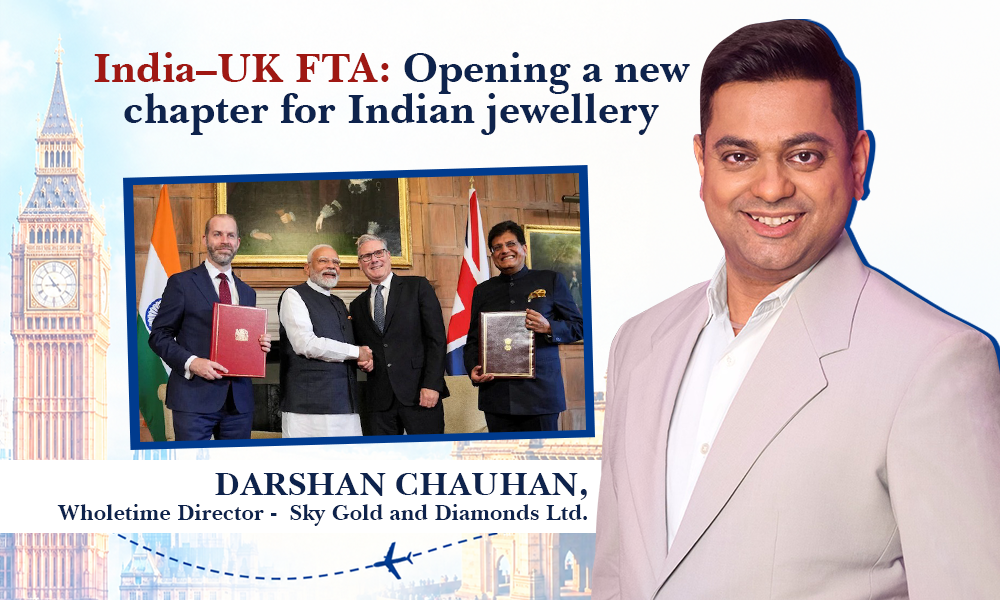
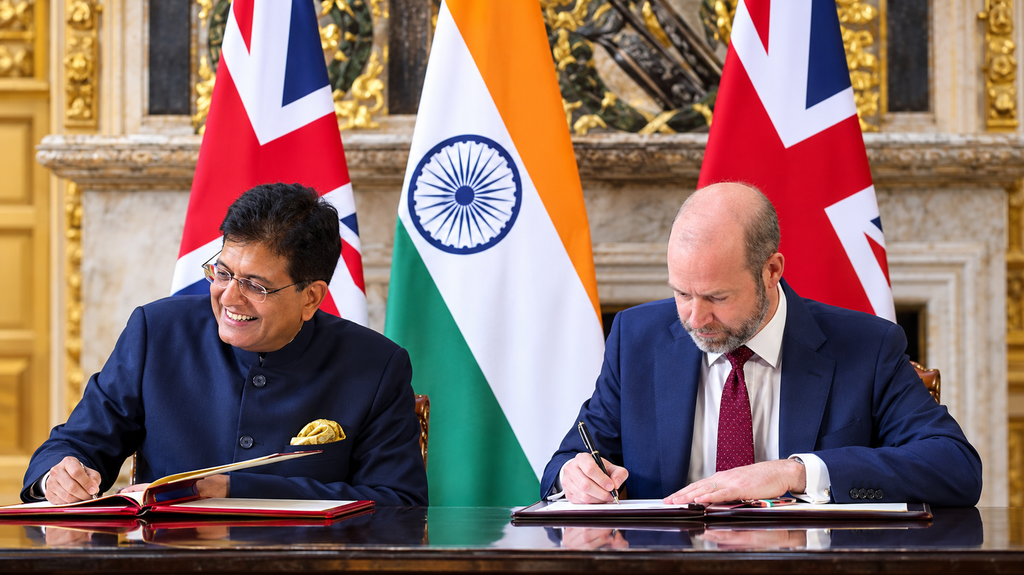
Trade agreements are often discussed in terms of tariffs, trade volumes and market access. But their real significance lies in what they enable businesses to do next. The India–UK Comprehensive Economic and Trade Agreement (CETA), which came into force on 15 July 2026, has the potential to create a stronger platform for Indian businesses to compete, collaborate and grow in one of the world’s most important markets.
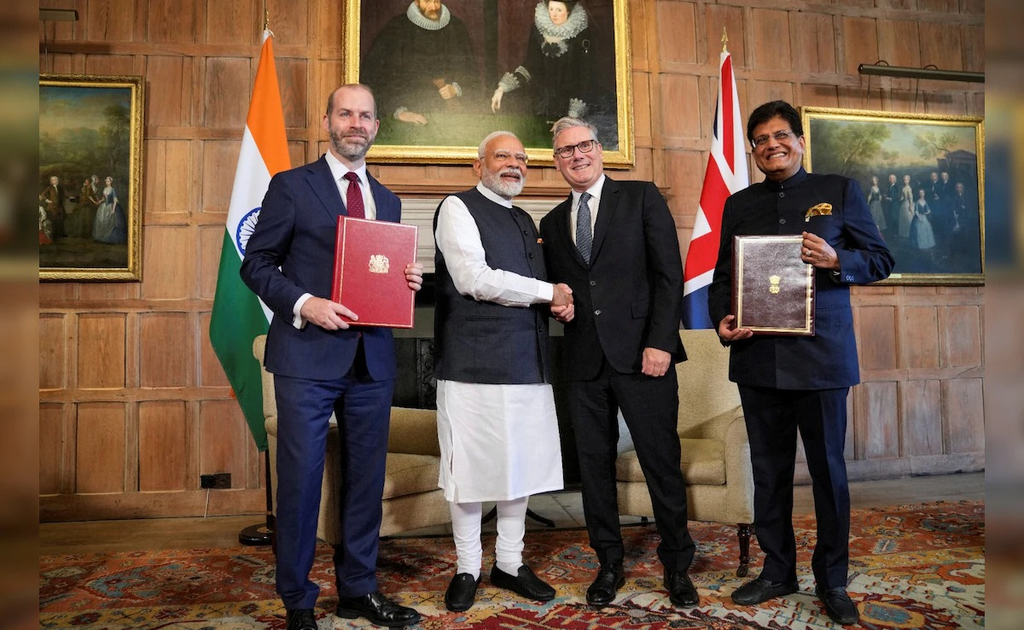
The agreement provides duty-free access to almost 99% of India’s exports to the UK, covering nearly the entire value of India’s trade with the country. For sectors such as gems and jewellery, this is particularly significant. India’s gems and jewellery exports to the UK currently stand at around US$1.03 billion, while the UK imports approximately US$4 billion worth of jewellery annually. This gap represents a substantial opportunity for Indian manufacturers and exporters to expand their presence and build stronger relationships in the market.
A meaningful opportunity for Indian jewellery
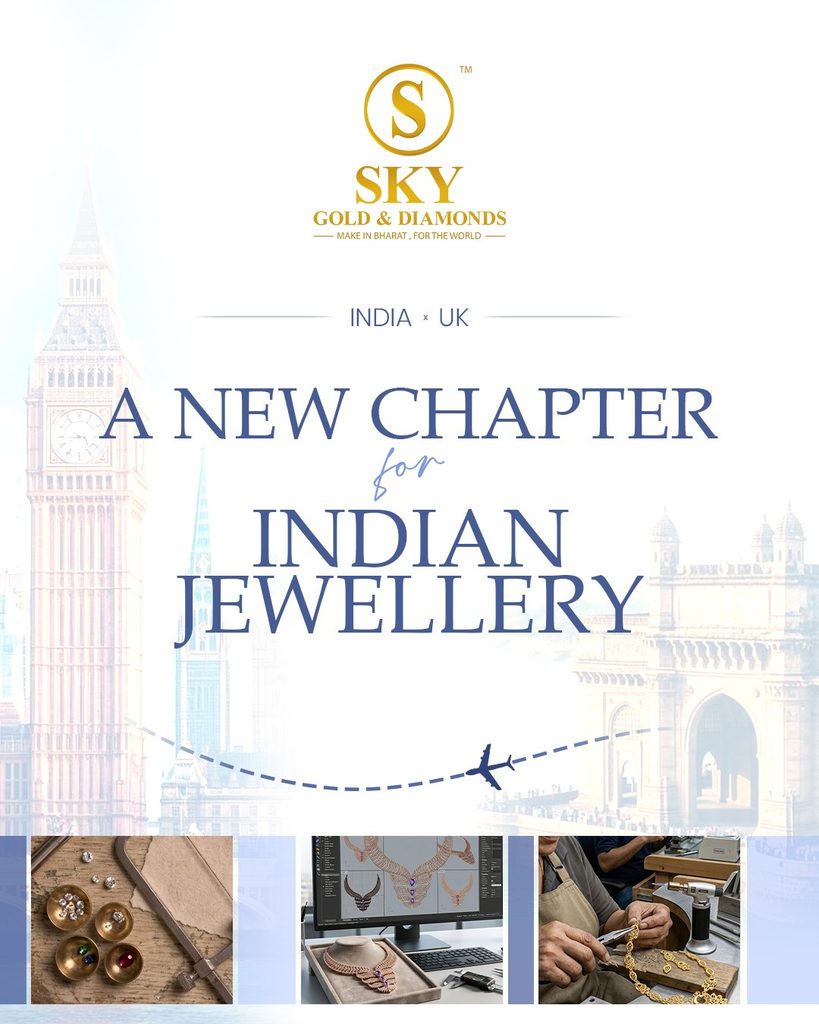
India has long been recognised globally for its jewellery craftsmanship. However, the country’s competitive strength today extends well beyond traditional artistry. Over the years, India has developed a sophisticated manufacturing ecosystem that combines skilled craftsmanship with CAD, CNC technology, advanced production processes, organised quality systems, design capabilities and professional merchandising.
The FTA can give this ecosystem greater global reach
Lower trade barriers can improve the competitiveness of Indian jewellery in the UK and create new opportunities across the value chain, from manufacturers and exporters to designers and artisans. Government estimates indicate that tariff relaxations could potentially double India’s gems and jewellery exports to the UK over the next two to three years.
However, market access alone will not determine who succeeds.
From supplier to strategic partner
The global jewellery business is moving beyond traditional supplier relationships towards strategic partnerships built around consumer insight, design, innovation and speed-to-market. India’s manufacturing strength offers a significant opportunity to move up the value chain—from production to design, product development, merchandising and market intelligence. Quality, flexibility, faster development, consistent replenishment and knowledge of international markets can position Indian manufacturers as indispensable growth partners.
The FTA provides market access; the next opportunity is for Indian jewellery companies to deliver greater value.
Trust remains the foundation
Jewellery is built on trust, with quality, purity, craftsmanship and reliability forming the foundation of every transaction. As Indian companies expand into international markets, sustaining these standards will be essential. Global growth must go beyond tariff benefits, supported by transparent processes, dependable supply chains and consistent quality. The UK opportunity lies not merely in increasing sales, but in building lasting relationships with customers and retail partners. Ultimately, trust and reliability will be key to establishing Indian jewellery as a respected global offering.
Positive sentiment after IIJS Bharat Premiere 2026
The timing of the FTA has also been encouraging from an industry perspective. The sentiment following IIJS Premiere reflected growing confidence across the jewellery trade, with conversations increasingly focused on international opportunities, new collections, product innovation and long-term business relationships.
For many businesses, international markets are no longer being viewed simply as additional export destinations. They are becoming an integral part of long-term growth strategies.
That optimism matters. A trade agreement can create favourable economic conditions, but it is the willingness of businesses to invest, innovate and pursue new opportunities that ultimately converts policy into growth.
The first day of the agreement itself provided an encouraging signal, with more than 50 export consignments worth over US$140 million reportedly flagged off under the preferential tariff regime, including gems and jewellery shipments.
Looking beyond tariffs
The India–UK FTA represents more than a tariff reduction; it offers Indian jewellery an opportunity to strengthen its position in global supply chains and expand its international footprint. With skilled craftsmanship, manufacturing expertise, design capabilities and an increasingly organized ecosystem, India is well placed to leverage this opportunity. Manufacturers must focus on innovation, technology, talent and quality, while exporters need to understand evolving consumer preferences, strengthen distribution and build long-term partnerships.
Catalyst for sustained expansion,
The agreement can help Indian jewellery gain greater recognition for its craftsmanship, design and reliability in the UK market. As global ambitions grow, the FTA could become a catalyst for sustained expansion, encouraging the industry to move beyond short-term exports and establish India as a trusted and influential global jewellery powerhouse.


Focus Should Remain On Price Stability, Consumer Confidence and Healthy Jewellery Demand: GJC Comment On RBI Rate Hike Impact On Gold Prices

Natural Diamond Brand ZOORI Unveils Ambitious National Expansion Plan, Targets 25 Stores In A Year!

India–UK FTA: Opening A New Chapter For Indian Jewellery

GJEPC Conducts Industry Knowledge Session In Meerut
Focus Should Remain On Price Stability, Consumer Confidence and Healthy Jewellery Demand: GJC Comment On RBI Rate Hike Impact On Gold Prices

Navigating Gold Loans During Repo Rate Hikes
-
 National News4 hours ago
GJEPC Conducts Industry Knowledge Session In Meerut
-
 National News2 hours ago
Focus Should Remain On Price Stability, Consumer Confidence and Healthy Jewellery Demand: GJC Comment On RBI Rate Hike Impact On Gold Prices
-
 National News4 hours ago
Navigating Gold Loans During Repo Rate Hikes
-
 JB Insights4 hours ago
India–UK FTA: Opening A New Chapter For Indian Jewellery