JB Insights
India–UK FTA: Opening A New Chapter For Indian Jewellery
By Darshan Chauhan, Wholetime Director- Sky Gold and Diamonds Ltd..


Trade agreements are often discussed in terms of tariffs, trade volumes and market access. But their real significance lies in what they enable businesses to do next. The India–UK Comprehensive Economic and Trade Agreement (CETA), which came into force on 15 July 2026, has the potential to create a stronger platform for Indian businesses to compete, collaborate and grow in one of the world’s most important markets.
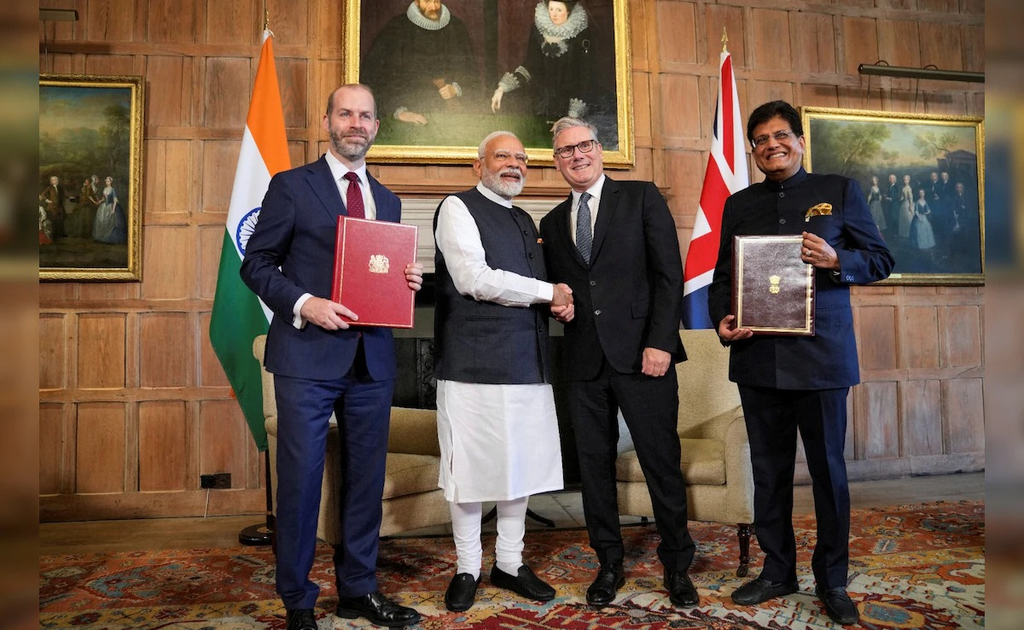
The agreement provides duty-free access to almost 99% of India’s exports to the UK, covering nearly the entire value of India’s trade with the country. For sectors such as gems and jewellery, this is particularly significant. India’s gems and jewellery exports to the UK currently stand at around US$1.03 billion, while the UK imports approximately US$4 billion worth of jewellery annually. This gap represents a substantial opportunity for Indian manufacturers and exporters to expand their presence and build stronger relationships in the market.
A meaningful opportunity for Indian jewellery

India has long been recognised globally for its jewellery craftsmanship. However, the country’s competitive strength today extends well beyond traditional artistry. Over the years, India has developed a sophisticated manufacturing ecosystem that combines skilled craftsmanship with CAD, CNC technology, advanced production processes, organised quality systems, design capabilities and professional merchandising.
The FTA can give this ecosystem greater global reach
Lower trade barriers can improve the competitiveness of Indian jewellery in the UK and create new opportunities across the value chain, from manufacturers and exporters to designers and artisans. Government estimates indicate that tariff relaxations could potentially double India’s gems and jewellery exports to the UK over the next two to three years.
However, market access alone will not determine who succeeds.
From supplier to strategic partner
The global jewellery business is moving beyond traditional supplier relationships towards strategic partnerships built around consumer insight, design, innovation and speed-to-market. India’s manufacturing strength offers a significant opportunity to move up the value chain—from production to design, product development, merchandising and market intelligence. Quality, flexibility, faster development, consistent replenishment and knowledge of international markets can position Indian manufacturers as indispensable growth partners.
The FTA provides market access; the next opportunity is for Indian jewellery companies to deliver greater value.
Trust remains the foundation
Jewellery is built on trust, with quality, purity, craftsmanship and reliability forming the foundation of every transaction. As Indian companies expand into international markets, sustaining these standards will be essential. Global growth must go beyond tariff benefits, supported by transparent processes, dependable supply chains and consistent quality. The UK opportunity lies not merely in increasing sales, but in building lasting relationships with customers and retail partners. Ultimately, trust and reliability will be key to establishing Indian jewellery as a respected global offering.
Positive sentiment after IIJS Bharat Premiere 2026
The timing of the FTA has also been encouraging from an industry perspective. The sentiment following IIJS Premiere reflected growing confidence across the jewellery trade, with conversations increasingly focused on international opportunities, new collections, product innovation and long-term business relationships.
For many businesses, international markets are no longer being viewed simply as additional export destinations. They are becoming an integral part of long-term growth strategies.
That optimism matters. A trade agreement can create favourable economic conditions, but it is the willingness of businesses to invest, innovate and pursue new opportunities that ultimately converts policy into growth.
The first day of the agreement itself provided an encouraging signal, with more than 50 export consignments worth over US$140 million reportedly flagged off under the preferential tariff regime, including gems and jewellery shipments.
Looking beyond tariffs
The India–UK FTA represents more than a tariff reduction; it offers Indian jewellery an opportunity to strengthen its position in global supply chains and expand its international footprint. With skilled craftsmanship, manufacturing expertise, design capabilities and an increasingly organized ecosystem, India is well placed to leverage this opportunity. Manufacturers must focus on innovation, technology, talent and quality, while exporters need to understand evolving consumer preferences, strengthen distribution and build long-term partnerships.
Catalyst for sustained expansion,
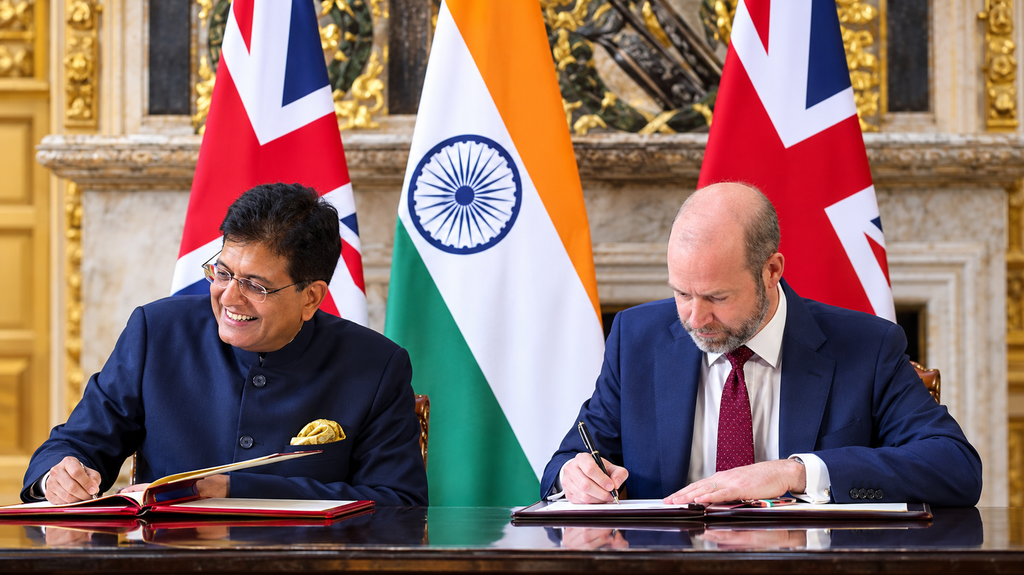
The agreement can help Indian jewellery gain greater recognition for its craftsmanship, design and reliability in the UK market. As global ambitions grow, the FTA could become a catalyst for sustained expansion, encouraging the industry to move beyond short-term exports and establish India as a trusted and influential global jewellery powerhouse.




JB Insights
US Holiday Sales Will See 5.5% Growth For 2026 : Mastercard Economics Institute
This Resilience Reflects A Robust Labor Market, Rising Household Wealth, and Broad-Based Consumer Demand Across Income Cohorts. Overall, The 2026 Holiday Season Showcases An Adaptable U.S. Consumer Using Digital and AI Tools To Maximize Value While Continuing To Drive Broader Economic Momentum.
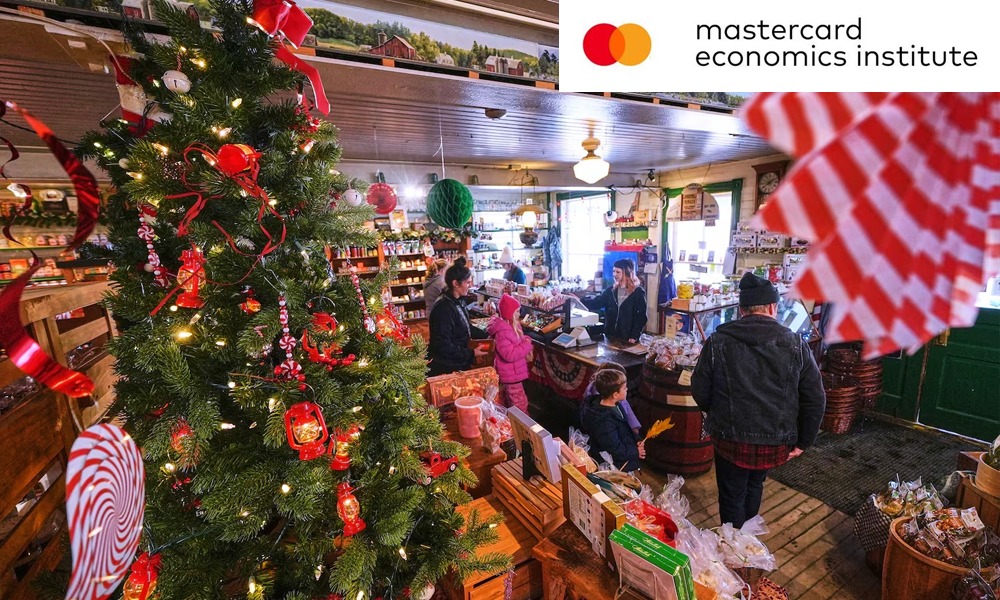
The Mastercard Economics Institute (MEI) forecasts a strong 2026 U.S. holiday shopping season (November 1–December 24), projecting retail sales excluding gas and autos to grow 5.5% year-over-year (YoY). This resilience reflects a robust labor market, rising household wealth, and broad-based consumer demand across income cohorts.
Key Drivers and Growth Channels
- Channel Performance: E-commerce continues to lead with an expected 11% YoY growth, but in-store sales are set to grow 3.6%—their strongest pace since 2022. This highlights the critical role of omnichannel strategies.
- Inflation Dynamics: Inflation accounts for 2.8 percentage points of the total 5.5% growth. Unlike last year’s tariff pressures, current price increases are driven by elevated energy/diesel costs and the massive AI infrastructure buildout.
- Calendar Shifts: A late Thanksgiving compresses the shopping window, pushing retailers toward early promotions. Additionally, Cyber Monday falling in November will shift significant online volume into the month.
The Role of Artificial Intelligence
AI is reshaping both prices and consumer behavior:
- Tech Inflation: High demand for memory chips and data infrastructure components has driven a 12.2% YoY increase in prices for info-processing equipment. Consequently, the consumer electronics category is projected to post outsized nominal sales growth (+10.7% YoY).
- AI Power Users: Consumers with paid AI subscriptions demonstrate distinct “optimization” habits. Data shows these users plan early, shop across a wider variety of boutique and specialty merchants, and aggressively target promotions during Thanksgiving weekend before transitioning to experience and hospitality spending in December.
Last-Minute Shopping Behavior
The final rush to Christmas offers key operational insights for retailers:
- In-Person and Malls: The final week before Christmas sees heavy physical store foot traffic, especially in enclosed shopping malls where consumers can complete multi-category purchases. Climate also plays a role: warmer-state residents (e.g., Florida, Nevada) are far more likely to make last-minute in-store runs than those in colder states.
- Transaction Value Trends: Average order values for children’s items peak near Black Friday, while premium categories—such as jewelry, cosmetics, luxury handbags, and department stores—see transaction values climb steadily from December 15, peaking on Christmas Eve as procrastinating shoppers pay a premium for convenience.
AI tools lower search costs for consumers, making price transparency higher than ever. Retailers must capture early November demand through targeted promotions before comparison tools push shoppers toward alternative or boutique brands.
Last-minute shoppers are price-inelastic and seeking speed. Malls and physical stores should maximize inventory for high-margin, rush-gift items (jewelry, cosmetics, designer goods, gift cards) in the final 10 days, leveraging store availability over promotional discounting.
Overall, the 2026 holiday season showcases an adaptable U.S. consumer using digital and AI tools to maximize value while continuing to drive broader economic momentum.



-

 National News25 minutes ago
Navigating Gold Loans During Repo Rate Hikes
-

 National News20 hours ago
GGJS 2026 Concludes With High-Volume Trade and Strategic Focus On Next-Gen Leadership
-
 National News33 minutes ago
GJEPC Conducts Industry Knowledge Session In Meerut
-

 Cover Story1 week ago
Rajesh Rokde:Dynamic Visionary, Transformational Leader