
National News
Outstanding bank loans against gold more than doubled in a year


In an unexpected divergence within India’s financial system, the fiscal year ending March 2025 witnessed a dramatic surge in gold-backed loans, even as overall credit growth decelerated. According to Reserve Bank of India (RBI) data, loans against gold more than doubled, rising by 103% from just over ₹1 lakh crore to nearly ₹2.1 lakh crore. This made gold loans the fastest-growing segment in the Indian credit market, outpacing all other lending categories.
This sharp growth in gold-backed lending occurred against the backdrop of slowing overall bank credit, which grew at 11% in FY25, down from a robust 20% in FY24. The contrast highlights both the resilience of asset-backed borrowing during times of economic strain and the evolving financial preferences of Indian households and small businesses.
Three key factors drove this boom:
- Regulatory Reclassification by the RBI: In 2023, the RBI issued a directive requiring banks to reclassify many agricultural loans as loans against gold jewellery. This not only improved transparency but also artificially inflated the category’s growth figures. Banks traditionally prefer to label rural gold loans as agricultural credit to take advantage of lower interest rates and lenient repayment norms attached to farm lending.
- Shift from NBFCs to Banks: Another major catalyst was the RBI’s move to curb gold lending by large non-banking financial companies (NBFCs), which had become dominant players in the sector. With regulatory limits in place, borrowers—especially those in rural and semi-urban areas—began shifting back to traditional banks for their gold loan needs.
- Gold Price Appreciation: The continued rise in gold prices significantly boosted the borrowing capacity of individuals. Since loans are typically offered as a percentage of the gold’s market value, higher prices meant that customers could secure larger loan amounts without pledging more jewellery.
The explosion in gold loan volumes reveals much about the Indian financial ecosystem. On the one hand, it suggests increased financialisation of household assets, particularly gold, which has long been a preferred store of wealth in Indian society. On the other hand, it points to underlying financial stress, as households appear to be leveraging personal assets to meet liquidity needs in a slowing economy.
At a systemic level, the phenomenon underscores the interplay between regulatory decisions and credit flows, demonstrating how RBI’s interventions can redirect borrowing channels. While the gold loan segment soared, the broader deceleration in credit—from 20% to 11% year-over-year—raises concerns about investment appetite and consumption momentum, especially in key sectors like industry, infrastructure, and MSMEs.






National News
KISNA Diamond and Gold Jewellery Rolls Out Nationwide ‘Shop Sparkle Win’ Campaign Across 218 Cities, With 823 Vehicles Up For Grabs
The campaign will run through the first week of December 2026, with customers eligible to participate on diamond jewellery purchases worth ₹25,000 and gold jewellery purchases worth ₹75,000


KISNA KISNA Diamond and Gold Jewellery, one of India’s foremost jewellery brands, has rolled out its nationwide KISNA Shop Sparkle Win Campaign ’26 across 218 cities in 24 states, offering customers the opportunity to win 823 vehicles, comprising 247 cars and 576 scooters, during the festive season.
Customers receive one lucky draw coupon on diamond jewellery purchases worth Rs. 25,000 and one coupon on gold jewellery purchases worth Rs. 75,000. The campaign comprises three lucky draws and will continue through the first week of December 2026, culminating in the final draw for the car prizes.
Timed around one of the country’s key jewellery-buying periods, Shop Sparkle Win adds an element of excitement to festive purchases. Eligible coupon holders are invited to their respective KISNA stores, where winners are selected through a live ballot process, bringing the celebration closer to customers across markets.
Speaking on the campaign, Ghanshyam Dholakia, Founder & Managing Director, Hari Krishna Group, said,
“Festivals are moments when families come together to celebrate traditions, relationships and new beginnings, and jewellery has always been an integral part of these occasions. At KISNA, we have consistently looked at ways to make these moments more memorable and rewarding. Following the strong response to our previous Bumper Lucky Draw, KISNA Shop Sparkle Win Campaign ’26 takes this approach forward at a wider scale, enabling us to celebrate with customers across the country.”
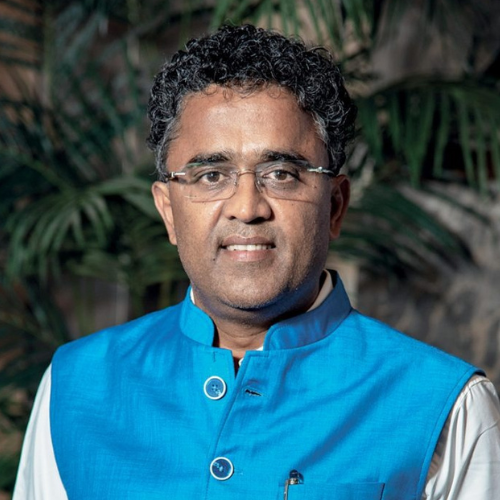
Parag Shah, CEO, KISNA Diamond & Gold Jewellery, added,
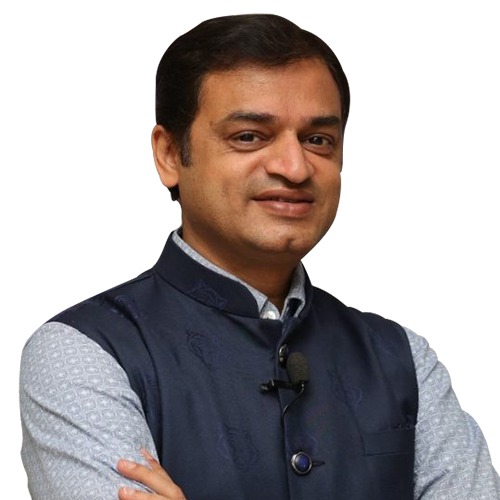
“Jewellery purchases today are shaped not only by design and craftsmanship, but also by the value, flexibility and assurance customers receive through the buying journey. Our proposition addresses these considerations through initiatives such as the Gold Rate Protection Scheme, old gold exchange options and our diamond jewellery buyback programme. Customers can avail up to 95% exchange value on diamond jewellery, including making charges, providing greater flexibility and long-term value beyond the initial purchase.”
The campaign is being amplified through BTL activations, social media and digital campaigns across markets. Building on KISNA’s earlier customer reward initiatives, including the Bumper Lucky Draw and #Shop_Sparkle_Win reflects the brand’s continued focus on strengthening its retail proposition and creating more engaging jewellery-buying experiences across India.



KISNA Diamond and Gold Jewellery Rolls Out Nationwide ‘Shop Sparkle Win’ Campaign Across 218 Cities, With 823 Vehicles Up For Grabs

Nemichand Bamalwa Creates Nav Avatar Necklace For Maa Durga At Indian Museum’s Durga Puja

Kangana Ranaut Unveils PNG Jewellers New Showroom In Ayodhya~

GGJS 2026 Concludes With High-Volume Trade and Strategic Focus On Next-Gen Leadership
Nemichand Bamalwa Creates Nav Avatar Necklace For Maa Durga At Indian Museum’s Durga Puja
KISNA Diamond and Gold Jewellery Rolls Out Nationwide ‘Shop Sparkle Win’ Campaign Across 218 Cities, With 823 Vehicles Up For Grabs
-
 National News10 hours ago
GGJS 2026 Concludes With High-Volume Trade and Strategic Focus On Next-Gen Leadership
-
 National News6 hours ago
Nemichand Bamalwa Creates Nav Avatar Necklace For Maa Durga At Indian Museum’s Durga Puja
-
 National News6 hours ago
KISNA Diamond and Gold Jewellery Rolls Out Nationwide ‘Shop Sparkle Win’ Campaign Across 218 Cities, With 823 Vehicles Up For Grabs
-

 National News15 hours ago
MCX Gold Silver Futures See Dip
