
International News
Optimism Soars at 2025 Hong Kong Jewellery Shows, Surpassing Market Expectations
Exhibitors and buyers alike are upbeat about the future, with increased participation from global markets, particularly the Middle East and ASEAN regions, despite global economic uncertainties.

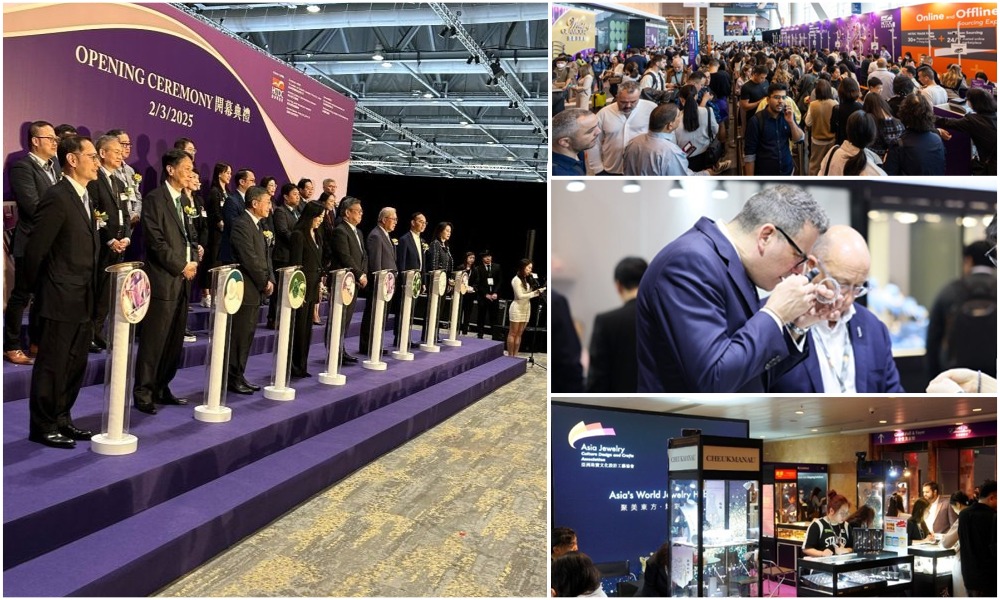
The 2025 Hong Kong Jewellery Shows, held from March 2nd to 8th, exceeded expectations, with exhibitors noting strong market sentiment despite concerns over the global economic outlook. Organised by the Hong Kong Trade Development Council (HKTDC), the twin shows drew over 82,000 buyers from 141 countries, highlighting Hong Kong’s role as a global jewellery trade hub.
The event was split between the Hong Kong Convention and Exhibition Centre (HKCEC) and Asia World-Expo, and attracted 4,000 exhibitors from over 40 countries. The Diamond, Gem & Pearl Show saw about 32,000 visitors, while the International Jewellery Show hosted roughly 51,000 buyers. According to an on-site survey, the Middle East was seen as the most promising market for growth in the coming years, with 40% of respondents expecting a sales increase and over half anticipating stable sales.
The International Jewellery Show featured new zones like Gold Jewellery, showcasing unique designs, and the Young Jewellery Designer Arena, supporting emerging talent. This year’s event also brought forward innovation with over 30 industry seminars, including a focus on local design and new opportunities in the jewellery sector.
Despite a cautious economic climate, Indian exhibitors like Venus Jewel and Tankaria experienced strong networking but reported moderate orders, mainly due to a sluggish Chinese economy. Meanwhile, exhibitors also noted the importance of expanding into markets such as Southeast Asia, the Middle East, and North America.
An HKTDC survey found positive expectations for industry growth in markets like the Middle East (76.8%) and India (72.6%), with technology, including AI and big data, expected to shape the jewellery landscape in the coming years. Fashion and precious jewellery were highlighted as key growth categories, with diamonds (47.6%) emerging as the most sought-after gemstone.
Notable exhibitors like Hatta Chang and HC Arnoldi saw sales exceed expectations, with some anticipating growth of up to 50%. Buyers from regions including Mainland China, the Middle East, and the United States also showed strong interest, with several planning to place large orders.
In a bid to enhance accessibility for Muslim buyers, special measures were introduced, including prayer rooms, shuttle services to mosques, and Muslim-friendly amenities. The event also embraced digital innovation, with the EXHIBITION+ hybrid format and AI-powered platforms enabling seamless online matching and discussions between buyers and exhibitors.
Overall, the 2025 Hong Kong Jewellery Shows set a positive tone for the industry, with increased buyer interest, new opportunities for design and innovation, and strong potential for continued growth in key global markets.







International News
US Holiday Shopping Expected To Top $1 Trillion For The First Time: NRF
While Overall Buying Power Remains High, Ongoing Inflation and Rising Household Costs Mean Some Families Will Have To Watch Their Spending More Carefully Than Others

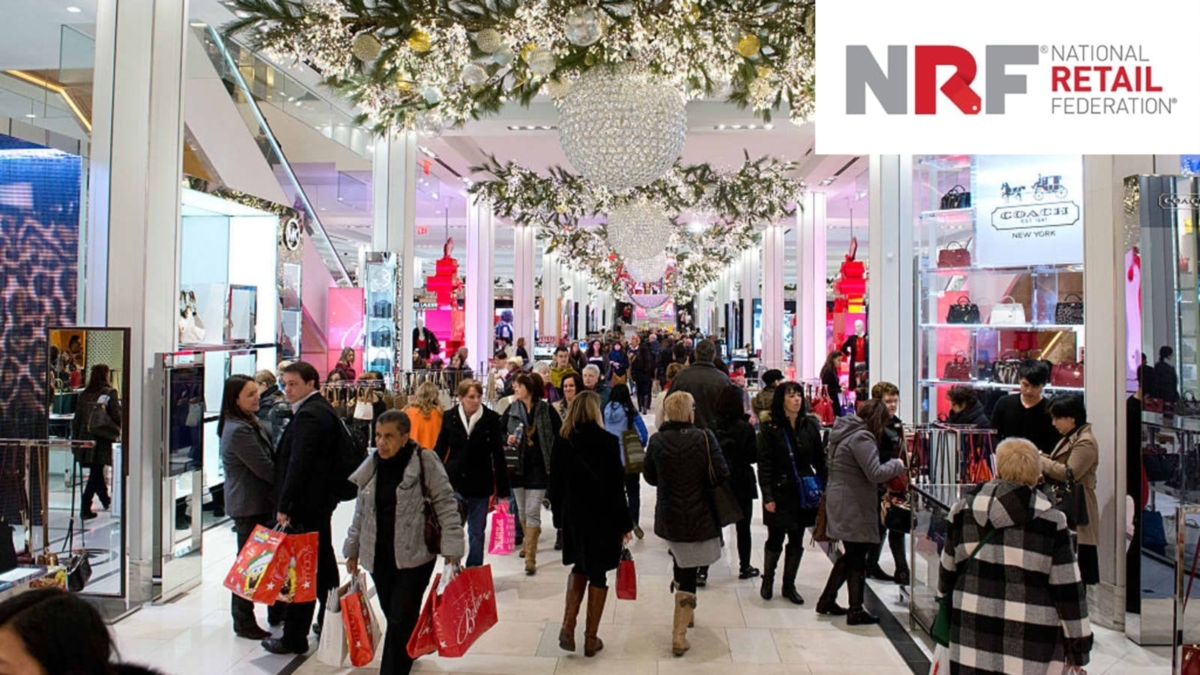
The National Retail Federation (NRF) predicts Americans will spend $1.01 trillion on holiday shopping in November and December. That is a 4.2% jump from $972 billion last year.
NRF said its forecast was based on economic modeling that incorporates consumer spending, employment, wages and historical retail sales data. It excludes automobile, gasoline and restaurant sales
Extra Hiring: To handle the surge in shoppers, stores plan to hire 325,000 to 375,000 temporary holiday workers.
Mixed Budget Impact: Higher gas prices and inflation could still strain some family budgets, affecting low- and high-income shoppers differently.
Retailers expect a strong shopping season because people continue to make holiday spending a priority.
Store owners are ready to attract shoppers by offering competitive prices, deals, and choices for every budget.
While overall buying power remains high, ongoing inflation and rising household costs mean some families will have to watch their spending more carefully than others.



Belgian Consul General H. E. Mr. Pierre Stverlynck Graces BDB Annual Day

Limelight Lab Grown Diamonds Crosses 100 Stores Milestone This Dussehra: Targets 200 In 2027

Joyalukkas Opens Its 2nd Bengaluru Showroom in Jayanagar

US Holiday Shopping Expected To Top $1 Trillion For The First Time: NRF
Belgian Consul General H. E. Mr. Pierre Stverlynck Graces BDB Annual Day
Limelight Lab Grown Diamonds Crosses 100 Stores Milestone This Dussehra: Targets 200 In 2027
-
 International News20 hours ago
US Holiday Shopping Expected To Top $1 Trillion For The First Time: NRF
-
 National News14 hours ago
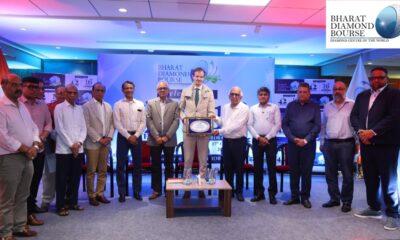
Belgian Consul General H. E. Mr. Pierre Stverlynck Graces BDB Annual Day
-
 National News15 hours ago
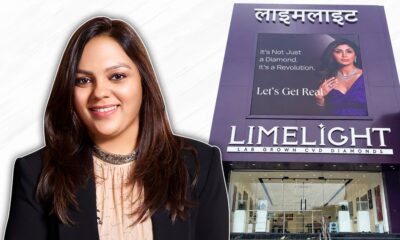
Limelight Lab Grown Diamonds Crosses 100 Stores Milestone This Dussehra: Targets 200 In 2027
-
 New Premises15 hours ago
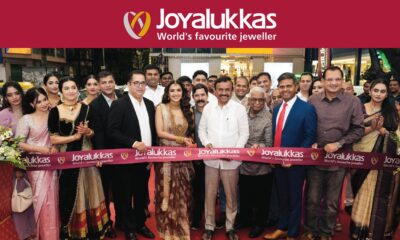
Joyalukkas Opens Its 2nd Bengaluru Showroom in Jayanagar
