

TechBuzz
Modern Electrum™: A next-generation alloy redefining material choices in fine jewellery manufacturing

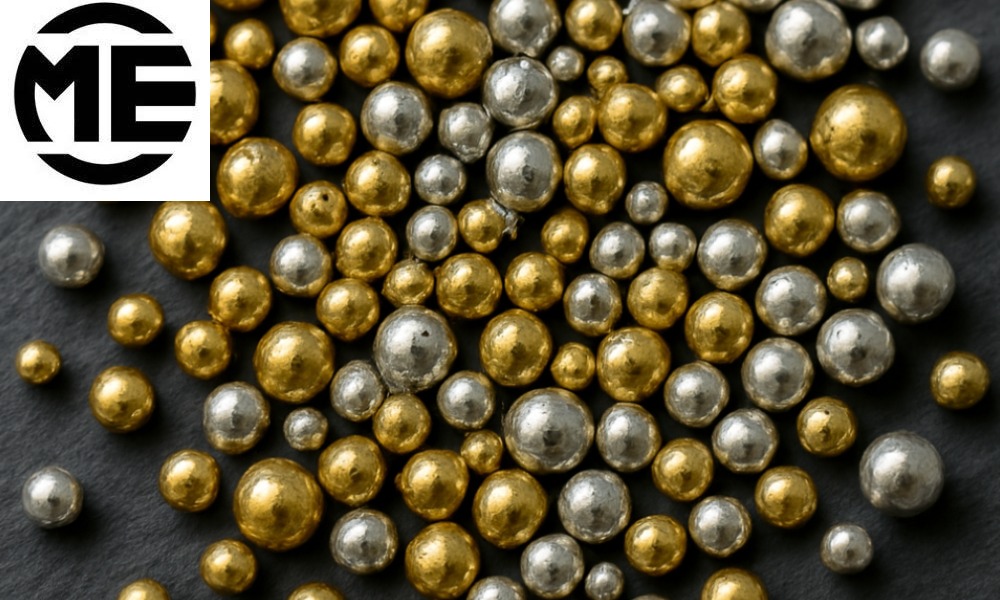
A breakthrough in precious metal innovation emerged at the 44th edition of Oroarezzo with the debut of Modern Electrum™, a next-generation alloy that could redefine material choices in fine jewellery manufacturing.
Jointly developed by Alessi Domenico S.p.A., Legor Group S.p.A., and Diamonds de Canada, Modern Electrum™ represents a strategic collaboration between Italian metallurgy expertise and international jewellery innovation. The alloy is a 21st-century reinterpretation of electrum, the ancient naturally occurring blend of gold and silver that once symbolized opulence in early civilizations.
Key Attributes and Advantages
Modern Electrum™ combines luxury aesthetics with advanced functionality.
- Luxurious appearance: The alloy retains the warm, rich tone associated with gold while offering a contemporary metallic luster.
- Hypoallergenic properties: Engineered to meet modern skin-safety standards, it ensures comfort and compatibility for sensitive wearers.
- High resistance to oxidation: Its stable composition reduces tarnishing, preserving brilliance over time and reducing maintenance costs.
- Cost efficiency: By offering the visual appeal and performance of gold at a lower price point per ounce, Modern Electrum™ provides jewellers with a commercially viable alternative amid soaring gold prices.
Industry Significance
Developed through extensive research and development by Legor Group, a global leader in metals science, Modern Electrum™ underscores Italy’s continued leadership in metallurgical innovation. For Alessi Domenico S.p.A., a fourth-generation Italian jewellery manufacturer, the alloy represents a commitment to advancing traditional craftsmanship through technological progress.
The introduction of Modern Electrum™ comes at a time when manufacturers are seeking cost-effective, sustainable, and design-flexible materials to meet evolving consumer demand. It offers potential for broad adoption across both fine and fashion jewellery segments, especially for brands aiming to balance aesthetic excellence with price sensitivity.
Market Outlook
While the alloy’s long-term market performance remains to be seen, early industry response has been positive. Analysts suggest that Modern Electrum™ could open new opportunities for mid-tier luxury and bespoke brands, particularly in markets affected by volatility in gold and silver prices.
If successfully adopted, Modern Electrum™ may mark a turning point in the modern jewellery materials landscape, combining Italian artistry, scientific precision, and economic practicality to shape the future of luxury metal design.


BrandBuzz
Senco Gold & Diamonds Launches “SHAPE OF YOU”- AI Application for Women’s Day Celebration
A design-led innovation that interprets the language of the face to create a more intuitive and confident jewellery experience — beautifully framing the unique ‘Shape of You’.
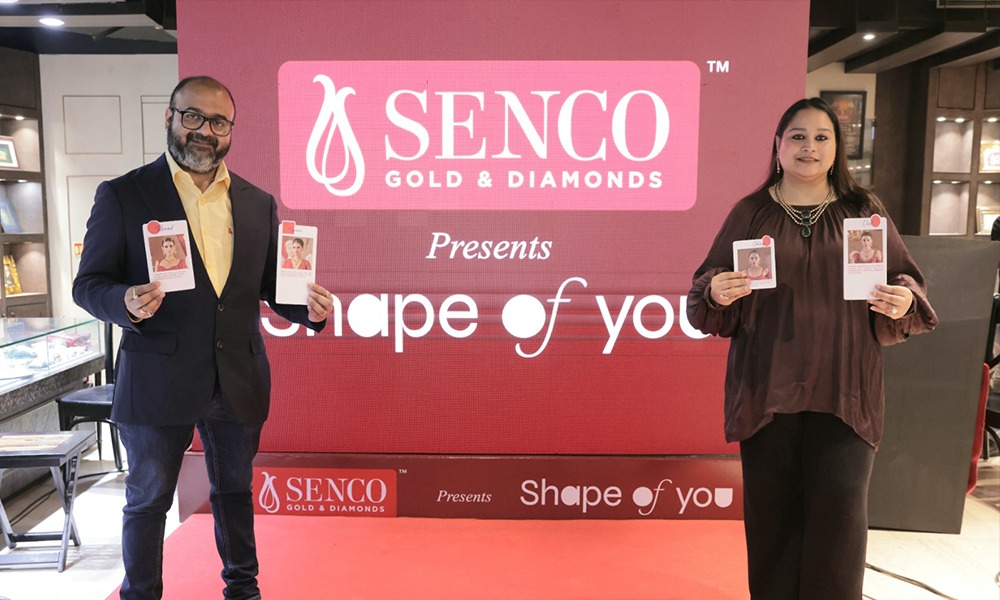
In a world where words often take centre stage, Senco Gold & Diamonds — one of India’s leading pan-India jewellery retailers, with a legacy spanning over eighty-five years of trust — launches the Shape of You AI Application in celebration of Women’s Day. Built on refined karigari, design integrity, and a deep understanding of Indian aesthetics, Senco’s legacy now enters a new era where design intelligence meets personal insight.

Shape of You marks Senco’s first expert-led styling initiative, redefining how customers choose jewellery by aligning it with their unique face shape and natural features. Rooted in the belief that every face is distinct — and so should be the jewellery that adorns it — this innovation seamlessly blends technology with personalised styling. It enables customers to discover designs that genuinely complement their individuality. At its core lies Senco’s understanding that jewellery today is not merely an ornament, but an expression of identity and self.
For decades, jewellery has been chosen to complement what a woman wears. Now, Senco Gold & Diamonds invites women to choose jewellery that complements who they are. Introducing “The Shape of You” — an intuitive styling philosophy powered by technology — reimagining how jewellery is discovered, guided by the unique contours and character of each face. With The Shape of You, Senco Gold & Diamonds moves beyond conventional styling norms, placing the woman — not the trend — at the heart of design. The feature is now available across select Senco Gold & Diamonds showrooms and on the Senco app, offering women a more confident and considered way to choose jewellery.

Commenting on the same Joita Sen, Director & Head of Marketing and Design, Senco Gold and Diamonds, said, “Shape of You as an idea was conceived to enhance personal identity with technology led by design intuition. It is an innovation to help women understand themselves, their shapes better so that they can adorn themselves with jewellery that suits them best. It is an empowerment & personalisation tool for women”.
Commenting on the initiative, Suvankar Sen, MD & CEO, Senco Gold & Diamonds, said: “Often, women instinctively know when a piece of jewellery feels right, even if they cannot explain why. The Shape of You is one of our many technology applications for better customer experience and drive unique service to customers a one of its kind, and first time in jewellery industry”.

This Women’s Day Senco Gold & Diamonds also launched some exciting offers that are available across all our showrooms, which includes special flat discount on per 10gm of gold jewellery buying along (with upto 15% making charges* discount to celebrate women’s day), upto 15% on diamond value & upto 75% off on making charges on purchase of all diamond jewellery, (special offers for all women, girls, etc), upto 15% off on making charges (or MRP as applicable) of silver items (excluding coins) discount of upto 20% on leather items of sennes, etc.
Additionally, Senco Gold & Diamonds website will have online exciting offers for the customers which includes of upto 100% making charges off on buying of gold, diamond and platinum jewellery, on March 08, 2026 (1day offer ONLY).


-
 BrandBuzz15 hours ago
The Pearl Edit: Thoughtful Women’s Day Gifting by GIVA
-

 BrandBuzz15 hours ago
Augmont Launches SPOT 2.0: One Platform. Every Product. Efficient Business
-
 BrandBuzz19 hours ago
Senco Gold & Diamonds Launches “SHAPE OF YOU”- AI Application for Women’s Day Celebration
-
 National News19 hours ago
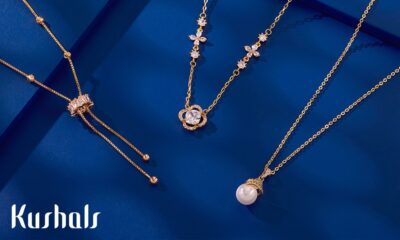
Kushals Fashion Jewellery Curates Special Women’s Day Edit Celebrating Strength, Style and Self-Expression
