National News
MCX, NSE withdraw additional margins on gold, silver futures


The Multi Commodity Exchange of India (MCX) and the National Stock Exchange of India (NSE) withdrew hefty additional margin requirements on gold and silver futures. The decision marks a pivot from the defensive crouch exchanges adopted earlier this month to curb excessive speculation.
India’s leading commodity exchanges move to lower the cost of trading precious metals, signaling that the recent bout of “blood and thunder” volatility in the bullion market may finally be cooling.
The rollback, effective Feb. 19, removes a 3% additional margin on gold contracts and a 7% surcharge on silver. For traders, the move is a welcome relief, effectively freeing up capital that had been locked away as collateral during a period of wild price swings.
A Wild Ride for Bullion
The extra margins were originally slapped on Feb. 4 as a circuit-breaker of sorts. At the start of the year, gold prices had surged nearly 35% in a frantic January rally, fueled by a cocktail of geopolitical jitters and institutional inflows.
However, the “everything-up” trade eventually hit a wall. Prices have since cooled by roughly 15%, allowing regulators to breathe a sigh of relief.
“The exchanges are essentially saying the fever has broken,” said one Mumbai-based commodities analyst. “By lowering the barrier to entry, they are inviting liquidity back into the pits, which had thinned out as trading costs spiked.”
The Margin Game
Margin requirements are the primary tool exchanges use to ensure traders can cover potential losses. When volatility spikes, exchanges hike these requirements to prevent a domino effect of defaults.
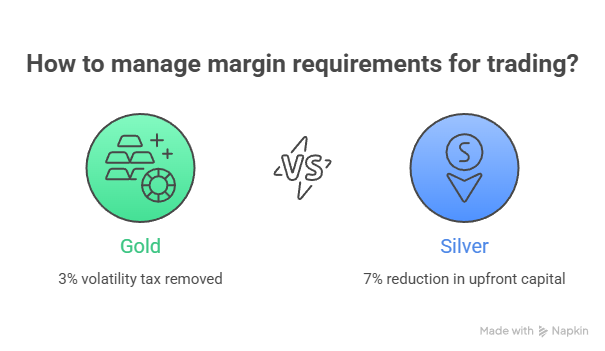
- Gold: Traders no longer face the 3% “volatility tax.”
- Silver: The more volatile sibling sees a significant 7% reduction in required upfront capital.
- Market Impact: The move is expected to boost participation from both hedgers—jewelers looking to lock in prices—and speculative day traders.
Global Echoes
The maneuvers in Mumbai mirror a broader global recalibration. Markets worldwide have been struggling to find a “new normal” for precious metals. Late last month, the CME Group took similar action on Comex gold and silver futures following one of the steepest price declines in decades.
The stabilization in India is particularly crucial as the country remains one of the world’s largest consumers of physical gold. While the domestic market appears to be finding its footing, analysts warn that macroeconomic shifts—particularly regarding emerging market ETF inflows—could still trigger fresh turbulence.



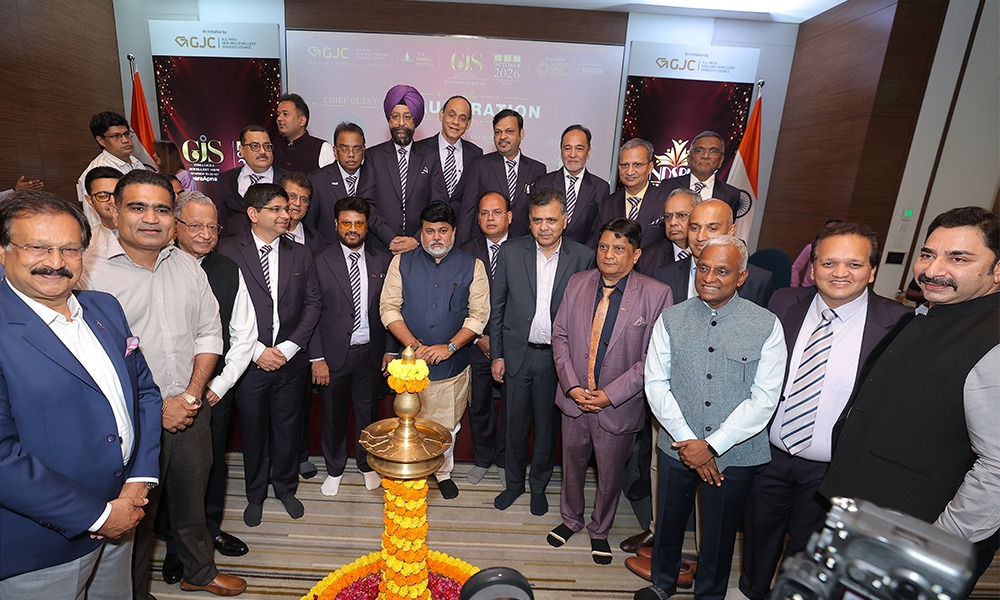
The All India Gem & Jewellery Domestic Council (GJC) successfully concluded the landmark 10th edition of the India Gem & Jewellery Show (GJS 2026 Diwali Edition), celebrated as #HumaraApnaShow, at the Jio World Convention Centre, Mumbai. From October 2–4, 2026, the exhibition reaffirmed its position as India’s most premium B2B jewellery platform, bringing together over 400 exhibitors, 700+ booths, and thousands of buyers and industry leaders from across India and abroad.
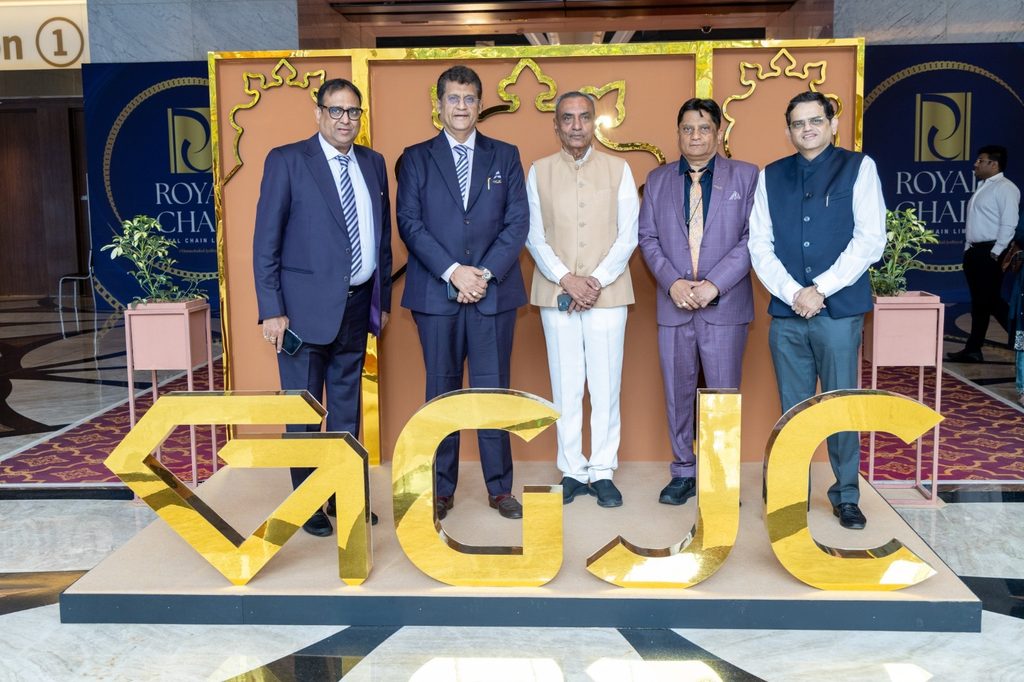
The show began on October 1, 2026, with the Elite Family Jewellers Meet & Business Workshop, led by India’s leading business coach Rahul Jain, designed exclusively for jewellery business owners and their families. The workshop provided participants with strategies on growth, profitability, leadership, and customer acquisition, setting the stage for an enriching exhibition.
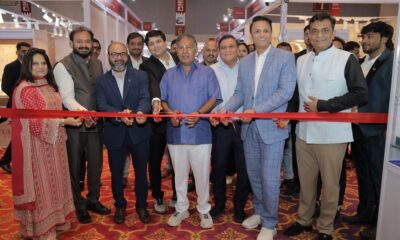
The show was inaugurated on October 2, 2026, by Chief Guest Shri Uday Samant Ji, Cabinet Minister for Industries and Marathi Language, Government of Maharashtra, who lauded GJS as a platform that reflects the strength, creativity, and resilience of India’s jewellery industry. He emphasized Maharashtra’s role as a hub for trade and craftsmanship, noting that GJS showcases how tradition and innovation can come together to drive growth. His words set the tone for an inspiring edition that celebrated both heritage and modernity.
Guest of Honour Srinivas Injeti, Chairman NSE and Chairman of the board IAGES, Mahesh Jain, President, UP Sarafa Association, and Special Guest Rajiv Jain, Chairman, Jaipur Jewelley Show along with members of the GJC Committee of Administration and other senior industry leaders, underscoring the collective strength and unity of India’s jewellery fraternity.
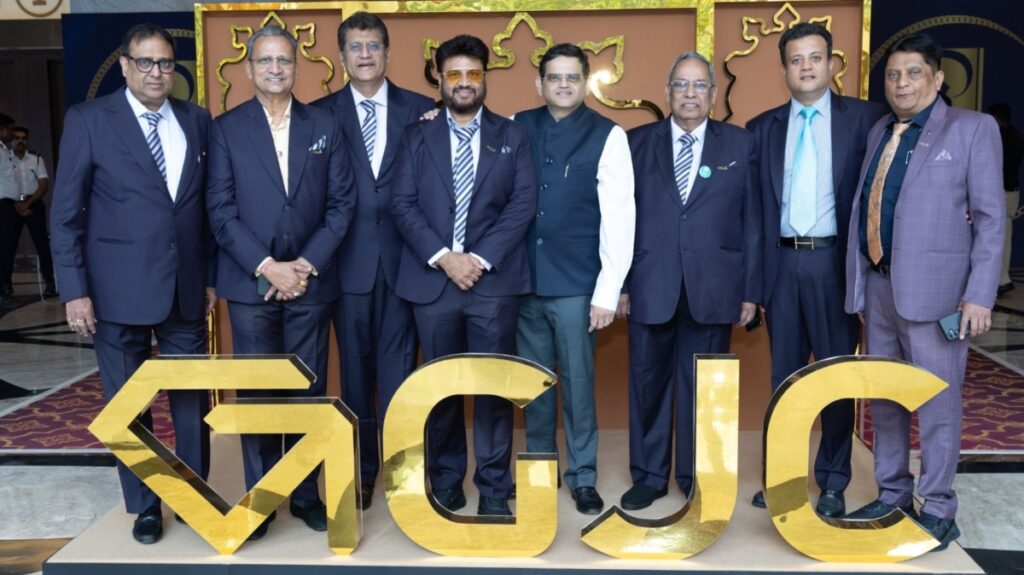
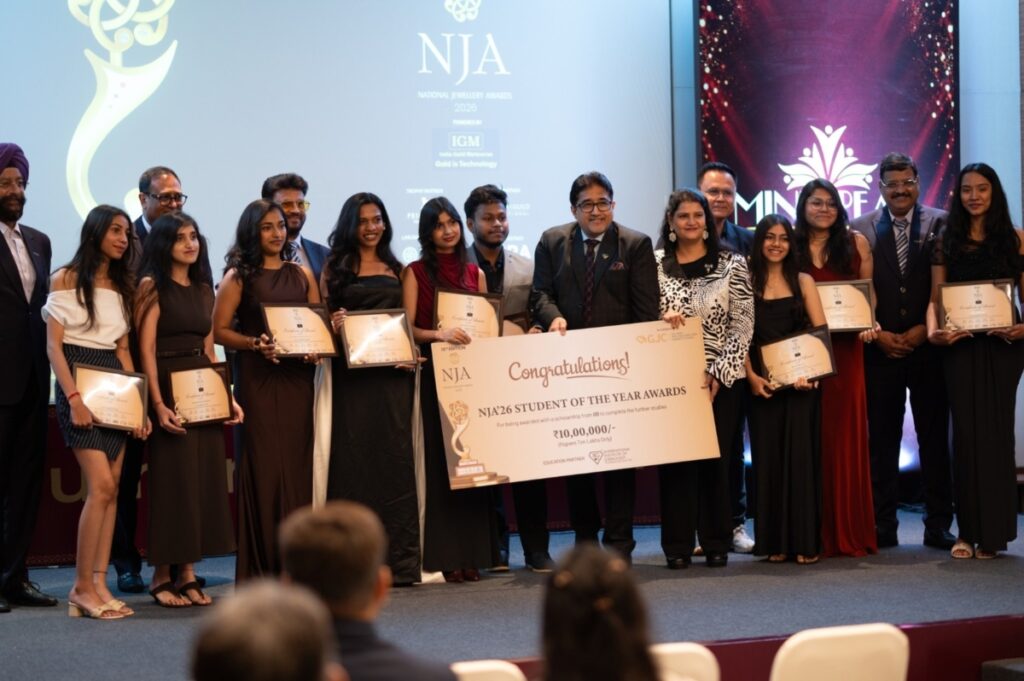
On October 3, the prestigious National Jewellery Awards (NJA) 2026, presented by the World Gold Council and powered by India Gold Metaverse, honoured excellence across categories. The evening was graced by Bollywood star Sonakshi Sinha, who presented awards to the winners, adding glamour and recognition to the industry’s most coveted celebration.
Throughout the three days, GJS hosted MindSpeak Seminars, covering diverse topics across all aspects of the jewellery business — from sustainable practices and digital transformation to consumer trends, family business strategies, and the growing role of Artificial Intelligence (AI) in design, retail, and customer engagement. These sessions empowered jewellers with insights to adapt to evolving market dynamics and embrace technology-driven growth.
The exhibition also showcased exclusive collections ranging from lightweight contemporary designs to heritage-inspired masterpieces, lab-grown diamond innovations, and couture jewellery.
Rajesh Rokde, Chairman of GJC, said:
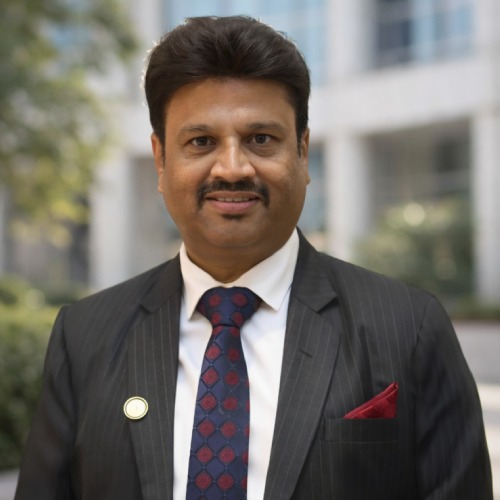
“The successful conclusion of the 10th edition of GJS is a proud moment for India’s jewellery industry. From the grand inauguration led by Shri Uday Samant Ji to the NJA awards presented by Sonakshi Sinha, this edition has set new benchmarks in innovation, networking, and business growth. The record sales figures highlight the resilience of our industry and the trust consumers place in Indian craftsmanship.”
Avinash Gupta, Vice Chairman of GJC, remarked:
“GJS2026 has proven to be the ultimate sourcing destination for jewellers nationwide. The strong participation, exclusive collections, and vibrant sales reflect the industry’s ability to balance heritage with modernity. The NJA awards further reinforced the industry’s credibility by honouring talent and innovation, making this edition truly memorable.”
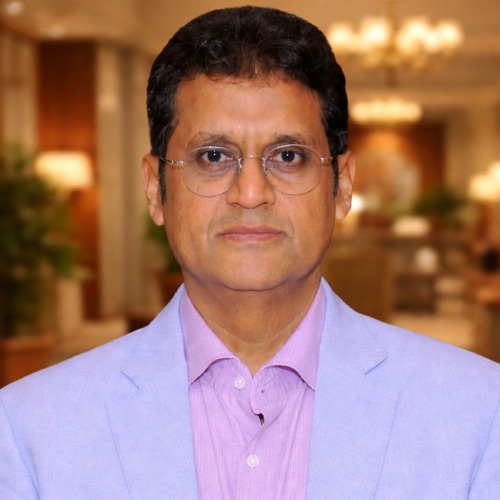
Saiyam Mehra, Convenor of GJS and GJC NEXTGEN and Past Chairman of GJC, added:
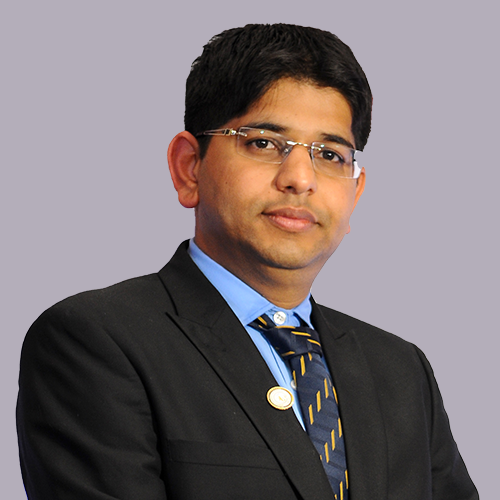
“This edition of GJS was more than an exhibition—it was a celebration of resilience, creativity, and opportunity. As Convenor of GJS, I am proud to see how these platforms together showcased innovation, honoured excellence, and inspired the industry to embrace the future with confidence. The seminars, awards, and unique showcases have strengthened our collective vision for India’s jewellery sector as a global hub of excellence.”
The 10th edition of GJS concluded with resounding success, leaving behind a legacy of innovation, collaboration, and celebration that will continue to inspire the jewellery industry in the years to come.
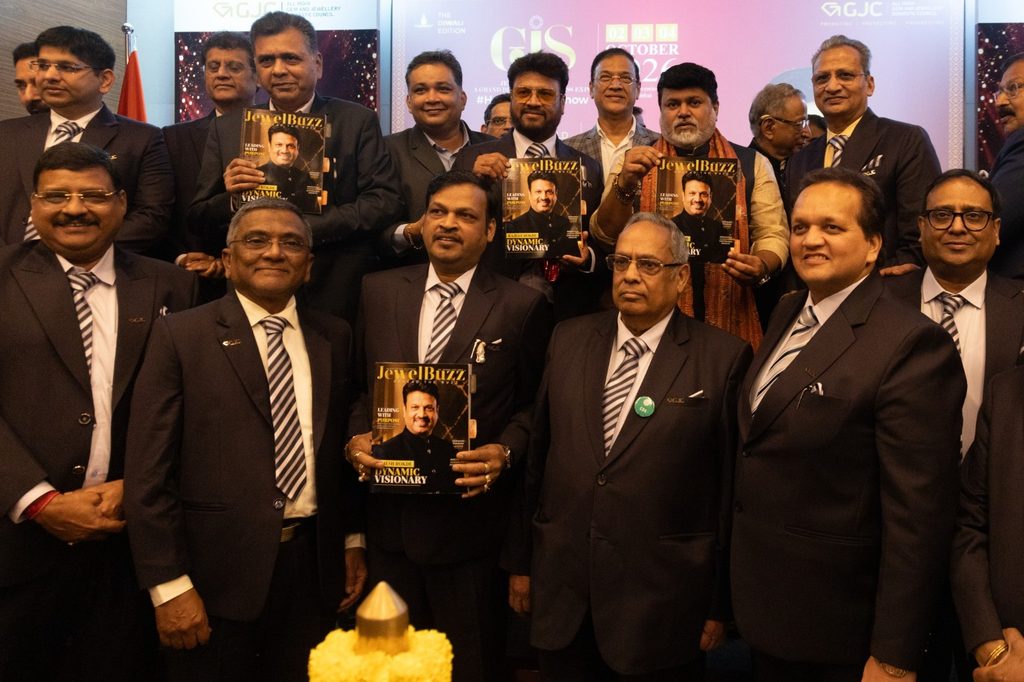
Uday Samant, Cabinet Minister for Industries and Marathi Language, Government of Maharashtra, unveiled the JewelBuzz GJS Diwali Edition Special Issue, featuring Rajesh Rokde, Chairman, GJC, on the cover.


GJS 2026 Diwali Edition Concludes On A High Note With Record Sales

GJEPC Launches UNNATI: Powering Women In GJ Sector To Drive Industry Growth Towards Viksit Bharat

Divine Solitaires and SGL Launch The Know Your Diamond Zone At GJS Diwali Edition 2026
GJEPC Launches UNNATI: Powering Women In GJ Sector To Drive Industry Growth Towards Viksit Bharat
Divine Solitaires and SGL Launch The Know Your Diamond Zone At GJS Diwali Edition 2026

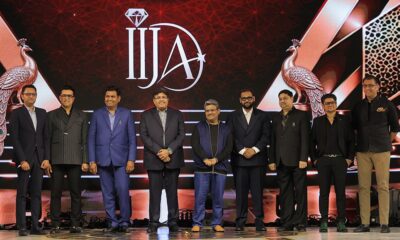
Titan, Kalyan, Malabar, Senco and Indriya Lead 54 Champions Crowned At The First India International Jewellery Awards
-
 National News6 hours ago
GJEPC Launches UNNATI: Powering Women In GJ Sector To Drive Industry Growth Towards Viksit Bharat
-
 National News6 hours ago
Divine Solitaires and SGL Launch The Know Your Diamond Zone At GJS Diwali Edition 2026
-

 National News7 hours ago
KEYA By Adbhut Brings Wearable Art and Indian Craftsmanship To Delhi Art Weekend 2026
-
 National News10 hours ago
Titan, Kalyan, Malabar, Senco and Indriya Lead 54 Champions Crowned At The First India International Jewellery Awards