
National News
Massive gold traces found in Jabalpur after years of exploration
Survey in Mahangwa region reveals gold spread over 100 hectares, potential reserves in lakhs of tonnes Years of exploration in Jabalpur’s Mahangwa region have led to the discovery of significant gold traces, with experts estimating massive reserves across 100 hectares.


Madhya Pradesh is already India’s No. 1 state for diamonds, but now it’s making headlines for gold. Geologists believe there’s a strong possibility of gold deposits in Jabalpur, sparking excitement across the city.Survey in Mahangwa region reveals gold spread over 100 hectares, potential reserves in lakhs of tonnes Years of exploration in Jabalpur’s Mahangwa region have led to the discovery of significant gold traces, with experts estimating massive reserves across 100 hectares.
Excitement is running high in parts of Jabalpur district after experts confirmed the presence of gold traces between Bela and Binaika villages in Sihora tehsil. The results follow years of sampling and exploration in the Mahangwa region of Sihora tehsil, an area already well-known for its massive iron and manganese reserves.
For the past several weeks, geological teams had been conducting detailed soil sampling and excavation in the targeted zone. These efforts have now yielded evidence of tiny gold particles along with other metals. According to preliminary survey data, the gold-bearing zone covers nearly 100 hectares, and specialists predict that the quantity of gold might reach lakhs of tonnes.
Local residents have gathered in large numbers to witness the ongoing work, with many hopeful about the economic opportunities such a discovery could bring. Officials have indicated that detailed geological surveys and feasibility studies will follow before any extraction process begins, in compliance with mining and environmental regulations. If confirmed, the find could transform Jabalpur into one of India’s most mineral-rich regions, significantly boosting Madhya Pradesh’s mining sector and the broader Indian mineral economy.






National News
Tradition Meets Everyday Style: Mangalsutras For Karva Chauth From Candere By Kalyan Jewellers
Candere by Kalyan Jewellers reimagines the traditional mangalsutra with contemporary designs for festive celebrations and everyday wear

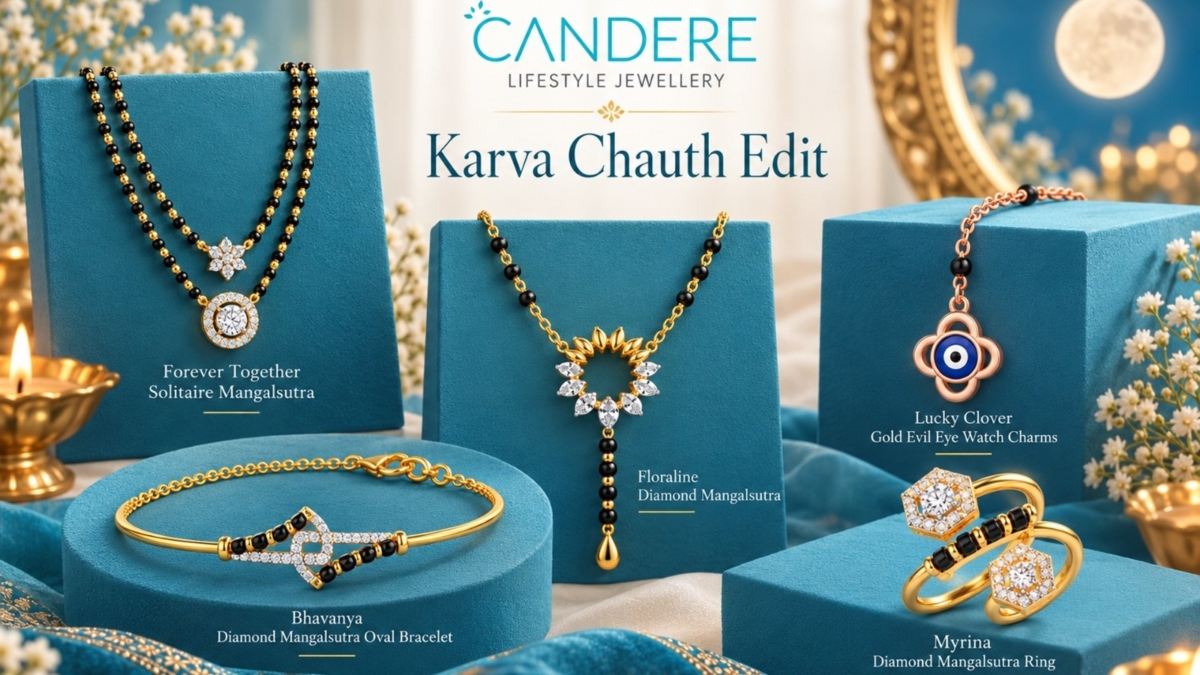
Karva Chauth brings together cherished rituals, festive dressing and the celebration of love and togetherness. For many women, the mangalsutra holds a special place in the occasion—a symbol of marriage and commitment, chosen with care and worn with meaning.
While its significance remains rooted in tradition, its designs continue to evolve. Alongside classic necklaces, diamond mangalsutras, rings and bracelets offer contemporary ways to wear this familiar symbol, bringing personal style to a treasured piece of jewellery.
This Karva Chauth, Candere by Kalyan Jewellers presents a curated selection of mangalsutras spanning classic and contemporary designs. From delicate necklaces to distinctive ring and bracelet styles, the edit offers pieces that complement festive ensembles and can become part of an everyday jewellery wardrobe.
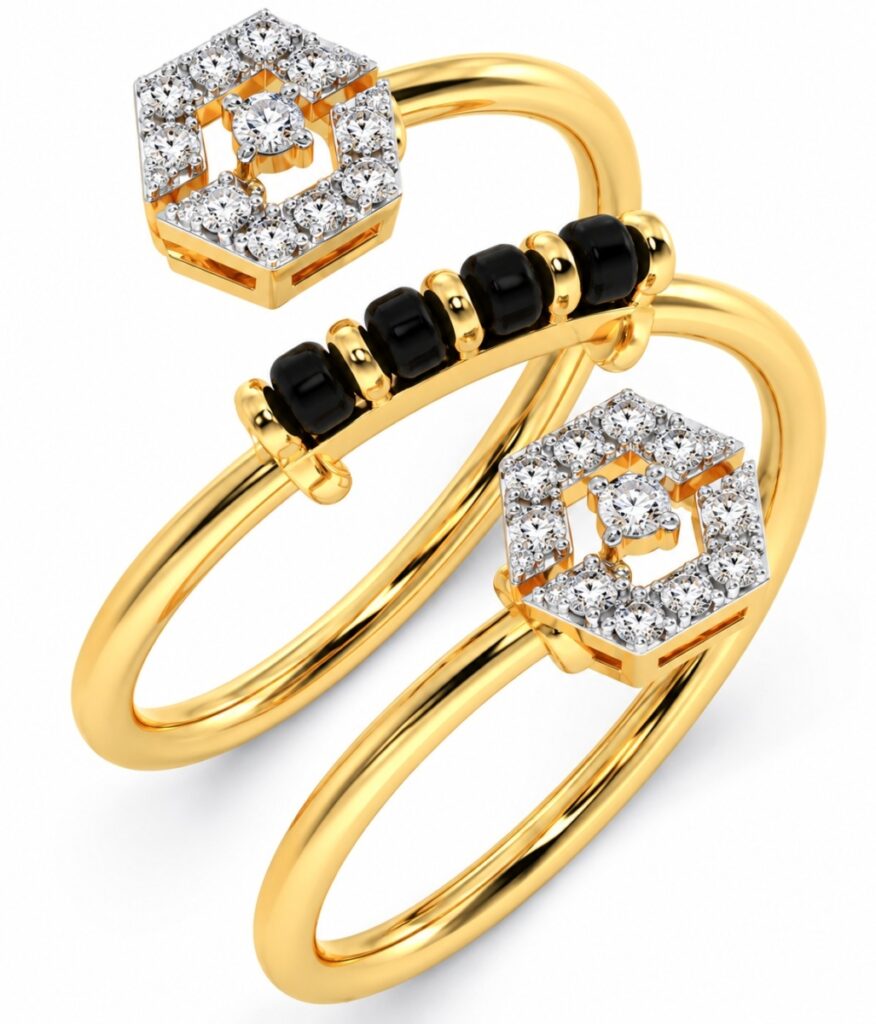
Myrina Diamond Mangalsutra Ring Taking the mangalsutra beyond the traditional necklace, the Myrina Diamond Mangalsutra Ring offers a modern way to carry its symbolism on the hand. The design combines the familiar aesthetic of a mangalsutra with the everyday ease of a ring, making it a subtle choice for women who prefer contemporary jewellery.
Wear it on its own as a meaningful statement or pair it with delicate gold or diamond bands for a layered ring look. It is an understated way to bring the sentiment of Karva Chauth into everyday styling.
Bhavanya Diamond Mangalsutra Oval Bracelet For women who prefer their mangalsutra to be understated yet distinctive, the Bhavanya Diamond Mangalsutra Oval Bracelet offers a contemporary wrist-wear interpretation. The design brings the traditional essence of a mangalsutra into a bracelet silhouette, making it a practical alternative to the conventional necklace while retaining its symbolic character.
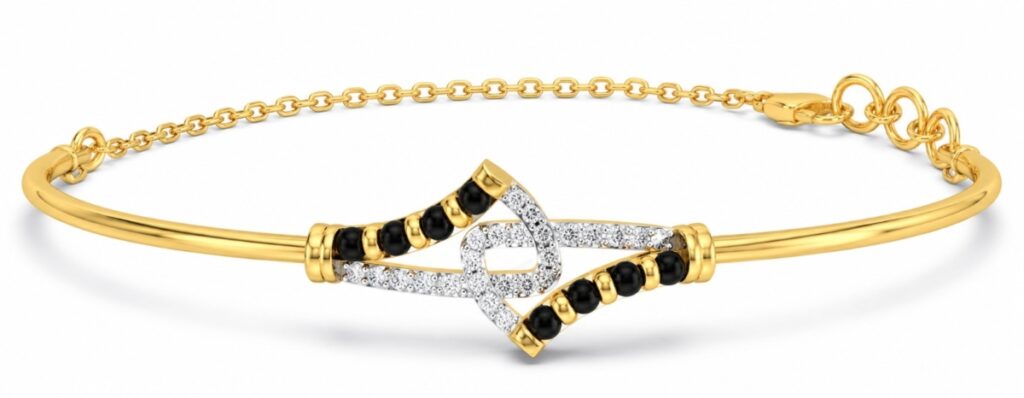
Style it with slim gold bangles or delicate bracelets for a festive layered look or wear it on its own for a more minimal expression.

Lucky Clover Gold Evil Eye Watch Charms Bringing a contemporary twist to a familiar mangalsutra detail, the Lucky Clover Gold Evil Eye Watch Charms feature black beads alongside a lucky clover and evil eye motif. The combination brings together the traditional character of mangalsutra-inspired jewellery with a modern, personalised accessory designed for everyday wear.
Accessorize the charm with a watch to introduce the familiar, black-beaded detail in a more contemporary way, or pair it with other jewellery for a subtle festive look.
Floraline Diamond Mangalsutra Delicate and feminine, the Floraline Diamond Mangalsutra brings a contemporary touch to the traditional mangalsutra silhouette. Crafted in 14K yellow gold, the design features a floral-inspired diamond motif that adds a subtle element of sparkle while keeping the overall look refined.
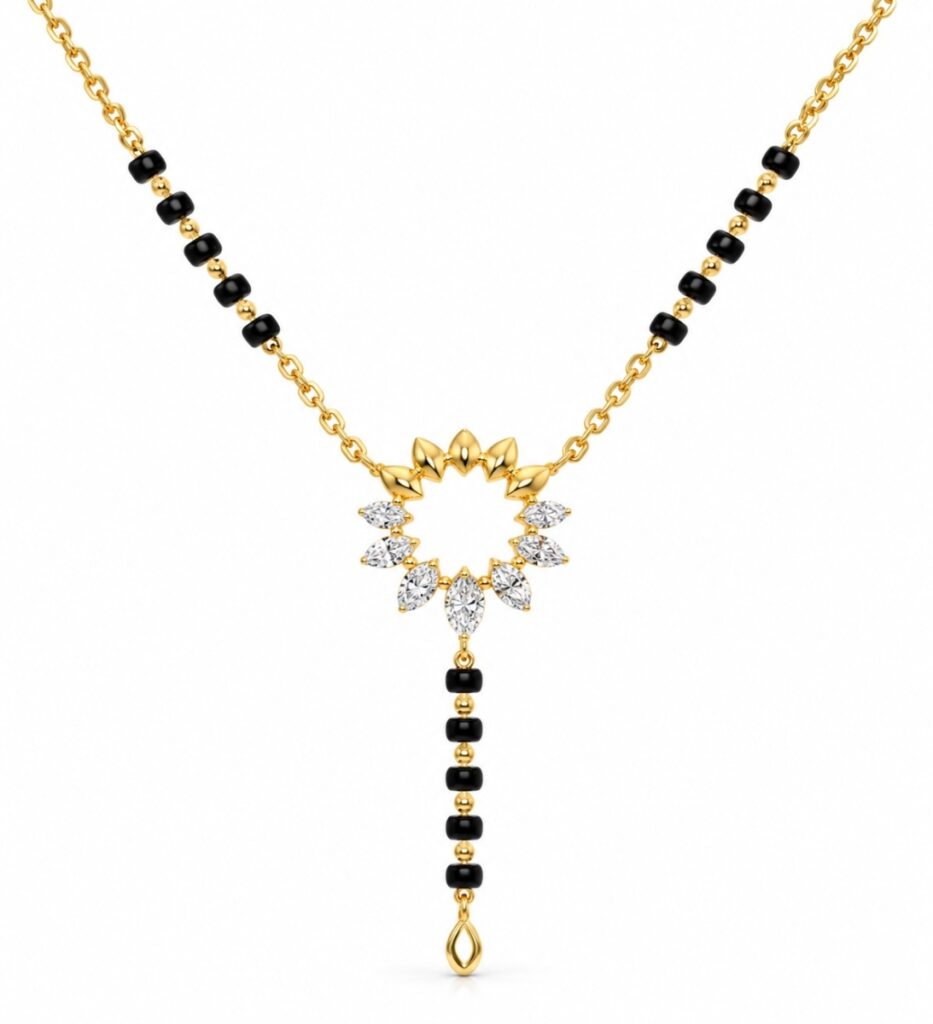
Its minimalist character makes it an elegant choice for women who prefer their festive jewellery to feel sophisticated without being overwhelming.
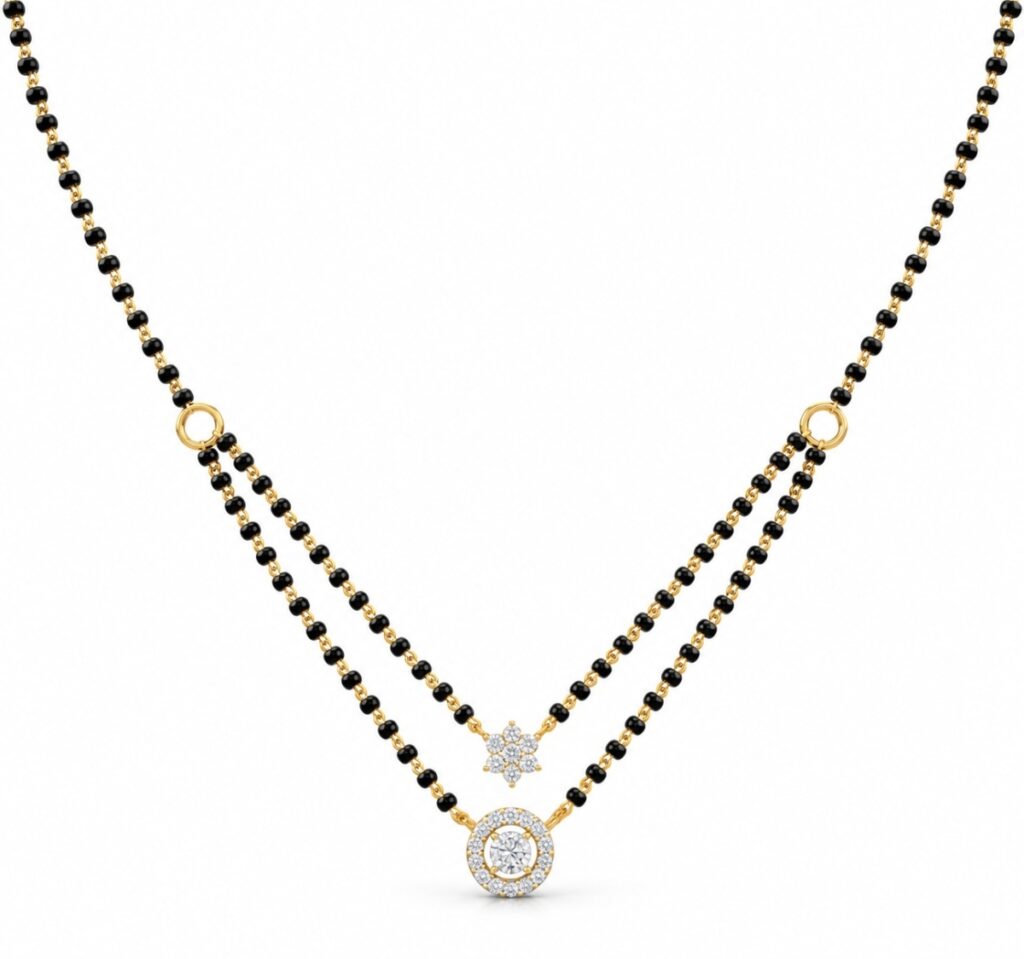
Forever Together Solitaire Mangalsutra For a contemporary take on the traditional mangalsutra, the Forever Together Solitaire Mangalsutra pairs a classic silhouette with the understated brilliance of a solitaire diamond.
Its clean design makes it especially suited to the growing trend of layered jewellery, allowing the mangalsutra to become part of a more personalised, modern stack. Layer it with fine gold chains of varying lengths for a fashion-forward festive look or wear it on its own when you want the solitaire to stand out.



GIVA Is Bringing Diwali To Silver

Tradition Meets Everyday Style: Mangalsutras For Karva Chauth From Candere By Kalyan Jewellers

So/Facet Raises ₹10 Crore Led By Sauce To Build The Diamond Brand That Young India Has Been Missing
So/Facet Raises ₹10 Crore Led By Sauce To Build The Diamond Brand That Young India Has Been Missing

BHIMA Jewellery Receives Prestigious IAGES Accreditation

JGP Jewellers Opens Its 26th Store In Nipani, Marking Its Entry Into Karnataka
-
 National News18 hours ago
So/Facet Raises ₹10 Crore Led By Sauce To Build The Diamond Brand That Young India Has Been Missing
-
 National News20 hours ago
BHIMA Jewellery Receives Prestigious IAGES Accreditation
-
 New Premises1 day ago
JGP Jewellers Opens Its 26th Store In Nipani, Marking Its Entry Into Karnataka
-

 JB Insights19 hours ago
Festive & Wedding Season Trade Outlook: Resilience, Innovation, and Growth
