
DiamondBuzz
LGDs dominate engagement ring segment, 239% increase since 2020: The Knot
Price stability may unlock deferred demand, while investment demand persists and wedding-related purchases support jewellery sales.

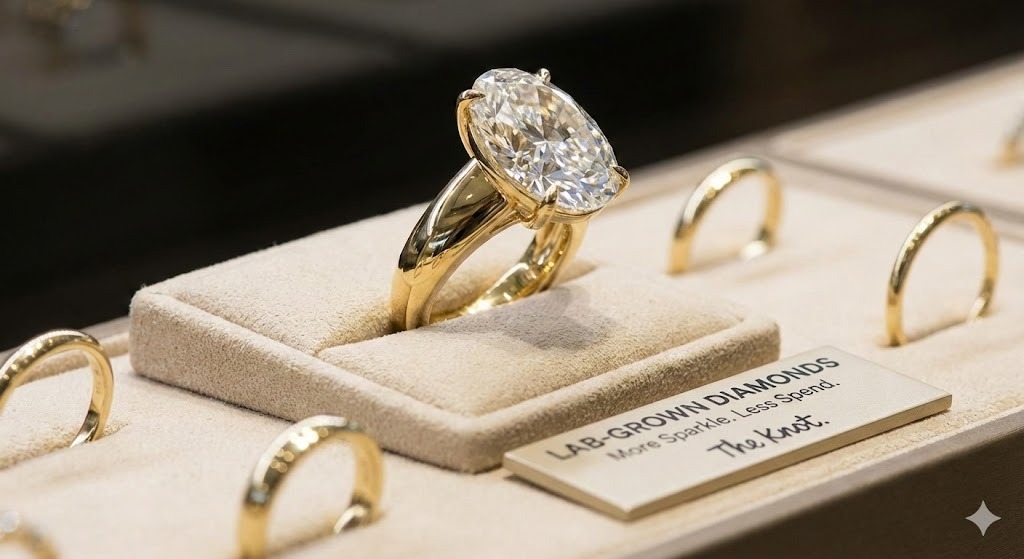
The traditional diamond industry just got a serious wake-up call. According to the latest data from The Knot, 2025 marked the official “takeover” of lab-grown diamonds in the engagement ring market. Couples are ditching the natural pipeline in favor of LGD stones that offer more sparkle for fewer dollars.
Here is the breakdown of how the engagement ring landscape shifted over the last year.
The Lab-Grown Revolution
The numbers don’t lie: synthetic stones are no longer a “budget alternative”—they are the primary choice.
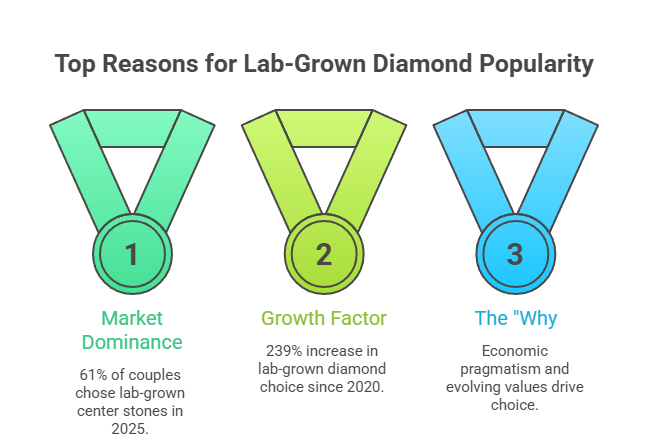
- Market Dominance: 61% of couples chose a lab-grown center stone in 2025.
- The Growth Factor: That’s a staggering 239% increase since 2020.
- The “Why”: It’s a mix of economic pragmatism and evolving values. In fact, 40% of buyers specifically sought out lab-grown stones for ethical or personal reasons.
Spending vs. Size: The Great Trade-Off
While couples are spending less on average, they are walking away with much bigger rocks.
| Feature | Lab-Grown (Avg) | Natural Diamond (Avg) |
| Average Cost | $4,300 | $7,000 |
| Carat Size | 2.0 cts | 1.6 cts |
| Top Shape | Oval | Round |
Bottom Line: The average total spend on rings dropped from $5,200 in 2024 to $4,600 in 2025, yet the average stone size grew from 1.7 to 1.9 carats. Essentially, couples are getting “more for less.”
Style Trends: Yellow Gold is Back
It’s not just about the stone; the “look” of the ring is evolving too.
- Metal Magic: Yellow gold is the undisputed champion at 39% demand (a 140% jump over five years), while white gold continues to lose its luster.
- The Silhouette: Solitaire settings remain the top pick (38%), emphasizing the “big stone” aesthetic.
- Shape Shifters: While Round is still the #1 shape overall (26%), Ovals are hot on its heels at 25%. Emerald, princess, pear, and marquise shapes follow behind at 8% each.
- The Personal Touch: 90% of couples opted for custom designs or edits—the “cookie-cutter” ring is officially out.
The Shopping Experience: High-Tech Stones, Old-School Service
Despite the rise of lab-grown tech, couples still want a “main street” experience.
- In-Person Preference: Over 50% of couples say shopping in person is a must.
- The Hunt: On average, proposers visit two retailers and look at 10 different rings before pulling the trigger.
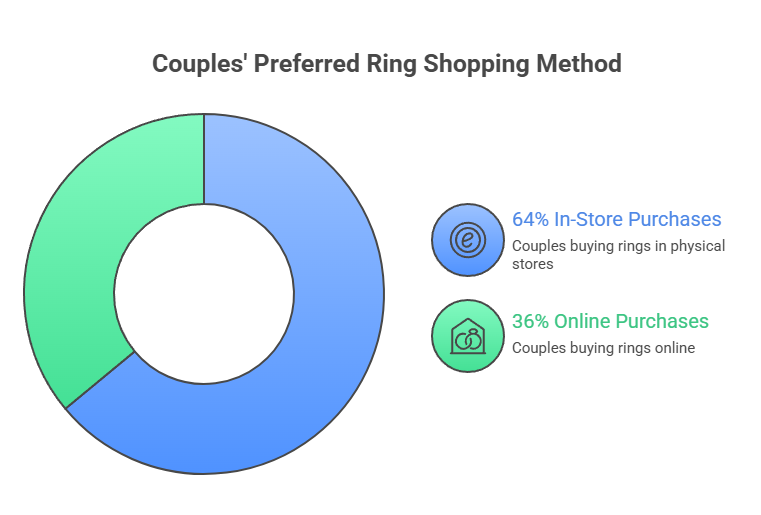
- Final Click vs. Handshake: 64% of purchases were made in-store, with only one-third of couples buying online.


DiamondBuzz
Botswana Looks Beyond Rough Diamond Sales, Eyes U.S. Jewelry Market
The Duty Exemption By US Presents An Opportunity For Domestic Jewelry Manufacturers In Gaborone To Bypass Traditional Middle-Market Hubs and Establish A Direct Pipeline To American Consumers

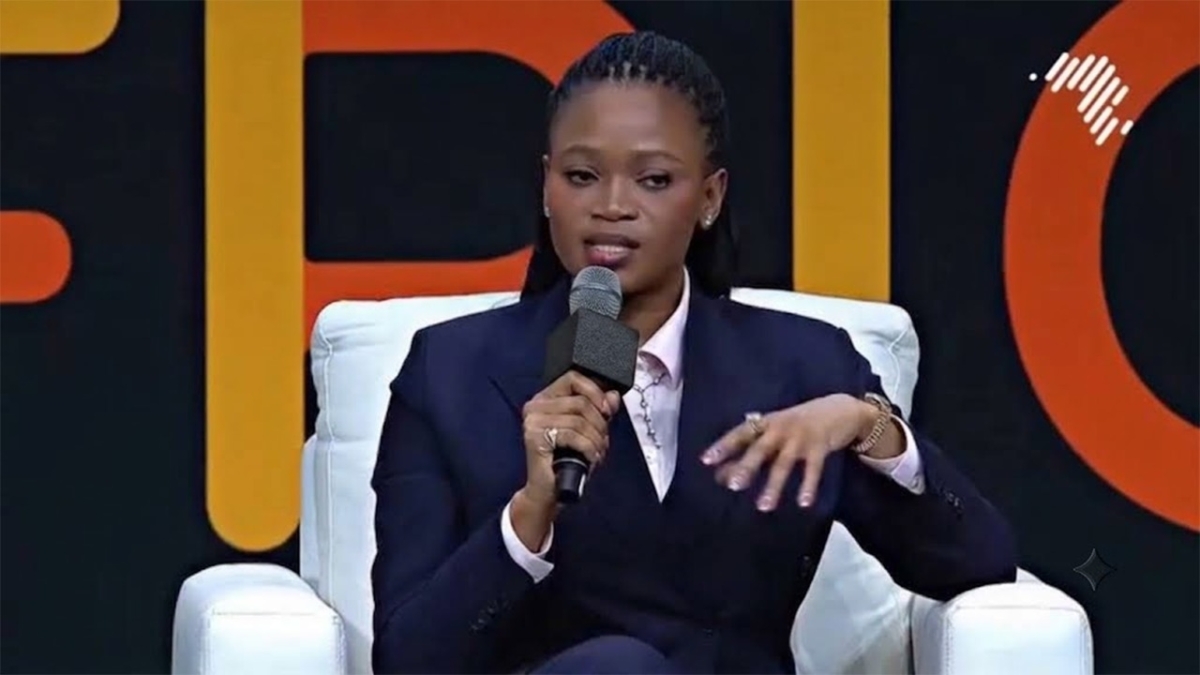
Grappling with a painful downturn in global rough-diamond demand, Botswana is pivoting its economic strategy: expanding up the supply chain directly into American retail shelves while leveraging its resource wealth to fund conservation and diversification.
Speaking on the sidelines of New York Climate Week, Bogolo Joy Kenewendo, Botswana’s Minister of Minerals and Energy, highlighted the southern African nation’s plan to capitalize on a 0% import-tariff rate to the U.S. market. The duty exemption presents an opportunity for domestic jewelry manufacturers in Gaborone to bypass traditional middle-market hubs and establish a direct pipeline to American consumers.
shift The push into value-added manufacturing comes as the world’s top diamond producer by value navigates a broader structural Diamond revenues have long formed the bedrock of Botswana’s post-independence balance sheet, underwriting universal secondary education and tuition-free university funding. However, recent market volatility has underscored the vulnerabilities of a mono-sectoral economy.
Under the Botswana Economic Transformation Programme (BETP)—an initiative spearheaded directly by President Duma Boko and his vice president—the government is directing resources toward manufacturing, agriculture, and broader mining sectors to reduce its heavy reliance on rough diamond sales.
To support its luxury exports, Botswana is recalibrating its brand narrative around origin, environmental stewardship, and social impact. The country recently announced a five-year extension of the “Okavango Eternal” partnership alongside De Beers Group and the National Geographic Society. The initiative aims to protect the ecological integrity of the Okavango River Basin while tying diamond purchases to conservation efforts.
With De Beers currently facing an impending ownership change, officials remain optimistic that any capital restructuring could bring additional funds into Botswana to accelerate its domestic economic transition.



GJS 2026 Diwali Edition Concludes On A High Note With Record Sales

GJEPC Launches UNNATI: Powering Women In GJ Sector To Drive Industry Growth Towards Viksit Bharat

Divine Solitaires and SGL Launch The Know Your Diamond Zone At GJS Diwali Edition 2026
GJEPC Launches UNNATI: Powering Women In GJ Sector To Drive Industry Growth Towards Viksit Bharat

KEYA By Adbhut Brings Wearable Art and Indian Craftsmanship To Delhi Art Weekend 2026
Divine Solitaires and SGL Launch The Know Your Diamond Zone At GJS Diwali Edition 2026
-
 National News17 hours ago
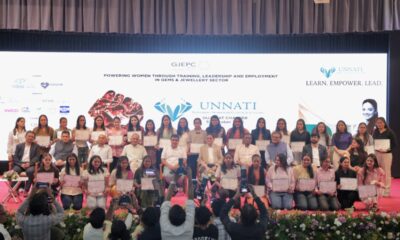
GJEPC Launches UNNATI: Powering Women In GJ Sector To Drive Industry Growth Towards Viksit Bharat
-
 National News18 hours ago
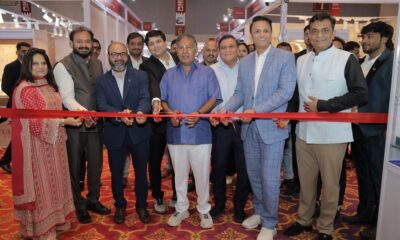
Divine Solitaires and SGL Launch The Know Your Diamond Zone At GJS Diwali Edition 2026
-
 National News19 hours ago
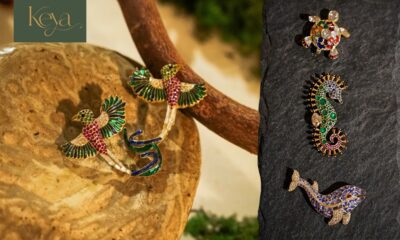
KEYA By Adbhut Brings Wearable Art and Indian Craftsmanship To Delhi Art Weekend 2026
-
 National News21 hours ago
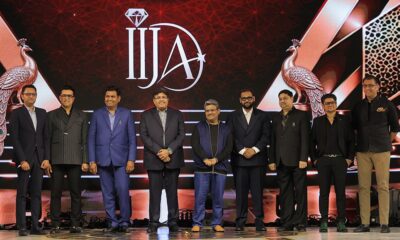
Titan, Kalyan, Malabar, Senco and Indriya Lead 54 Champions Crowned At The First India International Jewellery Awards
