

JB Insights
Legor’s 3D Metal Binder Jetting technology is revolutionizing metal additive manufacturing
Entry of US$25 bn in Chinese insurance funds into the gold market


Legor Group SPA, based in Vicenza, Italy, has over forty years of experience in creating high-quality metal alloys and solutions for the jewellery, luxury, and fashion industries. Building on this expertise, Legor launched the 3D Metal Hub-a center dedicated to experimenting with and producing both precious and non-precious metal components using advanced 3D Metal Binder Jet technology. This tech is promoting a new way of creating jewellery and fashion accessories by exploiting the full potential of metal additive manufacturing.
Legor 3D Metal Hub
The Legor 3D Metal Hub is an innovative facility where progress, innovation, and sustainability come together. Its main focus is to use 3D Metal Binder Jetting (BJT) technology to create jewellery, fashion accessories, and industrial parts. This technology allows for the production of complex metal pieces without the need for traditional molds or casting methods.
How 3D Metal Binder Jetting works
The process involves several key steps:
Printing: Ultra-fine metal powder (such as stainless steel AISI 316L) is spread in thin layers. A liquid binder is selectively applied to each layer based on a digital 3D model, bonding the powder where needed.
Curing: The printed object is gently heated to harden the binder, forming a fragile “green” part that holds its shape but is not yet strong.
Sintering: The part is heated in a special oven. The binder evaporates, and the metal particles fuse together, creating a solid metal piece. The part is then cooled carefully to avoid cracks.
Advantages over traditional methods
Legor’s 3D Metal Jet Printing offers several benefits compared to traditional investment casting:
No combustion: The process does not burn waxes or resins, nor does it use gypsum, making it cleaner and more environmentally friendly.
Sustainability: Leftover metal powder can be reused, resulting in zero material waste.
Design Freedom: Designers can create intricate, hollow, or interlocking shapes that would be difficult or impossible with traditional methods. No molds or support structures are needed, allowing for quick prototyping and custom designs.
Efficiency: Multiple different pieces can be printed at once, speeding up production and reducing costs, especially for small or custom runs.
Materials and Applications
Currently, Legor uses materials like stainless steel (AISI 316L), bronze, silver, and platinum, with plans to expand into gold alloys. This technology is ideal for the jewellery and fashion sectors, but also has potential for broader industrial applications.
Impact on the Industry
By introducing the 3D Metal Hub, Legor Group is leading the way in sustainable, precise, and innovative metal manufacturing. The company encourages designers and manufacturers to rethink how jewellery and accessories are made, pushing creative boundaries and supporting a more sustainable future for the industry.Legor’s 3D Metal Hub is transforming metal design and production, offering a greener, faster, and more flexible alternative to traditional methods, and opening up new possibilities for both established and emerging designers.





Education
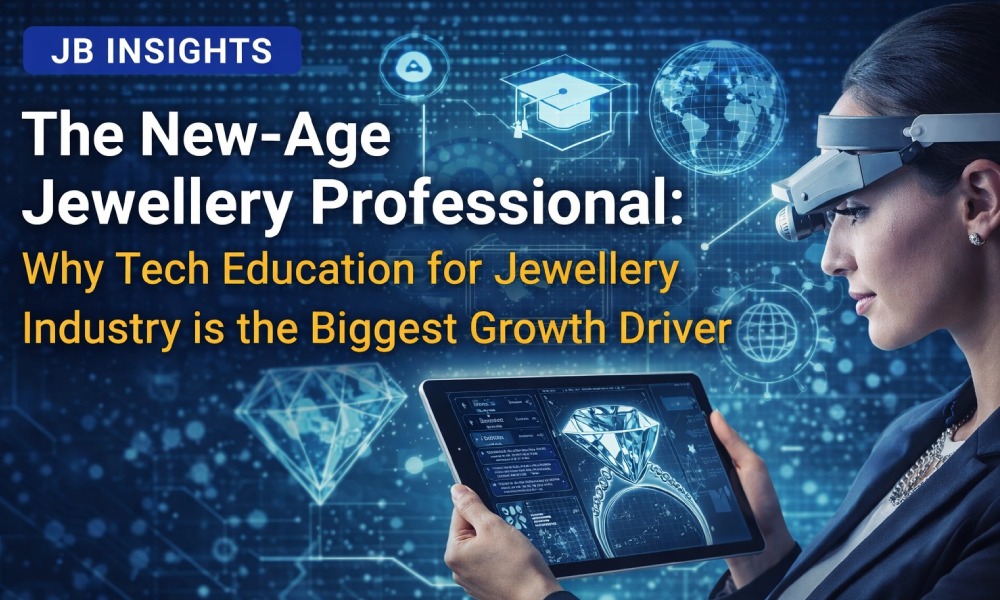
The New-Age Jewellery Professional: Why Tech Education for Jewellery Industry is the Biggest Growth Driver
#JbExclusive
The jewellery industry is no longer defined by craftsmanship alone. Today, it sits at the intersection of design, technology, sustainability, finance, branding, and global trade. As consumer expectations evolve and competition intensifies, structured education and continuous skill development are emerging as the most powerful growth catalysts for the sector.
For a dynamic industry like India’s jewellery market, education is not optional — it is strategic.
From Karigar to Knowledge Professional
For decades, the backbone of the industry has been generational craftsmanship. While this legacy remains invaluable, modern jewellery businesses now demand professionals who understand:
- Gemology and diamond grading
- CAD and 3D jewellery design
- Retail management and consumer psychology
- Digital marketing and brand storytelling
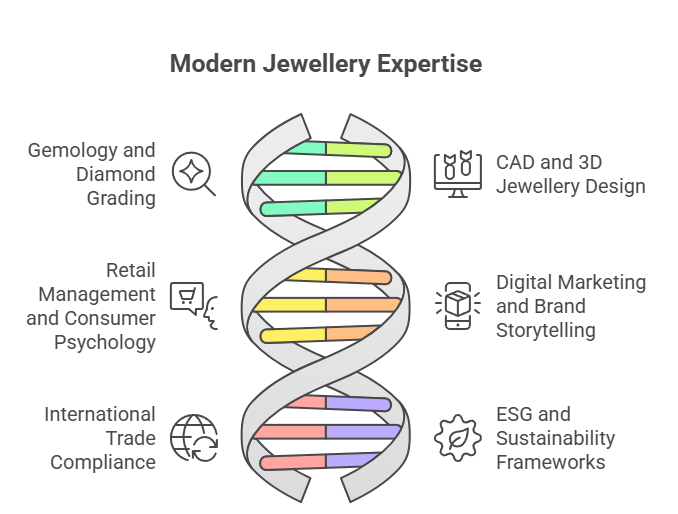
- International trade compliance and tariffs
- ESG and sustainability frameworks
Institutions such as the Gemological Institute of America and the Indian Institute of Gems and Jewellery have played a key role in formalising education pathways, helping transform traditional artisans and retailers into globally competitive professionals.
Trend Watch: Rise of Tech-Integrated Learning
One of the strongest education trends shaping the industry is technology integration.
- CAD & CAM Training: Digital prototyping reduces costs and speeds up product development cycles.
- AI in Retail Forecasting: Data-driven inventory planning is replacing intuition-based buying.
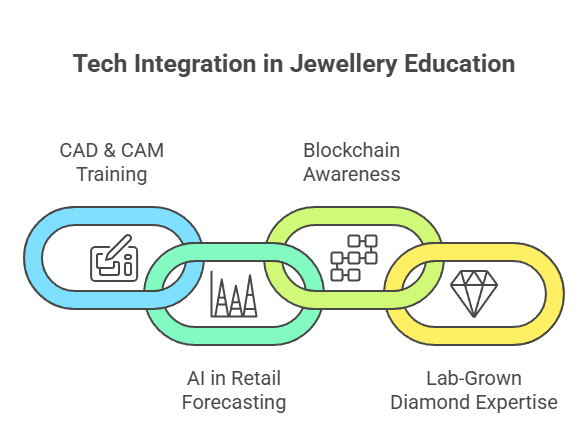
- Blockchain Awareness: Traceability in diamonds and coloured gemstones is becoming a compliance requirement rather than a luxury.
- Lab-Grown Diamond Expertise: As lab-grown diamonds gain market share, understanding grading, pricing dynamics, and consumer positioning has become critical.
Educational programs now increasingly blend online modules with hands-on workshops, enabling faster upskilling for working professionals.
The Bridal Economy & Consumer Education
India’s bridal jewellery segment continues to drive demand, but the modern bride is informed and research-oriented. She compares:
- Natural vs lab-grown diamonds
- Hallmarking standards
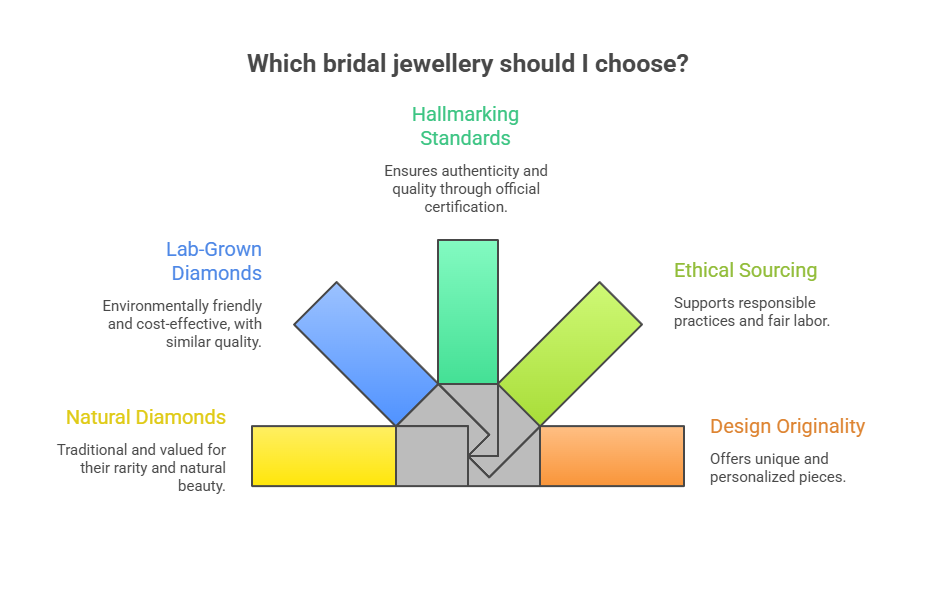
- Ethical sourcing claims
- Design originality
Retailers who invest in staff education see higher trust conversion rates. Well-trained sales professionals are no longer “salespeople” — they are consultants guiding life-defining purchases.
Financial Literacy in Jewellery
Another emerging area is financial education within the industry itself. With gold functioning as both adornment and asset, professionals must understand:
- Gold monetisation frameworks
- Hedging strategies
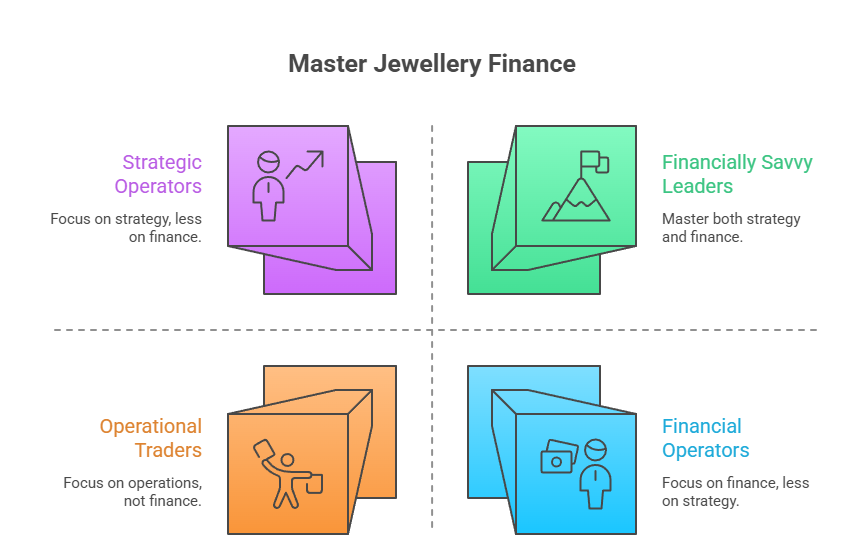
- Commodity price cycles
- Working capital management
Structured knowledge helps businesses move from being inventory-heavy traders to strategically managed enterprises.
Sustainability & Responsible Sourcing
Global buyers increasingly demand proof of ethical sourcing and environmental compliance. Education around responsible mining practices, supply-chain transparency, and ESG reporting is becoming central to export competitiveness.
Industry bodies such as the Gem & Jewellery Export Promotion Council regularly conduct seminars and workshops to align Indian exporters with evolving global standards.
The Future: Hybrid Skills Will Win
The next generation jewellery professional will not be defined by a single skill. The future belongs to those who combine:
- Design sensibility
- Technical expertise
- Business acumen
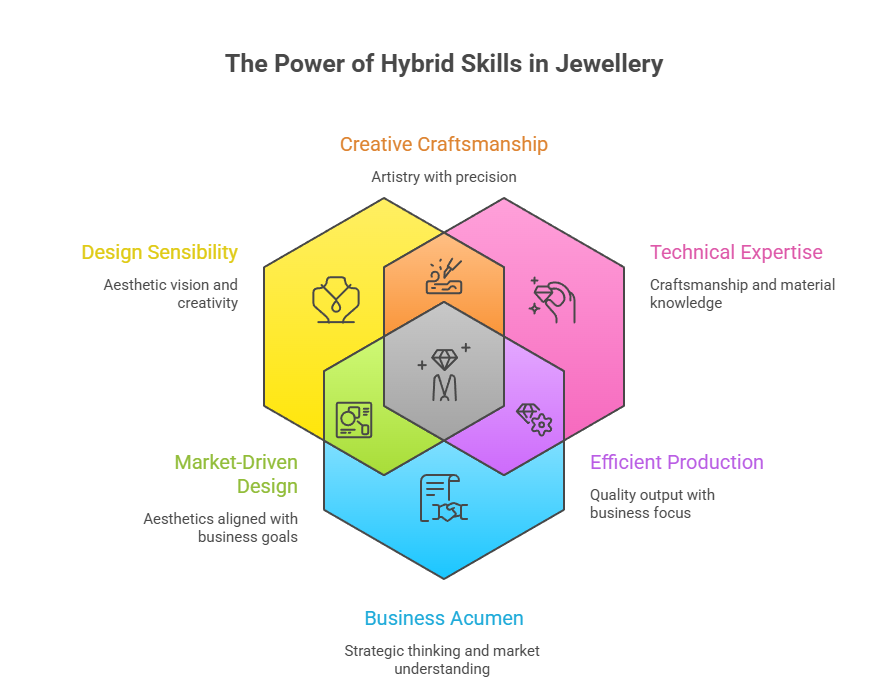
- Digital fluency
- Ethical awareness
For a sector contributing significantly to India’s exports and employment, education is the bridge between heritage and high growth.
Knowledge is the new luxury. As the jewellery industry transitions into a more organised, tech-enabled, and globally integrated ecosystem, continuous learning will determine who leads and who lags. The sparkle of the future will not just come from diamonds — it will come from informed minds shaping the industry.


-
 DiamondBuzz6 hours ago
Botswana Diamonds rebrands as Botswana Minerals PLC
-
 DiamondBuzz6 hours ago
Despite revenue growth in jewellery sector, natural diamond upstream sees stagnation
-
 International News8 hours ago
India Pavilion at HK twin shows showcases exceptional craftsmanship
-

 International News8 hours ago
Gold continues to get strength on the Middle East conflict
