DiamondBuzz
Karowe Mine Feasibility Study Reflects Shifting Market Dynamics
Lower rough values lead to reserve revisions and lobe exclusions at Karowe mine

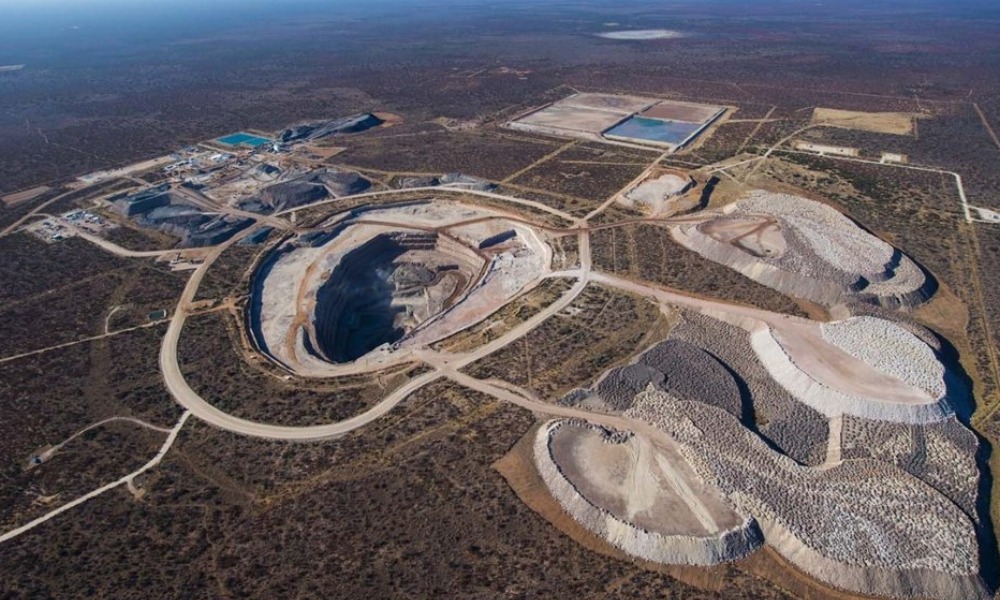
Lucara Diamond Corp.’s latest feasibility study for the Karowe mine in Botswana highlights the impact of softening demand on high-value rough diamonds, with prices declining across key production zones over the past two years.
According to the study conducted in September, rough diamonds from the EM/PK(s) open-pit region of the south lobe were valued at $695 per carat, marking a 16% decline from the $828 per carat recorded in Lucara’s June 2023 feasibility assessment. The M/PK(s) portion experienced a sharper correction, with values falling 26%, from $707 per carat to $520 per carat.
In response to the current pricing environment, Lucara has removed the north and center lobes from the revised study, stating that these areas are no longer economically viable under prevailing market conditions. The two lobes together accounted for approximately 170,000 carats, as outlined in the 2023 study.
The feasibility update also shows a notable reduction in underground reserves at Karowe. Total reserves have declined 30%, from 5.2 million carats in 2023 to 3.7 million carats, reflecting a strategic shift toward prioritising higher-margin mining zones.
Lucara indicated that the revised reserve estimate is largely the result of focusing operations on more profitable areas, as lower rough prices continue to influence mine planning and long-term development strategies.


DiamondBuzz
Richemont and Signet Jewelers Could Join Global Diamond Consortium In Bid For De Beers
Richemont, Signet Would Connect The Consortium To Key Global Growth Vectors Spanning Luxury High Jewelry and Mass-Market Retail.


The Global Diamond Consortium (GDC)
Richemont and Signet Jewelers are reported to be in talks about joining the Global Diamond Consortium (GDC), the preferred bidder for De Beers according to a Bloomberg News report.
GDC was selected in July 2026 as one of Anglo American’s preferred bidders for De Beers as part of Anglo American’s ongoing corporate restructuring.
The potential inclusion of Richemont—owner of luxury Maisons including Cartier and Van Cleef & Arpels—and Signet Jewelers—the world’s largest retailer of diamond jewelry, operating brands such as Kay Jewelers, Zales, and Jared—would connect the consortium to key global growth vectors spanning luxury high jewelry and mass-market retail.
Strengthening the Natural Diamond Ecosystem: Participation by major luxury brands and global retail leaders reinforces commitment across the entire value chain—from responsible mining and manufacturing to consumer engagement.
Balanced Governance Structure: Discussions center on potential minority equity positions that would support long-term category growth while maintaining appropriate separation between ownership and commercial strategy.
Broad Stakeholder Participation: The consortium continues to advance talks with host governments, including discussions with the Government of Botswana regarding a potential increase in its equity share in De Beers from 15% to approximately 25%, alongside participation from private investors and southern African host nations.
Discussions between GDC, Richemont, Signet, and participating government stakeholders remain ongoing. Terms of any potential participation, including the size of equity interests, have not been finalized and remain subject to regulatory approvals and definitive documentation.



Belgian Consul General H. E. Mr. Pierre Stverlynck Graces BDB Annual Day

Limelight Lab Grown Diamonds Crosses 100 Stores Milestone This Dussehra: Targets 200 In 2027

Joyalukkas Opens Its 2nd Bengaluru Showroom in Jayanagar

US Holiday Shopping Expected To Top $1 Trillion For The First Time: NRF
Belgian Consul General H. E. Mr. Pierre Stverlynck Graces BDB Annual Day
Limelight Lab Grown Diamonds Crosses 100 Stores Milestone This Dussehra: Targets 200 In 2027
-
 International News20 hours ago
US Holiday Shopping Expected To Top $1 Trillion For The First Time: NRF
-
 National News14 hours ago
Belgian Consul General H. E. Mr. Pierre Stverlynck Graces BDB Annual Day
-
 National News15 hours ago
Limelight Lab Grown Diamonds Crosses 100 Stores Milestone This Dussehra: Targets 200 In 2027
-
 New Premises16 hours ago
Joyalukkas Opens Its 2nd Bengaluru Showroom in Jayanagar