National News
INDRA: Transforming India’s Jewellery Industry with De Beers and GJEPC
INDRA, a pioneering collaboration between De Beers and GJEPC, aims to elevate the natural diamond sector in India, empowering retailers and consumers while unlocking vast growth potential.


India’s jewellery market, one of the largest globally, is poised for a massive transformation. As the country’s economy continues its upward trajectory, reaching a $3.5 trillion GDP in 2025 and projected to hit $7.9 trillion by 2030, industries across the board, including jewellery, stand to benefit from the rise in disposable incomes and consumer spending.
The Indian jewellery sector, currently dominated by traditional retailers and fragmented in structure, is undergoing a shift with organized retail expanding rapidly. While India is the world’s second-largest jewellery market, it still faces untapped potential, particularly in diamond jewellery, which makes up less than 10% of the overall market. Natural diamonds currently contribute approximately $8.5 billion to the sector, with projections indicating significant growth opportunities.
To capitalize on these emerging opportunities, De Beers, in collaboration with the Gem & Jewellery Export Promotion Council (GJEPC), has launched INDRA—a groundbreaking initiative aimed at enhancing the visibility, desirability, and understanding of natural diamonds among both consumers and retailers.
Bridging Gaps and Building Trust
The jewellery market in India faces unique challenges, especially for retailers in smaller cities. Many of these businesses maintain deep-rooted relationships with their customers, but often lack the resources and knowledge to confidently sell diamond jewellery. INDRA aims to bridge this knowledge gap by providing retailers with essential tools and resources, including:
- Business Intelligence: Insights into future market trends to help retailers stay ahead of the curve.
- Consumer Education: Helping customers understand the value and authenticity of natural diamonds.
- Training & Support: Offering retailers the confidence and expertise to market and sell diamonds effectively.
- Technology Integration: Equipping retailers with tools for verification and merchandising intelligence.
This initiative goes beyond a traditional marketing campaign—INDRA is designed to empower the entire jewellery ecosystem, from manufacturers to consumers, ensuring that growth in the diamond sector is sustainable, transparent, and trustworthy.
Strategic Collaborations and Luxury Collections
A key focus of INDRA is strengthening the natural diamond category through strategic collaborations. One of the most significant partnerships has been with Tanishq, where De Beers is working on vertical integration, ensuring traceability and authenticity from rough diamonds to polished stones. This collaboration also led to the launch of the “Soulmate Diamond Pair” collection—a luxury jewellery line featuring couple bands with diamonds cut from the same rough stone, symbolizing unity and connection.
Looking Ahead
India’s jewellery industry stands at a critical juncture, with economic growth driving increased demand for premium, organized, and transparent retail experiences. INDRA represents a proactive step in meeting these demands, empowering retailers with the tools and knowledge to succeed in an evolving market.
With rising disposable incomes and an expanding consumer base, the demand for natural diamonds and premium jewellery is expected to soar. By strengthening the natural diamond narrative and supporting retailers across India, INDRA is positioning the country to become a global leader in the jewellery industry.
As the industry continues to evolve, initiatives like INDRA will play a pivotal role in shaping a prosperous, sustainable future for India’s jewellery sector, making it a significant player on the world stage.








National News
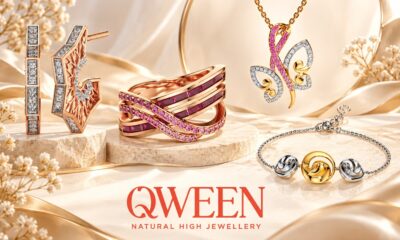
Festive Dressing, But Make It QWEEN: 10 Jewellery Pieces To Add To Your Festive Wardrobe

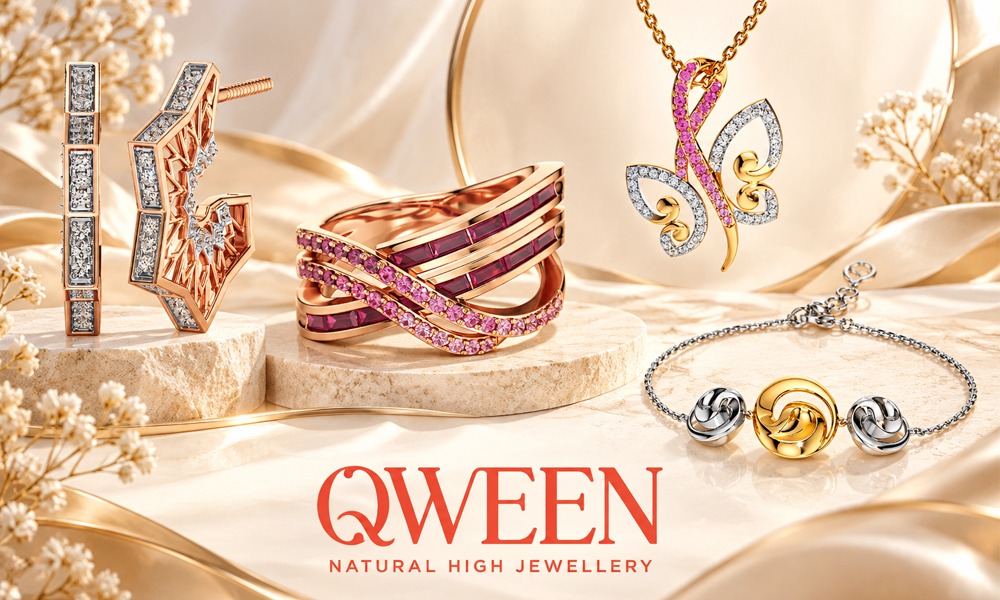
Festive dressing does not always have to mean going traditionally. QWEEN brings a more contemporary take to fine jewelry, combining natural diamonds and gemstones with unexpected designs, playful names and modern silhouettes.
From statement rings and layered necklaces to easy-to-style earrings and bracelets, the brand makes jewelry feel personal, expressive and easy to work into your festive wardrobe, whether you are dressing up for a celebration, gifting someone special or simply adding a little sparkle to your own look.
1. Moonlit Mischief Ring
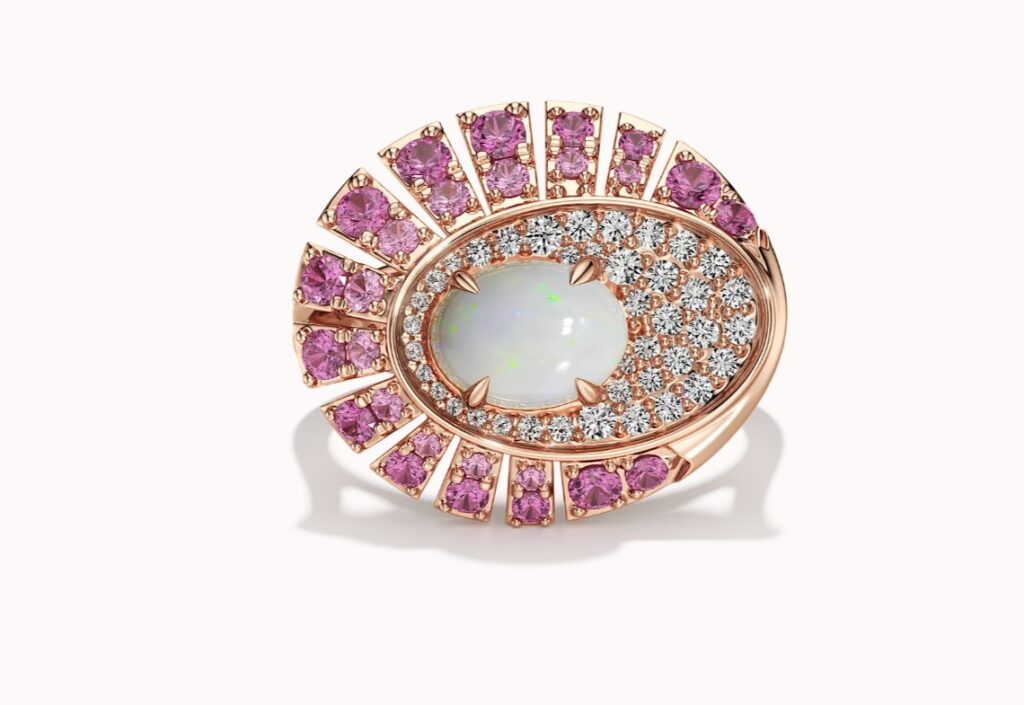
A little drama for your festive look, the Moonlit Mischief Ring features a central opal surrounded by diamonds and pink sapphires in rose gold. The opal is designed to shift while the surrounding stones remain fixed, making this a beautiful statement piece for evening celebrations and festive dressing.
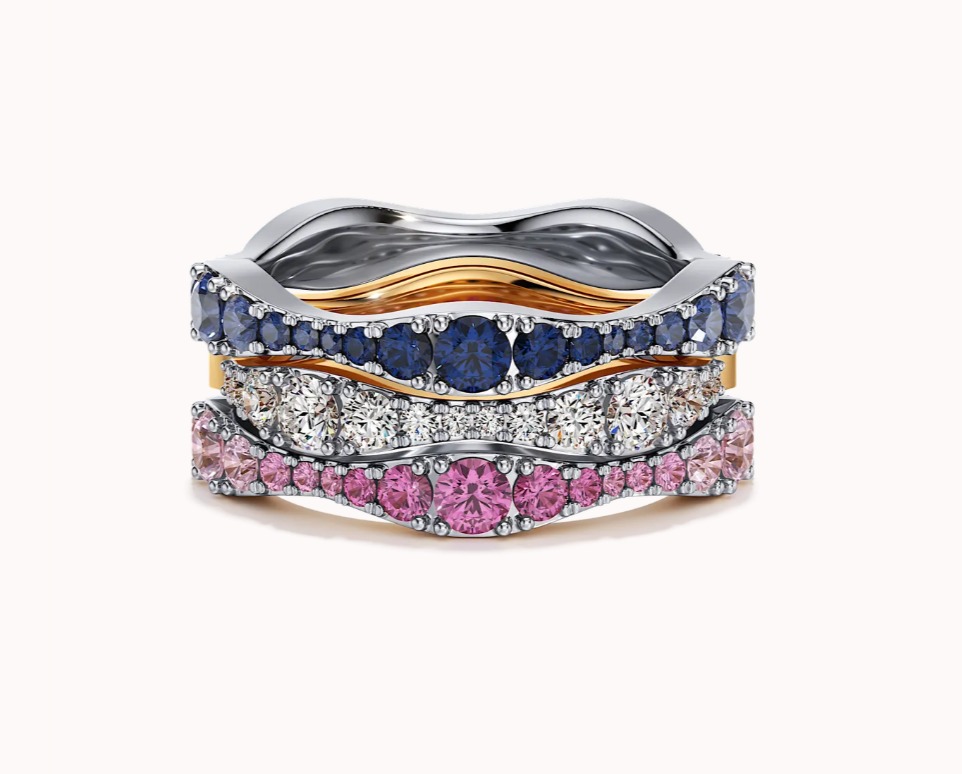
2. Girls Night Stackable Rings
Why wear one when you can stack three? The Girls Night Stackable Rings bring together blue sapphires, diamonds and pink sapphires across individual bands in white and yellow gold. Wear them together for a statement moment or split them across fingers to create your own festive combination.
3. Crisscross Ombre Ring
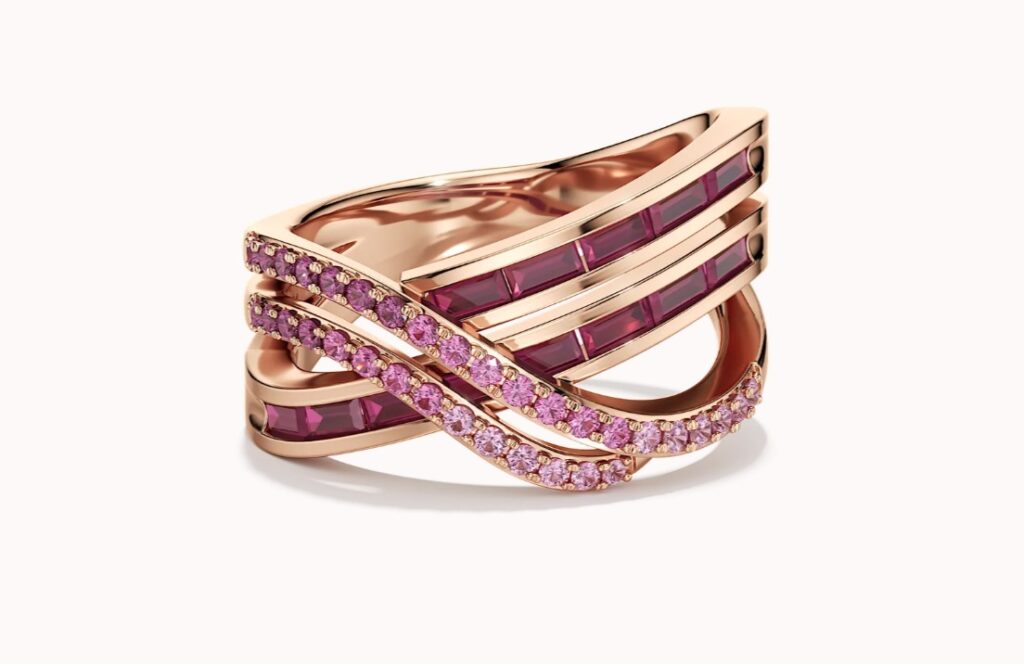
For those who like their jewellery to make an entrance, the Crisscross Ombre Ring combines three sculptural bands with baguette-cut stones and a gradient of pink tones. Its dimensional design makes it an easy pick for festive evenings when your jewellery needs to do some of the talking.
4. Signature Stack Necklace
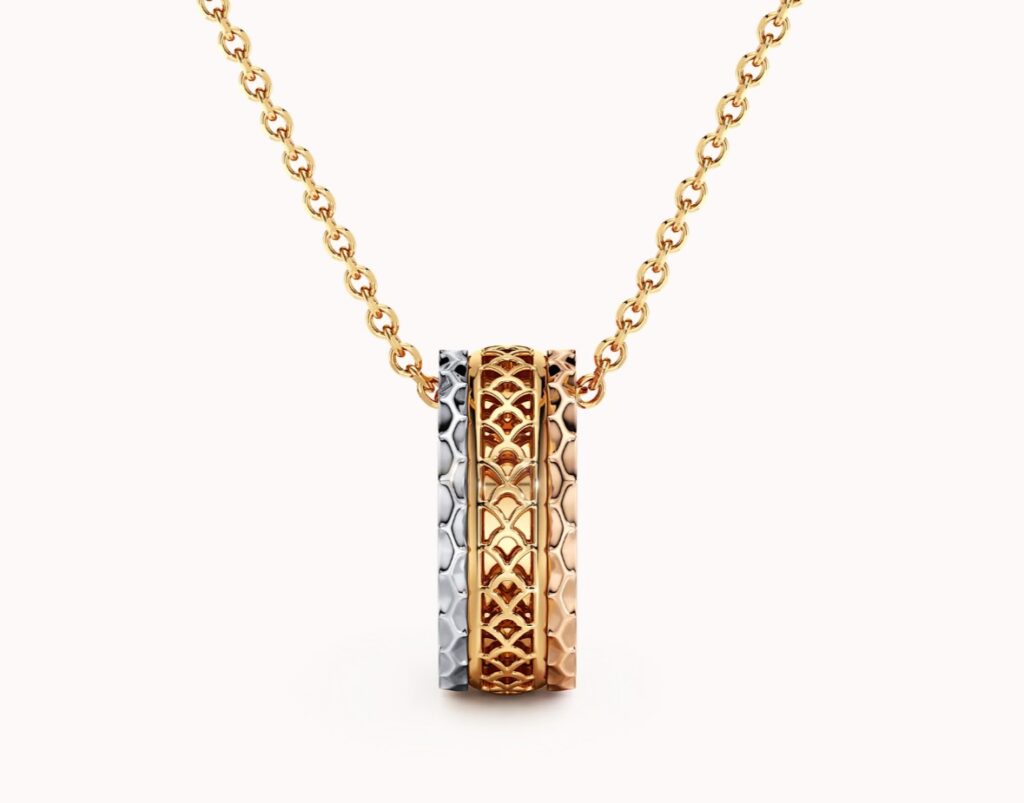
A modern take on the classic signet, this necklace is crafted in a seamless tricolour band of rose, white and yellow 18K gold. With no stones competing for attention, the beauty lies in the interplay of the three gold tones, making it a refined choice for both festive and after-hours dressing.
5. Understated Icon Necklace
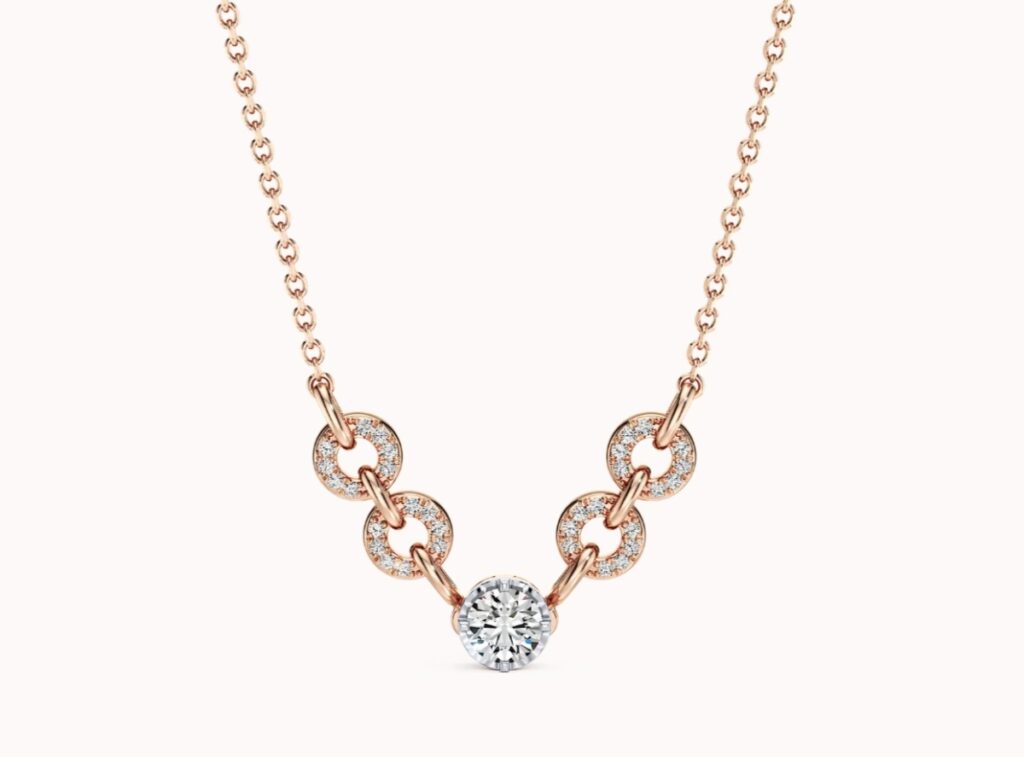
Minimal, polished and incredibly versatile, the Understated Icon Necklace is made for those who prefer their festive jewellery to be subtle but still noticeable. Its clean silhouette makes it easy to pair with a silk saree, a sharp festive co-ord or even a classic evening dress.
6. Teleport Me Pendant
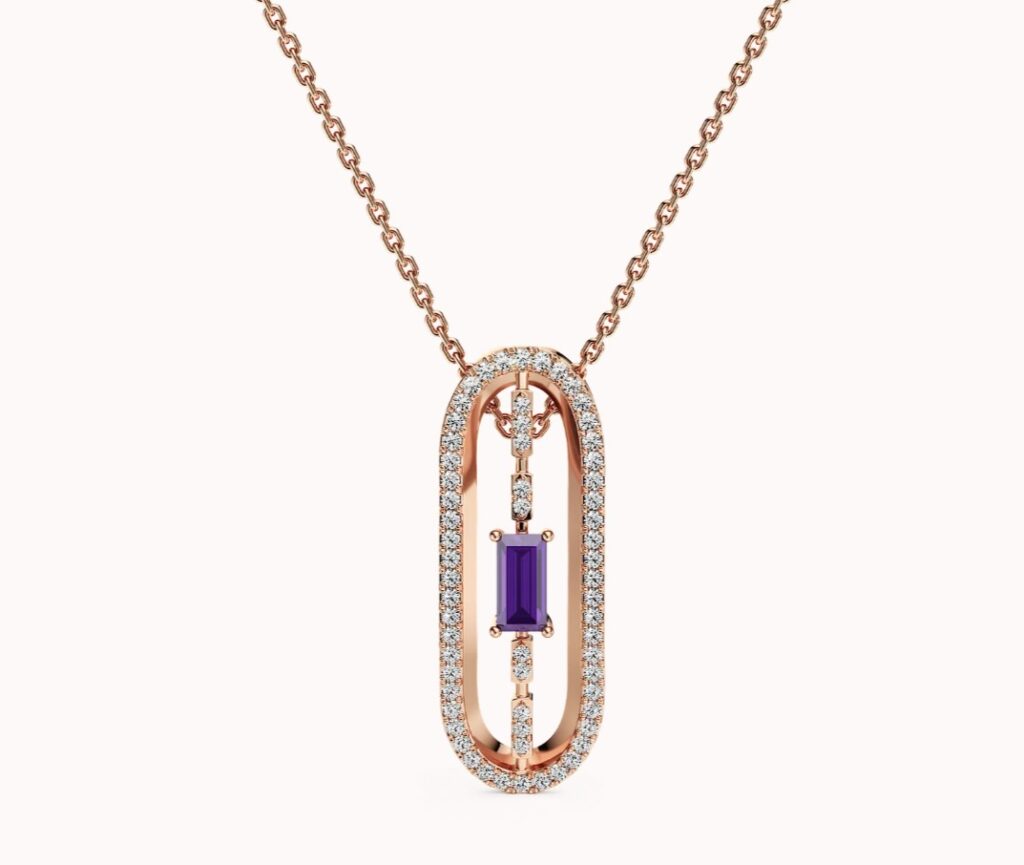
A pop of colour can instantly change a festive look, and the Teleport Me Pendant does exactly that. An amethyst baguette takes centre stage, surrounded by 62 diamonds in QWEEN’s signature split-prong bead setting, with the purple stone standing out beautifully against rose gold.
7. Watch Me Fly Pendant
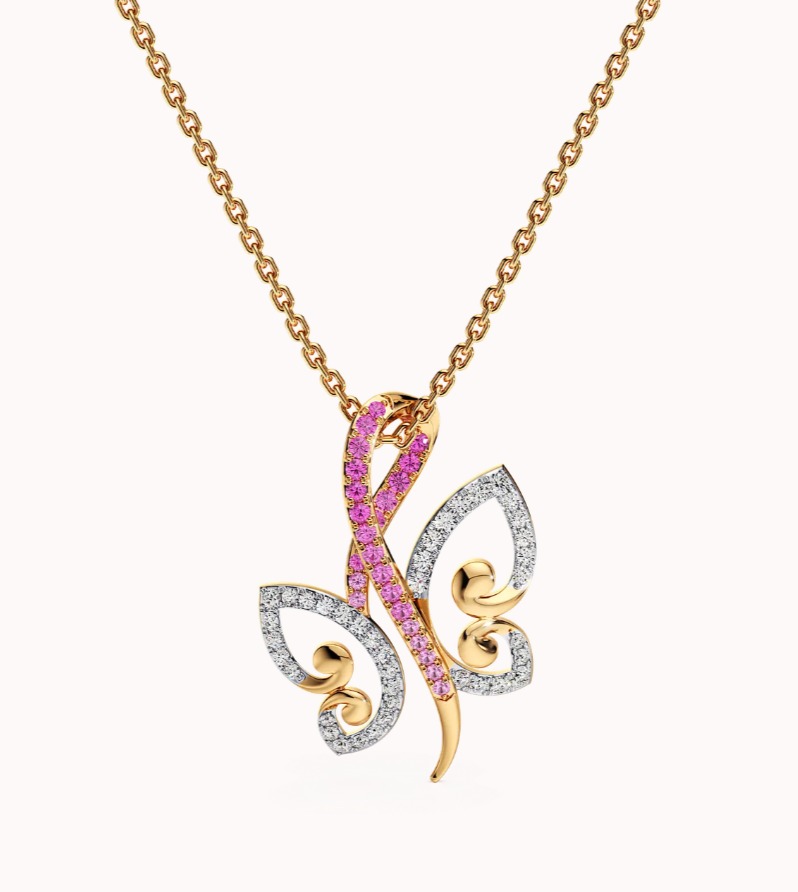
Inspired by the transformation of a butterfly, this pendant pairs diamond-set wings with a vibrant pink sapphire ombré. It is playful, colourful and symbolic, making it a thoughtful festive gift for someone stepping into a new chapter, or a piece to wear as your own little statement.
8. Leave An Impact Bracelet
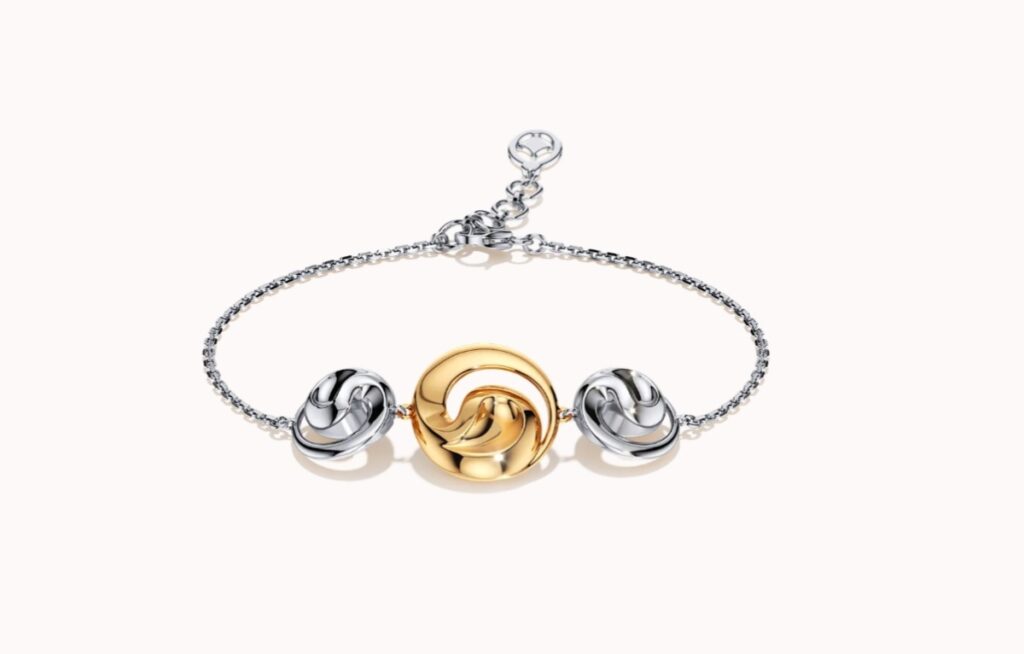
Sometimes, less really is more. The Leave An Impact Bracelet uses a clean combination of white and yellow gold, with no stones at all. The design relies on the meeting of the two metals, giving it a sleek, contemporary finish that can easily be worn with festive watches, bangles or stacked bracelets.
9. Fangirling Over Myself Hoops
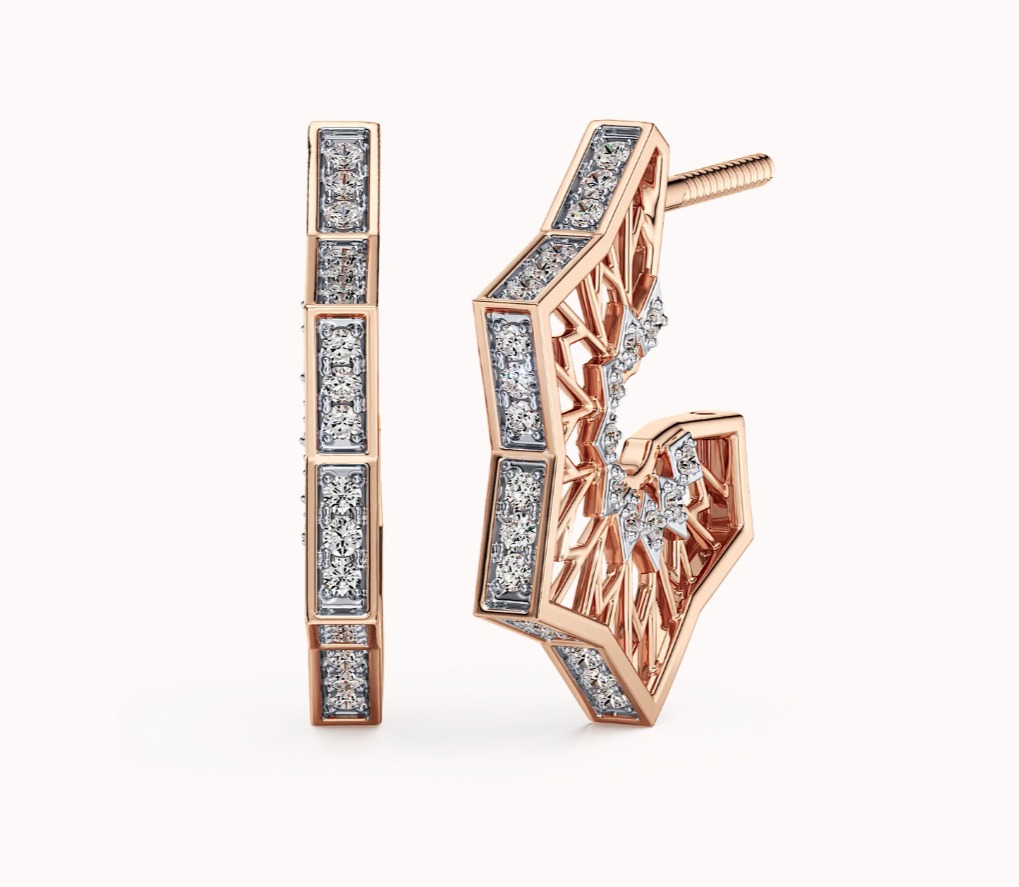
Your festive wardrobe deserves a pair of hoops that can hold their own. These rose gold hoops feature 54 diamonds set around the entire circumference, creating a continuous line of sparkle that catches the light from every angle. Wear them with an updo, a sleek festive look, or even a simple monochrome outfit.
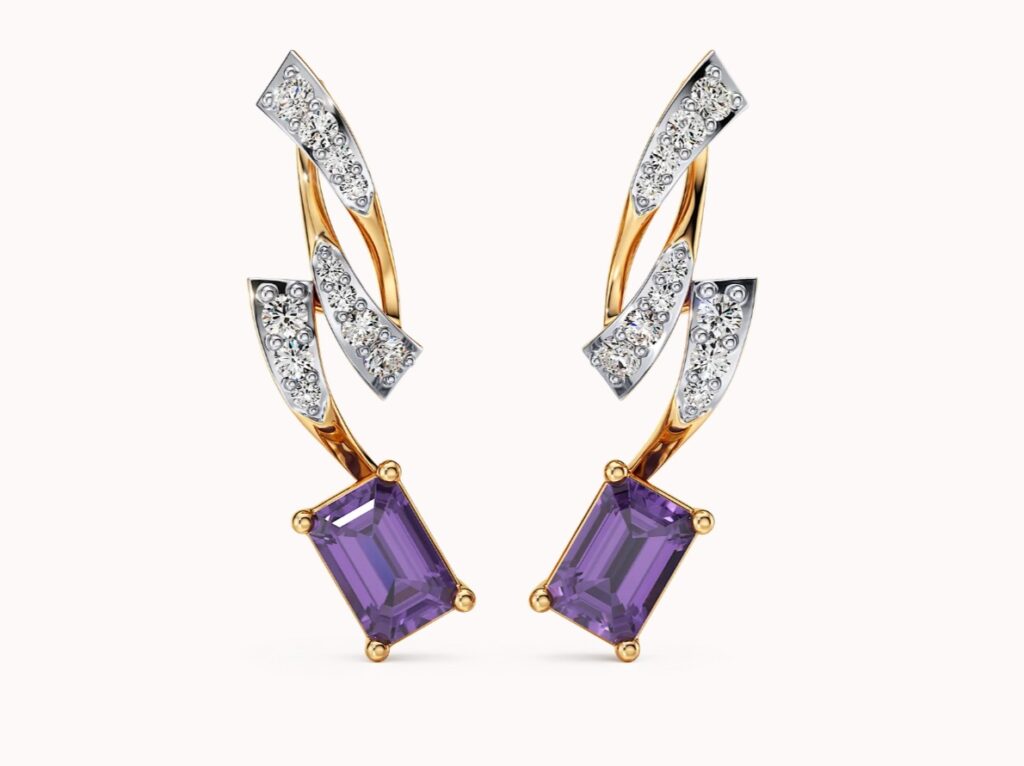
10. Free Fall Earrings
For a festive look that calls for something unexpected, the Free Fall Earrings bring together an angled octagon-cut amethyst with flowing, diamond-set ribbons. The contrast between the structured gemstone and fluid design gives these earrings plenty of movement and personality.
This festive season, let your jewellery do more than complete the outfit. From statement-making designs to pieces made for everyday layering, QWEEN brings a fresh, personal edge to festive dressing and gifting.


Festive Dressing, But Make It QWEEN: 10 Jewellery Pieces To Add To Your Festive Wardrobe

WGC Report-Digital Gold: Unlocking a $700bn Opportunity

Malabar Gold & Diamonds Unveils ‘SWAYE’, A Natural Diamond Collection Inspired By Spiral Forms and Modern Elegance

Limelight Lab Grown Diamonds Crosses 100 Stores Milestone This Dussehra: Targets 200 In 2027
Malabar Gold & Diamonds Unveils ‘SWAYE’, A Natural Diamond Collection Inspired By Spiral Forms and Modern Elegance
Festive Dressing, But Make It QWEEN: 10 Jewellery Pieces To Add To Your Festive Wardrobe
-
 National News2 days ago
Limelight Lab Grown Diamonds Crosses 100 Stores Milestone This Dussehra: Targets 200 In 2027
-
 BrandBuzz6 hours ago
Malabar Gold & Diamonds Unveils ‘SWAYE’, A Natural Diamond Collection Inspired By Spiral Forms and Modern Elegance
-
 National News2 hours ago
Festive Dressing, But Make It QWEEN: 10 Jewellery Pieces To Add To Your Festive Wardrobe
-

 National News9 hours ago
Gold and Silver Prices Drop Post-Dussehra On Stronger US Dollar