
National News
Jaipur Gem & Jewellery Bourse Set to Transform Global Coloured Gemstone Trade
Bookings and Foundation Stone Ceremony Expected This Month As India’s First Dedicated Coloured Gemstone Bourse Takes Shape In Jaipur.

The Jaipur Gems and Jewellery Bourse (JGJB), a landmark initiative jointly promoted by the Gem & Jewellery Export Promotion Council (GJEPC) and the Jewellers Association Jaipur (JAJ), is entering a new phase of development with the commencement of bookings and the foundation stone laying ceremony expected this month.
The project represents a major step towards strengthening India’s leadership in the global coloured gemstone trade by creating an integrated, world-class business ecosystem for manufacturers, exporters, traders, and international buyers.
Pramod Agrawal (Derewala), Chairman, Jaipur Gem and Jewellery Bourse, said:
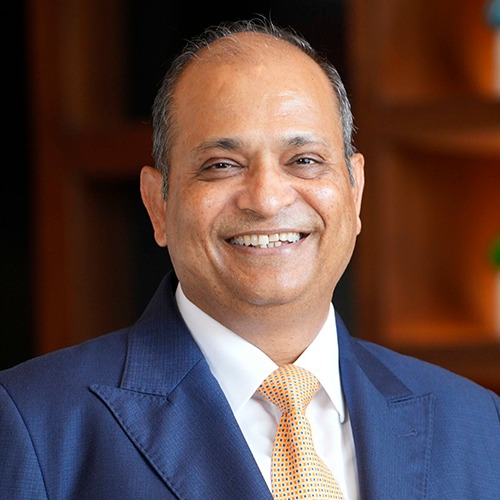
“The Jaipur Gems and Jewellery Bourse is more than just an infrastructure project—it is the realization of a dream nurtured by generations of Jaipur’s gemstone community. This world-class facility will strengthen Jaipur’s position as the global hub for coloured gemstones, create new opportunities for exporters and artisans, and provide the industry with the scale, security and connectivity required to compete in the next era of global trade.”
Jaipur has long been recognised as the global centre for coloured gemstones, accounting for a significant share of the world’s cutting and polishing of emeralds, rubies, sapphires, tanzanites, and other precious stones. The city has emerged as a major export hub, with gem and jewellery exports surpassing USD 2 billion in FY 2024-25.
Kirit Bhansali, Chairman, GJEPC, said:
“The Jaipur Gem and Jewellery Bourse marks a defining moment in the evolution of India’s gem and jewellery industry. Jaipur has long been recognised globally as the heart of coloured gemstones, combining centuries-old craftsmanship with world-class manufacturing capabilities. The bourse will provide a modern, secure and internationally benchmarked business ecosystem that will enhance ease of trade, attract global buyers, and strengthen India’s position in the global coloured gemstone value chain. GJEPC is proud to partner in this visionary initiative that will drive exports, generate employment, and unlock new growth opportunities for the sector.”

Spread across 43,828 square metres at Sitapura, the Jaipur Gems and Jewellery Bourse will offer modern trading infrastructure, secure business facilities, and a unified platform for the entire value chain. The project is expected to improve ease of doing business, facilitate greater buyer-seller engagement, and enhance global market access for Indian exporters.
The bourse assumes added significance as global supply chains continue to evolve and international buyers increasingly seek transparent, secure, and professionally managed sourcing destinations. By bringing the industry under one roof, the facility will strengthen Jaipur’s competitiveness and reinforce India’s position in the international gemstone and jewellery marketplace.
The project has already achieved several key milestones, including major regulatory approvals and completion of architectural planning. The Engineering, Procurement and Construction (EPC) tender process is currently in its final stages, with construction expected to commence before Diwali 2026. Phased possession is planned from 2028 onwards.
As the world’s first dedicated bourse for coloured gemstones and gemstone jewellery, JGJB is expected to become a catalyst for exports, investment, employment generation, and international trade engagement, further cementing Jaipur’s reputation as the Global Capital of Colour.



National News
Tradition Meets Everyday Style: Mangalsutras For Karva Chauth From Candere By Kalyan Jewellers
Candere by Kalyan Jewellers reimagines the traditional mangalsutra with contemporary designs for festive celebrations and everyday wear
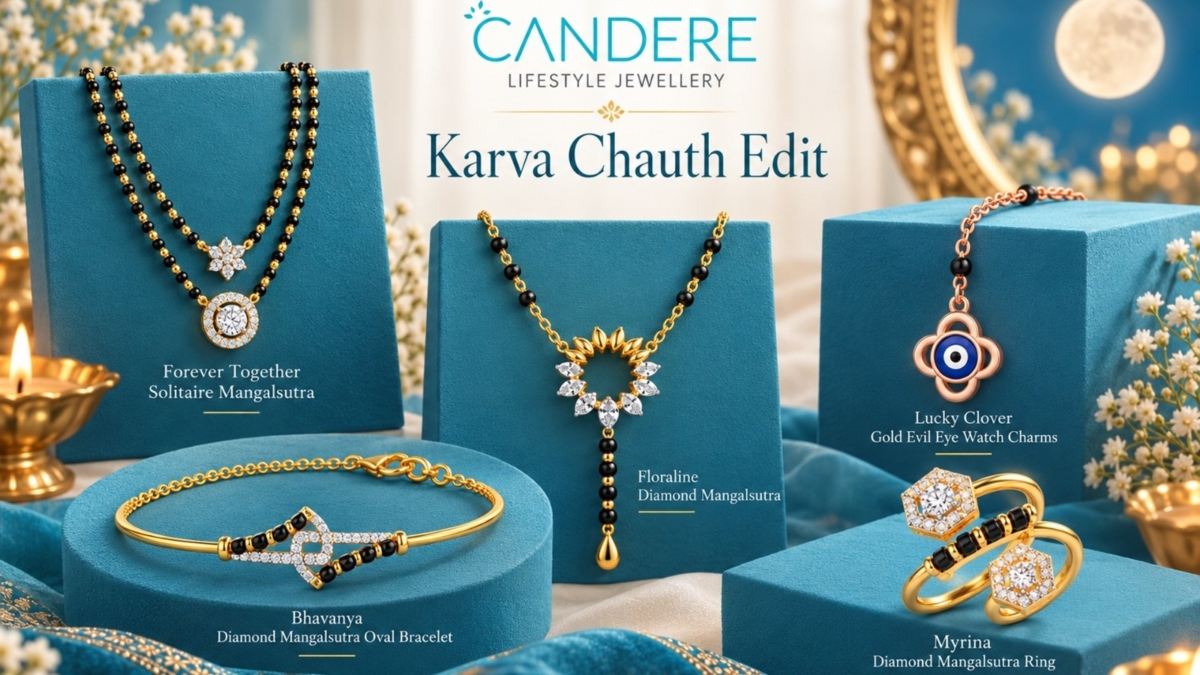
Karva Chauth brings together cherished rituals, festive dressing and the celebration of love and togetherness. For many women, the mangalsutra holds a special place in the occasion—a symbol of marriage and commitment, chosen with care and worn with meaning.
While its significance remains rooted in tradition, its designs continue to evolve. Alongside classic necklaces, diamond mangalsutras, rings and bracelets offer contemporary ways to wear this familiar symbol, bringing personal style to a treasured piece of jewellery.
This Karva Chauth, Candere by Kalyan Jewellers presents a curated selection of mangalsutras spanning classic and contemporary designs. From delicate necklaces to distinctive ring and bracelet styles, the edit offers pieces that complement festive ensembles and can become part of an everyday jewellery wardrobe.
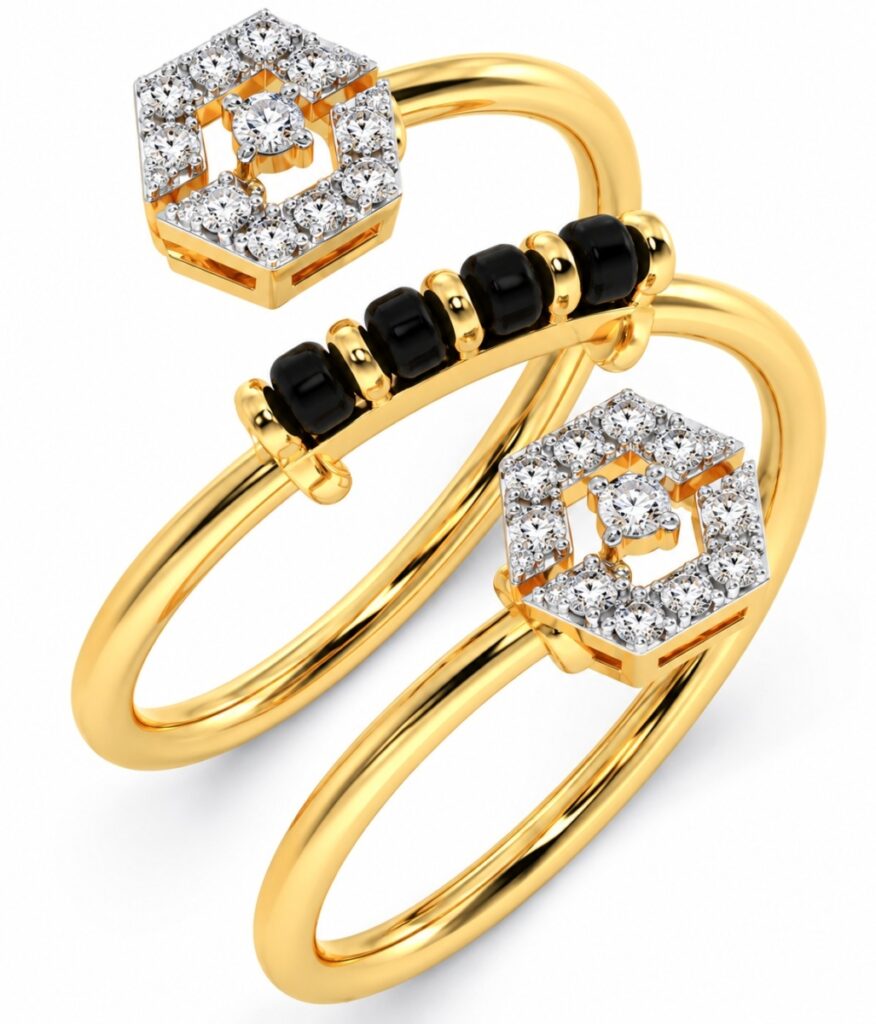
Myrina Diamond Mangalsutra Ring Taking the mangalsutra beyond the traditional necklace, the Myrina Diamond Mangalsutra Ring offers a modern way to carry its symbolism on the hand. The design combines the familiar aesthetic of a mangalsutra with the everyday ease of a ring, making it a subtle choice for women who prefer contemporary jewellery.
Wear it on its own as a meaningful statement or pair it with delicate gold or diamond bands for a layered ring look. It is an understated way to bring the sentiment of Karva Chauth into everyday styling.
Bhavanya Diamond Mangalsutra Oval Bracelet For women who prefer their mangalsutra to be understated yet distinctive, the Bhavanya Diamond Mangalsutra Oval Bracelet offers a contemporary wrist-wear interpretation. The design brings the traditional essence of a mangalsutra into a bracelet silhouette, making it a practical alternative to the conventional necklace while retaining its symbolic character.
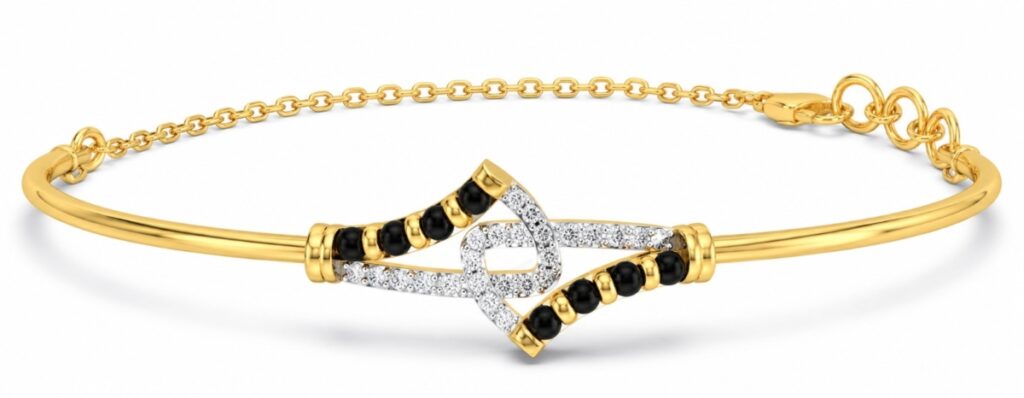
Style it with slim gold bangles or delicate bracelets for a festive layered look or wear it on its own for a more minimal expression.

Lucky Clover Gold Evil Eye Watch Charms Bringing a contemporary twist to a familiar mangalsutra detail, the Lucky Clover Gold Evil Eye Watch Charms feature black beads alongside a lucky clover and evil eye motif. The combination brings together the traditional character of mangalsutra-inspired jewellery with a modern, personalised accessory designed for everyday wear.
Accessorize the charm with a watch to introduce the familiar, black-beaded detail in a more contemporary way, or pair it with other jewellery for a subtle festive look.
Floraline Diamond Mangalsutra Delicate and feminine, the Floraline Diamond Mangalsutra brings a contemporary touch to the traditional mangalsutra silhouette. Crafted in 14K yellow gold, the design features a floral-inspired diamond motif that adds a subtle element of sparkle while keeping the overall look refined.
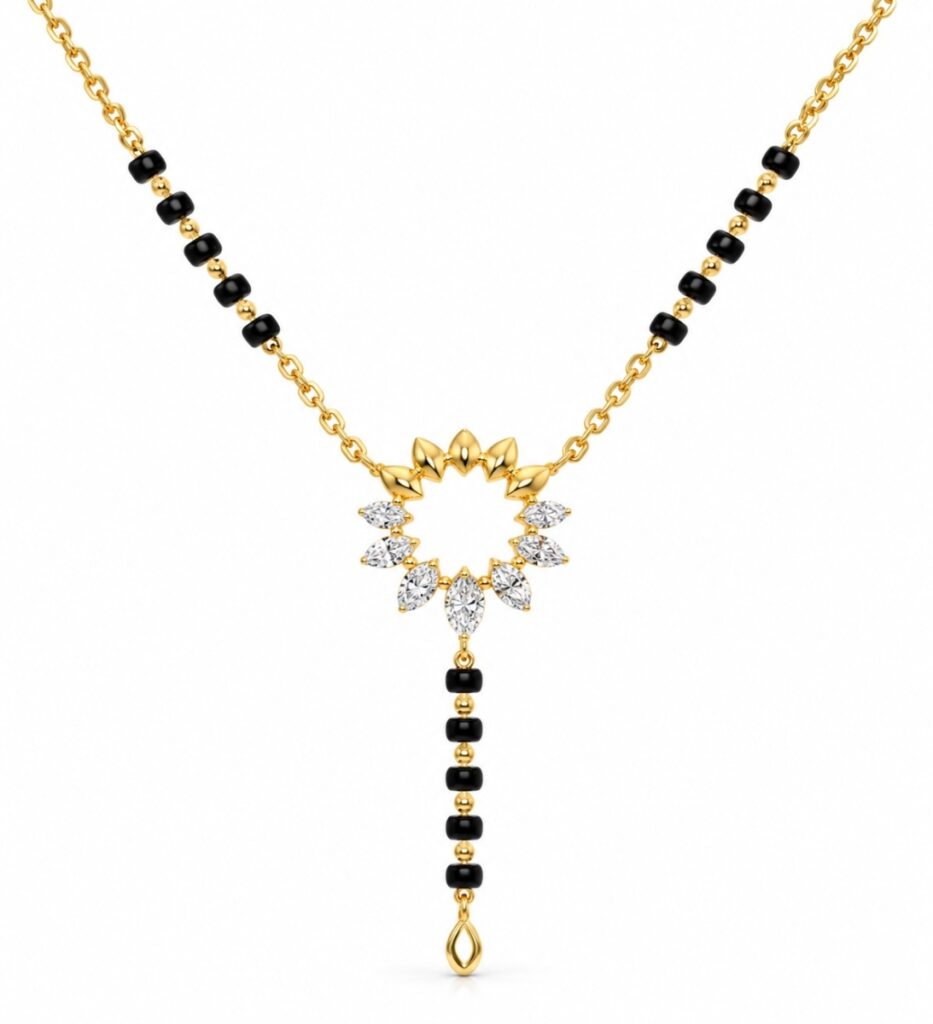
Its minimalist character makes it an elegant choice for women who prefer their festive jewellery to feel sophisticated without being overwhelming.
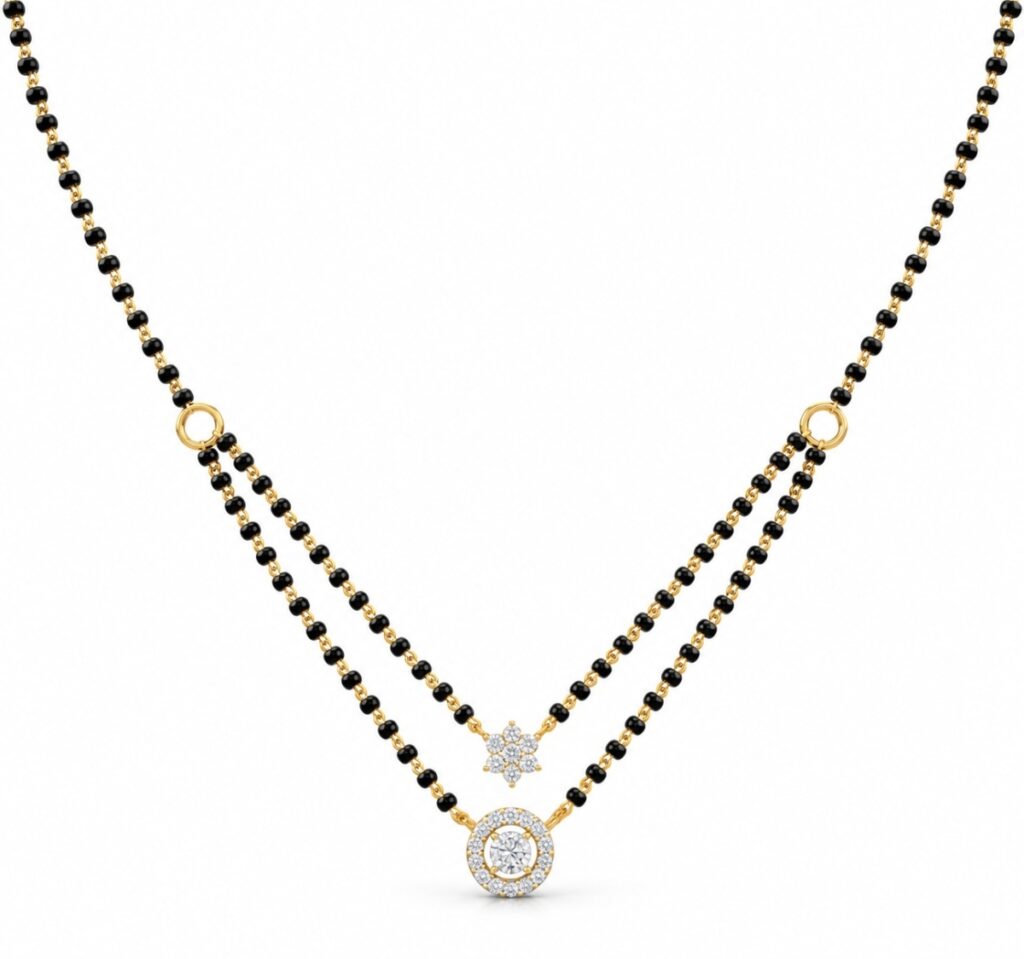
Forever Together Solitaire Mangalsutra For a contemporary take on the traditional mangalsutra, the Forever Together Solitaire Mangalsutra pairs a classic silhouette with the understated brilliance of a solitaire diamond.
Its clean design makes it especially suited to the growing trend of layered jewellery, allowing the mangalsutra to become part of a more personalised, modern stack. Layer it with fine gold chains of varying lengths for a fashion-forward festive look or wear it on its own when you want the solitaire to stand out.



Tradition Meets Everyday Style: Mangalsutras For Karva Chauth From Candere By Kalyan Jewellers

So/Facet Raises ₹10 Crore Led By Sauce To Build The Diamond Brand That Young India Has Been Missing

Festive & Wedding Season Trade Outlook: Resilience, Innovation, and Growth

BHIMA Jewellery Receives Prestigious IAGES Accreditation
So/Facet Raises ₹10 Crore Led By Sauce To Build The Diamond Brand That Young India Has Been Missing

JGP Jewellers Opens Its 26th Store In Nipani, Marking Its Entry Into Karnataka
-
 National News13 hours ago
BHIMA Jewellery Receives Prestigious IAGES Accreditation
-
 National News12 hours ago
So/Facet Raises ₹10 Crore Led By Sauce To Build The Diamond Brand That Young India Has Been Missing
-
 New Premises17 hours ago
JGP Jewellers Opens Its 26th Store In Nipani, Marking Its Entry Into Karnataka
-
 JB Insights12 hours ago
Festive & Wedding Season Trade Outlook: Resilience, Innovation, and Growth
