

National News
India-NZ FTA to open fresh opportunities for GJ Trade

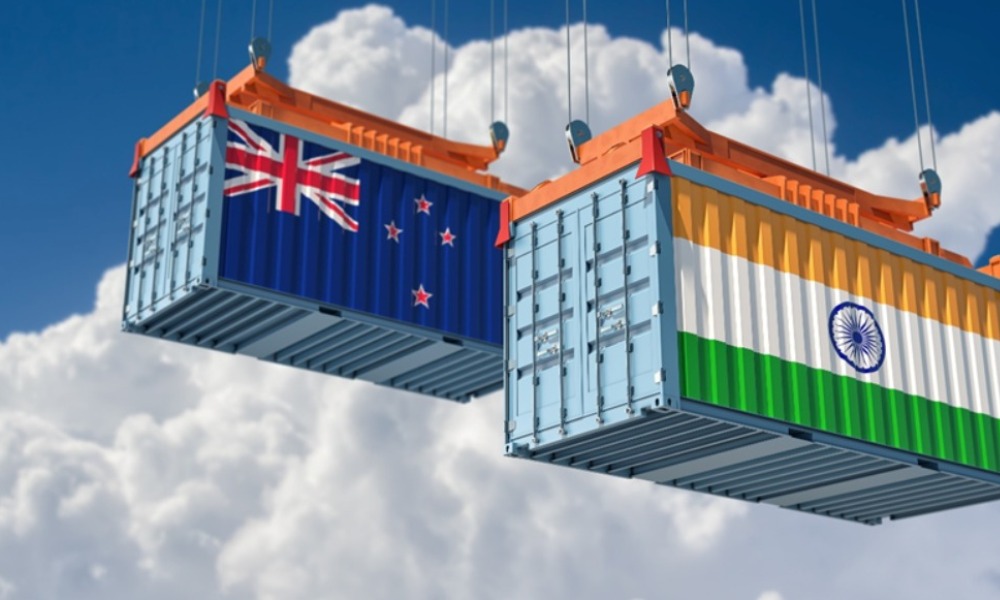
The India-New Zealand Free Trade Agreement is expected to open fresh opportunities for India’s gem and jewellery sector by improving price competitiveness and market access. The agreement offers a tariff advantage of up to 2.5% across several product lines, including gems and jewellery, strengthening India’s position in the New Zealand market.

Commenting on the development, Kirit Bhansali, Chairman, GJEPC, said, “The India-New Zealand FTA is a significant step forward for India’s gem and jewellery sector. The agreement enhances India’s competitiveness in the New Zealand market by extending tariff advantage of up to 2.5% for various product lines including gem and jewellery. We see strong potential to scale India’s gems and jewellery exports to New Zealand from $16.61 million in 2024 to $50 million over the next three years, strengthening India’s footprint in this important market.”
With the FTA now in place, industry estimates suggest exports could more than triple over the next three years, driven by improved pricing, wider product reach and stronger buyer engagement. The agreement is also expected to encourage Indian exporters to deepen relationships with New Zealand retailers and explore long-term partnerships in the market.
The FTA aligns with the Indian Government’s broader strategy of using trade agreements to diversify export destinations and reduce reliance on a few large markets, while creating stable, policy-backed growth avenues for the gem and jewellery industry.


National News
Bharat Diamond Bourse and Department Of Posts Sign MOU
Foreign Post Office To Open In BDB To Facilitate
Export-Import of Precious Cargo By Post

- Economical and simplified doorstep logistics support for Export and import of high-value cargo – International and Domestic
- Facility Open to all
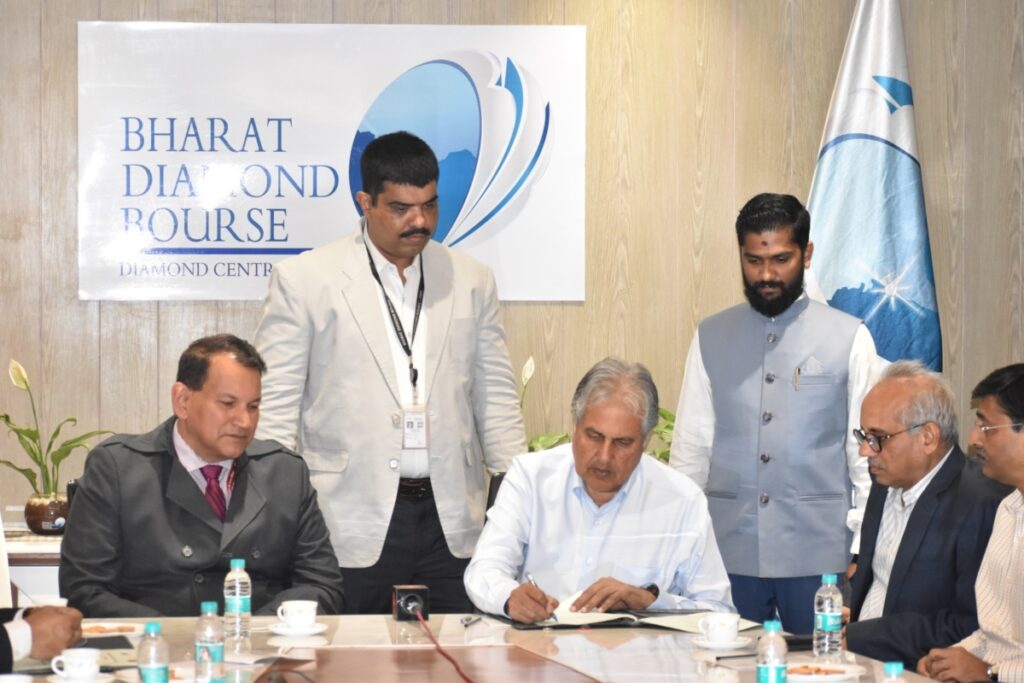
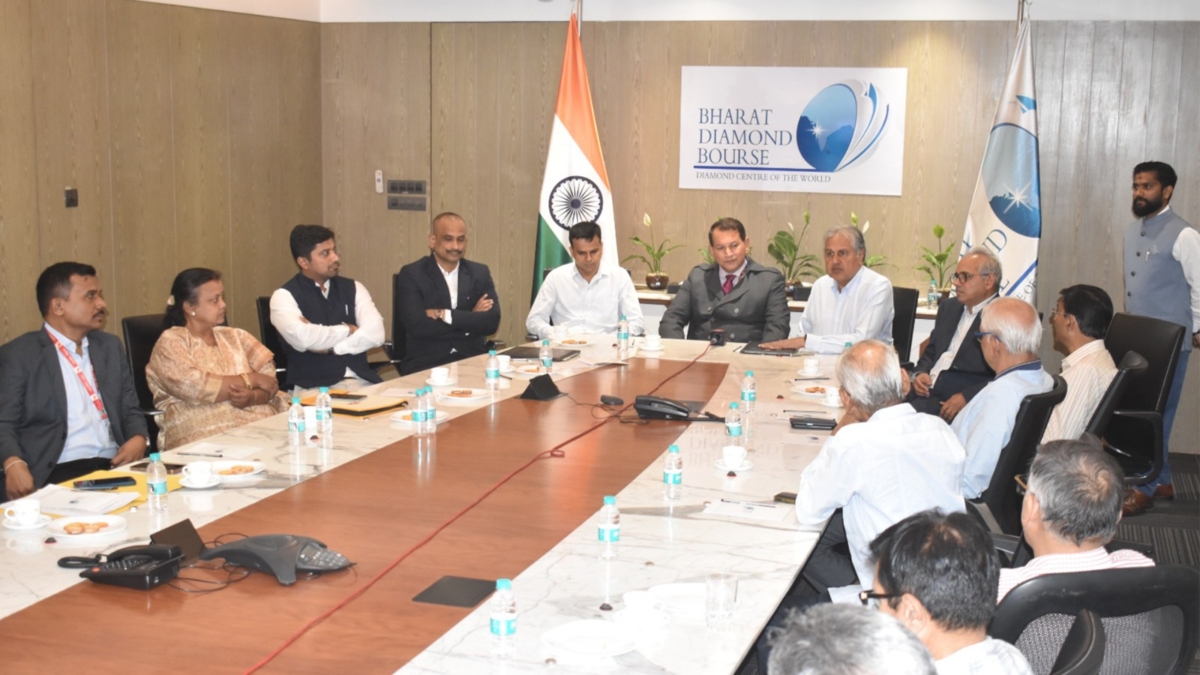
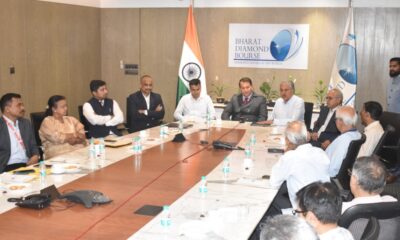
Bharat Diamond Bourse (BDB) and Department of Posts (DOP), Maharashtra Circle, today signed a Memorandum of Understanding (MOU) to establish a partnership aimed at facilitating shipments of precious cargo from within the Bourse premises. A Post Office extension counter that offers a range of postal services will commence operations in BDB within a month.
Under the partnership agreement, comprehensive logistics facilities will be provided to both members and non-members for shipments of domestic and international parcels. These Doorstep Logistics Services will operate with the Department of Posts as the primary logistics partner.
Services available for all within the bourse will include Speed Post, India Post Parcel, Logistics Post, Media Post, and others.
Shri Anoop Mehta, President of BDB, Said:

“BDB’s vision is to provide the best facilities for its members, and simultaneously facilitate the growth of diamond exports. The MOU is a big step in enabling smooth logistics for export-import parcels from within our premises. We believe it will help individual businesses as well as boost overall diamond exports.”
Mehul Shah, Vice President, BDB, Said:
“Opening the post office in BDB is a big milestone for small and medium traders. Reduced shipment costs will make it extremely economical. Further, there is no requirement for Customs clearing agents (CHAs). The move will also boost the e-commerce business with direct shipments from manufacturers to end consumers. Easy access to other services like speed post and parcel will make logistics easier for BDB members.”

Amitabh Singh (IPoS), Chief PMG, Maharashtra Circle, Said:
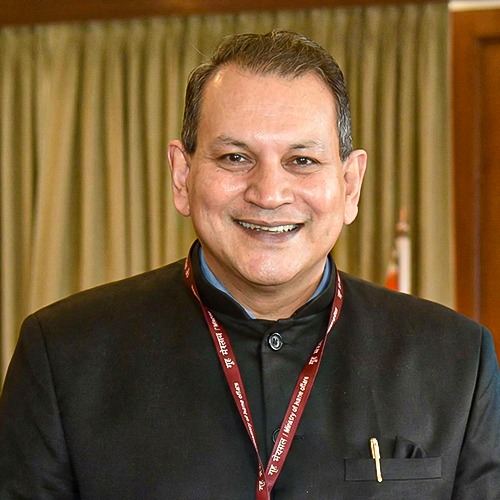
“This partnership leverages the world’s largest postal network for facilitating import and export of valuable cargo and domestic parcels of the BDB business community. It brings India Post to the doorstep of the diamond trade and connects BDB, the diamond bourse having the largest turnover worldwide, with the largest Postal network, opening a door to Global Geography.”
Other dignitaries present on the occasion of the MOU Signing included Shri Santosh Mishra, Commissioner of Customs Zone-3, Shri Pandurang Chormale (IPoS), Senior Superintendent of RMS, Shri Anup Zaveri – Customs Convener BDB, and others.


-

 BrandBuzz1 hour ago
Vummidi Bangaru Jewellers Auspicious Akshaya Tritiya Campaign
-

 BrandBuzz4 minutes ago
Akoirah Unveils Diamond Draw Campaign Across Key Cities Ahead of Akshaya Tritiya
-
 National News16 hours ago
Bharat Diamond Bourse and Department Of Posts Sign MOU
-

 International News18 hours ago
WGC Gold Market Commentary: Anatomy Of A Fall
