DiamondBuzz
HRD Antwerp Launches Globally Recognised Diamond, Gemmology and Jewellery Education Programmes in India

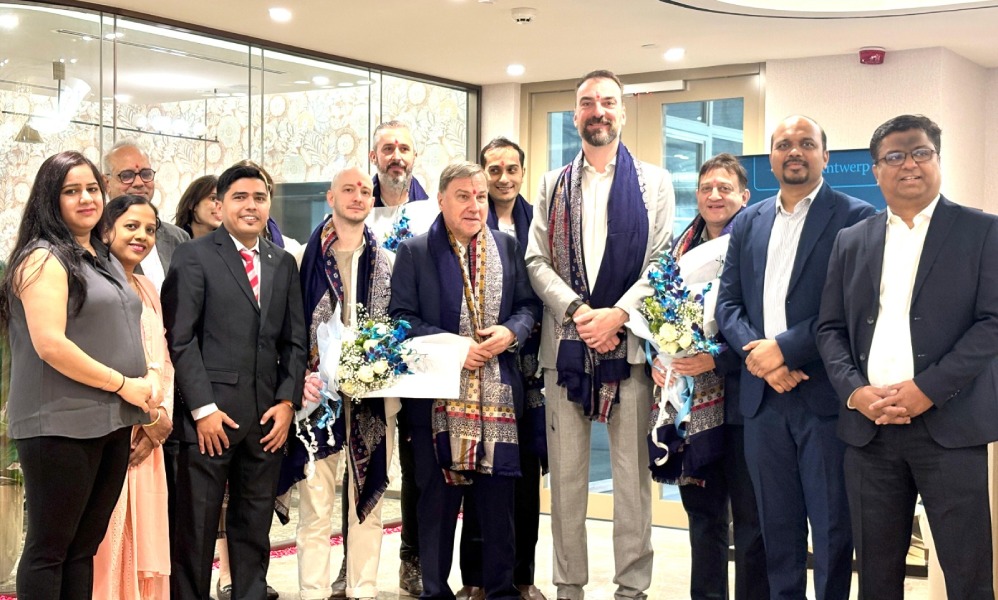
HRD Antwerp, one of the world’s leading authorities in diamond, gemmology and jewellery education, has announced the launch of its internationally recognised education programmes in India. The initiative marks a significant step in strengthening professional training standards for the country’s diamond and jewellery industry.
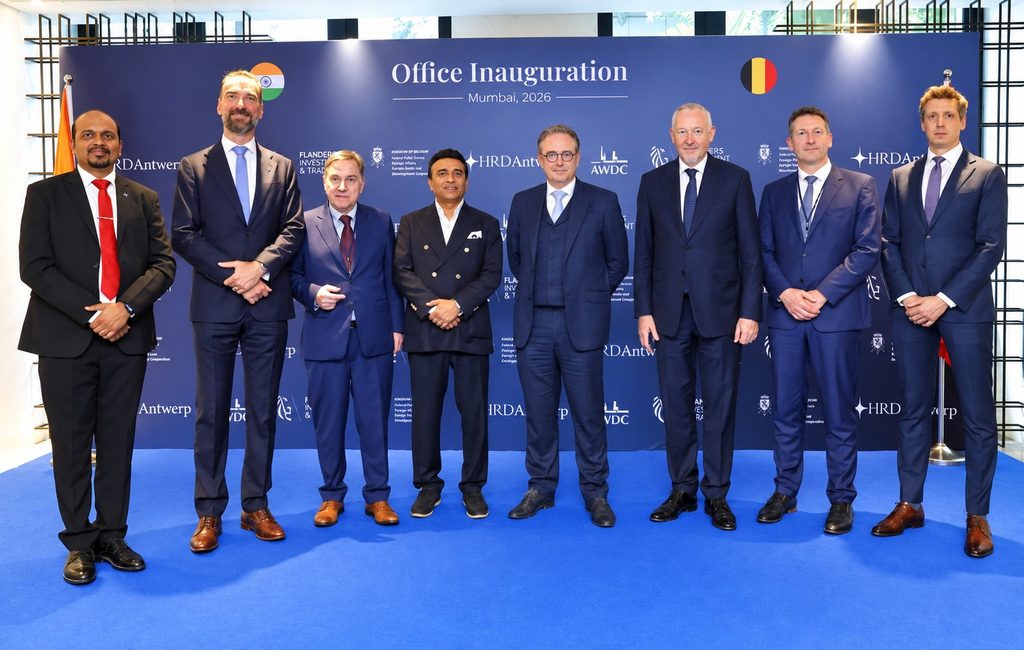
The inauguration was honoured by the presence of Frank Geerkens, Consul General of Belgium in Mumbai, and Mehul N. Shah, Vice President, Bharat Diamond Bourse, highlighting strong industry support for the initiative and the enduring ties between Belgium and India in the diamond and jewellery sector.
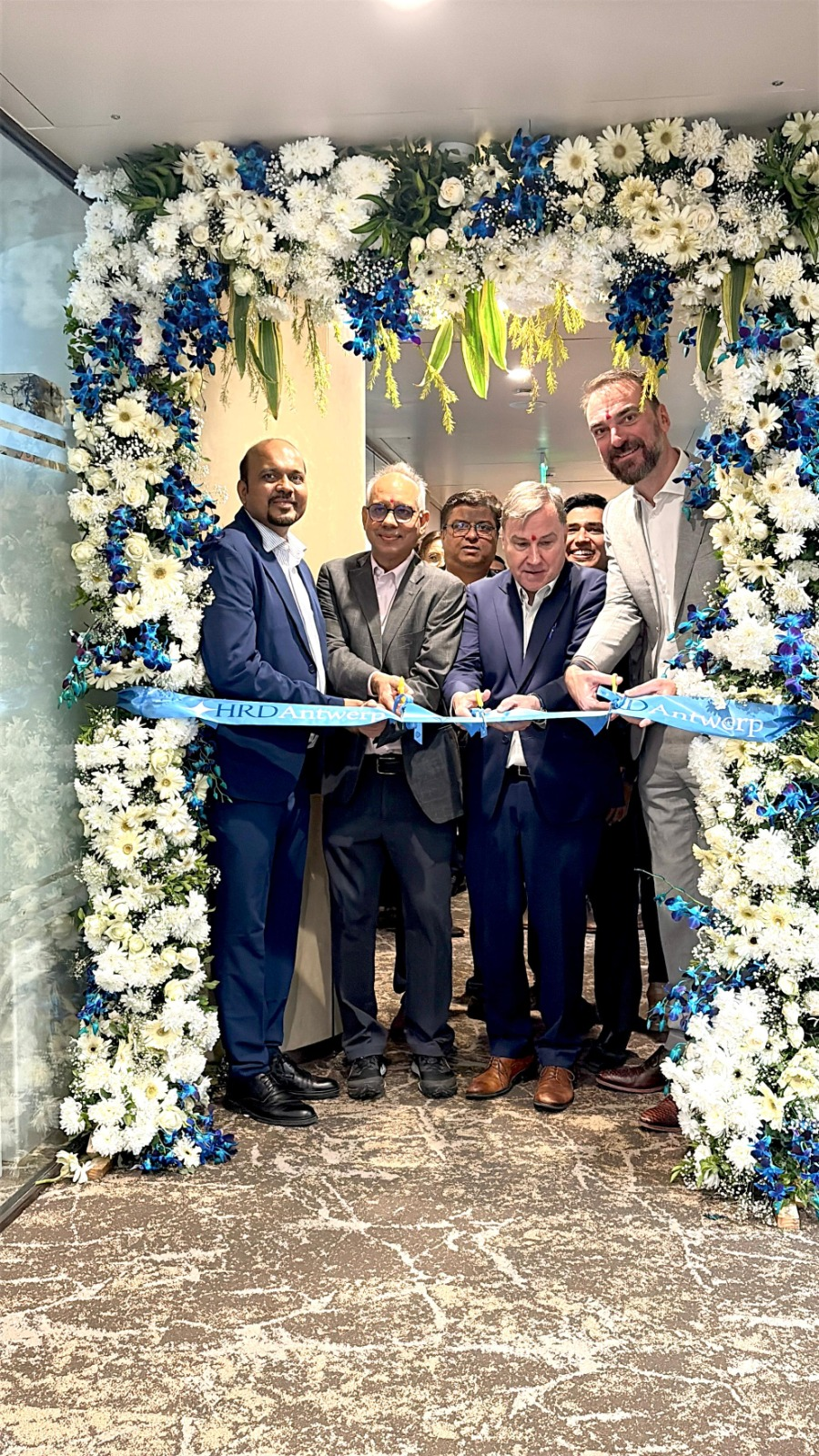
The launch and inauguration took place during the first official visit to India of Paul De Wachter, CEO, HRD Antwerp, highlighting the strategic importance of the Indian market for the organisation. The CEO was joined by Stanley De Belie, Chief Operating Officer, and Philip Baeten, Chief Financial Officer, reflecting HRD Antwerp’s strong global leadership engagement with its India operations.
Representing HRD Antwerp’s India leadership team at the event were Ramakant Mitkar, Managing Director; Chandrakant Narkar, Sales Director; and Anand Gusani, Global Education Manager, who will lead the growth and delivery of HRD Antwerp’s education initiatives in the country.
The programmes will be delivered from HRD Antwerp’s education facility in Mumbai, providing Indian students, retailers, entrepreneurs and industry professionals access to globally benchmarked education without the need to travel overseas. The launch brings HRD Antwerp’s European standards of scientific precision, consistency and integrity directly to one of the world’s most important jewellery markets.
With a legacy spanning over five decades, HRD Antwerp has trained more than 240,000 students worldwide, contributing to the development of skilled professionals across the global diamond and jewellery value chain. The introduction of its education programmes in India is aimed at addressing the growing demand for structured, credible and internationally aligned training within the industry.
The curriculum covers a wide range of subjects, including diamond grading and identification, gemmology, gemstone treatments, small diamond expertise, lab-grown diamonds, and jewellery-related market knowledge, combining scientific fundamentals with practical, industry-relevant applications.
Training is conducted by senior industry experts using advanced grading and gemmological equipment aligned with HRD Antwerp’s global standards. Upon successful completion, participants receive a Diploma from HRD Antwerp, a qualification recognised across international diamond and jewellery markets.

Speaking at the launch, Paul De Wachter, CEO, HRD Antwerp, said,
“India plays a central role in the global diamond and jewellery industry. By introducing HRD Antwerp’s education programmes in India, we aim to support the development of skilled professionals who meet the highest international standards, strengthening trust and professionalism across the value chain.”
Commenting on the significance of the initiative, Mehul N. Shah, Vice President, Bharat Diamond Bourse, said, “India’s diamond and jewellery industry continues to grow in scale and global relevance. Access to structured, internationally aligned education programmes will play an important role in strengthening professional standards and supporting the industry’s long-term development.”
With this launch, HRD Antwerp reinforces its commitment to advancing education, ethical practices and global standards within the diamond and jewellery industry.


DiamondBuzz
Belgian Prime Minister Bart De Wever opens expanded HRD Antwerp laboratory in Mumbai
HRD Antwerp is increasing its research capacity in Mumbai by 30%. The official opening, which takes place as part of a two-day visit by Prime Minister Bart De Wever to India, marks an important next step in the growth of HRD Antwerp in India
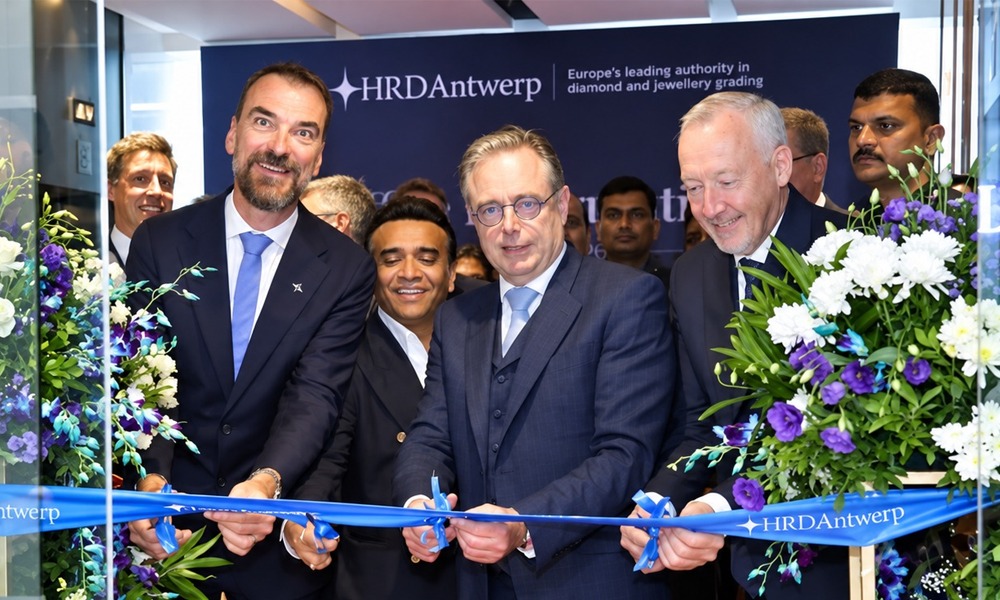
In the presence of Belgian Prime Minister Bart De Wever, HRD Antwerp, Europe’s leading authority in diamond and jewellery grading and a subsidiary of the Antwerp World Diamond Centre (AWDC), officially opened its renovated and significantly expanded laboratory in the Bandra Kurla Complex (BKC) in Mumbai, India. Thanks to the expansion, HRD Antwerp is increasing its research capacity in Mumbai by 30%. The official opening, which takes place as part of a two-day visit by Prime Minister Bart De Wever to India, marks an important next step in the growth of HRD Antwerp in India, one of the world’s leading centres for the trade and cutting of natural diamonds.
For HRD Antwerp, a grading report is not an administrative document but a guarantee of trust, transparency and authenticity. As an independent, neutral party between science, industry and consumer, HRD Antwerp is a worldwide guarantor of objective and reliable diamond and jewellery grading, a principle the organisation has upheld since its founding. HRD Antwerp was established in 1973 and has been active in India since 2012. Today it serves around 1,500 clients there, including jewellery manufacturers and retailers, as well as companies that produce and trade cut diamonds.
The Indian branch now accounts for 59% of HRD Antwerp’s total group revenue and is expected to grow by 15.4% this year, compared with a projected growth of 12.6% for the group as a whole. Jewellery grading is an important growth driver in this respect: as much as 47% of HRD Antwerp’s total revenue increase comes from that segment.
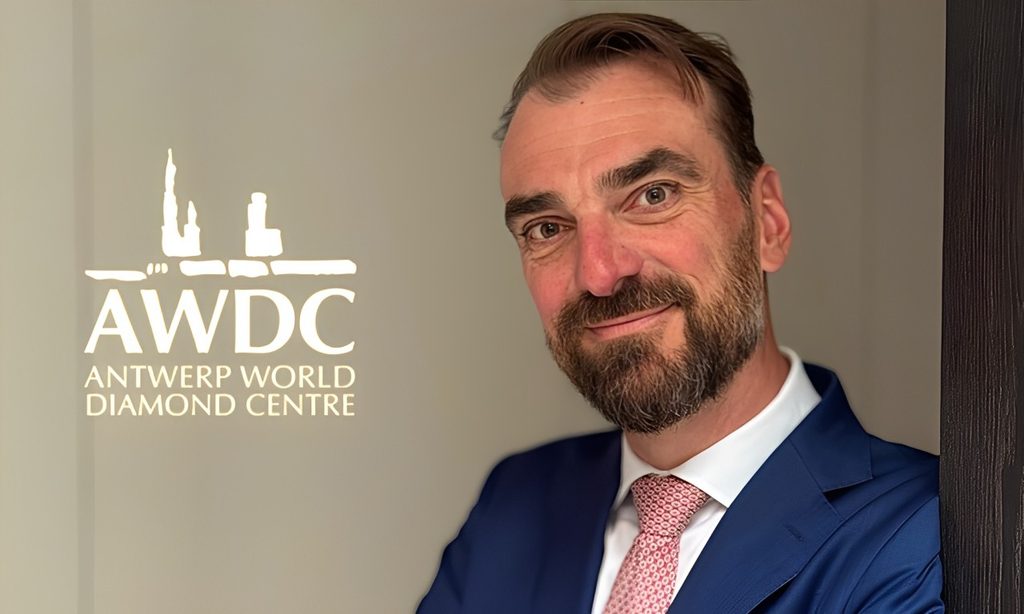
“As the authority in grading reports for natural diamonds and diamond jewellery, and in research into natural diamonds, we are already firmly established in India today”, says Paul De Wachter, CEO of HRD Antwerp. “India remains the world’s most important centre for diamond cutting. For a diamond laboratory such as HRD Antwerp, which provides cut natural diamonds with an independent and objective grading report, it is therefore essential to keep investing in this market.”
Thanks to the expansion, HRD Antwerp in Mumbai can now examine and grade up to 2,000 diamonds per day, a capacity increase of 30%. To support this additional capacity, HRD Antwerp is recruiting 40 additional employees to work full time. The investment underlines HRD Antwerp’s confidence in the Indian market and strengthens the longstanding cooperation between Belgium and India within the international diamond and jewellery sector.
During the opening, Prime Minister Bart De Wever was given a tour of the renovated office. He was shown the diamond grading process and was able to examine a diamond up close himself using a microscope. The demonstration was provided by HRD Antwerp’s Indian experts.
Alongside the Prime Minister, also present were Paul De Wachter, CEO of HRD Antwerp, Ramakant Mitkar, Managing Director of HRD Antwerp India, Chirag Shah, Vice Chairman of AWDC, Didier Vanderhasselt, Belgian Ambassador to India, and Frank Geerkens, Consul General of Belgium in Mumbai.
Paul De Wachter, CEO of HRD Antwerp: “The visit of our Prime Minister underlines the importance of cooperation between Belgium and India within the global diamond sector. India and Antwerp together form two indispensable links in the international diamond chain. With this expansion, we are investing not only in additional capacity, but above all in the future of our cooperation with the Indian diamond and jewellery sector.”
Bart De Wever, Prime Minister of Belgium wrote the following message in HRD Antwerp’s guestbook during his visit: ” Sicut adamas fulget, ita fiducia inter gentes monet. As a diamond shines, so trust endures between nations “



Belgian Prime Minister Bart De Wever opens expanded HRD Antwerp laboratory in Mumbai

Verlas Introduces the ‘Alyssa’ Collection in India, Bringing Modern Luxe Floral-Inspired Design to Lab-Grown Diamond Jewelry Crafted in Fine Gold

Gold rebounds,Silver reclaims Rs 2.33 lakh mark

Limelight Lab Grown Diamonds Inaugurates Showroom In Kalyan, Its 8th Exclusive Store MMR
Verlas Introduces the ‘Alyssa’ Collection in India, Bringing Modern Luxe Floral-Inspired Design to Lab-Grown Diamond Jewelry Crafted in Fine Gold
Belgian Prime Minister Bart De Wever opens expanded HRD Antwerp laboratory in Mumbai
-
 National News2 days ago
Limelight Lab Grown Diamonds Inaugurates Showroom In Kalyan, Its 8th Exclusive Store MMR
-
 BrandBuzz14 hours ago
Verlas Introduces the ‘Alyssa’ Collection in India, Bringing Modern Luxe Floral-Inspired Design to Lab-Grown Diamond Jewelry Crafted in Fine Gold
-
 DiamondBuzz14 hours ago
Belgian Prime Minister Bart De Wever opens expanded HRD Antwerp laboratory in Mumbai
-
 National News16 hours ago
Gold rebounds,Silver reclaims Rs 2.33 lakh mark