
DiamondBuzz
De Beers confirms Botswana, Angola and Namibia bids

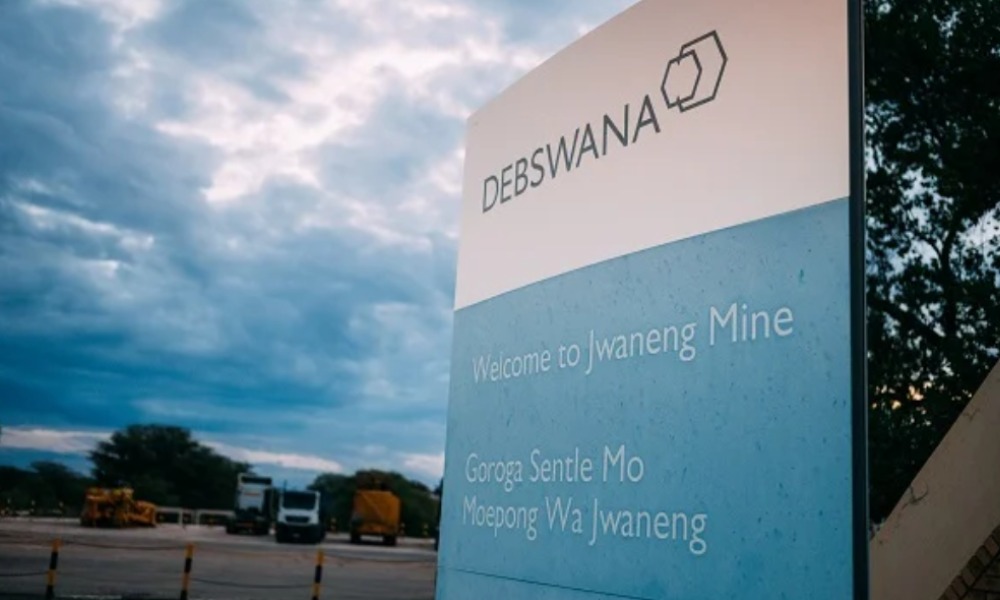
De Beers has confirmed that Botswana, Angola and Namibia have expressed interest in acquiring equity in the company, along with a number of unnamed business groups. These countries lining up to buy into De Beers isn’t just a corporate transaction; it’s a long-overdue correction of history. For over a century, the diamond industry’s profits flowed largely toward London. Now, as Anglo American struggles to offload its 85% stake, the “Diamond Giant” is finally coming home.

CEO Al Cook’s confirmation of these bids marks the end of the colonial-era mining model. Botswana is no longer content with a 15% seat at the table—they want the head of it. And they should. With diamonds representing a third of their government revenue, owning the company is a matter of national security.
Critics will point to the “loss-making” nature of the current market and the missed 2025 deadline as signs of trouble. But they are missing the forest for the trees. By forming an African producer-country partnership, these nations can stabilize supply, control marketing, and ensure that the “sparkle” of a diamond benefits the soil it came from. The delay in the deal shouldn’t be seen as a failure, but as the careful construction of a new, sovereign future for the luxury industry.
From a stakeholder perspective, the interests of Botswana, Angola, and Namibia are not perfectly aligned. Botswana’s pursuit of a majority stake seeks “controlling influence,” whereas Angola’s collaborative approach emphasizes regional stability. This creates a “Bargaining Power of Suppliers” shift; if the producer nations own the firm that mines, markets, and sells the diamonds, they vertically integrate the entire value chain


DiamondBuzz
Richemont and Signet Jewelers Could Join Global Diamond Consortium In Bid For De Beers
Richemont, Signet Would Connect The Consortium To Key Global Growth Vectors Spanning Luxury High Jewelry and Mass-Market Retail.


The Global Diamond Consortium (GDC)
Richemont and Signet Jewelers are reported to be in talks about joining the Global Diamond Consortium (GDC), the preferred bidder for De Beers according to a Bloomberg News report.
GDC was selected in July 2026 as one of Anglo American’s preferred bidders for De Beers as part of Anglo American’s ongoing corporate restructuring.
The potential inclusion of Richemont—owner of luxury Maisons including Cartier and Van Cleef & Arpels—and Signet Jewelers—the world’s largest retailer of diamond jewelry, operating brands such as Kay Jewelers, Zales, and Jared—would connect the consortium to key global growth vectors spanning luxury high jewelry and mass-market retail.
Strengthening the Natural Diamond Ecosystem: Participation by major luxury brands and global retail leaders reinforces commitment across the entire value chain—from responsible mining and manufacturing to consumer engagement.
Balanced Governance Structure: Discussions center on potential minority equity positions that would support long-term category growth while maintaining appropriate separation between ownership and commercial strategy.
Broad Stakeholder Participation: The consortium continues to advance talks with host governments, including discussions with the Government of Botswana regarding a potential increase in its equity share in De Beers from 15% to approximately 25%, alongside participation from private investors and southern African host nations.
Discussions between GDC, Richemont, Signet, and participating government stakeholders remain ongoing. Terms of any potential participation, including the size of equity interests, have not been finalized and remain subject to regulatory approvals and definitive documentation.



Belgian Consul General H. E. Mr. Pierre Stverlynck Graces BDB Annual Day

Limelight Lab Grown Diamonds Crosses 100 Stores Milestone This Dussehra: Targets 200 In 2027

Joyalukkas Opens Its 2nd Bengaluru Showroom in Jayanagar

US Holiday Shopping Expected To Top $1 Trillion For The First Time: NRF
Belgian Consul General H. E. Mr. Pierre Stverlynck Graces BDB Annual Day
Limelight Lab Grown Diamonds Crosses 100 Stores Milestone This Dussehra: Targets 200 In 2027
-
 International News19 hours ago
US Holiday Shopping Expected To Top $1 Trillion For The First Time: NRF
-
 National News13 hours ago
Belgian Consul General H. E. Mr. Pierre Stverlynck Graces BDB Annual Day
-
 National News14 hours ago
Limelight Lab Grown Diamonds Crosses 100 Stores Milestone This Dussehra: Targets 200 In 2027
-
 New Premises15 hours ago
Joyalukkas Opens Its 2nd Bengaluru Showroom in Jayanagar
