JB Insights
The First Gold Story: How Gen Z Is Celebrating Their First Salary
By Mr. Hemant Chavaan
Head Of Marketing, E-Commerce and CRM At PNG Jewellers


For previous generations, purchasing gold was often associated with weddings, festivals, and family investments. For Gen Z, however, the journey with gold is beginning much earlier. Across India, a growing number of young professionals are choosing to buy their first piece of gold jewellery with their first salary, transforming gold into a symbol of personal achievement, financial independence, and self-expression.
Hemant Chaavan, Head Of Marketing, E-Commerce and CRM At PNG Jewellers

This shift reflects a broader change in consumer attitudes. Today’s young buyers are not waiting for traditional milestones to own jewellery—they are creating milestones of their own.
Gold as a Reward for Success

Among Gen Z consumers, the first salary represents much more than a pay cheque. It symbolises years of hard work, education, and the beginning of financial freedom. Purchasing gold jewellery has become a meaningful way to celebrate this achievement.
Retailers are increasingly witnessing customers in the 22–25 age group choosing lightweight chains, rings, pendants, and bracelets that align with their first disposable incomes. Unlike earlier generations that viewed gold primarily as an investment, Gen Z seeks a balance between emotional value, personal style, and long-term worth.
Regional Trends Across India

Consumer motivations vary significantly across regions.
In Maharashtra and metropolitan cities, first-salary purchases are largely driven by self-reward and fashion, with young professionals opting for contemporary, lightweight jewellery suitable for both work and social occasions.
In Uttar Pradesh and Bihar, gold continues to carry strong cultural and aspirational significance, with many young buyers celebrating their first purchase as a proud family moment shared with parents and relatives.
Meanwhile, emerging urban centres across Madhya Pradesh reflect a blend of both behaviours, combining a preference for modern designs with an appreciation for the long-term value of precious metals.
The Rise of Lightweight Jewellery
The growing popularity of lightweight jewellery has played a crucial role in enabling this trend. Design-led collections in lower weight categories have made gold more accessible to first-time buyers, encouraging young consumers to experiment with multiple styles rather than investing in a single traditional piece.

A Relationship That Begins Early
Perhaps the most significant aspect of this shift is that it marks the beginning of a lifelong relationship with jewellery. Consumers who purchase gold with their first salary often return for future milestones, including weddings, anniversaries, gifting, and investments.
As Gen Z enters the workforce in larger numbers, the “first gold” moment is emerging as an important category in itself. It reflects a generation that values both individuality and financial prudence, proving that gold remains as relevant as ever—even as the motivations for buying it continue to evolve.


JB Insights
From Gold to Experience: How Jewellery Retail Is Evolving into Lifestyle
Anil Jose, Managing Director, TT Devassy Jewellery
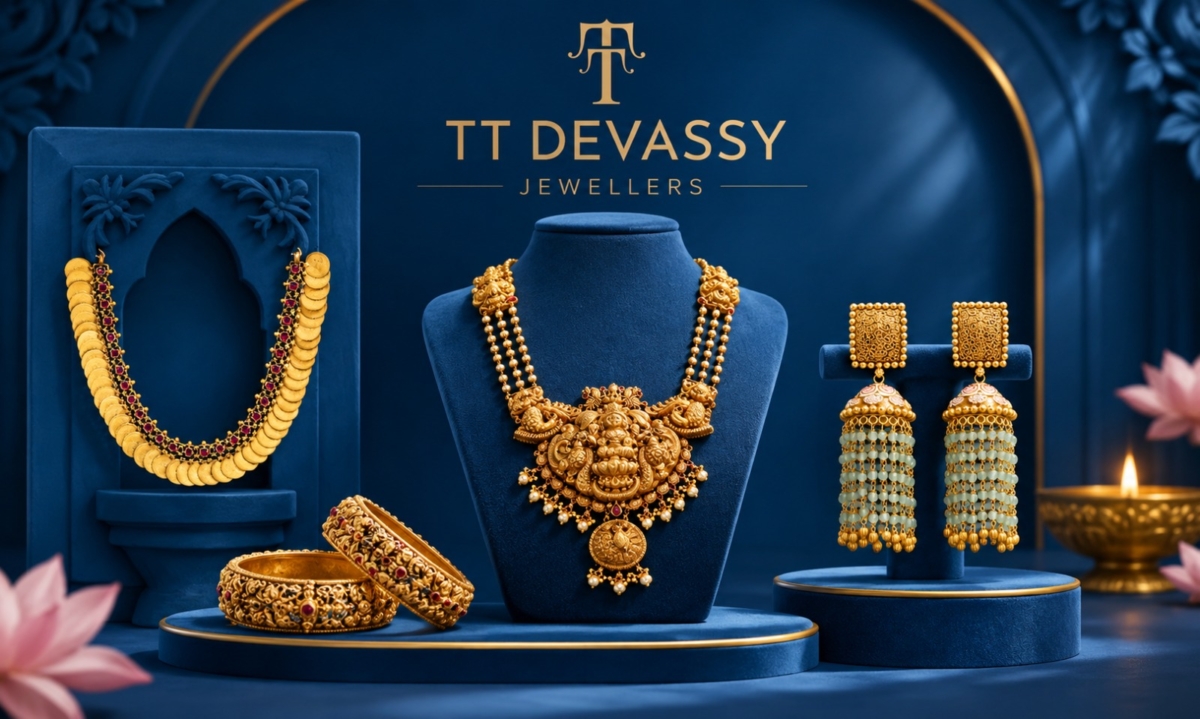
Changing consumer preferences are transforming jewellery retail, with experience-led showrooms, everyday wear and personal expression redefining how brands connect with customers
For generations, buying jewellery in India has been entangled with occasions. Weddings, festivals, anniversaries and family milestones have traditionally shaped when and why people purchase jewellery. Gold, in particular, has a unique place in Indian households, representing not just beauty but also security, tradition and long-term value.
That relationship remains strong. What is changing is the role jewellery plays in everyday life. Consumers are increasingly buying jewellery not only to mark an occasion, but also to express their personality, complement an outfit, celebrate a personal achievement or simply enjoy something they connect with.
For jewellery retailers, this represents a significant shift.
Jewellery Showroom as an Experience
The modern jewellery customer journey is becoming more experiential. A customer may discover a design on social media, explore collections online, compare options and then visit a store to experience the product in person. The showroom is therefore no longer simply a place to display products; it has become an important part of the brand experience.
This is also reflected in the expansion of organised jewellery retail in India. As per a research, jewellery’s share of organised retail leasing in India rose from 2% in 2019 to 8% in 2025, making it one of the country’s top three retail demand drivers. At the same time, larger, experience-led formats are gaining ground, with stores exceeding 8,000 sq. ft. accounting for half of jewellery retail leasing in 2025, compared with 14% in 2019.
The implication is simple: a jewellery store can no longer be just a place where products are displayed. It needs to be a place where customers discover, explore and connect with a brand.
From ownership to self-expression
Traditionally, jewellery was often purchased with a long-term perspective. It was an asset, an heirloom and something intended to be passed down through generations.
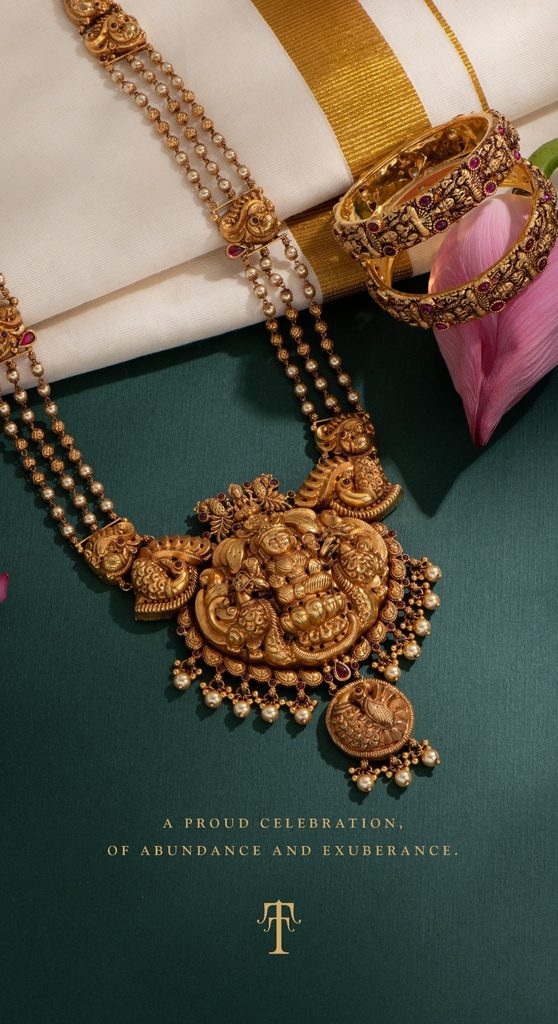
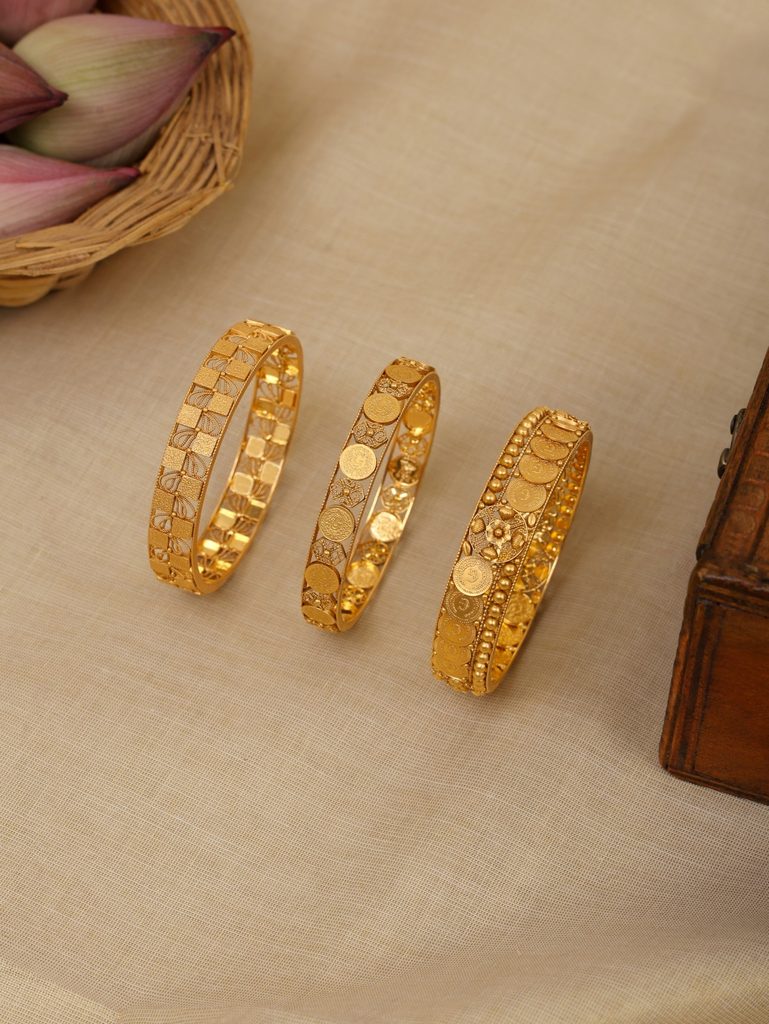
Those motivations remain important, but a new layer is emerging; personal expression. Younger customers are increasingly drawn to lightweight, versatile and contemporary pieces that can reflect their individual style and be worn across occasions.
Building a jewellery wardrobe
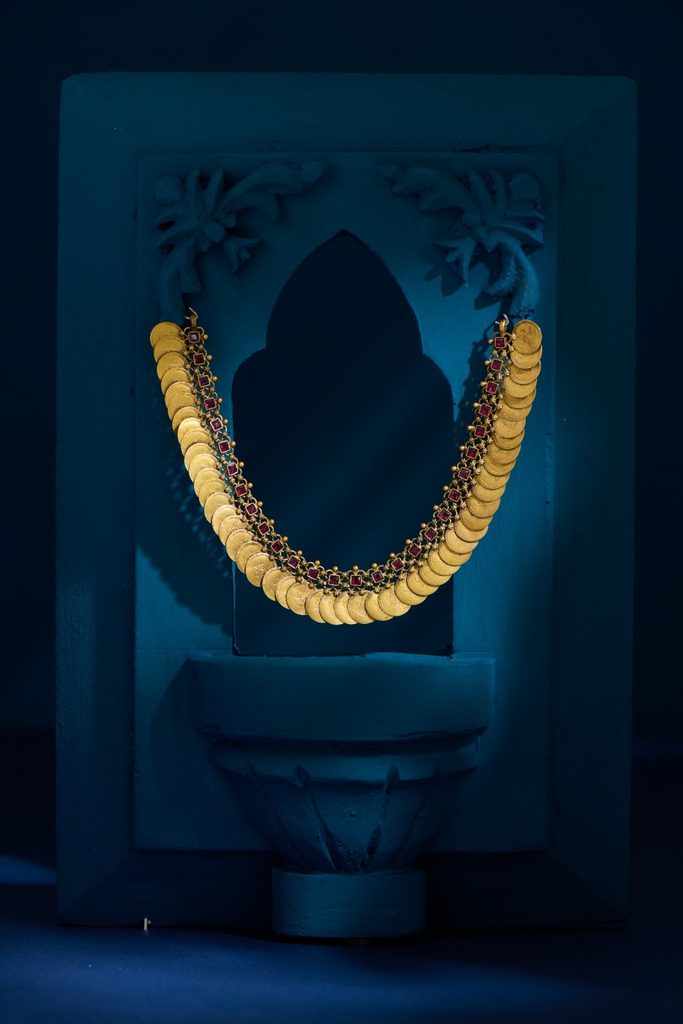
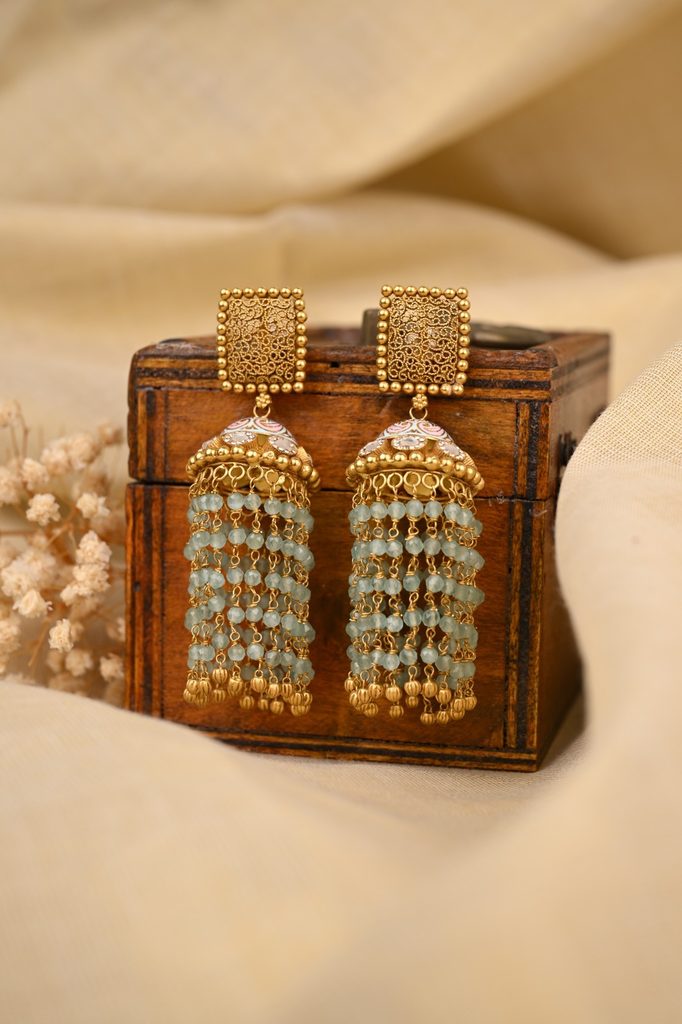
In many ways, jewellery is beginning to develop its own version of a wardrobe. There are traditional pieces for weddings and festivals, minimalist designs for everyday wear and statement pieces for celebrations.
This creates an opportunity for retailers to move beyond individual transactions and become part of more moments in a customer’s life. When jewellery becomes relevant to more occasions, it naturally becomes less occasional and more habitual.
Trust remains timeless
For all the changes in jewellery retail, one factor remains constant, trust.
Transparency in pricing, confidence in quality and dependable after-sales service continue to shape customer relationships. Today, that trust extends to every part of the brand experience, from digital communication to the showroom itself.
Jewellery has always been about more than gold and precious stones. It represents relationships, memories, celebrations and identity. What is changing is how frequently and personally consumers choose to express those emotions through jewellery.
The opportunity for retailers is to evolve from occasion-driven sellers into lifestyle brands; brands that understand how customers live, what they value and how jewellery fits into their everyday stories.
Gold may remain timeless. But the experience surrounding it is becoming the real differentiator.


GJEPC Activates Indian Embassies In 70+ Countries To Promote IGJS Jaipur 2027

Gold Edges Higher On MCX In Early Trade

Kalyan Jewellers India Limited Recorded Revenue In Excess Of Rs 20,900 Crore and PAT of Rs 776 Crore For The First Half Of FY27
-
 National News21 hours ago
Dhanteras-Diwali 2026: Strong Footfalls, Value-Led Growth Across India’s Jewellery Trade
-
 GlamBuzz21 hours ago
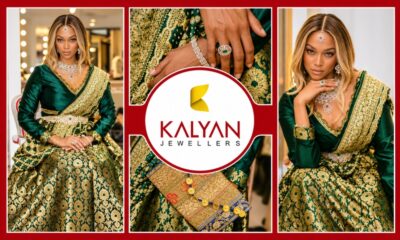
Supermodel Tyra Banks Wears Kalyan Jewellers To Diwali Celebration In New York
-
 National News1 hour ago
Gold Edges Higher On MCX In Early Trade
-
 National News1 hour ago
GJEPC Activates Indian Embassies In 70+ Countries To Promote IGJS Jaipur 2027