
National News
FinMin Urges RBI to Exempt Small Gold Loans from Draft Norms, Proposes 2026 Rollout

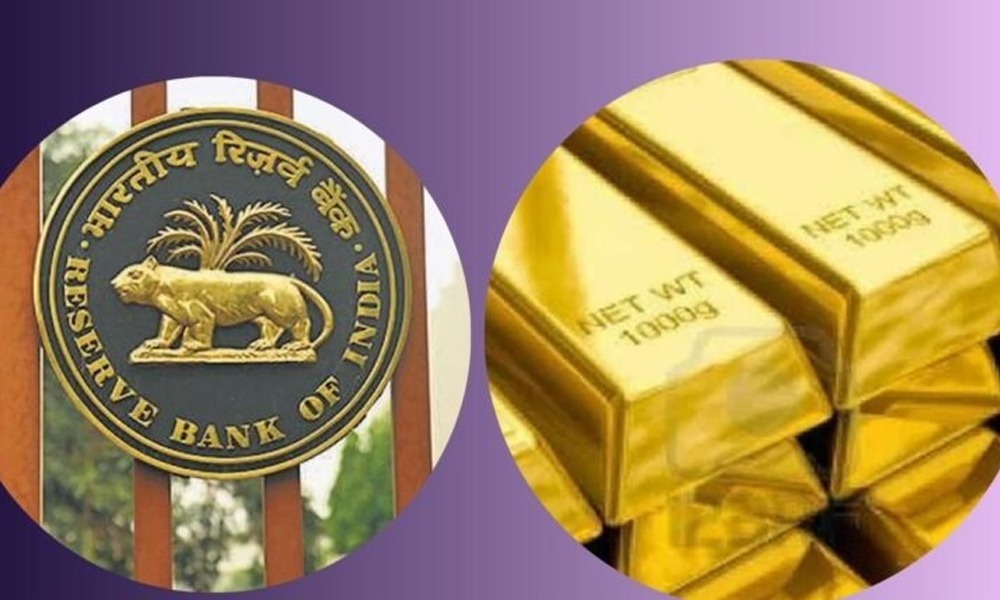
In response to growing concerns over the Reserve Bank of India’s (RBI) proposed gold loan regulations, the Union Ministry of Finance has urged the central bank to exempt small-ticket borrowers — those availing loans below ₹2 lakh — from the draft guidelines. The Department of Financial Services (DFS) has also recommended that the implementation of these new norms be deferred until January 1, 2026, to allow sufficient time for adaptation at the ground level.

The Ministry’s intervention follows a letter from Tamil Nadu Chief Minister M.K. Stalin, who highlighted the vital role gold-backed loans play in supporting small and marginal farmers. Stalin argued that such borrowers often lack formal land titles or income documentation, making gold loans their most accessible form of institutional credit. “This is not ornamental gold — it is their shield against life’s uncertainties,” Stalin said in a post on X (formerly Twitter), warning that the proposed RBI rules could harm the dignity and survival of poor and middle-class families.
The Finance Ministry stated on X that the DFS, under the guidance of Finance Minister Nirmala Sitharaman, has examined the draft regulations and submitted suggestions to the RBI to ensure that small borrowers are not adversely affected. Notably, nearly 70% of gold loan borrowers fall under the ₹2 lakh category, with the average loan size at ₹88,000, as per data from Muthoot Finance.
Muthoot Finance’s Managing Director, George Alexander Muthoot, welcomed the Ministry’s recommendations, calling them a progressive step toward balancing regulatory oversight with financial inclusion. He emphasized that the proposed exemption and phased rollout reflect a clear understanding of the realities faced by rural and underserved borrowers.
The RBI’s draft guidelines, released on April 9, seek to tighten regulations around gold loans amid a surge in lending and rising non-performing assets (NPAs). Key proposals include a 75% cap on the loan-to-value (LTV) ratio for consumption loans, verification of gold ownership, and a 12-month maximum term for bullet repayment loans. The RBI also proposed restrictions on loans backed by financial assets linked to gold or silver, such as ETFs and mutual funds.
The DFS has stressed the need for practical, phased implementation and reaffirmed that the RBI is currently reviewing feedback from stakeholders before finalizing the framework. According to RBI data, total gold loan outstandings stood at ₹11.11 lakh crore as of December 2024, up from ₹8.73 lakh crore a year earlier. NPAs in the segment have also increased, reaching ₹6,824 crore in December 2024, including ₹2,040 crore from commercial banks alone.
The Finance Ministry’s intervention is seen as a critical step in ensuring continued access to gold loans for vulnerable sections of society, while allowing time to build necessary systems to support responsible lending.







National News
BIS Introduces The Silver Refinery Certification Scheme; Framework Introduces “India Good Delivery For Silver”
Buyers, Institutional Investors, and Jewelers Are Guaranteed Strict Adherence To Exact Quality, Testing, and Traceability Standards. Silver From Any BIS-Approved Refinery Ensures A Verified Fineness and Purity


The Bureau of Indian Standards (BIS) has officially prioritized the domestic bullion sector by introducing the Silver Refinery Certification Scheme, that involved critical inputs and efforts by IBJA.
Mirroring the long-established certification ecosystem for gold, this framework introduces a structured “India Good Delivery for Silver” standard specifically tailored for silver bars and coins.
Buyers, institutional investors, and jewelers are guaranteed strict adherence to exact quality, testing, and traceability standards. Silver from any BIS-approved refinery ensures a verified fineness and purity.
Surendra Mehta, National Secretary- IBJA, said:

“BIS is introducing the Silver Refinery Certification Scheme, an initiative that involved critical inputs and efforts by IBJA. Mirroring the long-established certification ecosystem for gold, this framework introduces a structured India Good Delivery for Silver. Now, silver from any BIS-approved refinery ensures a verified fineness and purity. This will gradually end the impure silver bar market.”
Market structures have already evolved alongside this rollout. The Multi Commodity Exchange (MCX) aligned its exchange delivery protocols to accept BIS-standard domestic silver, allowing empanelled Indian refiners to fulfill physical delivery contracts directly on the exchange.
By formalizing the local refining of silver (including silver recovered as a by-product of gold dore), this scheme strengthens the domestic precious metals ecosystem in line with Aatmanirbhar Bharat objectives



India Delegation Arrives In Paris For Three Days Of Learning, Business & Collaboration

BIS Introduces The Silver Refinery Certification Scheme; Framework Introduces “India Good Delivery For Silver”

Navratri Edit By DAIMANTÉ: 9 Pendants, 9 Expressions Of Intention
BIS Introduces The Silver Refinery Certification Scheme; Framework Introduces “India Good Delivery For Silver”

Aspect Bullion & Refinery Launches “India’s Biggest Gold Fest” With Zero Making Charges On Gold Coins and Bars

GJEPC, ECGC Programme Underlines Recent Changes In Export Credit Insurance For The GJ Sector.
-
 National News5 hours ago
BIS Introduces The Silver Refinery Certification Scheme; Framework Introduces “India Good Delivery For Silver”
-
 National News6 hours ago
Aspect Bullion & Refinery Launches “India’s Biggest Gold Fest” With Zero Making Charges On Gold Coins and Bars
-
 National News6 hours ago
GJEPC, ECGC Programme Underlines Recent Changes In Export Credit Insurance For The GJ Sector.
-
 International News4 hours ago
India Delegation Arrives In Paris For Three Days Of Learning, Business & Collaboration
