

International News
Decline in the number of active US jewellery companies decelerated in Q2: JBT

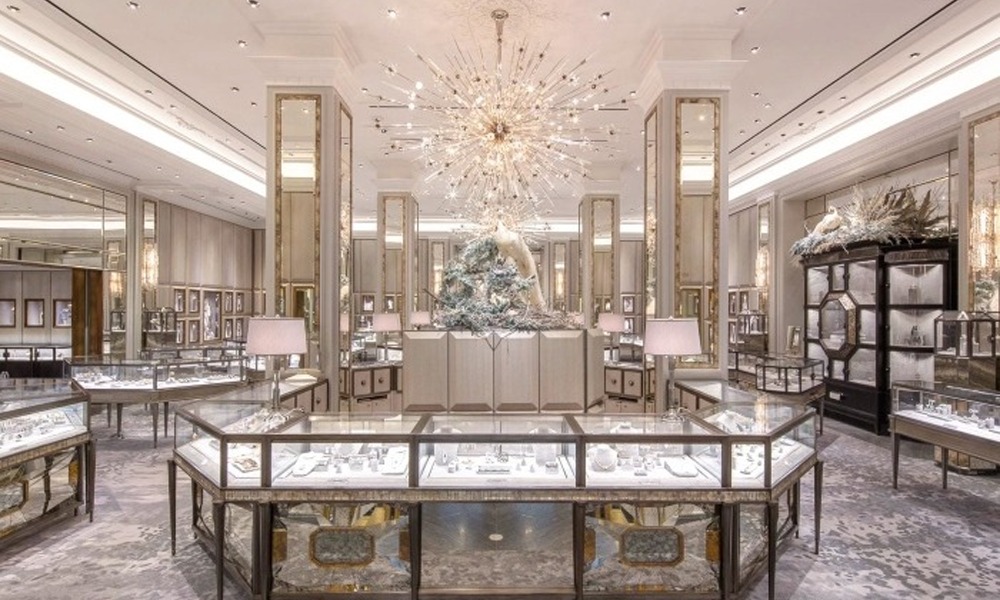
The United States jewelry industry, has recently shown a nuanced trend in its business landscape. While the overall number of active companies continues to decline, the pace of these closures has notably decelerated in the second quarter of 2025. This shift, as highlighted by the Jewelers Board of Trade (JBT) data, suggests a potential stabilization or a more gradual contraction within the sector, offering a glimmer of cautious optimism amidst ongoing adjustments.
During the three-month period ending June 30, 2025, a total of 174 US jewelry businesses ceased operations. This figure represents a significant 23% decrease in closures compared to the same quarter in the previous year, indicating a less volatile environment for existing firms. Despite this slowdown in closures, the total number of active jewelry companies in the US still stands at 22,218, a 3.1% reduction year-on-year and a marginal decrease of 112 firms from the preceding quarter. This suggests that while the industry is still contracting, the rate of this contraction is easing.
A closer examination of the reasons behind these discontinuations reveals a multifaceted picture. Mergers and takeovers accounted for 28 closures, pointing to a degree of consolidation within the industry as larger entities absorb smaller ones. Bankruptcies, often a stark indicator of severe financial distress, were responsible for only three closures, a relatively low number that might suggest underlying resilience or successful restructuring efforts by struggling businesses. The majority of closures, 143 to be precise, were attributed to “other reasons,” a broad category that could encompass factors such as retirement, strategic shifts, or simply a decision to exit the market without formal insolvency proceedings. Encouragingly, the period also saw the emergence of 97 new businesses, an increase from 83 in the prior year, indicating continued entrepreneurial activity and innovation within the sector.
The various segments of the jewelry industry experienced differing degrees of impact. Retailers, who form the largest component of the sector, saw their numbers decrease by 3% year-on-year, settling at 16,873 active businesses. This decline, while present, is in line with broader trends affecting brick-and-mortar retail across many industries. The wholesale trade also experienced a contraction, sliding 2.6% to 3,241 firms. The manufacturing sector, perhaps facing pressures from global supply chains and evolving production methods, recorded the steepest decline at 4.7%, reducing its count to 2,104 firms. These figures underscore the ongoing structural adjustments occurring across the entire value chain of the jewelry business.
Further insights into the financial health of the industry come from the JBT’s credit rating adjustments. During the second quarter, 561 companies across the US and Canada saw their credit ratings downgraded, an improvement from the 633 downgrades recorded a year earlier. More positively, 639 businesses received improved credit scores, and a substantial 663 companies experienced upgrades between April and June 2024. This trend in credit ratings suggests a stabilization, and in some cases, an improvement in the financial standing of many jewelry businesses, potentially reflecting better cash flow management, reduced debt, or stronger market positions for certain firms.
In conclusion, the latest JBT data paints a picture of an evolving US jewelry industry. While the sector continues to navigate a period of contraction, the marked deceleration in business closures, coupled with an increase in new entrants and an overall improvement in credit ratings for a significant number of firms, offers a more optimistic outlook. This suggests that the industry may be moving towards a more stable equilibrium, adapting to market dynamics, and potentially laying the groundwork for future growth, albeit with ongoing shifts in its composition and operational landscape.








DiamondBuzz
Diamond Slump forces Debswana to diversify into copper, platinum and solar
Diamond-centric mining models is giving way to broader resource portfolios
Debswana Diamond Company, the 50–50 joint venture between the Botswana government and De Beers, is moving to diversify into copper, platinum and renewable energy as the prolonged downturn in natural diamond demand pressures earnings and forces the industry to rethink its growth strategy.
The company’s board has approved plans to invest in a portfolio of non-diamond projects after revenue fell 46% in 2024, the latest available financial year, highlighting the scale of the downturn in the global diamond market.

The move signals a strategic shift toward commodities with stronger long-term demand fundamentals, particularly copper, which is central to global electrification and energy-transition infrastructure.
Debswana’s diversification reflects a broader industry pivot as diamond producers confront weak consumer demand, rising competition from lab-grown stones and elevated inventories across the supply chain.
The shift is also visible among smaller exploration companies. Botswana Diamonds recently rebranded as Botswana Minerals, signalling its own strategic focus on copper exploration rather than diamonds.
Together, these moves underscore a growing consensus across the sector: the era of diamond-centric mining models is giving way to broader resource portfolios anchored in energy-transition metals.


-

 National News1 hour ago
This Women’s Day, Dhirsons Jewellers Celebrates the Milestones in a Woman’s Journey
-
 BrandBuzz18 hours ago
The Pearl Edit: Thoughtful Women’s Day Gifting by GIVA
-

 BrandBuzz18 hours ago
Augmont Launches SPOT 2.0: One Platform. Every Product. Efficient Business
-

 BrandBuzz22 hours ago
Senco Gold & Diamonds Launches “SHAPE OF YOU”- AI Application for Women’s Day Celebration
