

JB Insights
ASHTH : The LGD Revolution Redefining Luxury
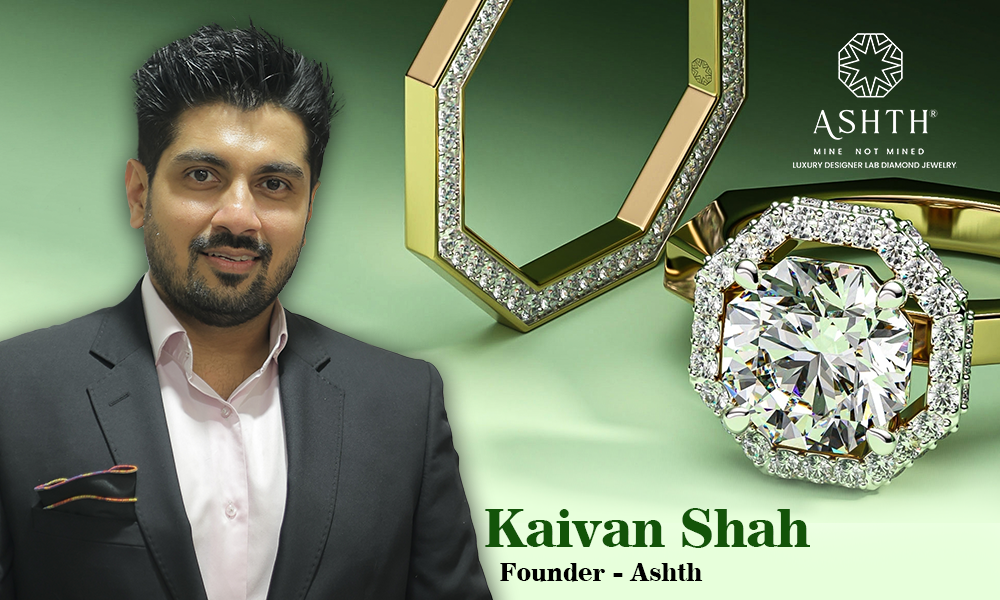
In a candid conversation with JewelBuzz, Kaivan Shah, founder of luxury LGD brand Ashth, reveals how the lab-grown diamond sector is fundamentally reshaping consumer behavior, pricing dynamics, and India’s global positioning in the jewelry market.

The New Luxury Paradigm
Kaivan challenges conventional wisdom about luxury, arguing that the industry is experiencing a tectonic shift from scarcity-based value to design-driven premiumization. “Old luxury was scarcity. New luxury is all about the new designs,” he states. “Diamond is just a medium to the artistry that we bring.”
This philosophical repositioning has significant business implications. Rather than competing on exclusivity or natural origin, lab-grown diamond brands are staking their competitive advantage on craftsmanship, innovation, and emotional resonance with consumers.
Debunking the Affordability Myth
One of the most striking revelations concerns market segmentation. Industry observers have long characterized lab-grown diamonds as products for lower-income consumers. Kaivan dismantles this narrative entirely.
“Billionaires are the first ones to actually shift themselves to the lab-grown industry,” he asserts, citing value-consciousness rather than affordability constraints as the driver. The democratization of access—where both billionaires and middle-class consumers purchase lab-grown jewelry—signals a fundamental market maturation beyond price-point positioning.
This cross-spectrum adoption validates lab-grown diamonds as a mainstream category rather than a budget alternative, with profound implications for marketing strategies and retail positioning.
The Gen Z Value Proposition
Consumer behavior analysis reveals generational fault lines. Kaivan identifies Gen Z buyers as “even more aware about the ethics, where the thing is coming from, where the diamond is sourced.” This group eschews jewelry as social signaling—a departure from previous generations who selected pieces to demonstrate status.
Instead, modern consumers prioritize personal alignment and ethical considerations. They recognize diamonds as non-investment purchases where “the only people who are making money are the person selling the diamonds, not the one who’s purchasing.”
This sophisticated buyer understanding eliminates the investment mystique that historically supported natural diamond pricing premiums, creating headwinds for traditional players while accelerating lab-grown adoption.
Design Innovation as Competitive Moat
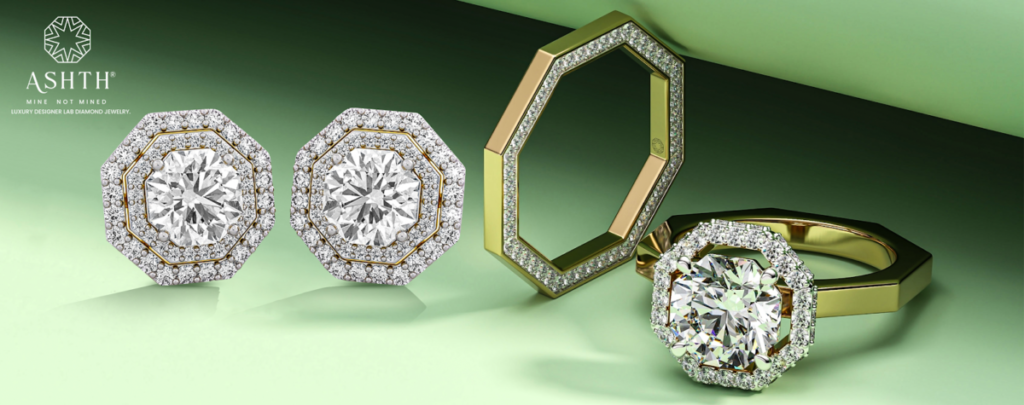
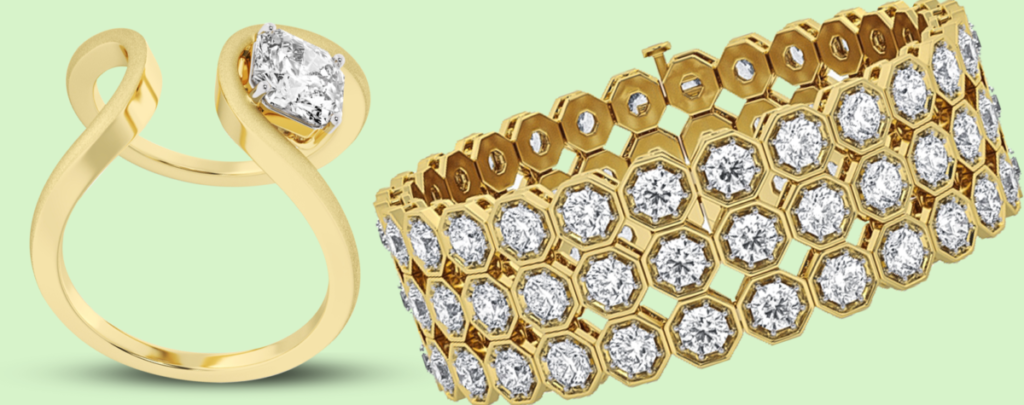
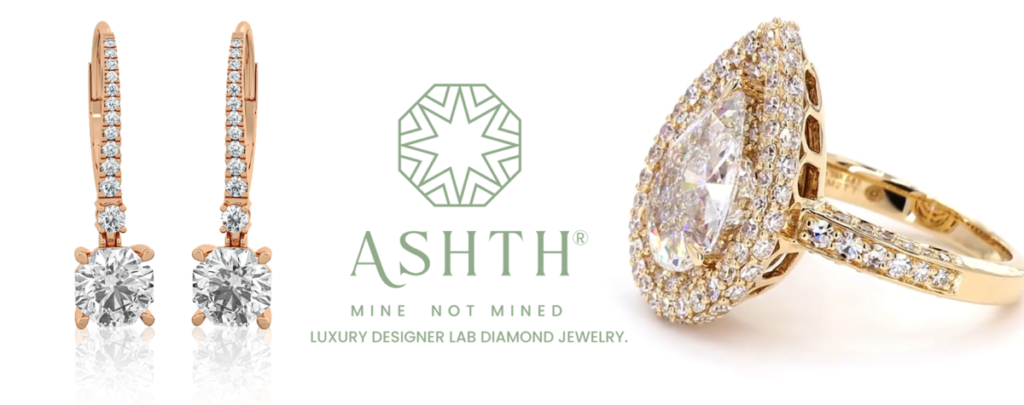
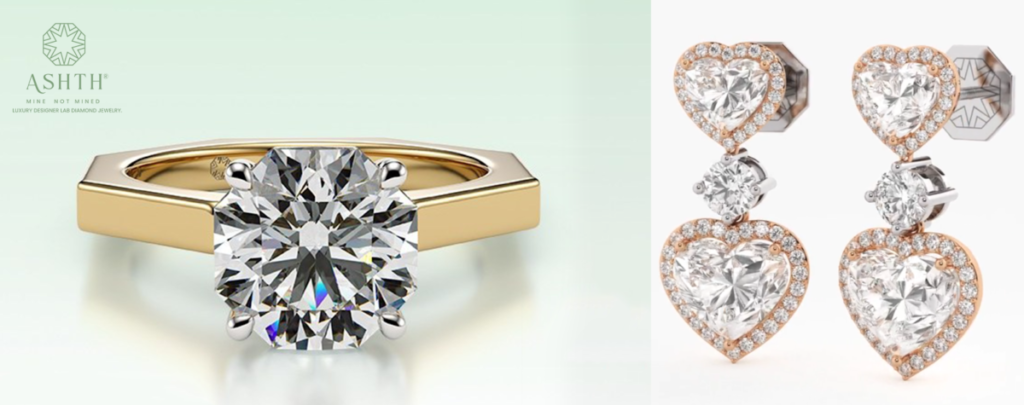
Kaivan’s product showcase illustrates how lower price points enable unprecedented design experimentation. Examples include:
- A 97-facet signature “Ashth cut” ring representing proprietary intellectual property
- Detachable earrings offering multiple wearing configurations
- Rose-cut pieces with black rhodium finishes for cocktail wear
- Solitaire-within-solitaire conceptual designs
The affordability of larger lab-grown stones permits design complexity previously economically unfeasible with mined diamonds. This creates differentiation opportunities beyond the commodity characteristics of the stones themselves.
India’s Strategic Opportunity
Perhaps the most ambitious claim addresses India’s global positioning. Kaivan argues that India possesses the cultural richness, craftsmanship heritage, and manufacturing scale to become “the design capital of the world” in jewelry.
“We are not here just as laborers to cut the diamonds. We are here to define these diamonds and make India the capital of designing—have a Cartier, Tiffany at that level,” he contends.
This vision requires transcending India’s historical role as a low-cost manufacturing hub to establish premium design houses with global brand equity. The lab-grown sector, with its rapid growth trajectory and Indian manufacturing dominance, provides the platform for this repositioning.
Market Maturation Imperatives
Kaivan issues a call to action for industry consolidation: “It’s time we make it a little more organized. It’s time we let the world know the capabilities that we all as a combined unit bring as a force together.”
This recognition of fragmentation challenges suggests the sector remains in early-stage development despite rapid growth. Organizational maturity, collective marketing, and unified quality standards will determine whether lab-grown diamonds achieve sustained premium positioning or commoditize into a race-to-the-bottom price war.
Strategic Implications
For industry stakeholders, several strategic priorities emerge:
For Established Jewelers: The threat extends beyond pricing to fundamental value propositions. Scarcity messaging appears increasingly obsolete with value-conscious, ethically-minded consumers. Design excellence and brand storytelling become critical differentiators.
For Lab-Grown Entrants: First-mover advantages in design innovation and premium positioning remain available, but industry fragmentation poses risks. Collective action on standards and marketing may determine category-level success.
For Investors: The cross-demographic adoption pattern and manufacturing scale in India present growth opportunities, though market organization and brand differentiation will separate winners from casualties in an inevitably consolidating sector.
For Policy Makers: Supporting India’s transition from manufacturing commodity to design leadership requires investments in design education, intellectual property protection, and global brand development infrastructure.
Conclusion
The lab-grown diamond sector represents more than technological disruption or pricing arbitrage. It embodies a fundamental reconceptualization of luxury—from exclusivity to accessibility, from scarcity to creativity, from social signaling to personal expression.
Whether this revolution elevates India to global design leadership or fragments into commoditization depends on the industry’s ability to organize, innovate, and articulate a compelling value proposition beyond price. The tools are available; execution will determine outcomes.


JB Insights
Two Centuries of Trust, One Vision Forward: Chandukaka Saraf On Legacy, Leadership and The Future Of Jewellery Retail
Design Inspired By The Bone Cuff, A Classic Tiffany Jewelry Piece Designed By Elsa Peretti In 1970
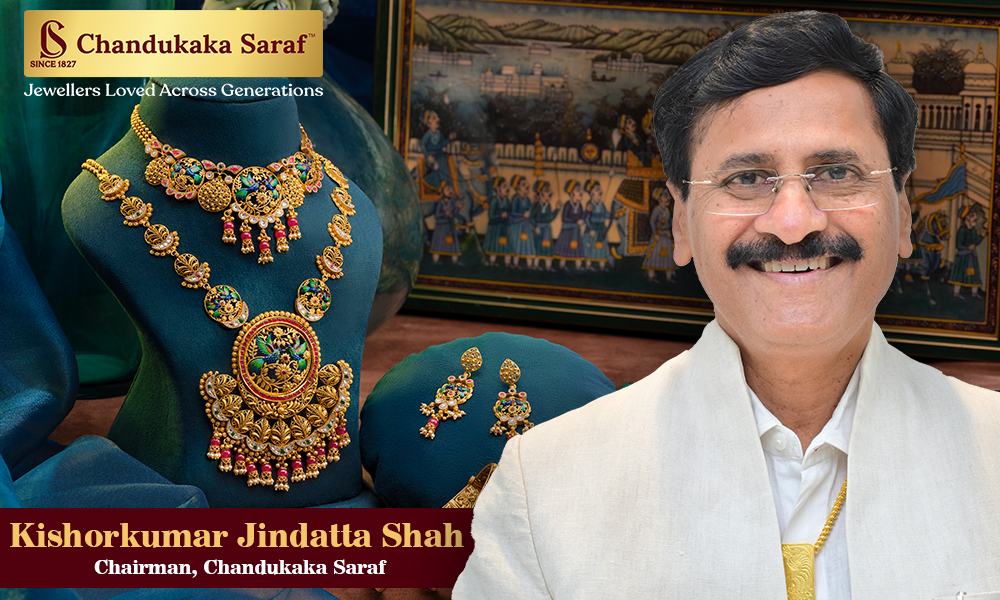
In a candid interaction with JewelBuzz, Kishorkumar Jindatta Shah, Chairman- Chandukaka Saraf, reflects on steering a legacy brand founded in 1827 into a new era of growth and relevance. With nearly 200 years of heritage behind it, the Maharashtra-based jewellery house has built its reputation on purity, transparency and deep-rooted customer relationships. Today, as consumer preferences evolve and digital engagement reshapes retail, the brand is consciously balancing its historic credibility with innovation-led expansion across markets.
Q1 – Chandukaka Saraf has a legacy dating back to 1827. How do you balance preserving this two-century heritage while evolving the brand for today’s modern jewellery consumer?
Our legacy is our biggest asset and strength. It represents nearly 200 years of credibility, deep consumer understanding, and consistent service. This journey has given us a strong insight into customer expectations across generations.
At the same time, as a brand, we have always worked hard to stay relevant by adapting to evolving consumer needs and continuously raising the bar in jewellery design and retail experience. Preferences and tastes have changed at every stage over the last two centuries, and we have consistently focused on offering the best designs while also setting trends in the market.
The trust and loyalty our customers have shown us is what drives our progress, and it comes with a deep sense of responsibility. That is why we continue to place strong emphasis on transparency, purity assurance, and customer-first values, while evolving for today’s modern jewellery consumer.
Q2 – As one of Maharashtra’s most trusted jewellers, what core values or practices have been key to building and sustaining customer trust across generations?
At Chandukaka Saraf, purity and transparency are the values that have shaped our trust across generations.
While our foundation has remained unchanged, we have consistently evolved our systems, processes, and teams. Our journey from a family-run business to a professionally led organisation has been central to building sustainable growth, without ever losing sight of what matters most — customer confidence and customer aspirations.
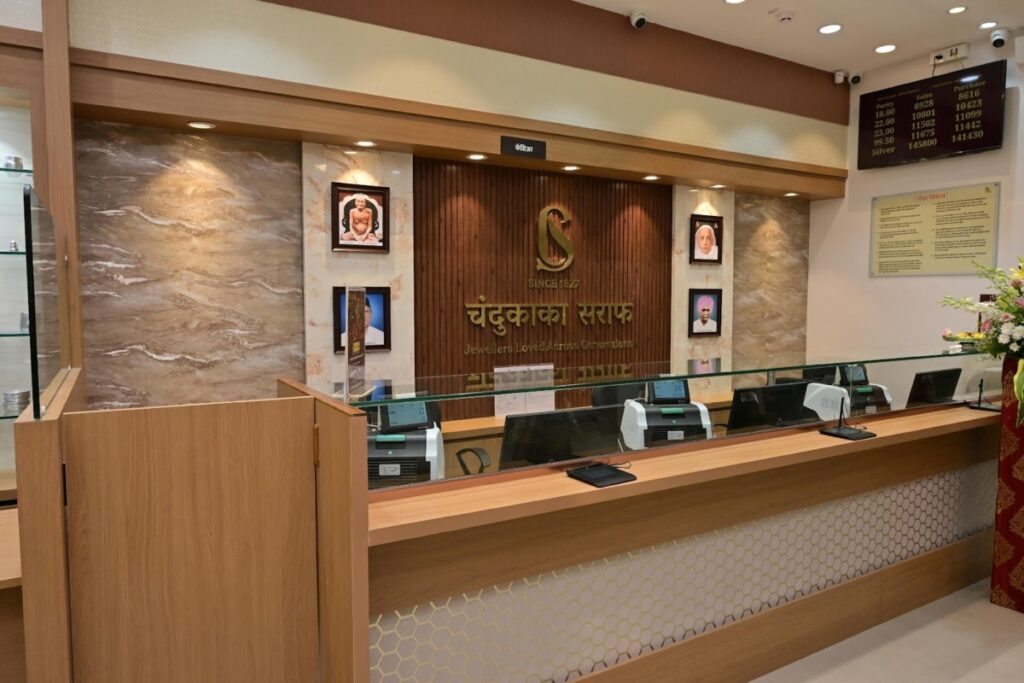
Q3 – The brand has expanded steadily across Pune, Baramati, and other cities. What has guided your expansion strategy, and how do you evaluate new markets within Maharashtra and beyond?
Expansion has been an integral part of Chandukaka Saraf’s growth strategy. From the beginning, our approach has been very deliberate. We entered markets where we saw strong jewellery buying behaviour, long-term commercial potential, and most importantly, an opportunity to build a loyal customer community over time.
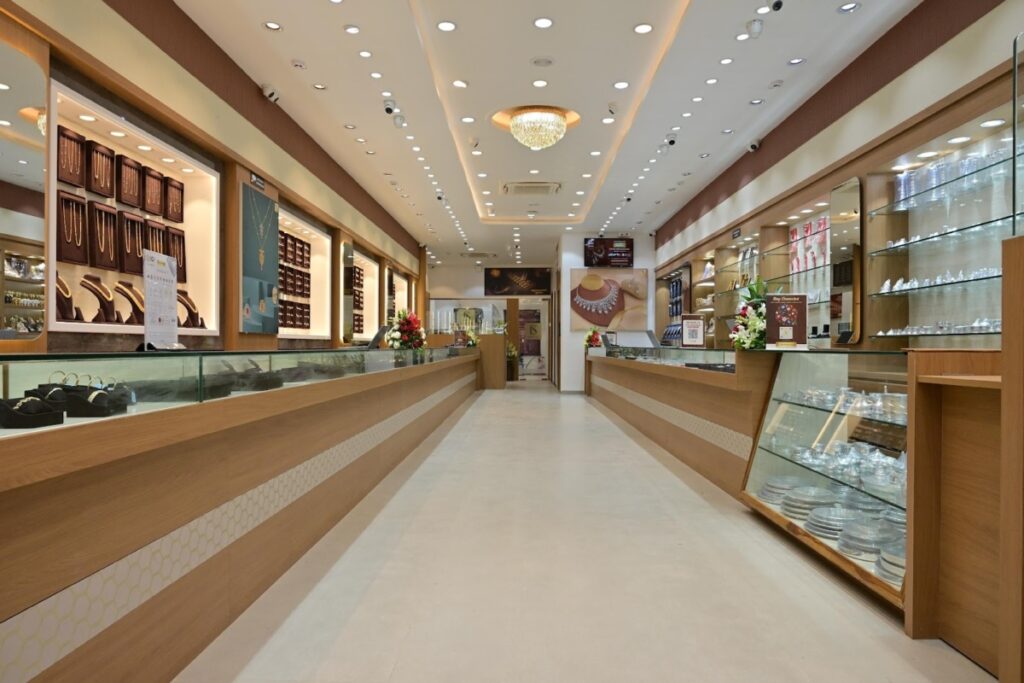
This disciplined approach has helped us expand steadily without ever compromising on our values, trust, or brand promise. Today, Chandukaka Saraf has a strong presence of 17 stores across Maharashtra.
Before we enter any new market, we ensure complete operational readiness — from building the right teams and strengthening sourcing to aligning service standards and curating the right product mix for that region. With this foundation in place, we are now taking the next step in our growth journey by entering the Karnataka market, with the same focus on trust, transparency, and customer experience.
Q4 – How is Chandukaka Saraf adapting to changing consumer preferences, especially among younger buyers who value design, transparency, and digital engagement?
Younger customers today are more informed, design-driven, and digitally connected. They value transparency, authenticity, and brand experience as much as the jewellery itself.
Chandukaka Saraf is adapting by:
Expanding contemporary and lightweight collections
Creating designs that fit modern lifestyles and daily wear
Strengthening transparency through clear communication and education
Building stronger digital engagement and content-led storytelling
We respect the fact that the younger generation wants to buy with confidence and clarity and we see that as a positive shift for the industry.
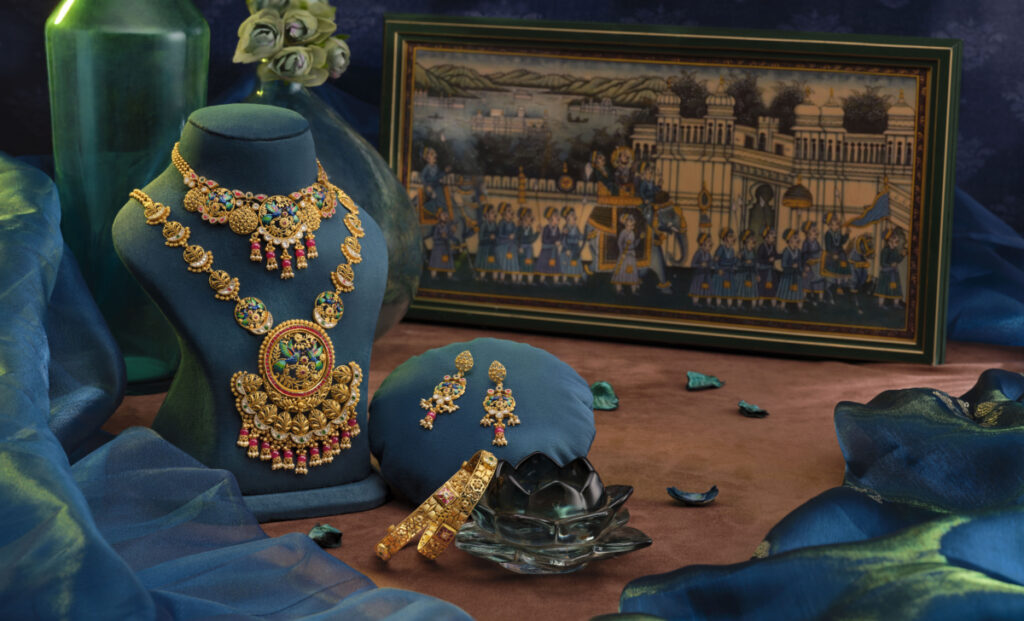
Q5 – With innovation becoming central to jewellery retail, what role do technology, design innovation, and omnichannel strategies play in your growth roadmap?
We have lived this business for nearly two centuries, and one thing is very clear, this journey would not have been possible without innovation at every stage. Whether it was design, customer service, retail experience, or business processes, Chandukaka Saraf has always evolved with the times.
Today, the pace of innovation, design upgradation, and digitalisation is phenomenal and in many ways, both exciting and challenging. But it also pushes us, as a professionally led team, to stay ahead of the curve and continuously bring in what is relevant. We closely track how the future is evolving, whether in design trends, technology, customer expectations, or operational processes.
Omnichannel is also becoming a strong pillar for the brand. Customers today may discover us online, shortlist designs digitally, and complete their purchase in-store. Our focus is to make this journey seamless, while ensuring the warmth, trust, and personalised experience of our showrooms always remains intact.
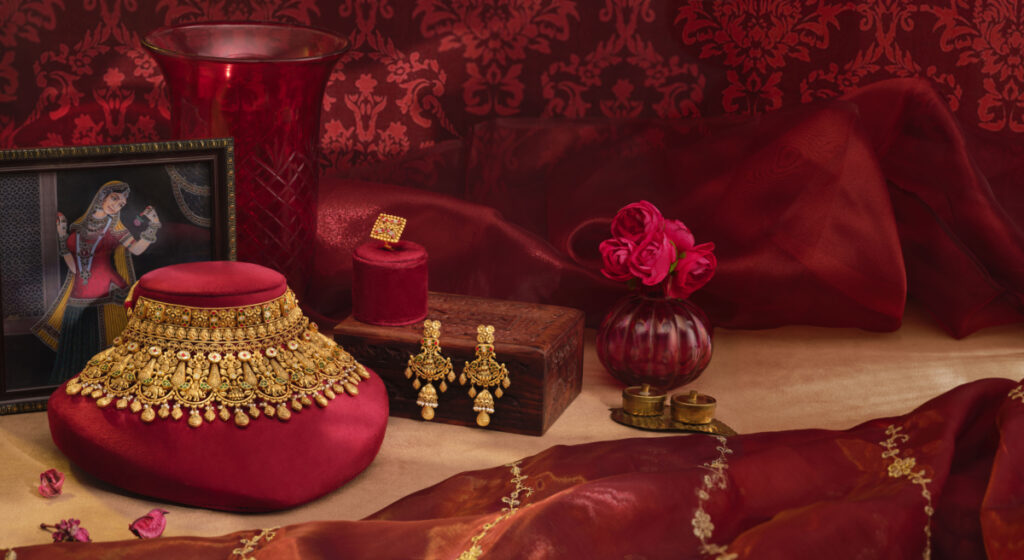
Q6 – Chandukaka Saraf is widely recognised for its rich legacy. Could you share the jewellery categories and signature styles that the brand is best known for today?
It would not be fair to define Chandukaka Saraf with one single design language, because the markets we serve: Pune, Baramati, Nashik, Solapur and beyond – represent a diverse set of customers, each with their own taste, traditions, and preferences.
Our strength lies in offering jewellery that fits every life stage; from everyday wear to milestone celebrations, while consistently maintaining quality, trust, and craftsmanship.
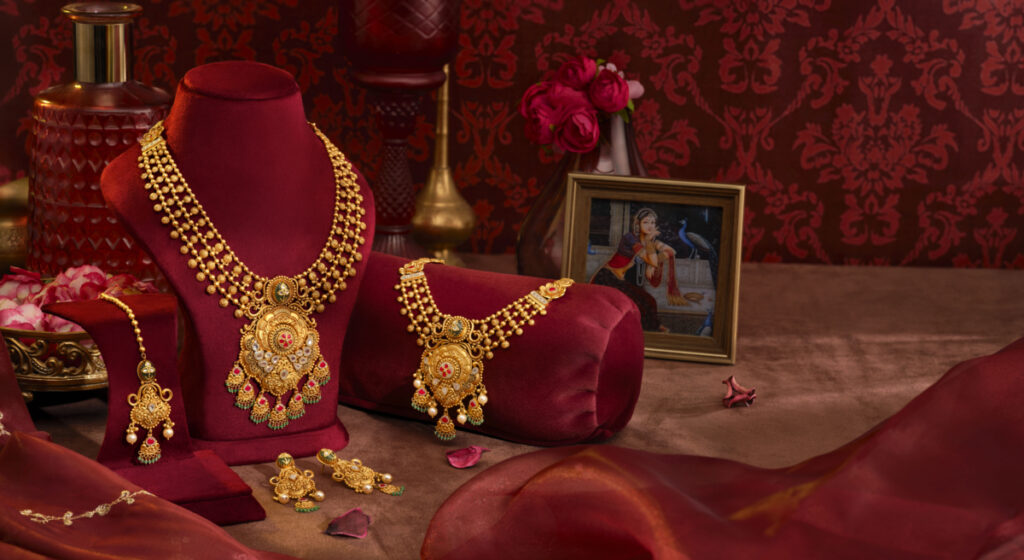
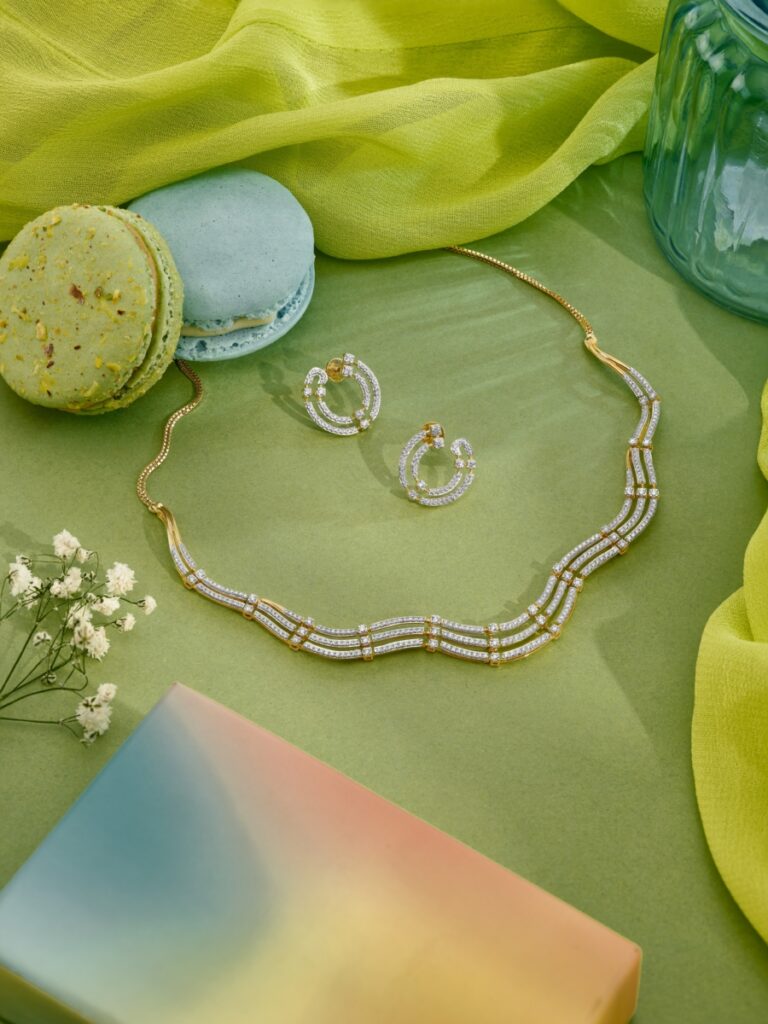
Category-wise, we have a strong presence in gold and diamond jewellery, with a deep focus on bridal and occasion-led collections. At the same time, we have also built a strong portfolio of modern, lightweight designs for daily wear, both in gold and diamonds. In addition, silver jewellery continues to be a significant part of our business.
When it comes to design, our role is to stay in a very relevant space, balancing the customer’s current taste with the customer’s future aspiration. That is where Chandukaka Saraf has always positioned itself, and that is what keeps the brand timeless yet contemporary.
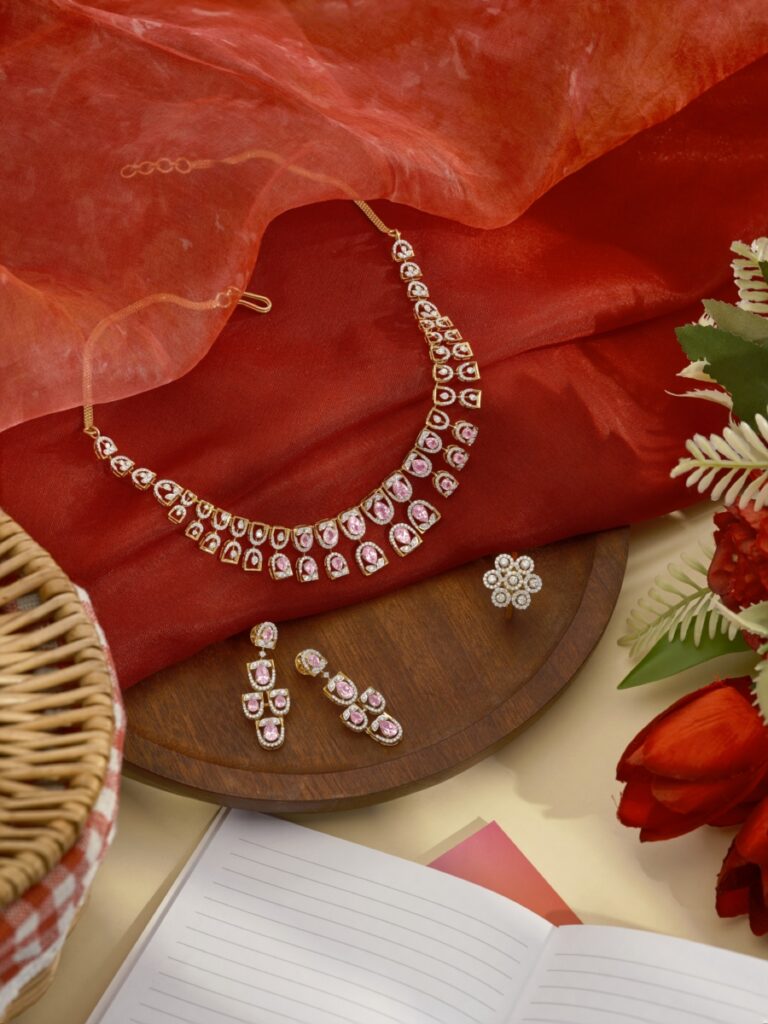
Q7 – Looking ahead, what is your long-term vision for Chandukaka Saraf, and how do you see the brand shaping the future of jewellery retail in Maharashtra or all over India over the next decade?
Our vision is to remain one of India’s most trusted jewellery houses, while also becoming a stronger modern retail brand that continues to be loved across generations.
Over the next decade, our focus will be on building a wider presence across key markets, delivering an elevated customer experience both in-store and online, and strengthening our leadership in design and product innovation.
We want to grow, but more importantly, we want to grow with integrity — so that the trust built over 200+ years becomes even stronger for the next 200.
Q8 – With gold and silver prices witnessing increased volatility, what is Chandukaka Saraf brand’s approach to managing price fluctuations while maintaining consumer confidence and sentiment?
With gold and silver prices becoming increasingly volatile, we believe the most important factor in maintaining customer confidence is transparency and clear communication. At Chandukaka Saraf, we ensure customers are always informed about daily rate movements, and we maintain complete clarity on the price breakup — including gold rate, diamond value, making charges, and taxes.
At the same time, we also focus strongly on product innovation. By bringing in design upgradation and evolving categories such as lightweight jewellery, we ensure that customer aspirations are met at every stage, without compromise on quality, purity, or trust. Over the years, trust has been our strongest currency, and even in fluctuating markets, we continue to stand firmly by our core promise of fairness, transparency, and customer-first values.
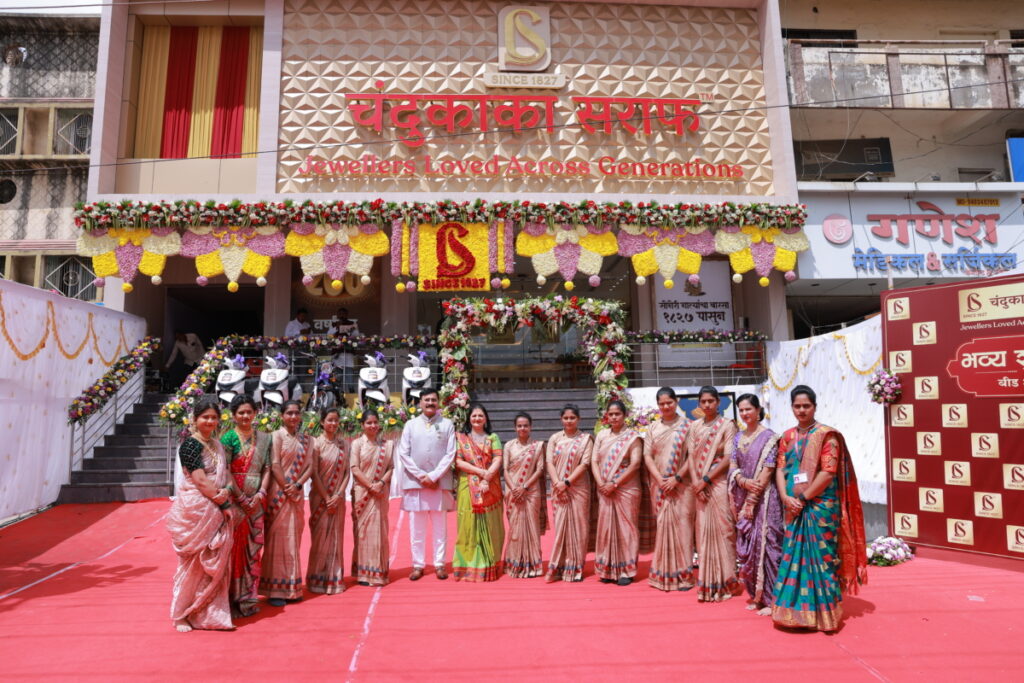
As the brand expands beyond its stronghold across Maharashtra and prepares to enter new markets, including Karnataka, Shah emphasises that growth will always remain anchored in trust. From omnichannel integration and contemporary design innovation to transparent pricing amid gold volatility, Chandukaka Saraf is positioning itself not just as a legacy jeweller, but as a future-ready retail leader. With integrity as its compass, the house aims to strengthen the trust built over two centuries — and carry it confidently into the next.



Two Centuries of Trust, One Vision Forward: Chandukaka Saraf On Legacy, Leadership and The Future Of Jewellery Retail

ASHTH : The LGD Revolution Redefining Luxury

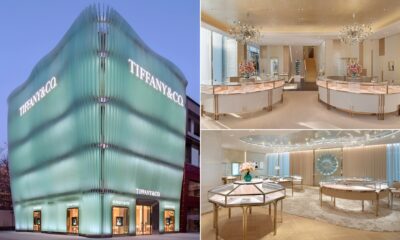
Tiffany & Co. Opens Four-Story Flagship In Beijing

Diamonds Shine Bright At Women In Entertainment Night With De Beers

Senco Gold & Diamonds Opens 6th Store In Mumbai Inaugurated By Actor Wamiqa Gabbi
Two Centuries of Trust, One Vision Forward: Chandukaka Saraf On Legacy, Leadership and The Future Of Jewellery Retail
-
 GlamBuzz3 hours ago
Diamonds Shine Bright At Women In Entertainment Night With De Beers
-
 GlamBuzz2 hours ago
Senco Gold & Diamonds Opens 6th Store In Mumbai Inaugurated By Actor Wamiqa Gabbi
-
 JB Insights33 minutes ago
Two Centuries of Trust, One Vision Forward: Chandukaka Saraf On Legacy, Leadership and The Future Of Jewellery Retail
-
 BrandBuzz2 hours ago
Tiffany & Co. Opens Four-Story Flagship In Beijing
