
International News
Anglo American Reports $2.9 Billion Impairment Charge on De Beers Amid Market Struggles
De Beers’ 2024 results show significant declines in production and revenue due to ongoing challenges in the rough diamond market, with cautious outlook for 2025.

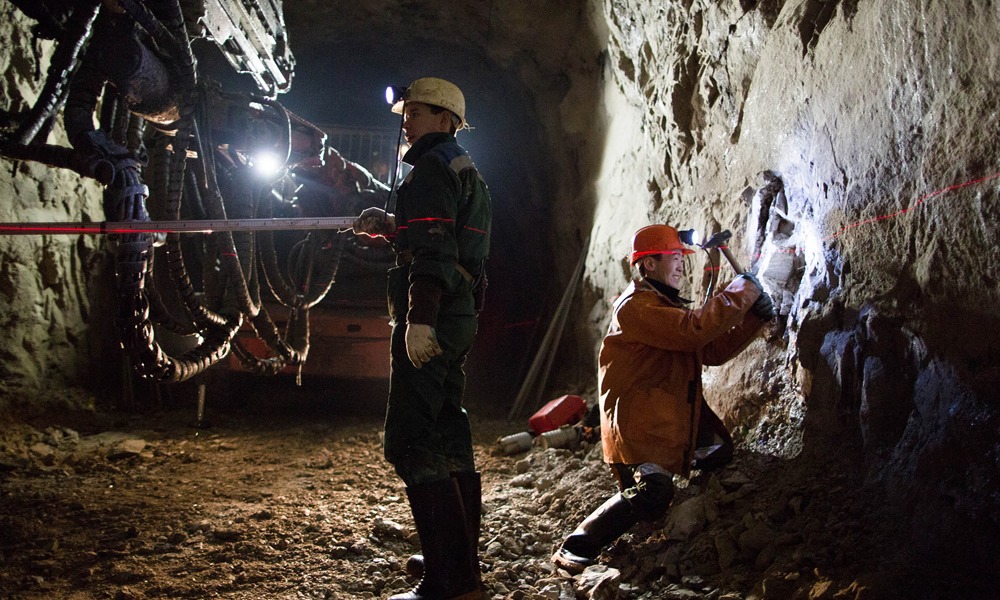
De Beers has faced a significant setback in its 2024 financial performance, reporting a 22% drop in rough diamond production to 24.7 million carats, down from 31.9 million carats in 2023. This decline reflects the company’s strategic response to a difficult market, where inventory levels remain high, and consumer demand, particularly in China, has been sluggish. Revenue also took a major hit, falling 23% to $3.3 billion, largely due to a 25% reduction in rough diamond sales. Despite these challenges, the average realized price of diamonds slightly rose, driven by sales of higher-value stones.
The downturn in production and sales also resulted in a negative EBITDA of $(25) million, compared to $72 million the previous year. De Beers cited a 20% drop in the rough price index and higher operational costs due to the reduced output. Looking ahead, the company expects continued challenges in 2025, with production forecasts set between 20-23 million carats. Although demand remains subdued, especially in key markets like China, De Beers is optimistic about moderate rough price growth in the medium term, driven by planned production cuts and a potential recovery in demand.
In addition to the financial challenges, De Beers announced a $2.9 billion impairment charge to Anglo American’s carrying value of the company, largely due to macroeconomic factors and sector-specific difficulties. As part of its strategy to navigate the downturn, De Beers is focusing on cost reduction and streamlining operations, with a particular emphasis on its natural diamond offerings. The company also secured a new 10-year sales agreement with Botswana and a 25-year extension on its mining licenses, ensuring continued access to critical diamond reserves.








International News
From Google To Generative AI: Jewellery Industry Faces A New Digital Discovery Era
The Transition From Link-Based Search Engines To AI Tools That Aggregate and Synthesize Information Poses A Unique Challenge For Diamond and Fine Jewellery Marketers. For The Natural Diamond Sector, The Stakes Are Particularly High.


The jewellery industry must rapidly adapt to a fundamental shift in how consumers discover products as artificial intelligence threatens to displace traditional search engines,said Raluca Anghel, Head of External Affairs at the NDC
Speaking at the CIBJO Centenary Congress 2026, , she cautioned that conversational AI platforms could overtake conventional online queries within years, reshaping digital marketing and consumer trust.
The transition from link-based search engines to AI tools that aggregate and synthesize information poses a unique challenge for diamond and fine jewellery marketers. Unlike standard Google results, which present a list of competing websites, AI platforms deliver direct, conversational answers. This shift makes the source data fed into AI algorithms critical to what consumers see and buy.
For the natural diamond sector, the stakes are particularly high. The industry has struggled with consumer confusion between mined diamonds and laboratory-grown alternatives, as well as complex terminology surrounding sustainability and origin.
Anghel emphasized that ensuring AI systems draw from verified, accurate sources is essential to combating widespread industry misconceptions. CIBJO, the World Jewellery Confederation, has long advocated for clear disclosure standards and terminology to maintain consumer confidence.
As AI platforms increasingly mediate the purchasing journey, the digital battleground for jewellers is shifting. Industry experts at the congress noted that the challenge is no longer merely ranking high on a search page, but securing credibility within the generative answers provided by AI systems.



Tamannaah Fine Jewellery Expands Across 10 Cities Through Taj Khazana

BVLGARI Expands Its Presence In India With Its First Luxury Destination In Kolkata

LIMIRA Enters India’s Jewellery Market With An E-Commerce-Only Model Built Around Design, Transparency and Lab-Grown Diamonds

Sankesh Surana Studio Unveils Viśvaṃ Viṣṇuḥ: A Monumental Contemporary Sculpture Reimagining Sacred Art

Gold Prices Hold Steady In India, Limited Movement In Domestic Retail Gold Prices
LIMIRA Enters India’s Jewellery Market With An E-Commerce-Only Model Built Around Design, Transparency and Lab-Grown Diamonds
-
 National News2 days ago
Sankesh Surana Studio Unveils Viśvaṃ Viṣṇuḥ: A Monumental Contemporary Sculpture Reimagining Sacred Art
-
 National News2 days ago
Gold Prices Hold Steady In India, Limited Movement In Domestic Retail Gold Prices
-
 DiamondBuzz3 hours ago
LIMIRA Enters India’s Jewellery Market With An E-Commerce-Only Model Built Around Design, Transparency and Lab-Grown Diamonds
-

 International News2 days ago
From Google To Generative AI: Jewellery Industry Faces A New Digital Discovery Era
