
DiamondBuzz
A tremendously exciting time to be in India : Al Cook, CEO- De Beers Group

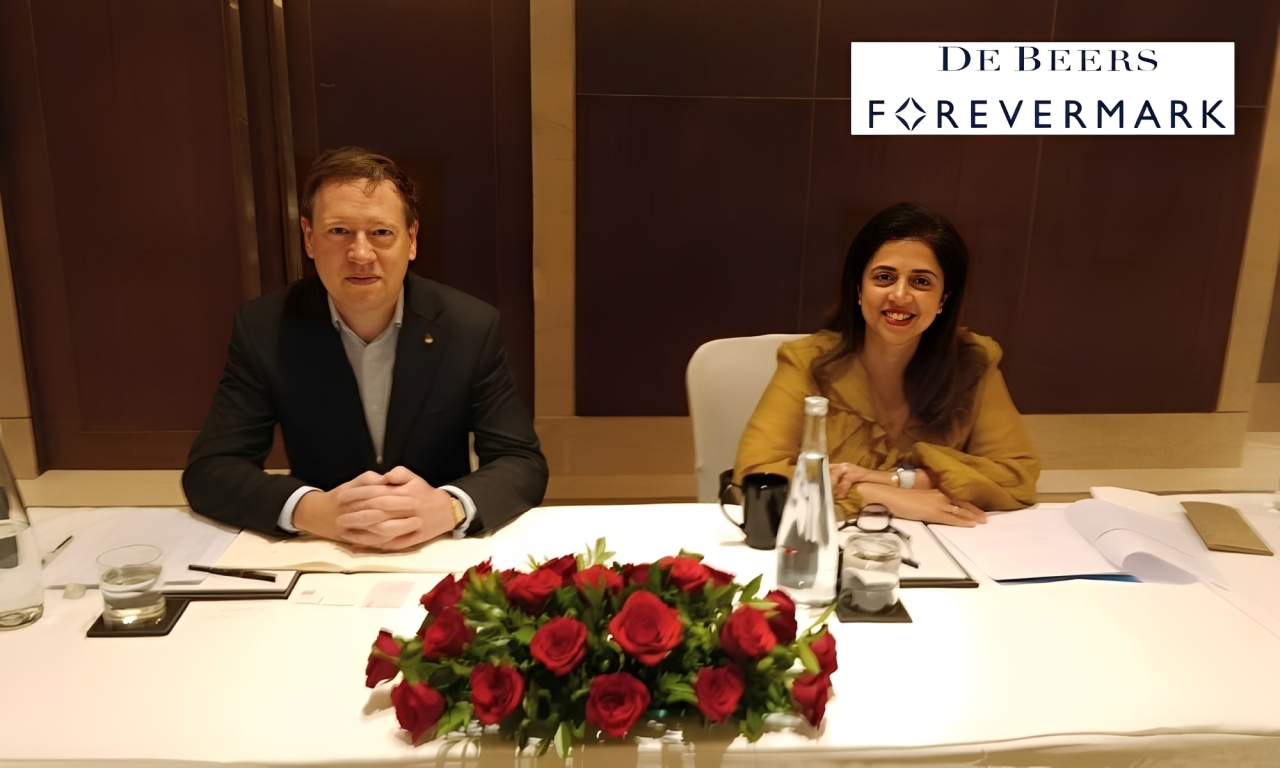
Al Cook, CEO- De Beers Group, expressed robust optimism about India’s natural diamond sector during a media address in Mumbai, announcing significant retail expansion and reaffirming the company’s commitment to the world’s fastest-growing diamond market. The briefing underscored India’s strategic importance to De Beers’ global operations,
Market Outlook and Growth Trajectory
Cook characterized the current period as “a tremendously exciting time to be in India,” citing the natural diamond sector’s double-digit growth performance. He emphasized India’s historical significance as the country that introduced diamonds to the world, while highlighting contemporary factors driving market expansion: economic and political stability, a rapidly expanding middle class, and sophisticated consumer understanding of natural diamonds’ intrinsic value and emotional significance.
Al Cook outlined a favorable supply-demand dynamic for the long term, with anticipated growth in natural diamond demand coinciding with declining supply as mine production decreases globally. This structural shift positions natural diamonds as increasingly valuable assets in the jewelry market.
Strategic Investment in Indian Retail
De Beers five Forevermark retail stores across India, represent a substantial commitment to direct consumer engagement. Notably, the Mumbai location will become the largest Forevermark store globally, serving as a flagship for the brand’s retail ambitions. Cook described this investment as “a symbol of commitment and intention” that reflects De Beers’ long-term vision for the Indian market.
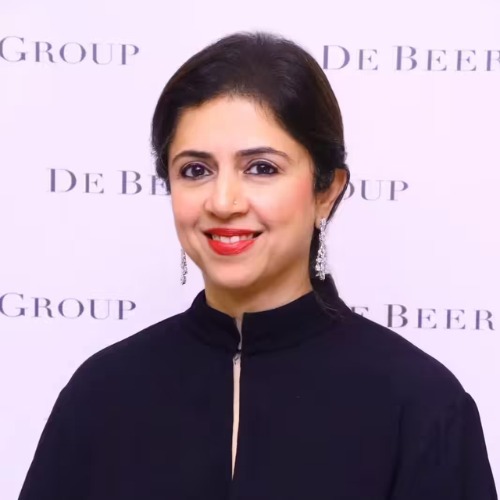
Shweta Harit, Global Senior VP- De Beers Group and CEO of Forevermark, explained that the Forevermark retail initiative employs a distinctive business model where “we have our name on the door,” signaling direct brand ownership and operational control. This approach marks a significant evolution in De Beers’ go-to-market strategy.
Product Differentiation Strategy
De Beers articulated its “and” principle, which recognizes distinct market spaces for natural diamonds and lab-grown diamonds (LGD) rather than positioning them as mutually exclusive categories. This strategic framework acknowledges different consumer needs while maintaining clear differentiation between the two products. Current revenue distribution validates this approach, with natural diamonds generating 98 percent of revenue compared to two percent from LGD.
Cook expressed appreciation for the Bureau of Indian Standards (BIS) establishment of standards and guidelines for both natural and lab-grown diamonds, stating this regulatory clarity builds consumer trust and protects the emotional and financial value of natural diamonds.
Government Engagement and Regulatory Environment
The De Beers CEO reported a productive meeting with Commerce Minister Piyush Goyal, noting the minister’s comprehensive understanding of diamond market dynamics. Cook expressed optimism about India’s chairmanship of the Kimberley Process, anticipating that Indian leadership would strengthen commitments to ethical, conflict-free diamond sourcing and trading.
Consumer Trends and Marketing Initiatives
Harit highlighted robust sales performance among Generation Z and millennial consumers, who are increasingly rejecting commoditized jewelry in favor of pieces with authentic emotional resonance. Current retail trends include significant self-purchase activity by women and brides, along with growing preference for white gold jewelry.
To deepen emotional connections with consumers, De Beers launched two targeted campaigns: “Second Piercing” and “Love You Dad.” These initiatives emphasize personal milestones and family bonds, positioning natural diamonds as irreplaceable symbols of enduring love and sentiment. The campaigns align with the company’s differentiation strategy by creating distinct emotional territory for natural diamonds.
Broader Investment Portfolio
Beyond retail expansion, Cook indicated that De Beers’ bullish stance on India encompasses investments across multiple sectors including technology development, industry standards advancement, and diamond machinery manufacturing. This comprehensive approach demonstrates the company’s view of India not merely as a consumer market but as a complete diamond ecosystem spanning the entire value chain.
De Beers’ Mumbai announcements reflect strategic confidence in India’s natural diamond market, supported by favorable demographic trends, regulatory clarity, and evolving consumer preferences. The company’s substantial retail investment, combined with its product differentiation strategy and emotional marketing approach, positions it to capitalize on anticipated long-term growth while maintaining natural diamonds’ premium positioning in an evolving competitive landscape.


DiamondBuzz
Botswana Looks Beyond Rough Diamond Sales, Eyes U.S. Jewelry Market
The Duty Exemption By US Presents An Opportunity For Domestic Jewelry Manufacturers In Gaborone To Bypass Traditional Middle-Market Hubs and Establish A Direct Pipeline To American Consumers

Grappling with a painful downturn in global rough-diamond demand, Botswana is pivoting its economic strategy: expanding up the supply chain directly into American retail shelves while leveraging its resource wealth to fund conservation and diversification.
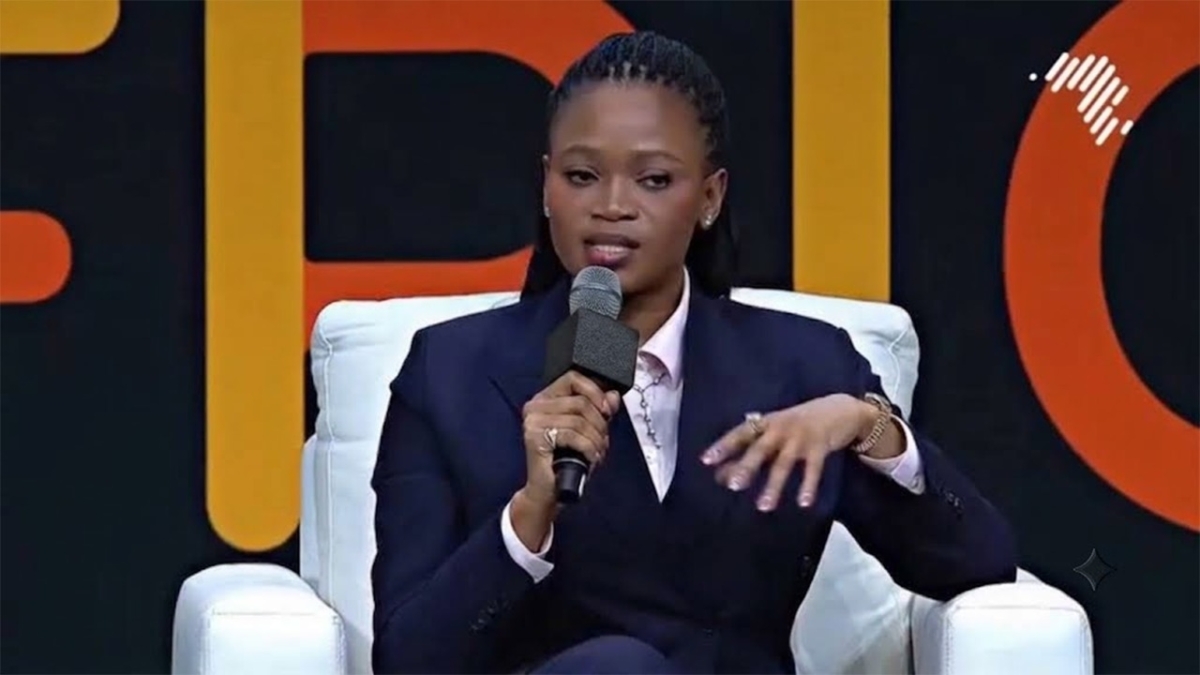
Speaking on the sidelines of New York Climate Week, Bogolo Joy Kenewendo, Botswana’s Minister of Minerals and Energy, highlighted the southern African nation’s plan to capitalize on a 0% import-tariff rate to the U.S. market. The duty exemption presents an opportunity for domestic jewelry manufacturers in Gaborone to bypass traditional middle-market hubs and establish a direct pipeline to American consumers.
shift The push into value-added manufacturing comes as the world’s top diamond producer by value navigates a broader structural Diamond revenues have long formed the bedrock of Botswana’s post-independence balance sheet, underwriting universal secondary education and tuition-free university funding. However, recent market volatility has underscored the vulnerabilities of a mono-sectoral economy.
Under the Botswana Economic Transformation Programme (BETP)—an initiative spearheaded directly by President Duma Boko and his vice president—the government is directing resources toward manufacturing, agriculture, and broader mining sectors to reduce its heavy reliance on rough diamond sales.
To support its luxury exports, Botswana is recalibrating its brand narrative around origin, environmental stewardship, and social impact. The country recently announced a five-year extension of the “Okavango Eternal” partnership alongside De Beers Group and the National Geographic Society. The initiative aims to protect the ecological integrity of the Okavango River Basin while tying diamond purchases to conservation efforts.
With De Beers currently facing an impending ownership change, officials remain optimistic that any capital restructuring could bring additional funds into Botswana to accelerate its domestic economic transition.



GJS 2026 Diwali Edition Concludes On A High Note With Record Sales

GJEPC Launches UNNATI: Powering Women In GJ Sector To Drive Industry Growth Towards Viksit Bharat

Divine Solitaires and SGL Launch The Know Your Diamond Zone At GJS Diwali Edition 2026
GJEPC Launches UNNATI: Powering Women In GJ Sector To Drive Industry Growth Towards Viksit Bharat

KEYA By Adbhut Brings Wearable Art and Indian Craftsmanship To Delhi Art Weekend 2026

Titan, Kalyan, Malabar, Senco and Indriya Lead 54 Champions Crowned At The First India International Jewellery Awards
-
 National News1 day ago
GJEPC Launches UNNATI: Powering Women In GJ Sector To Drive Industry Growth Towards Viksit Bharat
-
 National News1 day ago
KEYA By Adbhut Brings Wearable Art and Indian Craftsmanship To Delhi Art Weekend 2026
-
 National News1 day ago
Divine Solitaires and SGL Launch The Know Your Diamond Zone At GJS Diwali Edition 2026
-
 National News1 day ago
Titan, Kalyan, Malabar, Senco and Indriya Lead 54 Champions Crowned At The First India International Jewellery Awards
