
DiamondBuzz
Global diamond trade entered 2026 with subdued sentiment
The global diamond industry has entered 2026 facing a “K-shaped” recovery. While the high-end luxury segment remains resilient, the mass-market and smaller-stone categories are under severe pressure from geopolitical and technological shifts.

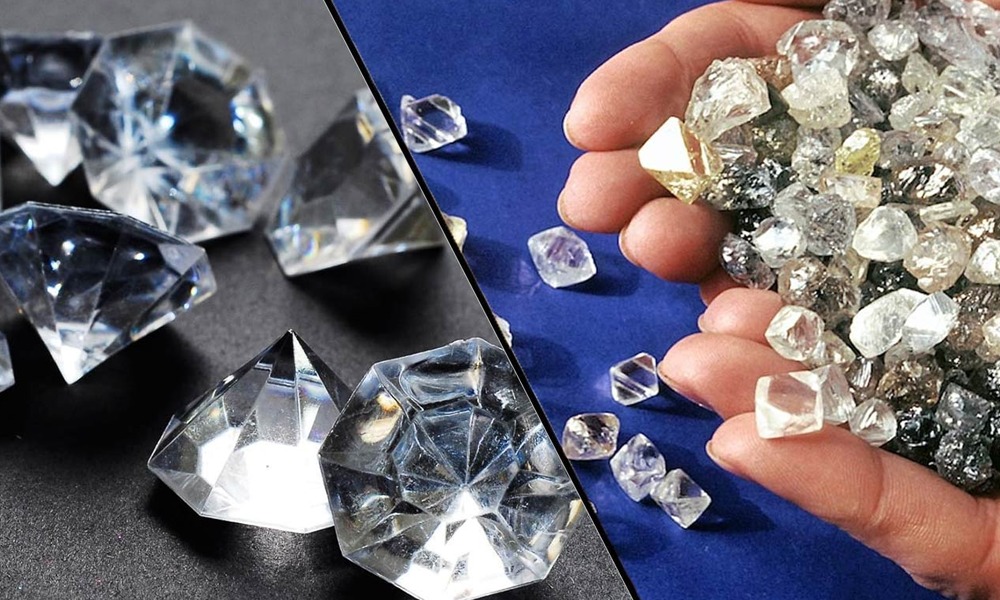
The global diamond trade entered 2026 with subdued sentiment and familiar pressures, according to Rapaport. December trends underscored a clear divide in demand, with polished diamonds above 1 carat holding firm while smaller goods saw sharp price corrections. US dealers reported a steady holiday season, marked by cautious inventory management and late-stage buying, particularly for 1.20-carat and larger stones and long fancy shapes.

India’s export activity slowed under the weight of US tariffs, while domestic demand softened after a strong 2025. Concerns around lab-grown diamonds intensified following Titan’s launch of its beYon brand. China continued to show weak appetite.
Price data reflected the imbalance. The RapNet Diamond Index for 1-carat diamonds fell 2.3% in December, while 0.30-carat and 0.50-carat goods dropped 9.3% and 6.4% respectively. Larger stones remained resilient, with the 3-carat index edging up.


DiamondBuzz
Kylie Jenner Debuts At Victoria’s Secret Show In $50 Million Fantasy Bra By Jacob & Co.
Kylie Jenner Walks The Ramp In Bra Crafted By Jacob & Co. From 4,410 Natural Diamonds Surrounding A 75.54-Carat Radiant-Cut Fancy Vivid Yellow Diamond

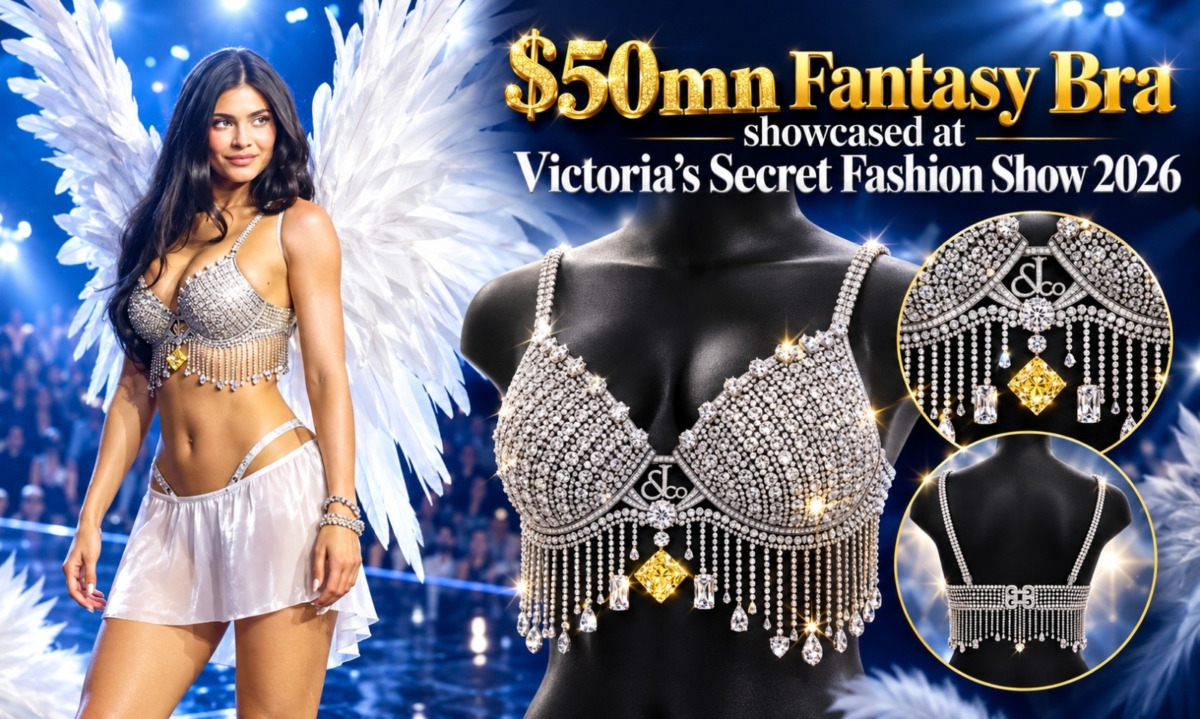
This year, the famous Fantasy Bra returned to the runway for the first time since 2018. Made by New York jeweler Jacob & Co., it costs $50 million—making it the most expensive Fantasy Bra ever and about $35 million more expensive than any previous version.
Making her Victoria’s Secret Fashion Show runway debut,Kylie Jenner wore the show-stopping bedazzled bra, a gauzy white mini skirt and expansive white feathered angel wings.
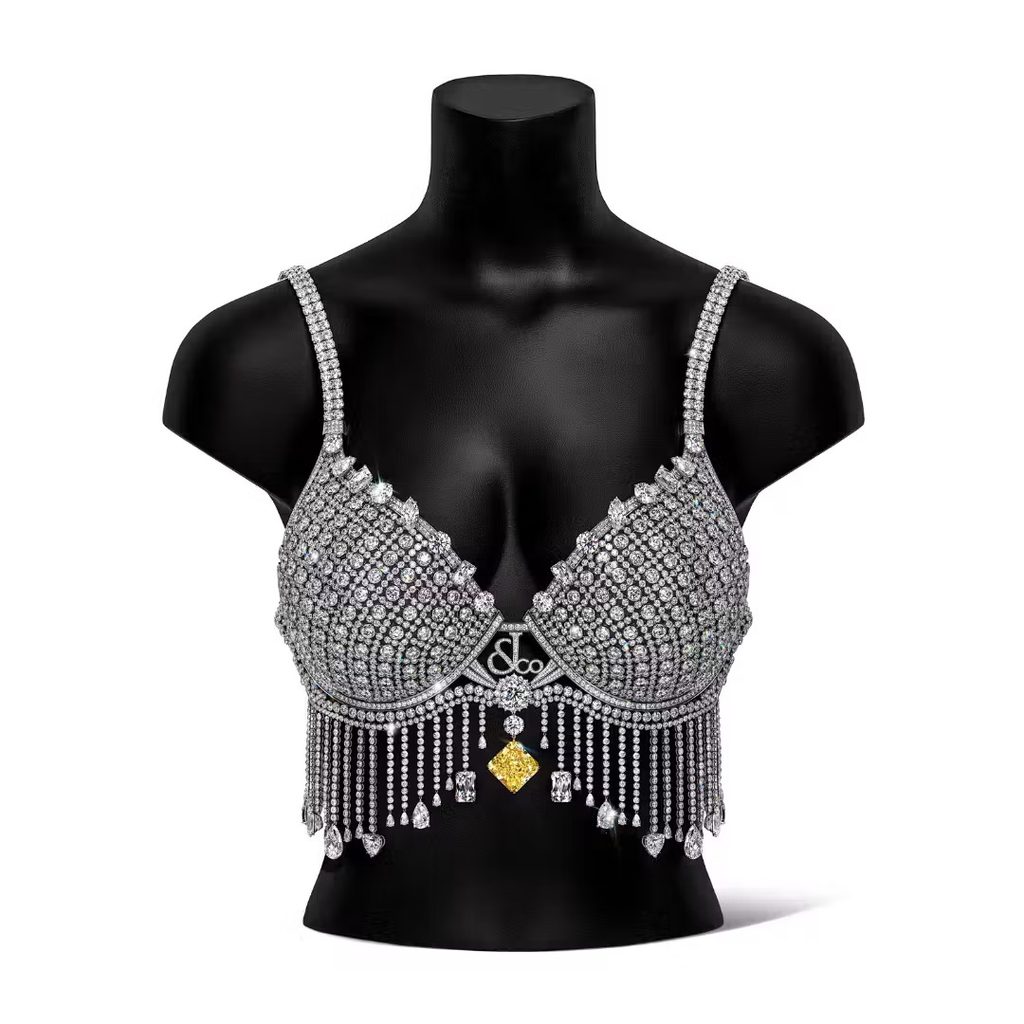
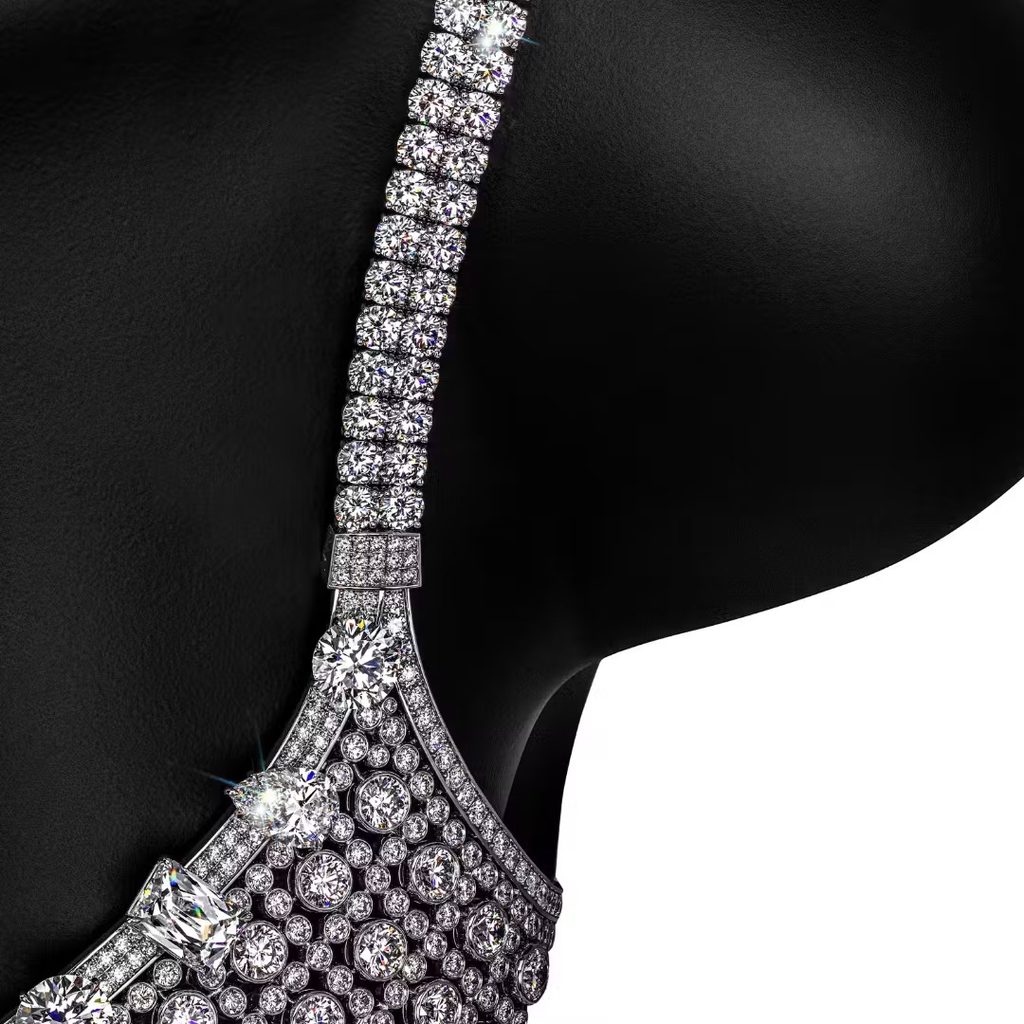
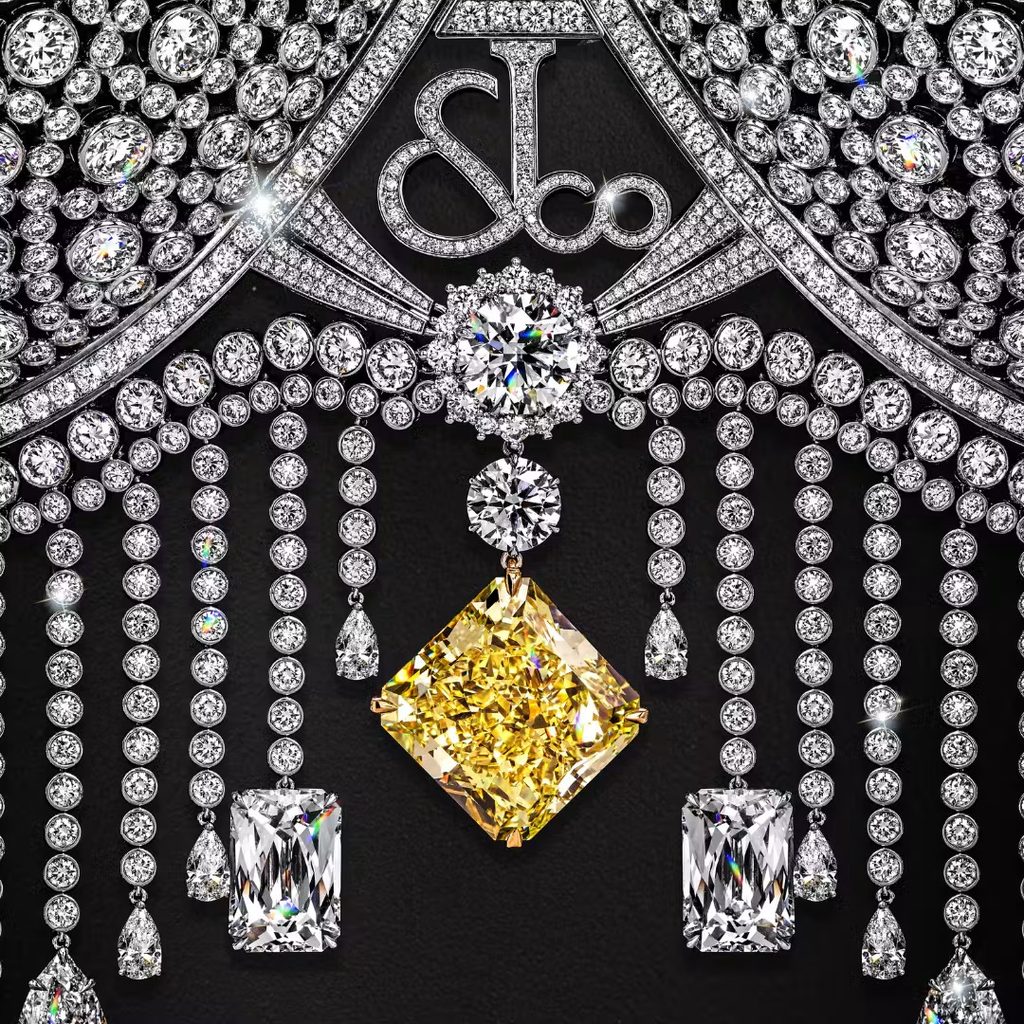
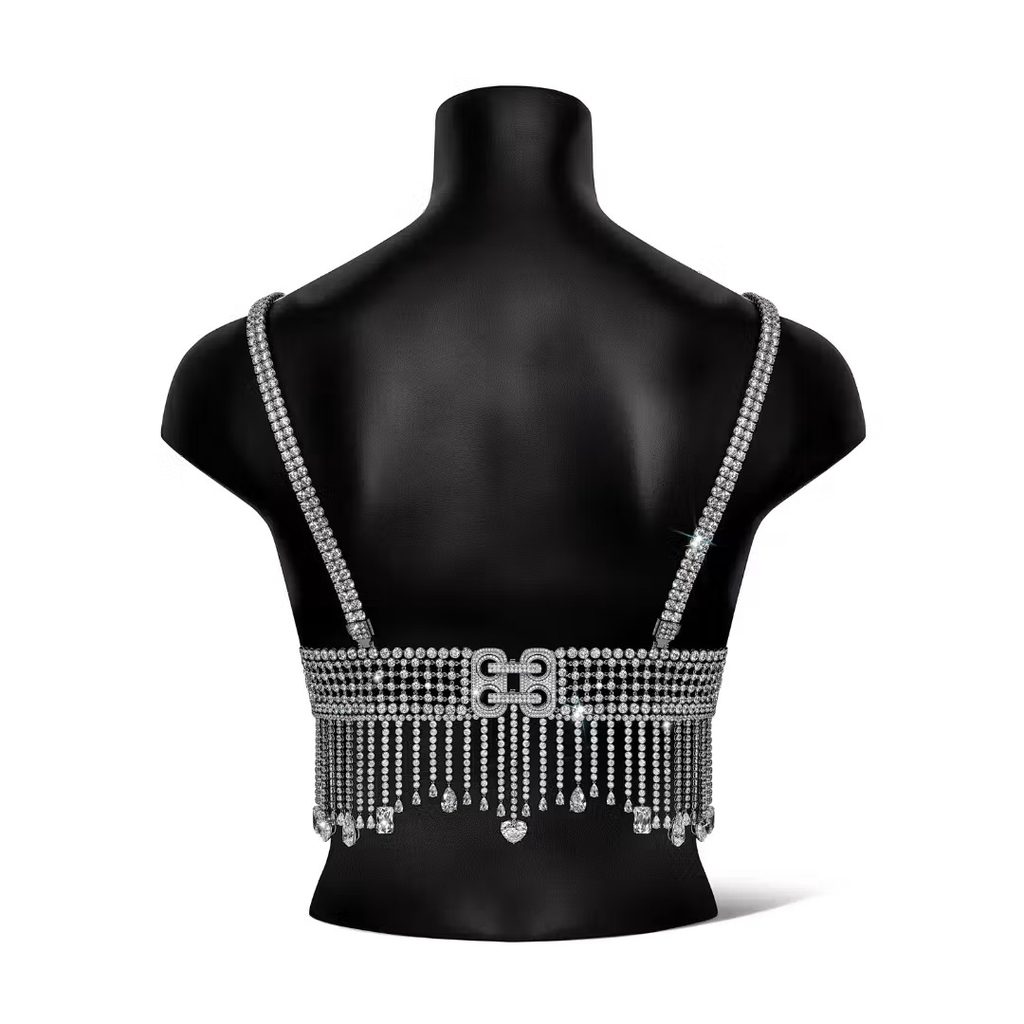
The bra features 4,410 natural diamonds set around a large, bright yellow 75.54-carat diamond. A team of 15 craftspeople spent over 1,000 hours creating the piece, which weighs just under two kilograms (about 4.4 pounds).



Malabar Gold & Diamonds Unveils ‘SWAYE’, A Natural Diamond Collection Inspired By Spiral Forms and Modern Elegance

Nike Enters Jewellery Market With First-Ever Collection Priced Up To $5,750

Kylie Jenner Debuts At Victoria’s Secret Show In $50 Million Fantasy Bra By Jacob & Co.

Limelight Lab Grown Diamonds Crosses 100 Stores Milestone This Dussehra: Targets 200 In 2027
Kylie Jenner Debuts At Victoria’s Secret Show In $50 Million Fantasy Bra By Jacob & Co.
Nike Enters Jewellery Market With First-Ever Collection Priced Up To $5,750
-
 National News2 days ago
Limelight Lab Grown Diamonds Crosses 100 Stores Milestone This Dussehra: Targets 200 In 2027
-
 DiamondBuzz44 minutes ago
Kylie Jenner Debuts At Victoria’s Secret Show In $50 Million Fantasy Bra By Jacob & Co.
-
 International News29 minutes ago
Nike Enters Jewellery Market With First-Ever Collection Priced Up To $5,750
-
 BrandBuzz11 minutes ago
Malabar Gold & Diamonds Unveils ‘SWAYE’, A Natural Diamond Collection Inspired By Spiral Forms and Modern Elegance
