

GlamBuzz
#ViRosh Ki Shaadi: Rashmika Mandanna & Vijay Deverakonda Celebrate Love with Temple Gold & Timeless Tradition
An intimate 26th February 2026 wedding at ITC Mementos, Udaipur blended Telugu and Kodava rituals in a powerful tribute to heritage, craftsmanship and sacred symbolism.

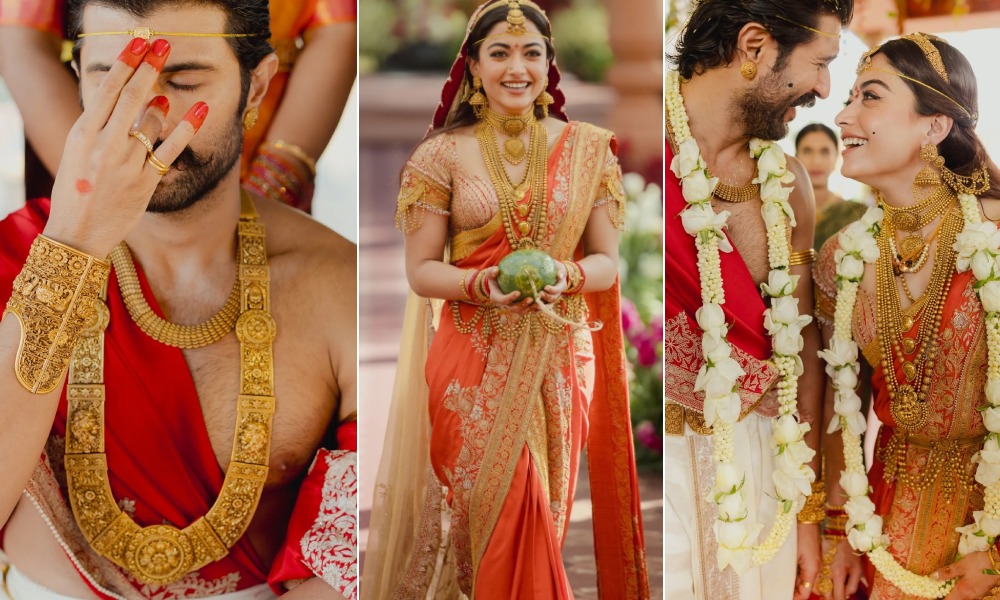
In a season dominated by highly stylised celebrity weddings, #ViRosh chose something far more enduring — authenticity. On 26th February 2026, Rashmika Mandanna and Vijay Deverakonda tied the knot in an intimate ceremony at ITC Mementos Udaipur, where ritual took precedence over spectacle.
The morning ceremony honoured Vijay’s Telugu roots, steeped in temple traditions and Vedic customs. By evening, the celebrations paid homage to Rashmika’s Kodava heritage from Coorg, creating a rare cultural confluence that felt deeply personal rather than performative.
The Bride: Rashmika Mandana – Temple Architecture in Motion
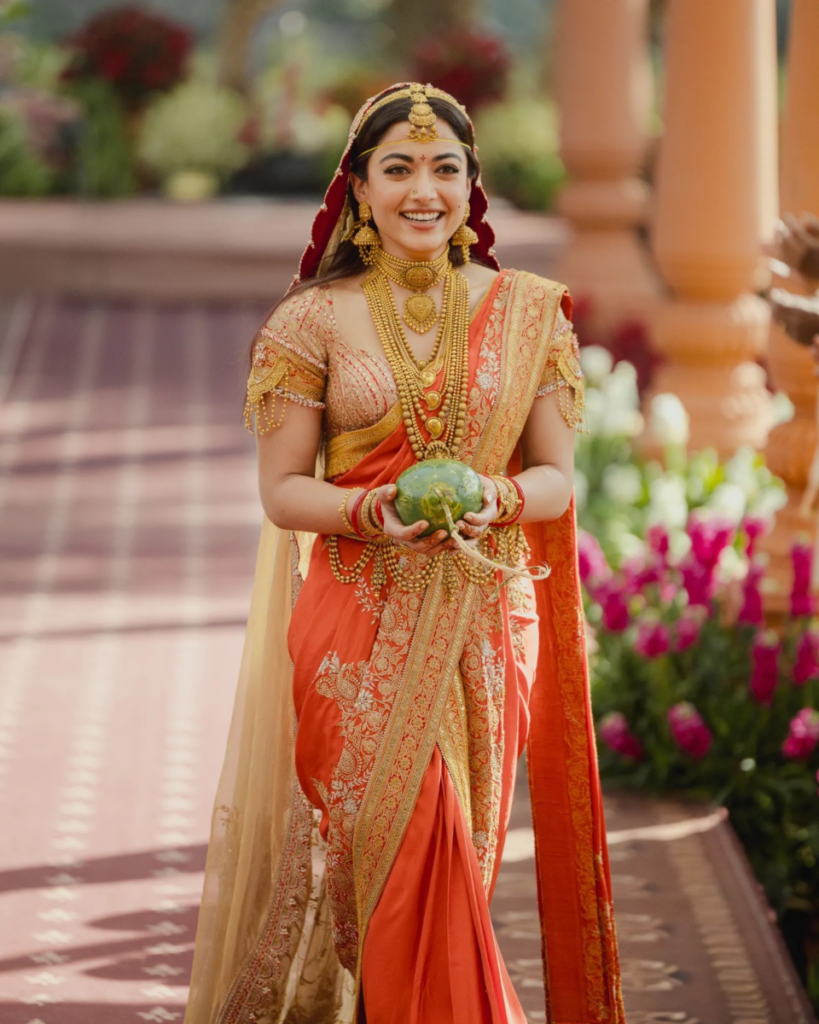
Rashmika’s bridal ensemble was not just attire — it was storytelling in silk and gold.
She wore a rich rust saree edged with a striking red border, its weave adorned with temple-inspired motifs reminiscent of South Indian architecture. The embroidery mirrored sacred geometry often seen in Hyderabad’s heritage structures, giving the drape a quiet spiritual gravitas.
Her jewellery, exclusively crafted by Shree Jewellers, was a masterclass in classical artistry. Deep nakshi engraving and intricate rava granulation defined each piece. She layered a traditional choker with long harams, paired with ornate jhumkas, champasaralu, a regal mathapatti, stacked bangles, bajuband, an elaborate waist belt, anklets, a delicate nose pin and hathphool. The unmistakable jada billa adorned her braid, completing the temple aesthetic.
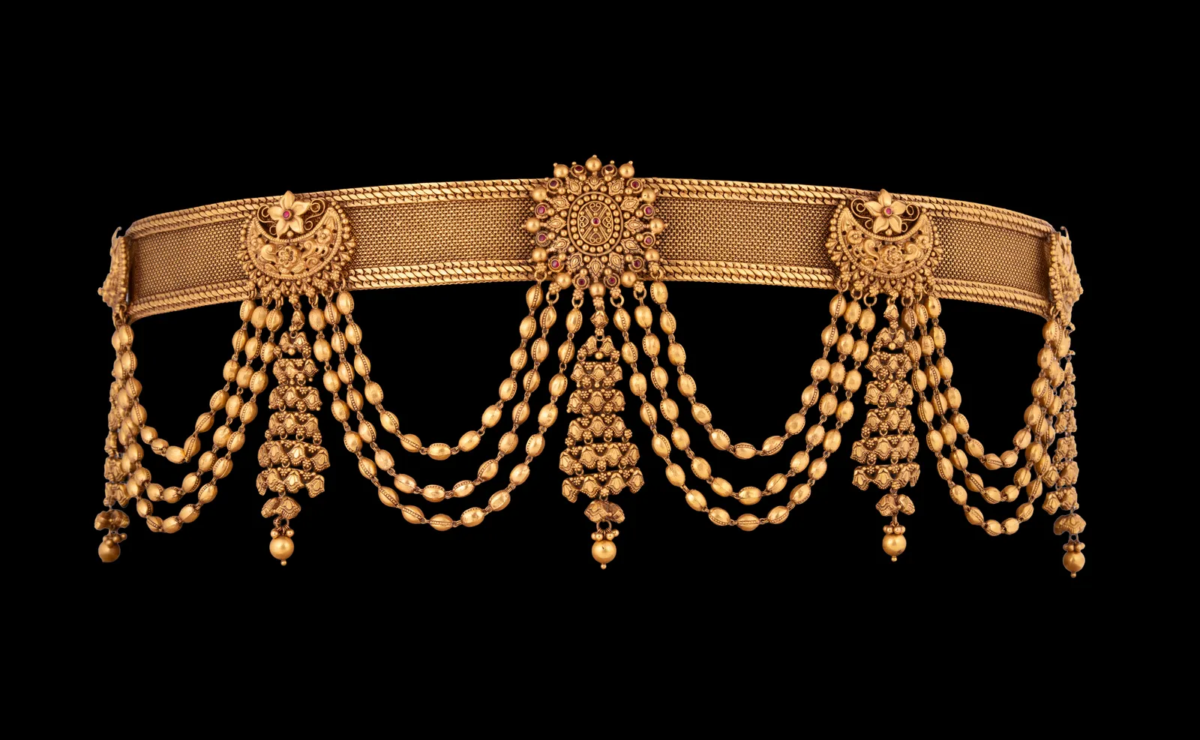
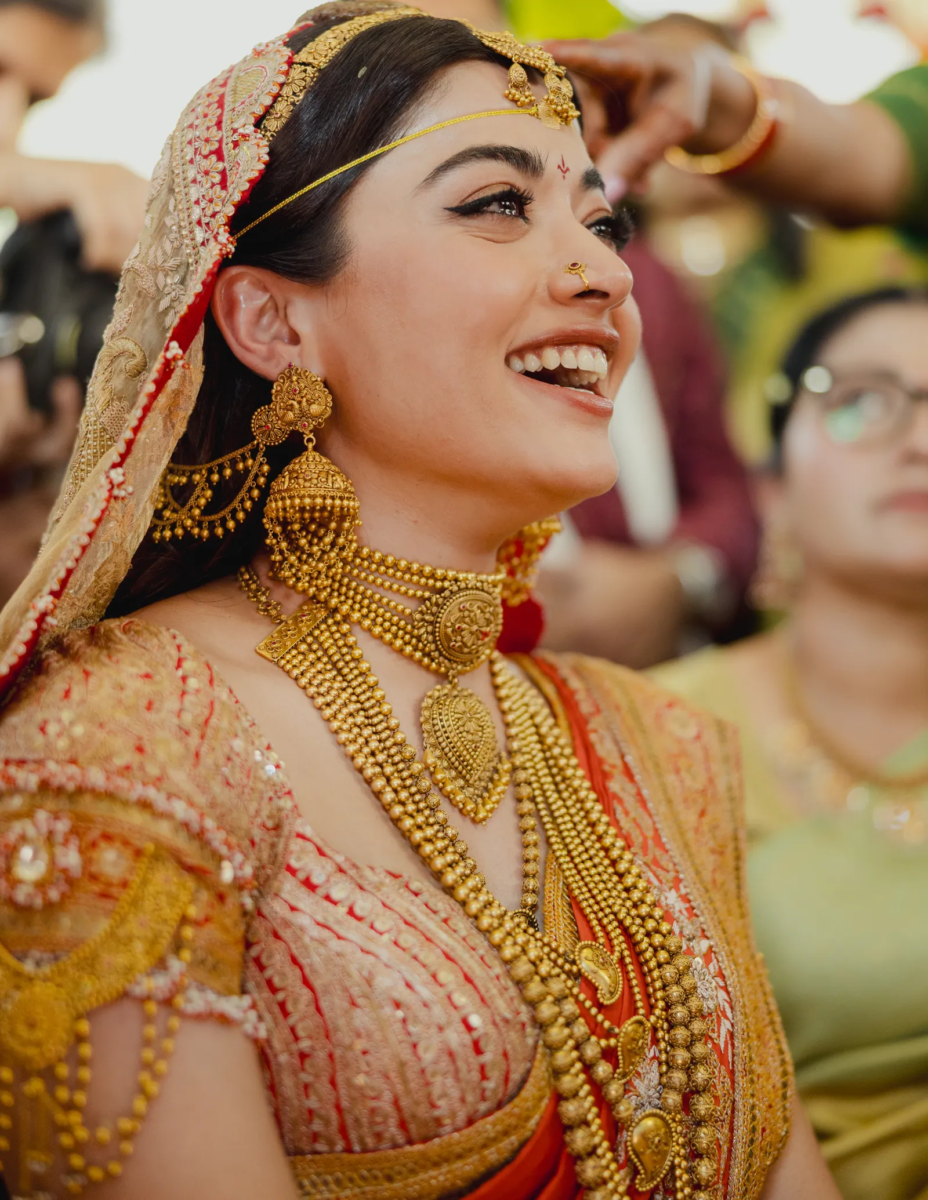
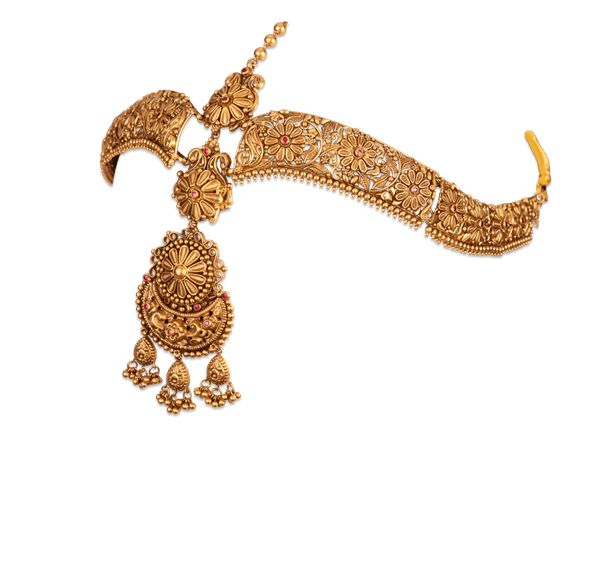
The effect was powerful yet graceful. Her natural makeup allowed the gold and textile craftsmanship to speak uninterrupted. The look felt timeless — untouched by fleeting bridal trends.
The Groom: Vijay Deverakonda – Gold as Authority
Vijay’s wedding attire echoed ceremony-first elegance. Draped in a white dhoti and layered with a rich red silk angavastram, he embodied classic South Indian wedding aesthetics with commanding simplicity.
But it was his jewellery that transformed the look into something unforgettable.
Also designed by Shree Jewellers, his temple-inspired gold pieces featured bold nakshi engraving and symbolic motifs. A grand haram rested across his chest, detailed with mythological elements and circular medallions. He paired it with a kasu mala and a long layered haar, creating depth and stature.
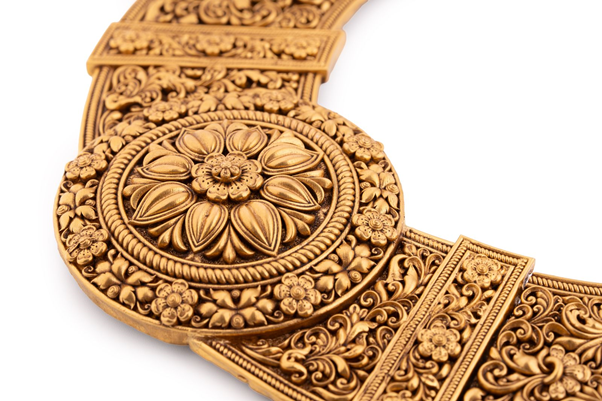
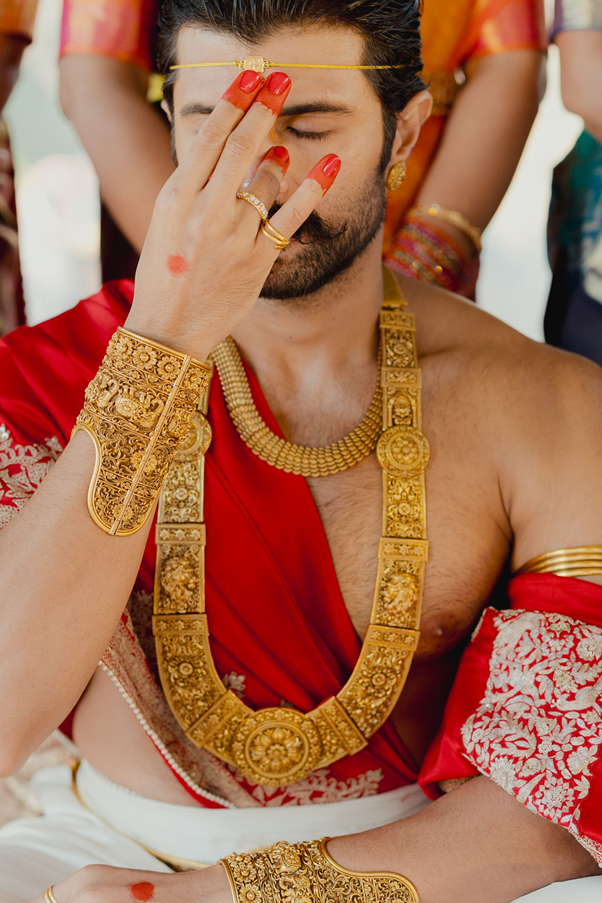
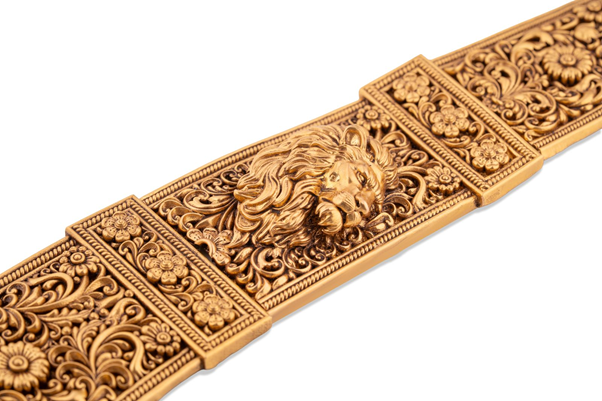
His wrists bore an elaborate gold kada cuff, complemented by a bajuband and even traditional earrings. A broad oddiyanam belt cinched the dhoti, while subtle elephant and tiger motifs — symbolising wisdom and strength — were etched into the craftsmanship. Every detail felt intentional. Nothing ornamental. Everything meaningful.
Heavy gold. Sacred reds. Strong temple influences. The visual narrative of the wedding was clear — culture first, spectacle second.
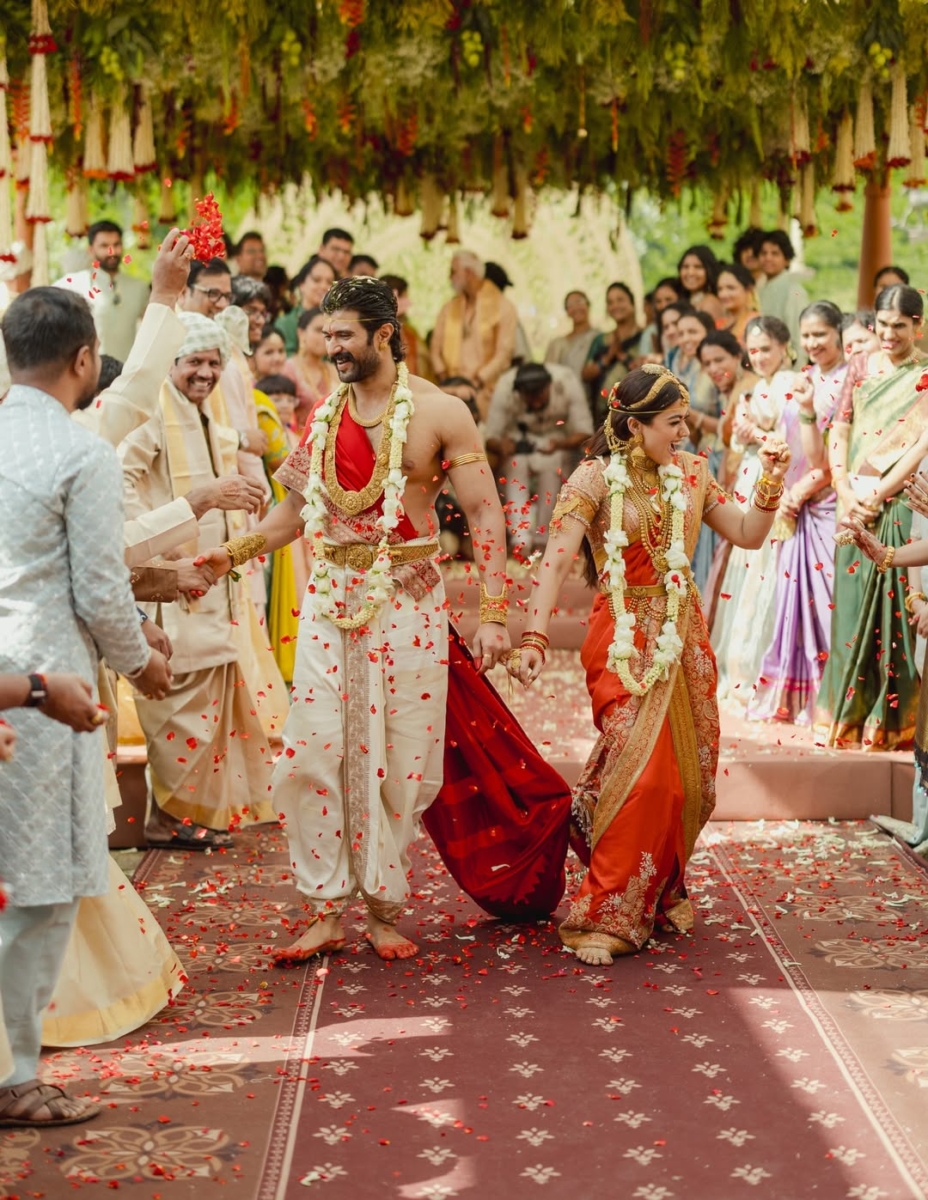
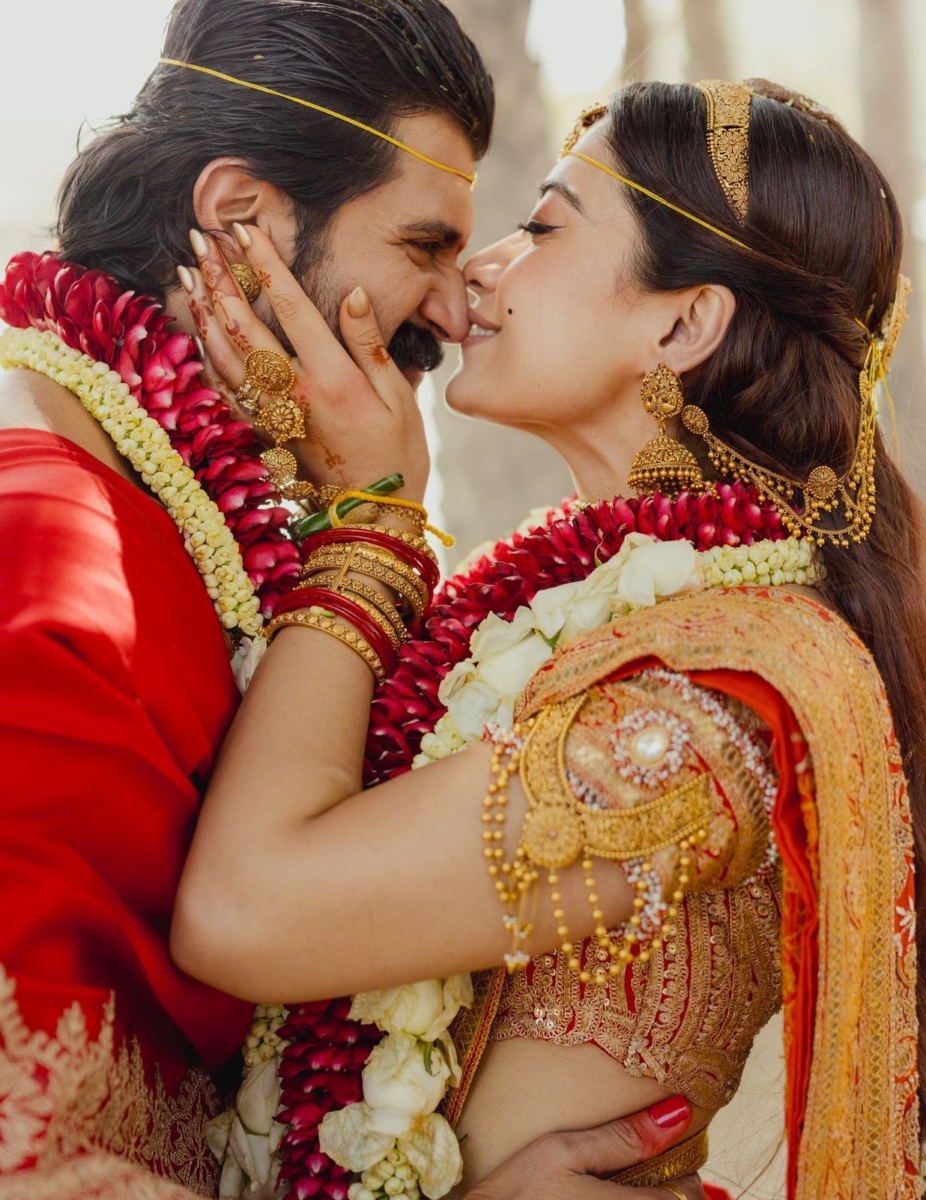
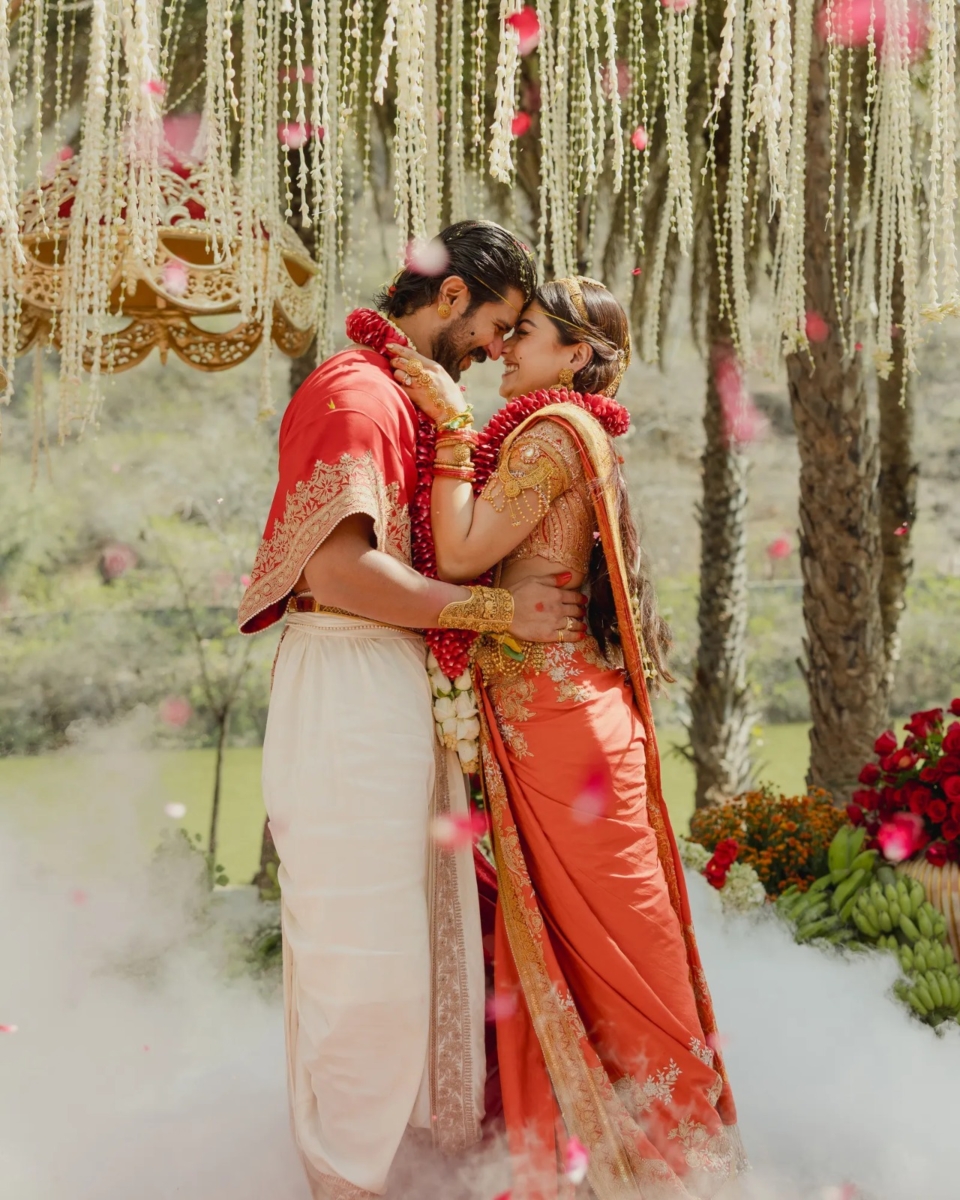
In an era where weddings are often designed for viral moments, #ViRosh delivered something refreshingly grounded. The imagery that emerged did not rely on dramatic posing or stylised theatrics. Instead, it captured gold catching the morning light, rituals unfolding naturally, and a couple fully present in their moment.
This was not fashion disguised as tradition. It was tradition elevated by craftsmanship.
More than a celebrity union, the wedding of Rashmika and Vijay reaffirmed a timeless truth: in Indian weddings, jewellery is never just adornment. It is ancestry, artistry and identity — worn proudly, and passed forward.




DiamondBuzz
BAFTA 2026: De Beers Group- Desert Diamonds Emerged as the Jewellery Story of the Night
At this year’s BAFTAs, the red carpet was illuminated with natural diamonds in warm champagne tones, as Desert diamonds became the most consistent jewellery signature of the evening.

At this year’s British Academy Film Awards, the red carpet was illuminated with natural diamonds worn by some of the acting world’s most beloved stars, with Desert Diamonds by De Beers emerging as one of the evening’s most consistent jewellery signatures. Nathalie Emmanuel, Gillian Anderson, Audrey Nuna, Archie Madekwe and Regé-Jean Page all stepped out wearing Desert Diamonds, marking a rare moment when multiple personalities aligned around the same diamond aesthetic.
When five influential figures lean into a shared jewellery direction in a single evening, it signals more than styling coincidence — it signals a shift. This year’s BAFTA jewellery mood moved away from classic icy white brilliance toward warmer champagne-toned natural diamonds that photographed with softness, glow and depth under flash photography.
At the 79th British Academy Film Awards in London, the jewellery story arrived not with spectacle but with tone — champagne, honey, cognac, brown and whiskey hues defining the visual language of the carpet. Across appearances, Desert Diamonds emerged as a consistent signature, favouring warmth and dimensionality over high-contrast sparkle.

Gillian Anderson
Gillian Anderson led this direction wearing asymmetric brown and white diamond earrings by Ara Vartanian, paired with sculptural rings that complemented rather than dominated her look. Nathalie Emmanuel followed in elongated drop earrings punctuated with brown diamonds, styled alongside a bracelet and rings within the same tonal family, creating a cohesive and deliberate aesthetic.
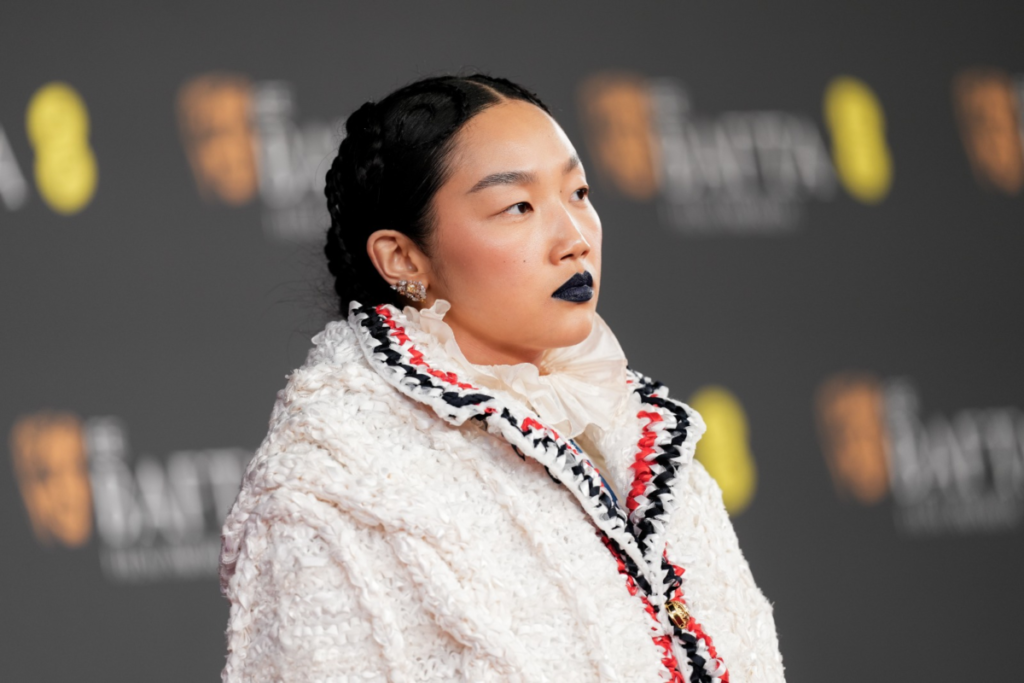
Audrey Nuna
K-Pop Demon Hunter star Audrey Nuna introduced a sharper contemporary energy in Desert diamond ear climbers by ANANYA, leaning into structure and precision rather than excess. The brooch revival continued as Rising Star nominee Archie Madekwe paired his custom Dior suit with a white diamond brooch and Desert diamond vintage rings by Ara Vartanian.

Regé-Jean Page
Regé-Jean Page selected a fauna-inspired dragonfly brooch in warm-toned diamonds by Hirsh London, reinforcing the evening’s understated yet intentional jewellery narrative. The message was clear: natural diamonds did not shout — they held the room.
Desert Diamonds are not treated colour stories; their champagne, cognac and honey hues occur naturally, shaped by trace elements and geological conditions deep within the earth. As explored through A Diamond Is Forever, these stones celebrate natural origin and individuality rather than laboratory uniformity.
For years, diamond conversations have been framed through comparison — natural versus lab-grown, tradition versus innovation. What unfolded at BAFTA felt different: less defensive and more culturally embedded. Natural diamonds were not positioned as spectacle but integrated seamlessly into moments audiences were already watching.
Award season traditionally rewards scale — larger silhouettes, brighter stones and louder sparkle — but BAFTA 2026 suggested a new direction defined by precision over excess, tone over glare and architecture over abundance.
Natural diamonds today are increasingly worn not as ceremonial heirlooms but as personal markers, styled with tailoring and integrated into fashion narratives with intention. The philosophy behind A Diamond Is Forever has long centred on rarity, provenance and emotional permanence, and the prominence of warm-toned Desert Diamonds suggests individuality and geological authenticity are becoming the new markers of luxury.
At the BAFTAs, the brilliance remained. It simply did not need to dominate. It held the room.


#ViRosh Ki Shaadi: Rashmika Mandanna & Vijay Deverakonda Celebrate Love with Temple Gold & Timeless Tradition

Outstanding gold-backed loans surge by 128% from a year earlier

Indriya, Aditya Birla Jewellery, crosses 50 Stores Nationwide

IIBS-11: Navigating the ‘New Gold Rush’ in a fragmenting global economy

Oroarezzo 2026, with Italian Exhibition Group, Manufacturing Explores New Markets
#ViRosh Ki Shaadi: Rashmika Mandanna & Vijay Deverakonda Celebrate Love with Temple Gold & Timeless Tradition
-
 National News4 days ago
IIBS-11: Navigating the ‘New Gold Rush’ in a fragmenting global economy
-
 International News4 days ago
Oroarezzo 2026, with Italian Exhibition Group, Manufacturing Explores New Markets
-
 International News4 days ago
Gemfields nets $53m in Bangkok ruby auction
-
 National News4 hours ago
Outstanding gold-backed loans surge by 128% from a year earlier