
JB Insights
VICENZAORO JANUARY 2025 confirms its success as leading international business and networking platform
The show saw 1,300 brands, increase in international attendance and buyers from 145 countries

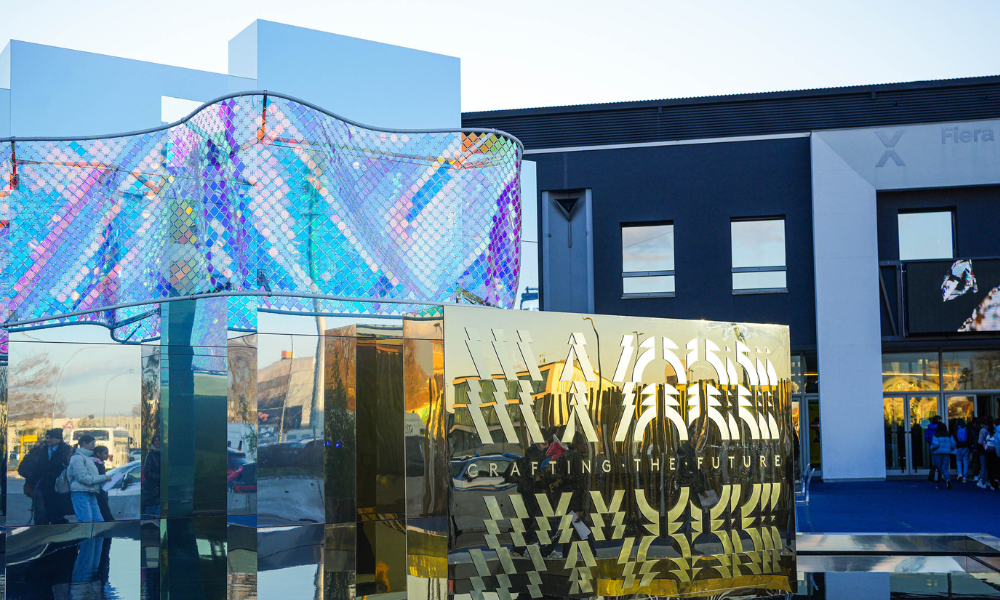
Vicenzaoro January 2025, the event of reference for the global jewellery industry and the starting point of the sector’s global calendar. The edition not only confirmed last year’s exceptional numbers, it also touched the international dimension record: in fact, foreign visitation – greater than that of Italians – reached the extraordinary participation number of 145 countries from all over the world , with Turkey, the United States, Germany, Spain and Greece in the lead and interesting increases in countries such as North Korea and Australia.
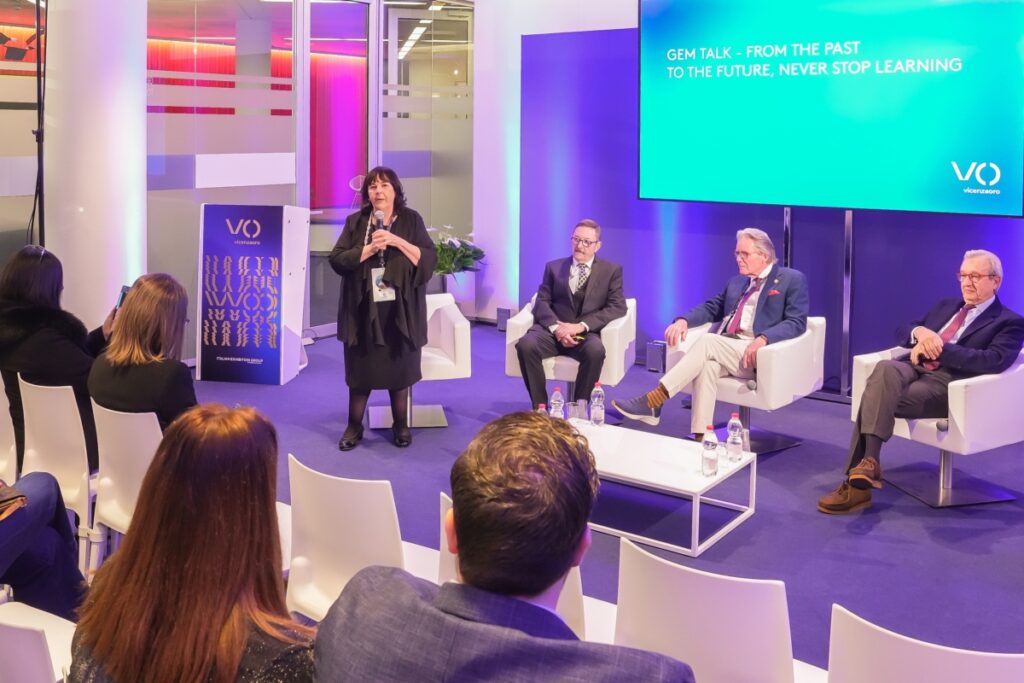
“We have won the internationality challenge,” commented Corrado Peraboni, CEO of Italian ExhibitionGroup, in regard to Vicenzaoro January 2025. “Several years ago, we decided to develop our leading products abroad. A successful strategy that has decisively increased foreign visitation at our most important events in Italy.”


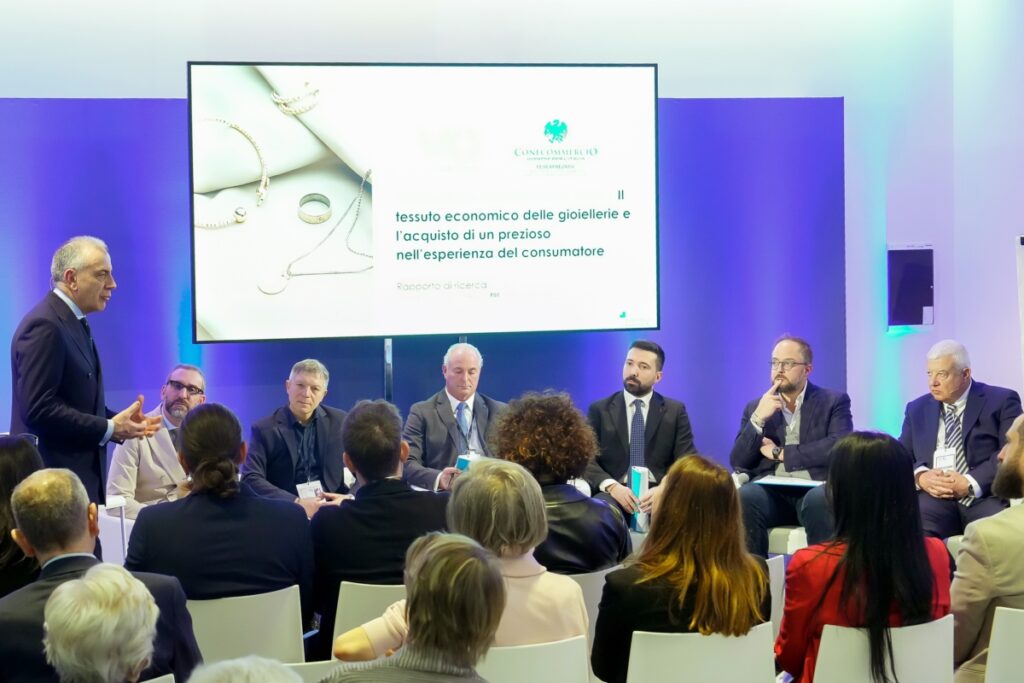
Matteo Farsura, head of IEG’s gold and jewellery division, underlined: “With 1,300 brands and the involvement of the entire jewellery supply chain, from technologies to haute joaillerie, Vicenzaoro confirms its position as a global platform of reference, favouring dialogue among the different segments to meet the needs of the various markets.
US retailers were out in force at the Italian Exhibition Group (IEG) event staged in the Vicenza show. In attendance were buyers from leading companies, such as Macy’s, Neiman Marcus, Saks Off 5th, Ben Bridge Jeweler, Diane Glynn Jewelry, and Manfredi Jewels.

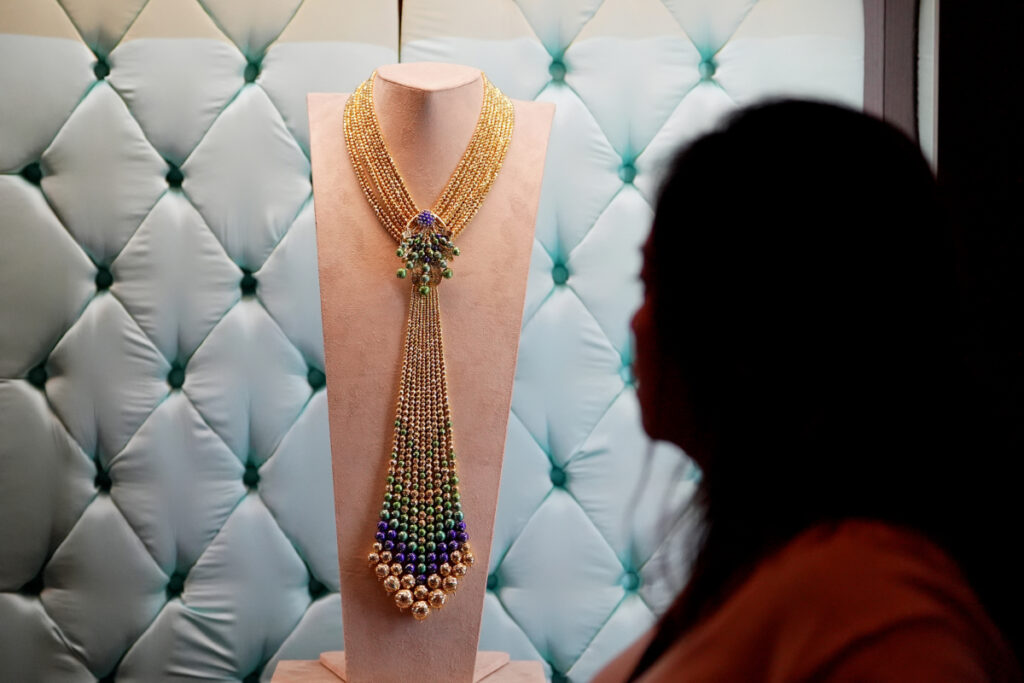


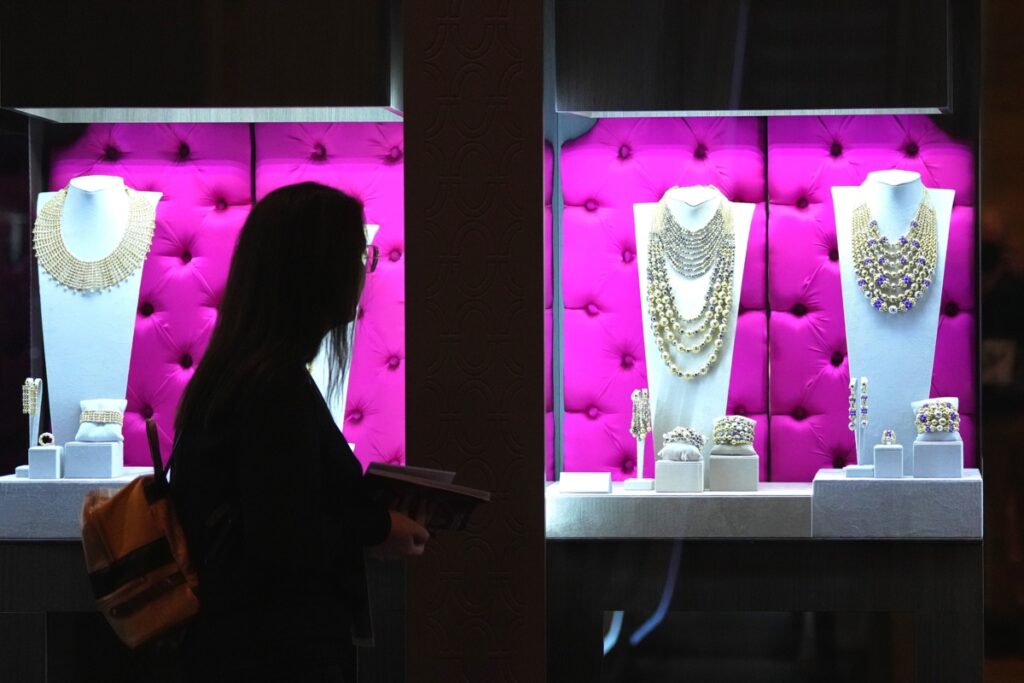

“Vicenzaoro was a fruitful experience where I filled some orders and discovered unique, well-crafted jewelry,” Lisa Vinicur of Pennsylvania-based Diane Glynn Jewelry told Rapaport News. “I specifically sought important pieces like bangles, earrings, necklaces, and rings that are only available in Vicenza, and I’m pleased to say I found them.”
“Although the venue had construction happening, [the organizers] increased the signage to make the show easy to navigate,” said Nina Bruno of Macy’s, based in New York. “We are always shopping for new inspiration in chains. We were pleased to see fresh manipulations in chains and innovative diamond cutting.”
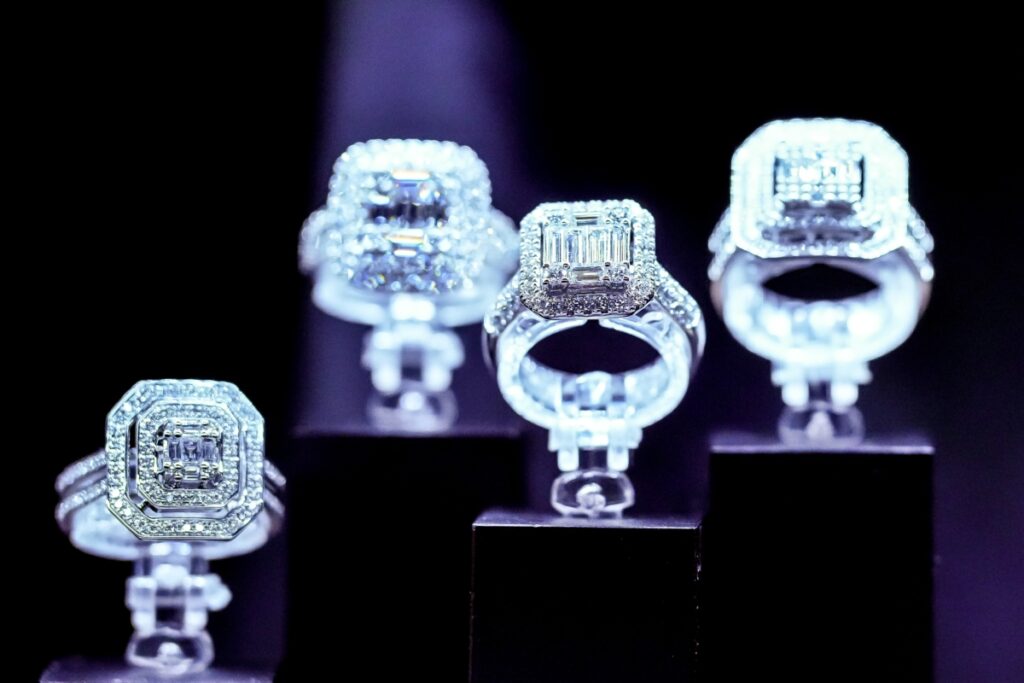
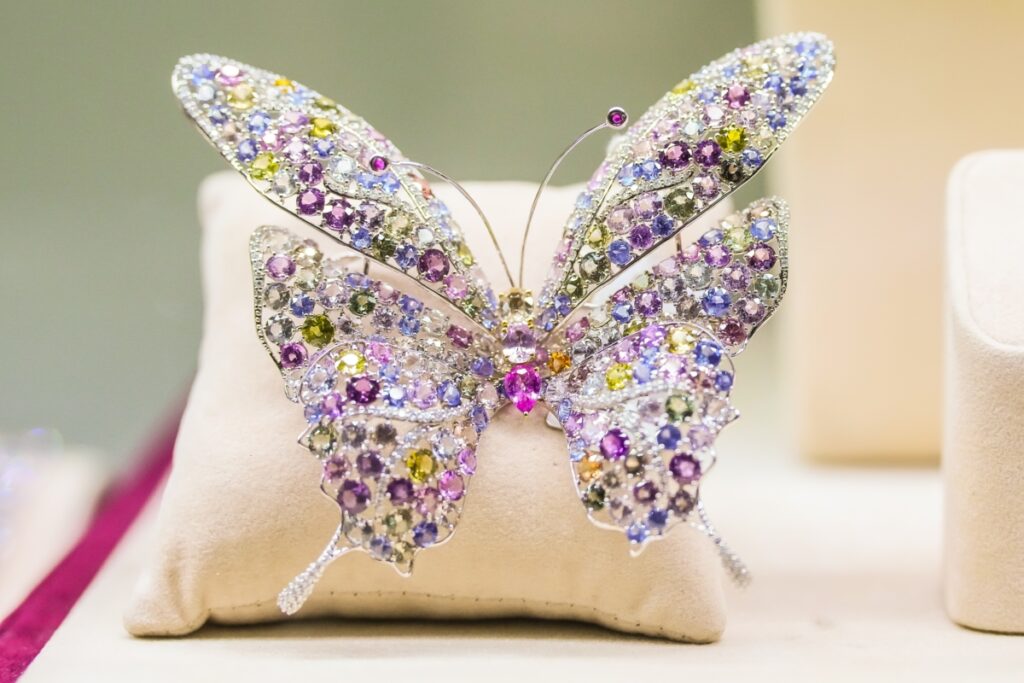
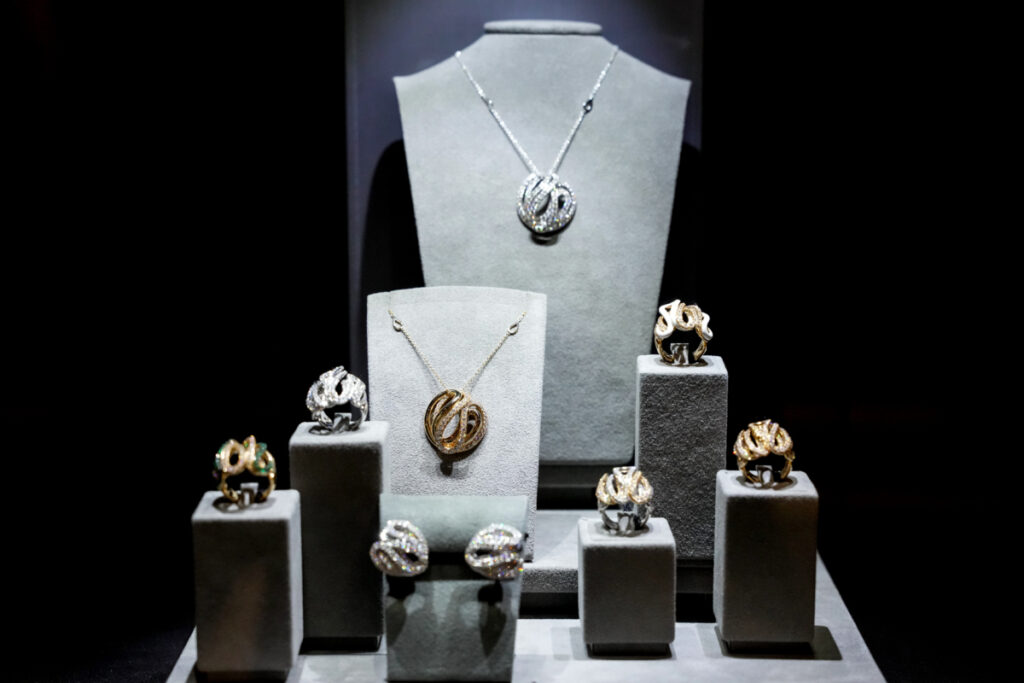
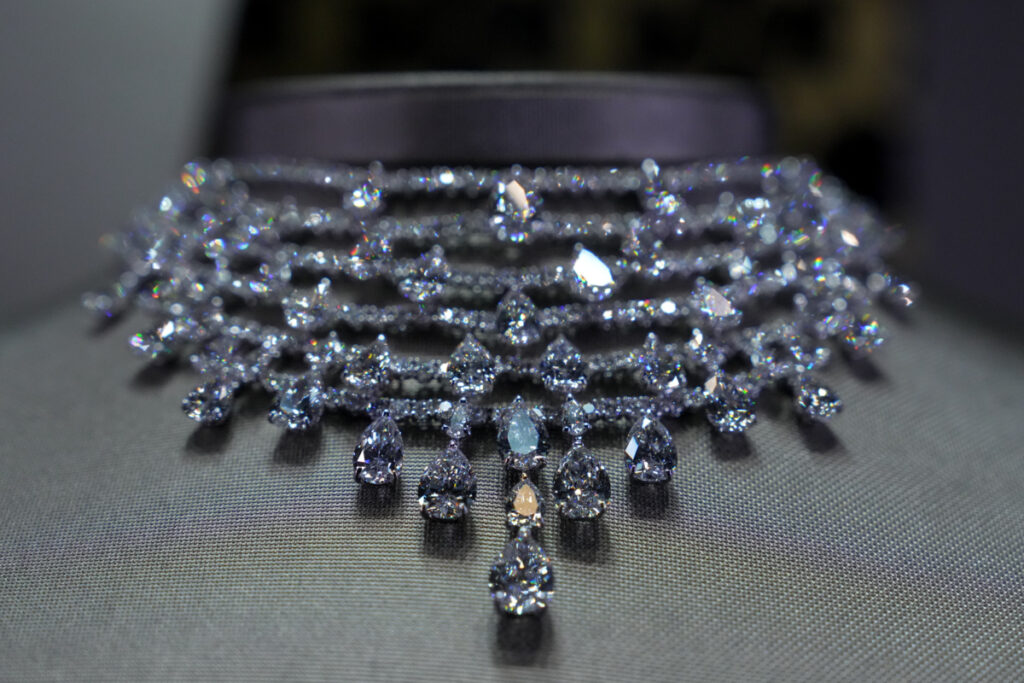

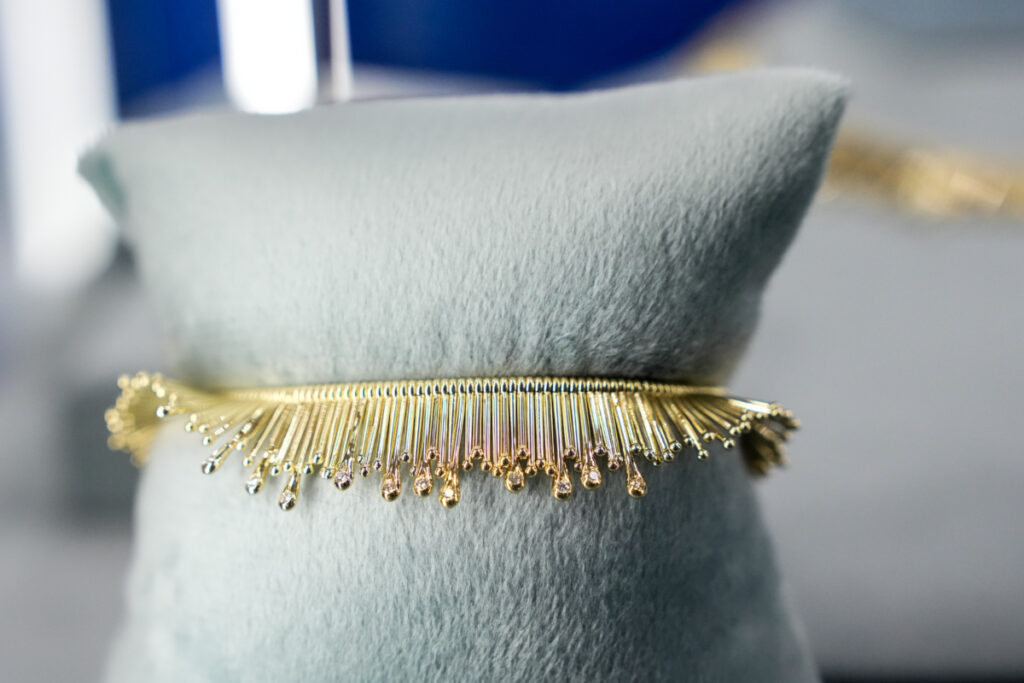
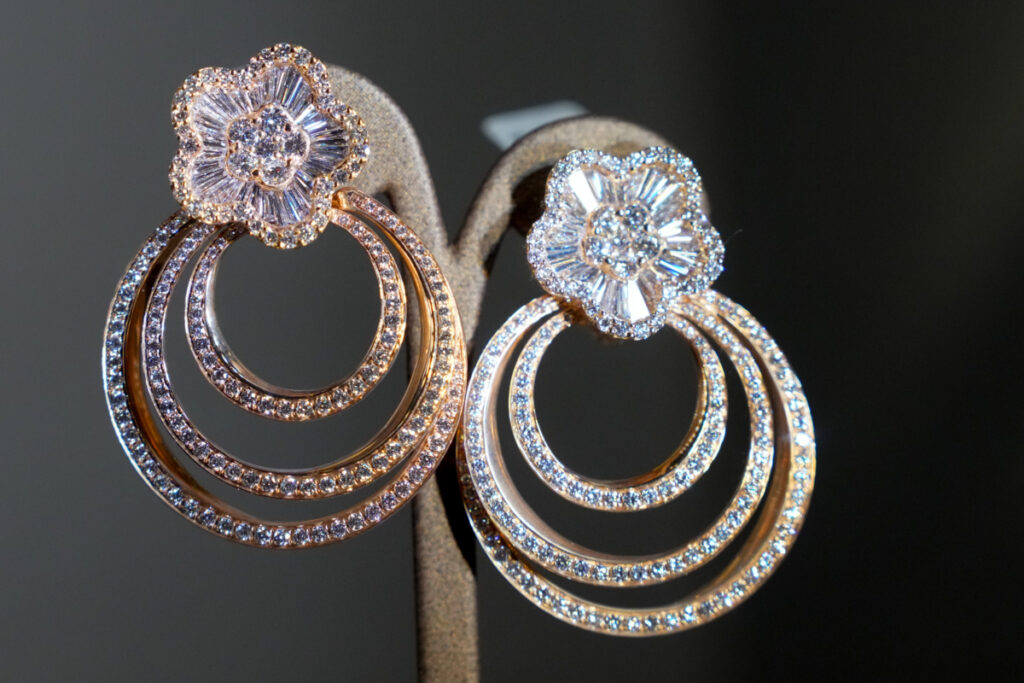

Laura Barringer, Seattle-based senior buyer at Ben Bridge Jeweler, said the brand refilled all of its core selections and resourced and created a new collection it hoped to launch this spring. Managing partner of New York-based Manfredi Jewels Bianca Chiappelloni explained that part of the show’s draw is the ability to access Italian companies in one place. “It’s been beneficial for us to visit with so many of our Italian brands, in most cases seeing a much more complete and fuller showcase of their offerings than we see at some of the shows in the US,” she said
Vicenzaoro was held in conjunction with T.Gold, which showcased the excellence of the sector’s technologies (a T.Gold that, thanks to the Expo Centre’s expansion, will be staged inside the Vicenzaoro areas as of the second half of 2026), and VO Vintage, the fine vintage watch show, and the collaboration with Vicenza Municipality at VIOFF, the experiential off-show event that involved guests from all over the world.
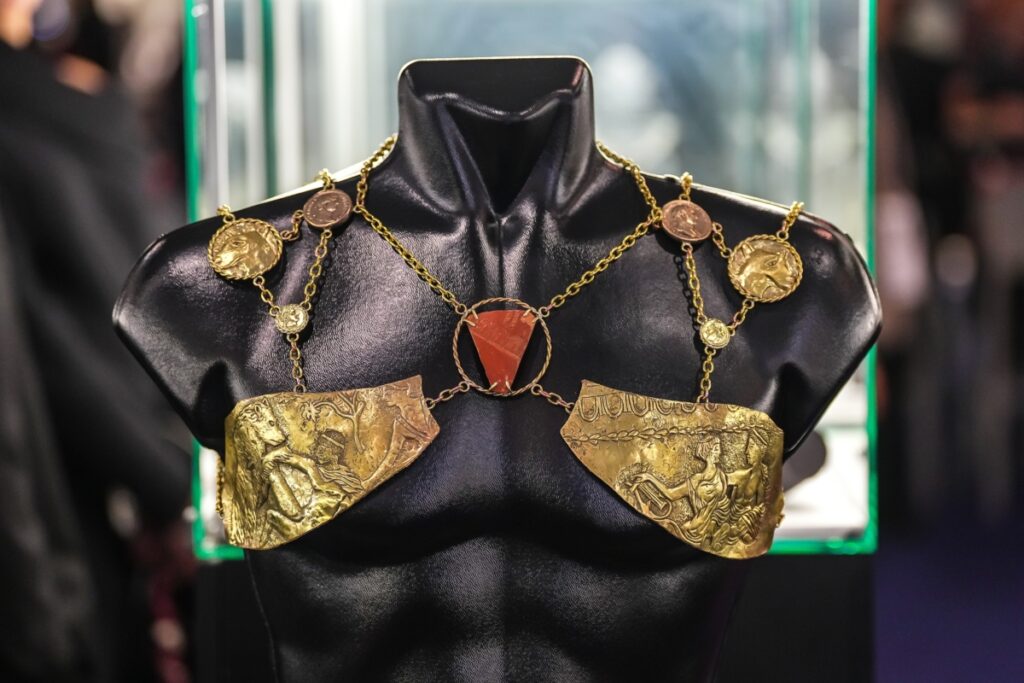

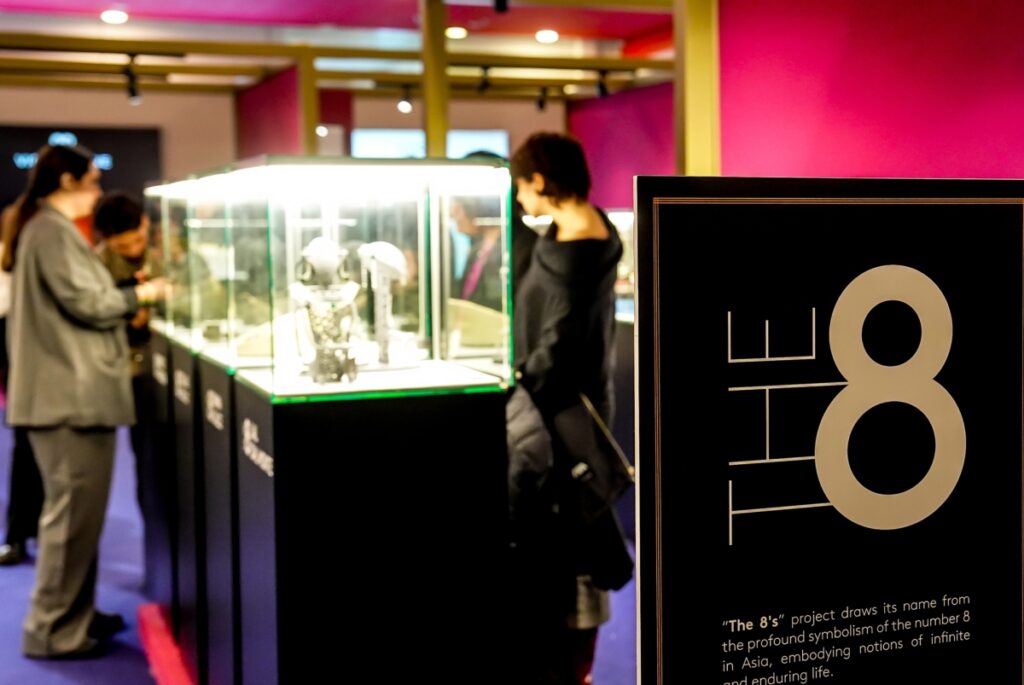
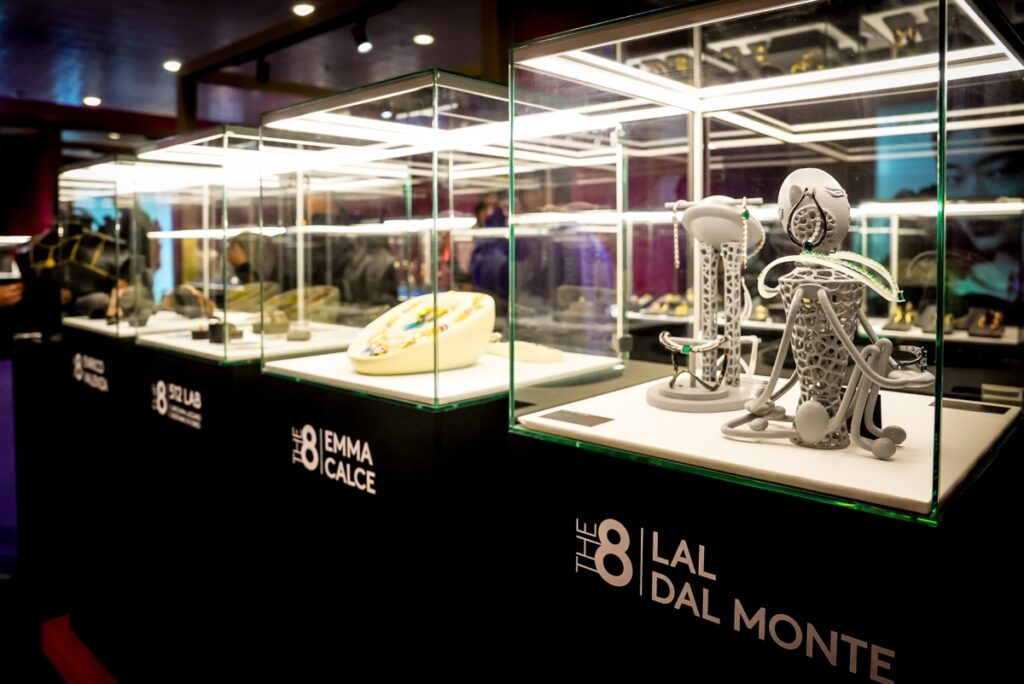
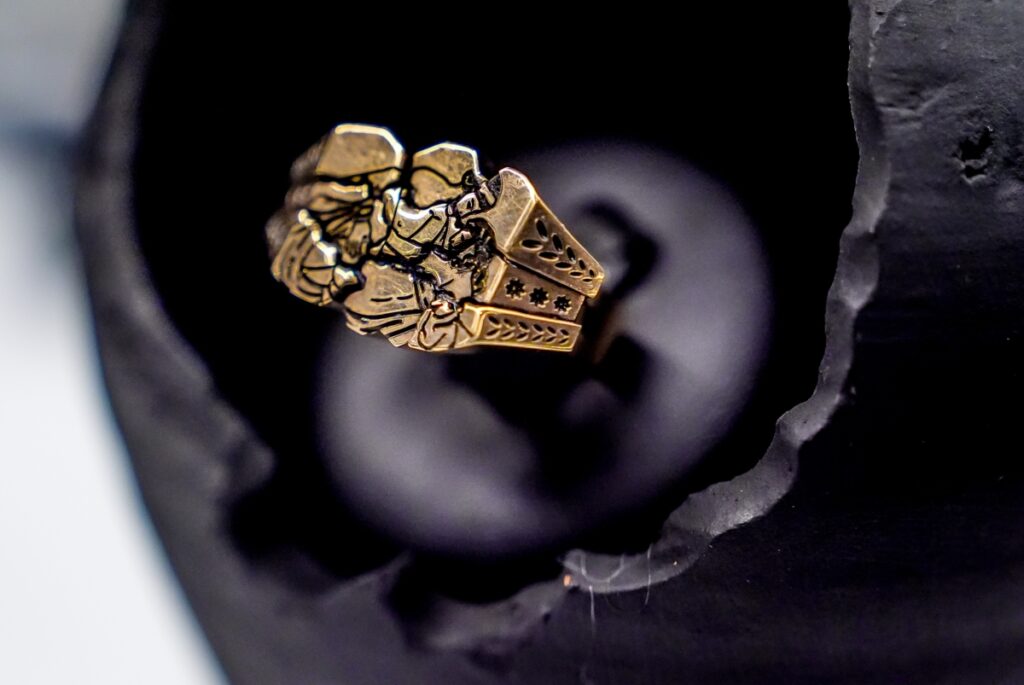
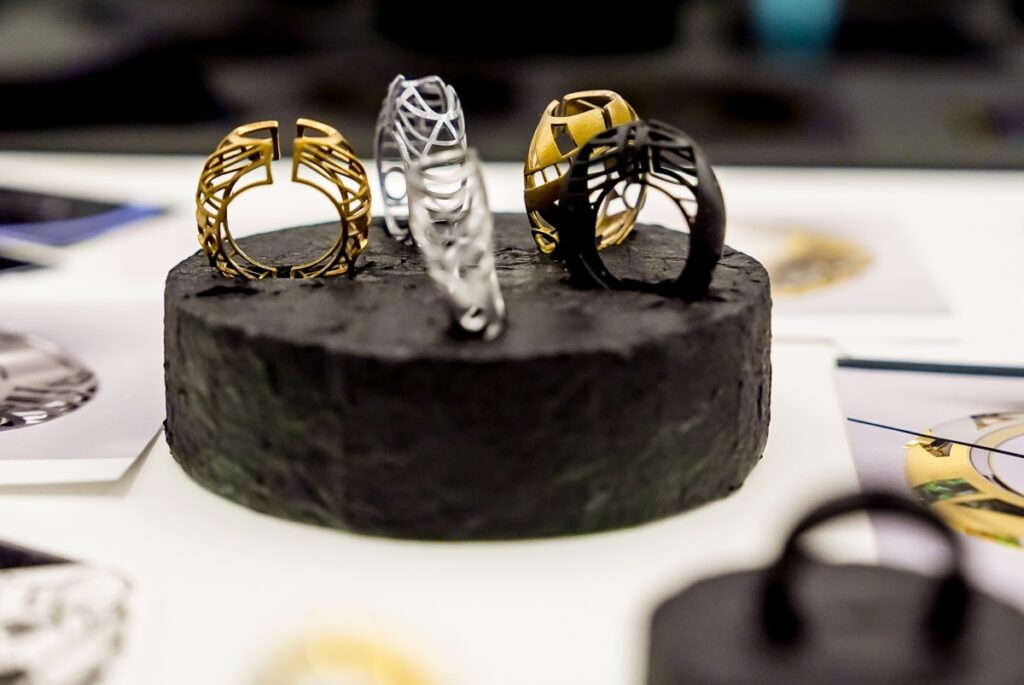

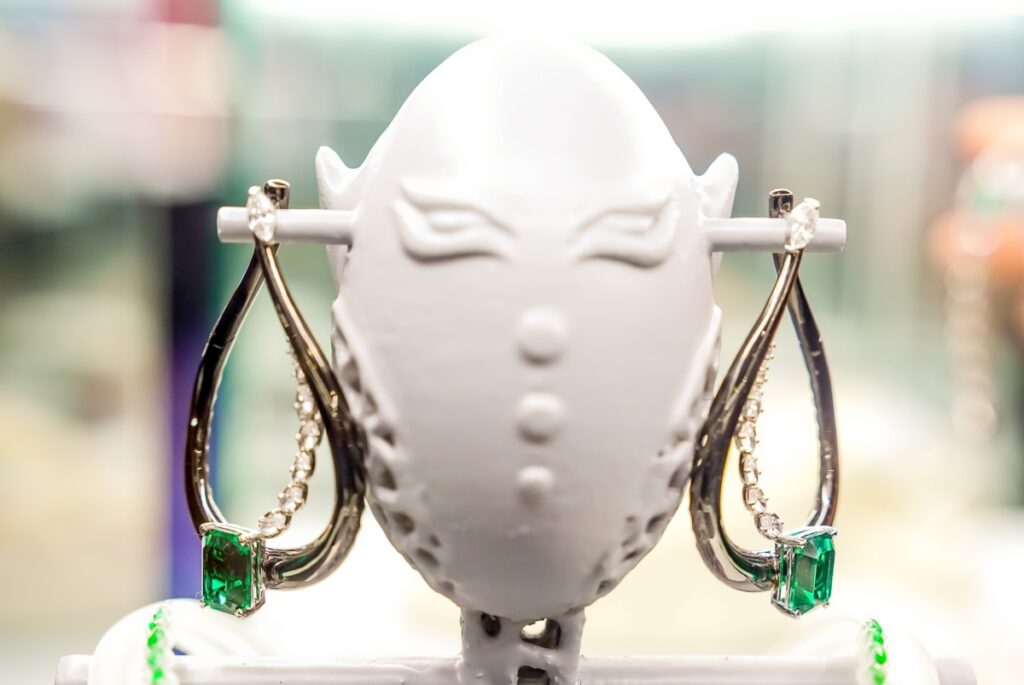
A “rhythm” of business and innovation that never stopsbut continues for twelve months a year in a unicum of Italian Exhibition Group appointments and jewellery & fashion projects all over the world. IEG’s agenda will see OROAREZZO in May, SIJE in Singapore in July, Vicenzaoro September at the end of the summer (and the return of VO’Clock Privé) preceded by the new Vicenza Symposium, the Valenza Jem Forum in October, JGTD Dubai in November, and the Italian Jewellery Summit in Arezzo in December.








JB Insights
Gold Rate-Locking and Advance-Booking Ahead Of Dhanteras 2026
The Strategy Is To Mitigate The Impact Of Heightened Price Volatility and Recent Bullion Price Corrections On Consumer Sentiment

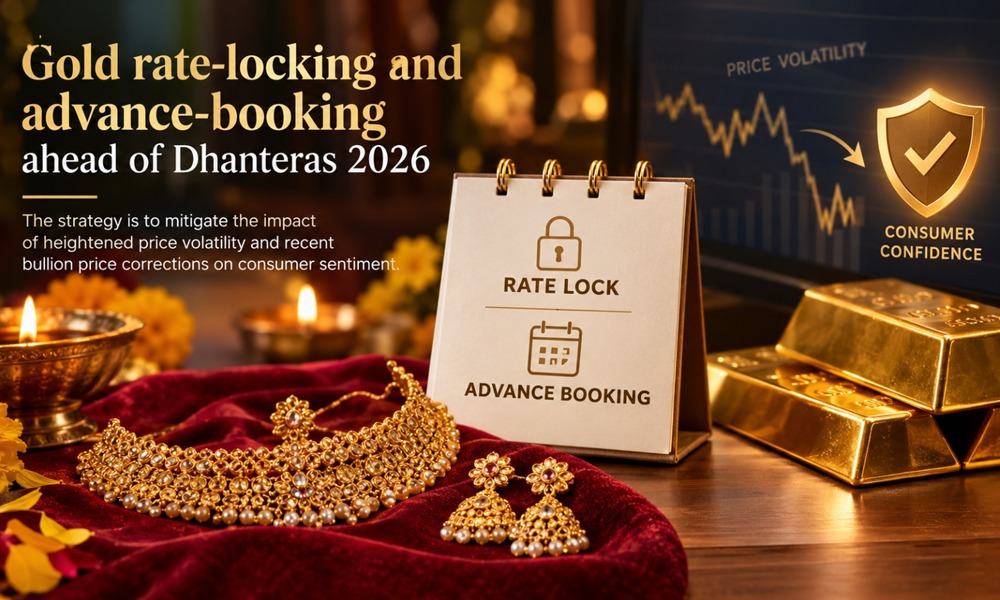
Ahead of Dhanteras on November 6, 2026, Indian jewellery retailers are aggressively leveraging advance-booking and gold rate-locking schemes to mitigate the impact of heightened price volatility and recent bullion price corrections on consumer sentiment.
Following subdued sales during Dussehra, retailers are banking on the dual convergence of Dhanteras and the upcoming wedding season to drive robust revenue recovery. Leading national and regional brands report optimistic projections, bolstered by strong interest in both heavy bridal pieces and budget-conscious solutions like lightweight jewellery and old-gold exchanges.
1. Market Context & Bullion Price Trends
Recent gold and silver trading ranges reflect elevated price levels driven by ongoing global geopolitical uncertainty, sustained central-bank purchases, and fluctuations in international currency markets.
- Gold Prices: Standard 10-gram rates are hovering between Rs 1.42 lakh and Rs 1.44 lakh.
- Silver Prices: Standard 1-kilogram rates range from Rs 1.95 lakh to Rs 1.96 lakh.
While high prices have created initial friction, recent price corrections have provided an entry window for consumers, encouraging advance commitments ahead of expected festive demand spikes.
Retail Outlook & Strategic Schemes
To capitalize on festive tailwinds and hedge consumers against potential price surges, major retailers—including Kalyan Jewellers, Joyalukkas, Senco Gold & Diamonds,—have deployed price-protection mechanisms.
Rate-Locking Mechanisms
Advance-booking schemes allow buyers to reserve jewellery by locking in current gold prices. If prices rise before final delivery, consumers pay the lower locked-in rate; if prices decline, consumers benefit from the lower market price at the time of final settlement.
Consumer Buying Patterns & Product Demand
Rising gold rates are bifurcating consumer preferences into two distinct buying trends:
High-Value Bridal & Heritage Segment
Wedding-related purchasing remains a resilient anchor for the market. Consumers continue to allocate budgets toward high-ticket items, including:
- Heavy Gold Pieces: Essential traditional bridal sets.
- Heritage & Polki Work: Intricate traditional craftsmanship.
- Diamond Jewellery: Increasingly favored in modern bridal trouseaus.
Budget Management & Value Optimization
To offset high unit costs for non-wedding or casual festive purchases, consumers are adjusting their buying strategies:
- Lightweight Jewellery: Lower overall grammage to fit fixed budget caps.
- Old-Gold Exchanges: Recycling existing family holdings into contemporary designs.
Key Insight: Senco Gold reported that old-gold exchanges now account for more than 50% of its overall business, underscoring exchange programs as the single most critical driver of sales enablement during high-price regimes.
Operational Outlook & Risks
The immediate business outlook for Indian jewellery retailers hinges on execution during the final days leading up to Dhanteras and the subsequent wedding peak:
- Conversion Metrics: The final festive revenue numbers will depend on the successful conversion rate of advance bookings into finalized, fulfilled sales.
- Margin Protection: While rate-locking drives volume, unhedged price movements pose minor margin risks for smaller retailers lacking robust bullion hedging practices.
- Inventory Management: Retailers must balance inventory stocks between high-margin bridal inventory and fast-moving, lightweight everyday wear.
Indian jewellery retailers are entering the Dhanteras 2026 period with high expectations, relying on structural price-protection tools to overcome earlier seasonal slumps. As advance bookings build momentum, old-gold recycling and rate-locking schemes are effectively bridging the gap between record-high bullion prices and strong consumer appetite for seasonal gold accumulation.



Gargi By P N Gadgil & Sons Invites Women To #GETNOTICED This Diwali In New Campaign With Mithila Palkar

IBJA, SAARTHI 360 Sign MoU To Launch ‘NextGen CEO: Leadership for the Future’

Jos Alukkas Unveils New Website For A Seamless Online Jewellery Shopping Experience

Dhanteras Shopping Guide 2026:Gold, Silver, Diamonds & Festive Jewellery Trends To Watch

The Solenne Collection: A Celebration Of Diwali By Bharti Bangur Fine Jewels

From Diya Puja To Diwali Soirées: Jewellery Designed To Go Beyond The Festive Season
-
 JB Insights4 days ago
Dhanteras Shopping Guide 2026:Gold, Silver, Diamonds & Festive Jewellery Trends To Watch
-
 BrandBuzz4 days ago
The Solenne Collection: A Celebration Of Diwali By Bharti Bangur Fine Jewels
-
 BrandBuzz4 days ago
From Diya Puja To Diwali Soirées: Jewellery Designed To Go Beyond The Festive Season
-
 National News4 days ago
Indriya, Aditya Birla Jewellery Unveiled India’s Largest Sustainable Jewellery Rangavalli
