
National News
US Retains 10% Tariff On Indian Exports Under New Section 301 Regime
The move follows the conclusion of the USTR Section 301 investigations into 60 economies over their implementation and enforcement of prohibitions on imports produced with forced labour

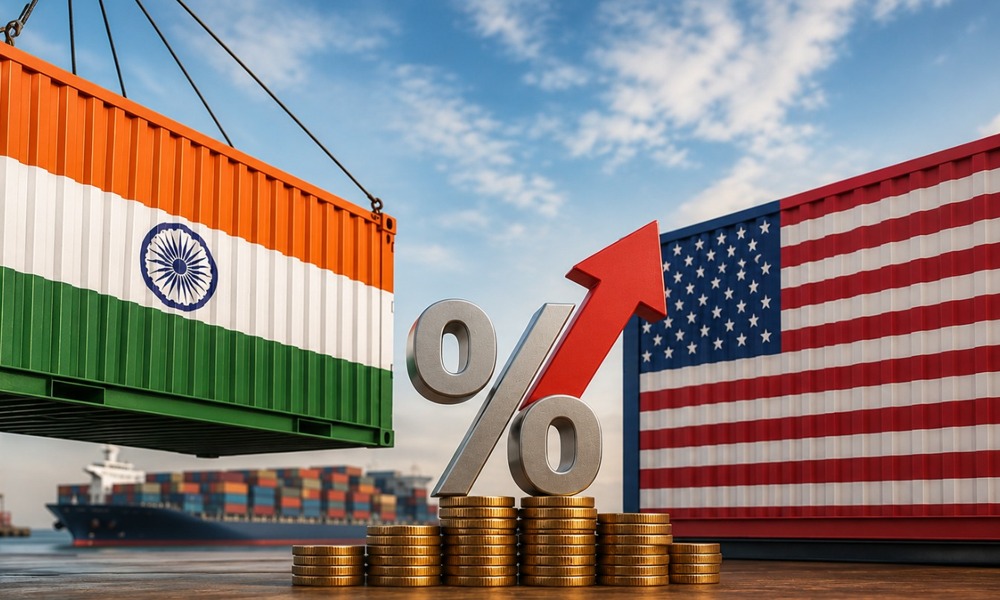
The United States has replaced its temporary Section 122 surcharge with a Section 301 tariff regime with no automatic lapse, maintaining a 10% additional duty on Indian exports, including natural diamonds, lab-grown diamonds, coloured gemstones and jewellery, from 24 July 2026.
Policy Shift & Legal Framework
- Transition to Section 301: Following USTR forced-labour investigations into 60 economies, President Trump signed a Presidential Memorandum replacing temporary Section 122 surcharges with Section 301 tariffs, effective 12:01 a.m. EDT on 24 July.
- No Expiry Date: Unlike the time-limited Section 122 surcharge, Section 301 tariffs have no statutory expiry and remain subject to modification or termination by the USTR.
- Seamless Transition: Section 122 expired precisely as Section 301 took effect, avoiding any duty gaps or overlapping tariffs. Imports must now be reported under HTSUS heading 9903.05.44.
India’s Tariff Rate & Relative Advantage
- 10% Tariff Band: India secured a 10% tariff rate (unchanged from its previous rate) after banning forced-labour imports post-5 June 2026.
- Competitive Edge Over Rivals: India holds a 2.5 percentage-point advantage over competitors like China, Hong Kong, Thailand, Türkiye, the UAE, Israel, and Vietnam, all of which face a 12.5% tariff.
Impact on Product Categories
- Natural Diamonds & Colored Gemstones: Previously entered duty-free under MFN rates; now face a 10% Section 301 duty.
- Lab-Grown & Synthetic Stones: Subject to a 10% Section 301 duty.
- Finished Jewellery: Existing MFN duty (5.5%–6%) combines with the 10% Section 301 tariff, raising the total effective import duty to 15.5%–16%.
Major Competitive Disadvantages
- EU & Swiss Exemptions: Natural diamonds, pearls, and colored stones (HS 7101–7103) from the EU and Switzerland are exempt from Section 301 duties, whereas identical Indian-origin goods face the full 10% tariff.
- Out-of-Scope Nations: Primary diamond producers (e.g., Botswana, Namibia, DRC, Zimbabwe) fall outside Section 301 entirely.
- Substantial Transformation: Goods processed or substantially transformed in India are treated as Indian-origin, triggering the 10% duty.
In-Transit Logistics & Compliance Advice
- Limited Ocean Freight Exemption: In-transit exemptions apply only to ocean freight loaded before 24 July and entered before 28 July. Air cargo, couriers, and hand-carried shipments—the primary delivery methods for Indian gems—do not qualify.
- Broker & Return Guidance: Exporters are urged to coordinate with customs brokers for accurate classification and are warned that goods returned under Chapter 98 are not automatically exempt and remain under CBP review.



National News
Indriya, Aditya Birla Jewellery Unveiled India’s Largest Sustainable Jewellery Rangavalli
The Installation Transformed An Iconic Jewellery Design, From Indriya’s Festive Collection Padmika, Into A Magnificent Rangavalli, A Grand Celebration For Vijayadashami.
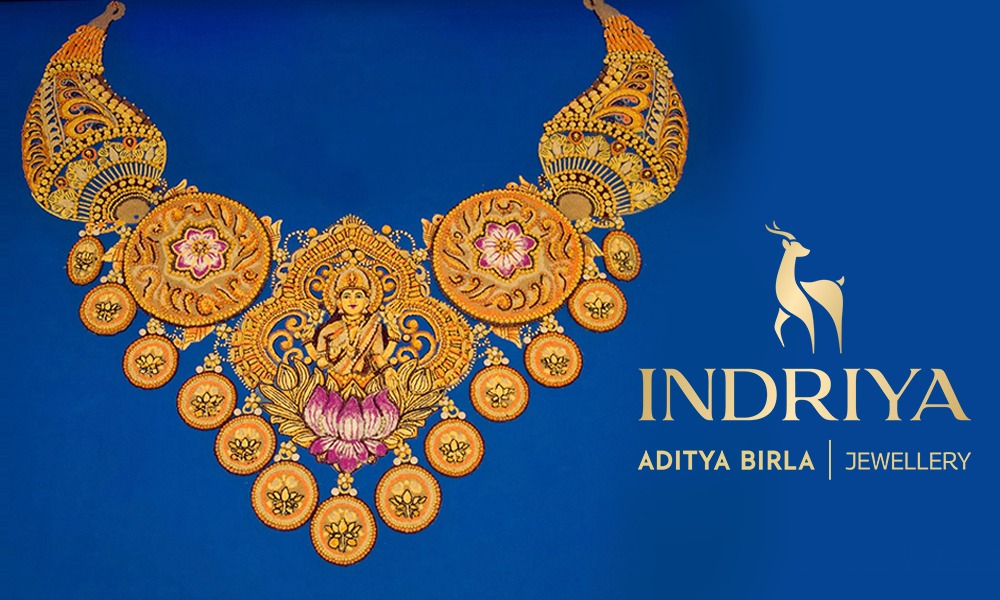
Indriya, Aditya Birla Jewellery, on unveiled India’s Largest Sustainable Jewellery Rangavalli, crafted from grains, at Orion Mall and Shri Sathya Ganapathi Shirdi Saibaba Temple on in Bengaluru, as a tribute to our rich cultural heritage and enduring festive traditions. Spanning 400 sq. ft. at Orion Mall and 1,600 sq. ft. at the temple, the large-scale Rangavalli installations, inspired by an iconic jewellery design from Indriya’s latest festive collection, Padmika, transform the intricate artistry of fine jewellery into magnificent expressions of a cherished cultural tradition steeped in devotion, craftsmanship and community spirit.
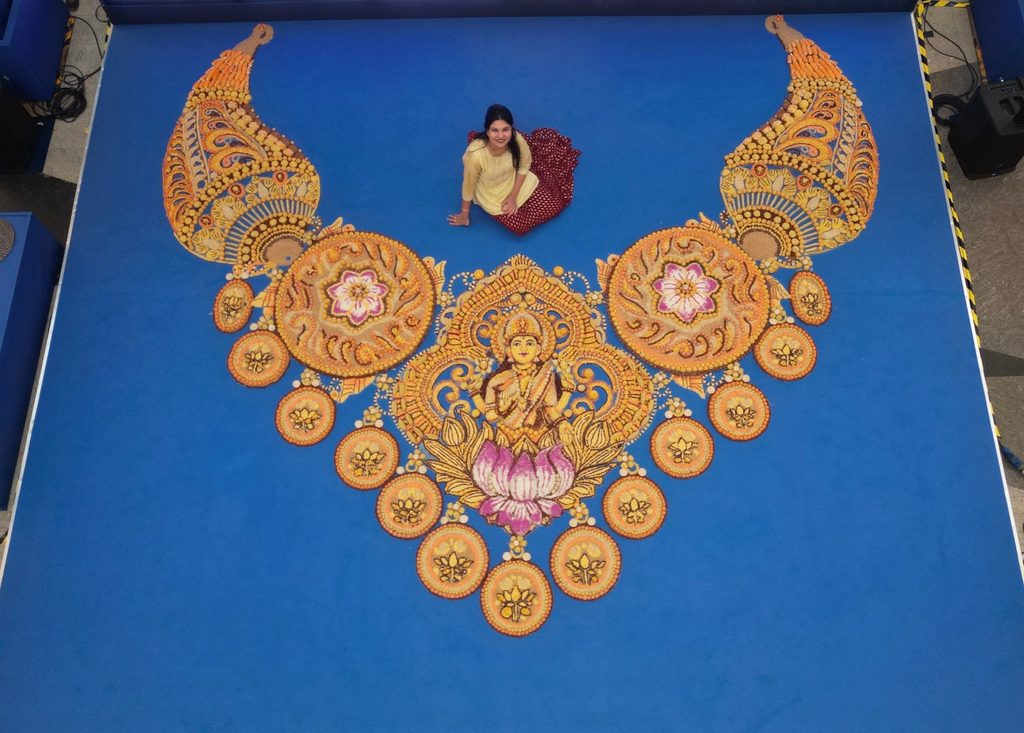
Padmika crafted in 22KT gold celebrated the revival of Gulabi Meenakari, a rare pink enamel craft, and the necklace featured an intricate nakshi floral detailing alongside the auspicious motif of Goddess Lakshmi seated on a lotus, symbolising prosperity, abundance and new beginnings. Reimagined as a magnificent Rangavalli using eco-friendly materials including rice, millets and seeds, the installation translated the intricate artistry of the necklace into a large-scale tribute to our cultural heritage. Bringing together thousands of individual elements, the artwork reflected the precision, patience and craftsmanship shared by both jewellery-making and Rangavalli creation. Created using grains, millets and seeds, the installation celebrated the enduring beauty of traditional art forms while offering visitors a distinctive and immersive festive experience.
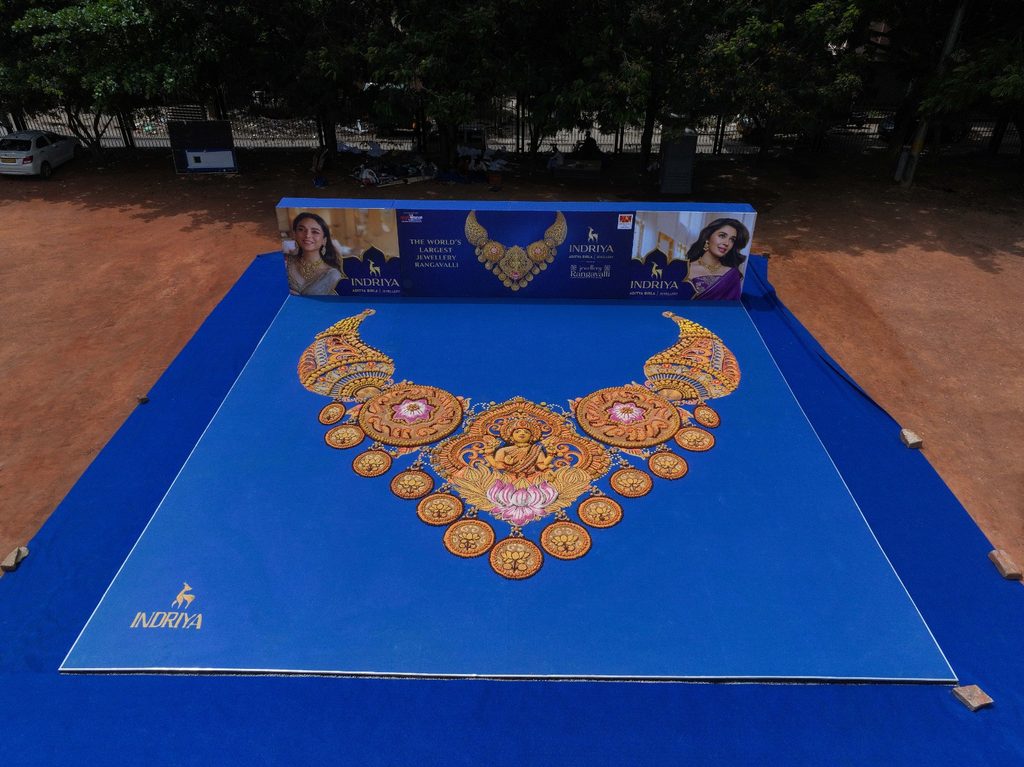
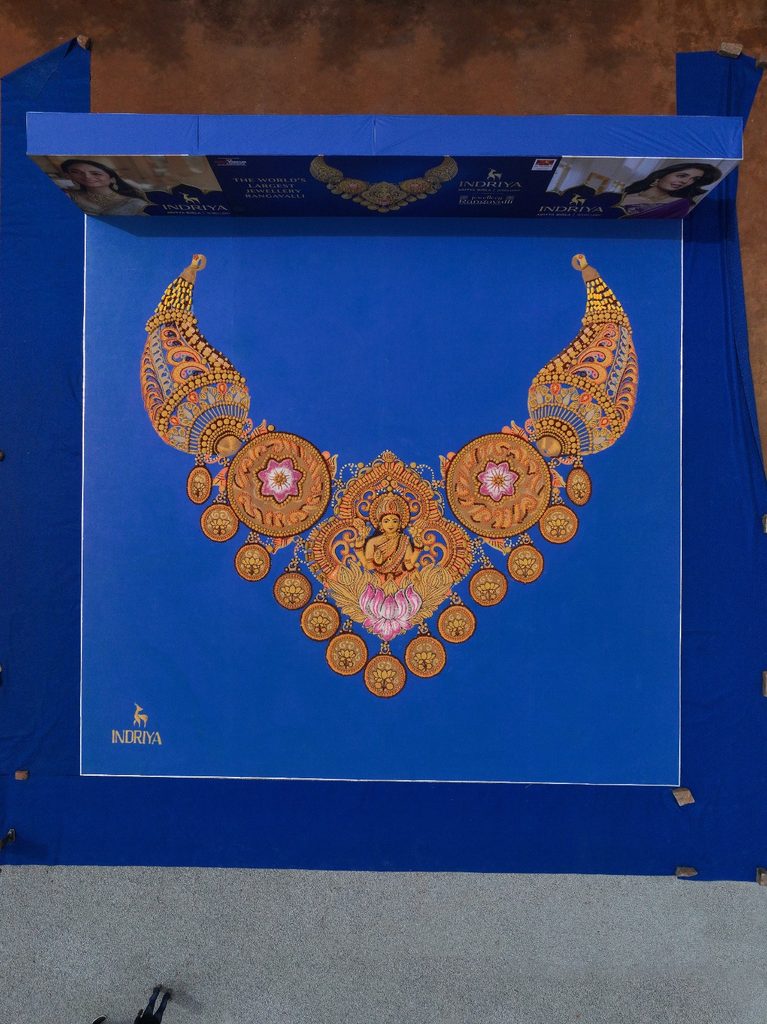
Rooted in cultural authenticity, the initiative drew on the expertise of the renowned Rangoli artist Shikha Sharma popularly known as the “3D Rangoli Queen” and creator of record-breaking Rangoli artworks. By translating the detailing of an iconic temple jewellery design into Rangavalli, Indriya celebrated two art forms that shared a deep appreciation for intricate patterns, craftsmanship and the coming together of individual elements which created something extraordinary.
Sustainability was integral to the initiative and it extended the purpose of the installation beyond the festive celebration. Following Vijayadashami, the rice, millets and seeds used in the artwork were responsibly repurposed through feeding drives for birds and animals in partnership with Akhil Karnataka Prani Daya Sangh Gaushala.
Speaking about the initiative, Shantiswarup Panda, Head of Marketing & Visual Merchandising at Indriya, said:
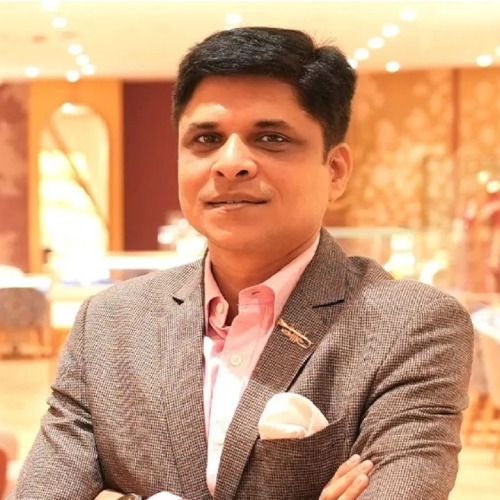
“At Indriya, our endeavour is to celebrate India’s rich cultural heritage through meaningful and contemporary expressions. The Jewellery Rangavalli is an extension of that vision, reimagining an iconic Padmika design through a beloved festive tradition that resonates deeply with our audiences. As a brand inspired by culture and craftsmanship, we wanted to create an experience that not only showcases the artistry behind our jewellery but also invites consumers to engage with it in a memorable and immersive way. Through this initiative, we celebrate heritage, craftsmanship and the spirit of togetherness that lies at the heart of Vijayadashami.”



Dhanteras 2026: Can Festive Shopping Spark A Golden Opportunity For india’s Jewellery Industry?

Dhanteras Shopping Guide 2026:Gold, Silver, Diamonds & Festive Jewellery Trends To Watch

Indriya, Aditya Birla Jewellery Unveiled India’s Largest Sustainable Jewellery Rangavalli
Dhanteras Shopping Guide 2026:Gold, Silver, Diamonds & Festive Jewellery Trends To Watch
Indriya, Aditya Birla Jewellery Unveiled India’s Largest Sustainable Jewellery Rangavalli

The Solenne Collection: A Celebration Of Diwali By Bharti Bangur Fine Jewels
-
 JB Insights4 hours ago
Dhanteras Shopping Guide 2026:Gold, Silver, Diamonds & Festive Jewellery Trends To Watch
-
 National News5 hours ago
Indriya, Aditya Birla Jewellery Unveiled India’s Largest Sustainable Jewellery Rangavalli
-
 BrandBuzz6 hours ago
The Solenne Collection: A Celebration Of Diwali By Bharti Bangur Fine Jewels
-
 BrandBuzz5 hours ago
From Diya Puja To Diwali Soirées: Jewellery Designed To Go Beyond The Festive Season
