
DiamondBuzz
US Jewelry Sales Decline as Affluent Consumers Shift Spending
Signet Jewelers reports a revenue drop, while luxury brands like Richemont see growth, as jewelry preferences shift toward experiences and sustainability.

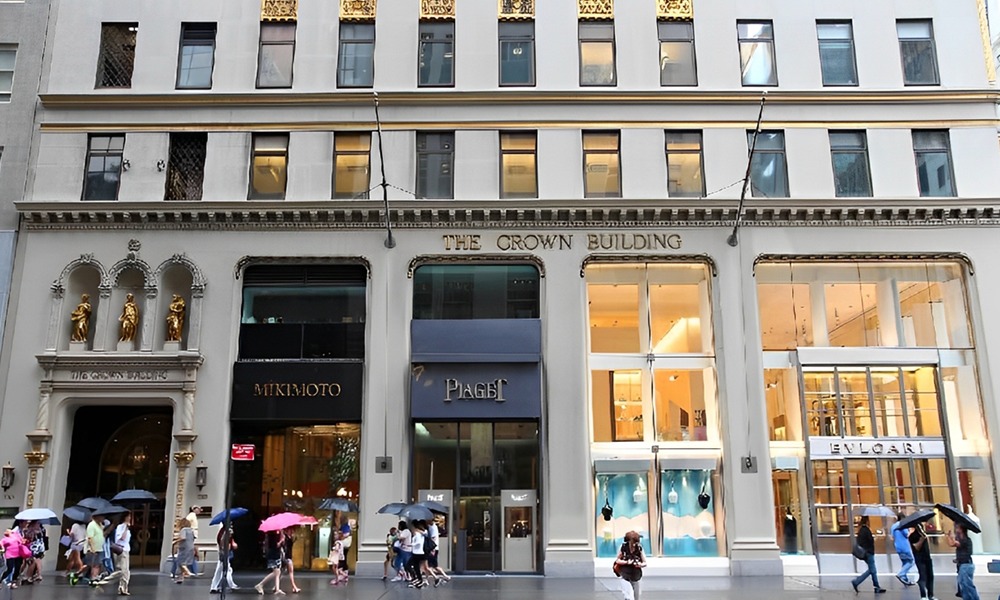
Signet Jewelers, the world’s largest diamond jewelry retailer, has reported a 7% revenue decline for fiscal 2025, with sales dropping to $6.7 billion from $7.1 billion, following a 12% decline the previous year. This downward trend is expected to continue, with the company forecasting sales between $6.53 billion and $6.8 billion for 2026, a further 13-16% decrease over three years. CEO J.K. Symancyk, “Growth has been elusive.”
While the overall U.S. jewelry market grew by 5% in 2024 to $85.4 billion, affluent consumers are beginning to pull back on their spending. The report also points to mass-market success stories like Pandora, which saw a 14% growth in the U.S., and luxury brands such as Richemont’s Cartier, which saw a 15% rise to $4.3 billion. However, LVMH’s jewelry division (Tiffany) grew only 1%, and independent jewelers reported a modest 1% sales increase.
According to Chandler Mount of Affluent Consumer Research Company, the luxury market is expected to shift in 2025, as high-net-worth individuals prioritize experiences, sustainability, and economic caution. ACRC data revealed that jewelry purchase intent among consumers earning $200k+ fell from 28% in 2022 to 22% this year, reflecting a loss of 1.5 million potential buyers every quarter.
A reputed magazine as per the report also highlights the growing popularity of lab-grown diamonds (LGDs), which saw a 43% increase in unit sales due to lower prices, putting pressure on natural diamond sales. Mount noted that affluent consumers are increasingly favoring experiences, such as travel, over physical goods, signaling a potential contraction in the jewelry market if economic optimism does not recover.






DiamondBuzz
Botswana Looks Beyond Rough Diamond Sales, Eyes U.S. Jewelry Market
The Duty Exemption By US Presents An Opportunity For Domestic Jewelry Manufacturers In Gaborone To Bypass Traditional Middle-Market Hubs and Establish A Direct Pipeline To American Consumers


Grappling with a painful downturn in global rough-diamond demand, Botswana is pivoting its economic strategy: expanding up the supply chain directly into American retail shelves while leveraging its resource wealth to fund conservation and diversification.
Speaking on the sidelines of New York Climate Week, Bogolo Joy Kenewendo, Botswana’s Minister of Minerals and Energy, highlighted the southern African nation’s plan to capitalize on a 0% import-tariff rate to the U.S. market. The duty exemption presents an opportunity for domestic jewelry manufacturers in Gaborone to bypass traditional middle-market hubs and establish a direct pipeline to American consumers.
shift The push into value-added manufacturing comes as the world’s top diamond producer by value navigates a broader structural Diamond revenues have long formed the bedrock of Botswana’s post-independence balance sheet, underwriting universal secondary education and tuition-free university funding. However, recent market volatility has underscored the vulnerabilities of a mono-sectoral economy.
Under the Botswana Economic Transformation Programme (BETP)—an initiative spearheaded directly by President Duma Boko and his vice president—the government is directing resources toward manufacturing, agriculture, and broader mining sectors to reduce its heavy reliance on rough diamond sales.
To support its luxury exports, Botswana is recalibrating its brand narrative around origin, environmental stewardship, and social impact. The country recently announced a five-year extension of the “Okavango Eternal” partnership alongside De Beers Group and the National Geographic Society. The initiative aims to protect the ecological integrity of the Okavango River Basin while tying diamond purchases to conservation efforts.
With De Beers currently facing an impending ownership change, officials remain optimistic that any capital restructuring could bring additional funds into Botswana to accelerate its domestic economic transition.



GJS 2026 Diwali Edition Concludes On A High Note With Record Sales

GJEPC Launches UNNATI: Powering Women In GJ Sector To Drive Industry Growth Towards Viksit Bharat

Divine Solitaires and SGL Launch The Know Your Diamond Zone At GJS Diwali Edition 2026
GJEPC Launches UNNATI: Powering Women In GJ Sector To Drive Industry Growth Towards Viksit Bharat

KEYA By Adbhut Brings Wearable Art and Indian Craftsmanship To Delhi Art Weekend 2026
Divine Solitaires and SGL Launch The Know Your Diamond Zone At GJS Diwali Edition 2026
-
 National News14 hours ago
GJEPC Launches UNNATI: Powering Women In GJ Sector To Drive Industry Growth Towards Viksit Bharat
-
 National News16 hours ago
KEYA By Adbhut Brings Wearable Art and Indian Craftsmanship To Delhi Art Weekend 2026
-
 National News14 hours ago
Divine Solitaires and SGL Launch The Know Your Diamond Zone At GJS Diwali Edition 2026
-

 National News18 hours ago
Titan, Kalyan, Malabar, Senco and Indriya Lead 54 Champions Crowned At The First India International Jewellery Awards
