
JB Insights
US designates silver as “critical mineral”, adds new layer of appeal to the white metal

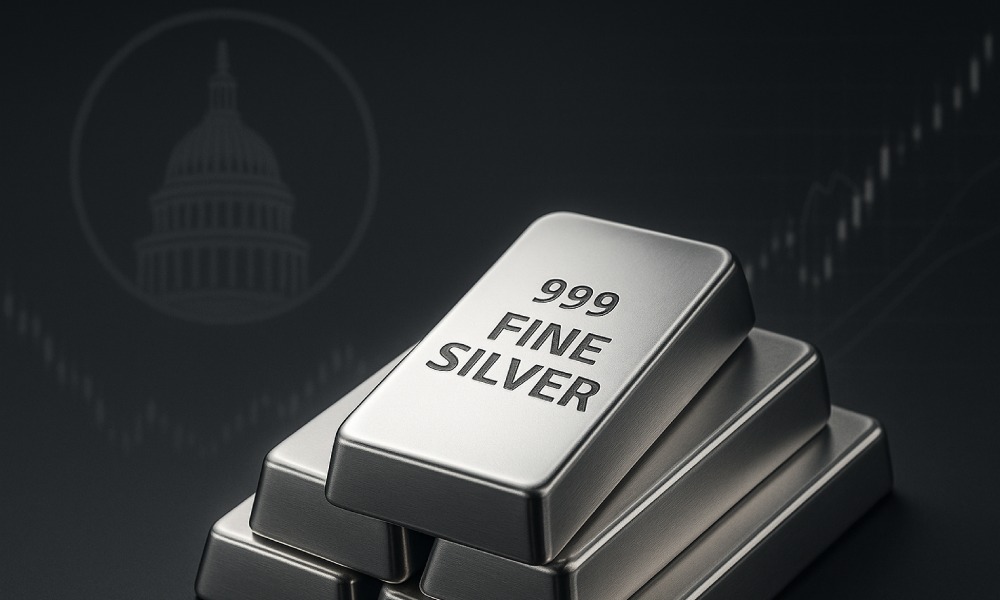
The US Department of the Interior’s recent designation of silver as a “critical mineral” is more than a bureaucratic update; it signals a fundamental paradigm shift in how the white metal is valued, managed, and traded within the global economy. This strategic move, which places silver alongside copper and metallurgical coal, marks a decisive turn towards resource nationalism and industrial policy aimed at securing domestic supply chains. For global businesses and investors, this development fundamentally alters the risk-reward calculus for silver, transitioning it from a traditional store of value and jewellery material to a strategically critical industrial input.

The inclusion of silver reflects the evolution of the critical minerals doctrine, which has broadened its definition to emphasize the need for securing key resources domestically. By joining this exclusive category, silver will now directly influence federal review processes, including Section 232 tariff regulations, and guide federal support for domestic mining initiatives. This policy maneuver is a direct response to the US’s reliance on imports, which currently account for about two-thirds of its silver supply. The inherent danger of such a supply vulnerability—especially for a mineral essential to modern technological infrastructure—has spurred action, leading to anticipatory stockpiling and, in some cases, temporary shortages in global hubs like London. The core message is clear: US industrial policy will increasingly prioritize security over unfettered global supply, a stance that inherently restricts market flow.

Silver’s criticality is reinforced by its ubiquitous and irreplaceable applications in high-growth sectors, particularly electronics, solar panels, and electric vehicles (EVs). This robust, structural industrial demand distinguishes it from purely monetary metals. if silver is now viewed as a strategic metal with higher industrial demand, “supply constraints and strategic issues may support higher long-term prices.” The immediate consequence of the US policy will be a potential constraint on global supply. By incentivizing domestic mining and securing supply chains through policy measures, the US action effectively limits global availability, creating upward pressure on international pricing trends.

For investors, this structural shift adds a compelling new layer of appeal to the metal. Silver’s value proposition is no longer solely dependent on inflation hedging or discretionary jewellery demand; it is now underpinned by a geopolitical-industrial tailwind. As supply tightens and industrial demand accelerates—especially in large importing nations like India, where renewable energy and EV adoption are surging—the cost of imports is projected to rise. This confluence of global supply restriction and domestic demand growth creates a “double benefit” for local investors, validating silver’s investment case beyond typical cyclical considerations. The structural layer of appeal introduced by its critical mineral status thus transforms silver into a key asset for investors seeking exposure to both resource nationalism and the global energy transition.
In conclusion, the US designation of silver as a critical mineral is a watershed moment, signaling the metal’s transition into an essential component of national security and industrial future. This strategic policy intervention is a direct challenge to the previously free-flowing global supply chain, promising tighter market controls, incentivized domestic production, and higher long-term prices. For business leaders and investors, the imperative is to adapt to this new environment where geopolitics and industrial policy decisively intersect with commodity markets, recognizing silver not merely as a precious metal, but as a strategically vital input whose valuation is entering a new, structurally bullish phase.



JB Insights
US Holiday Sales Will See 5.5% Growth For 2026 : Mastercard Economics Institute
This Resilience Reflects A Robust Labor Market, Rising Household Wealth, and Broad-Based Consumer Demand Across Income Cohorts. Overall, The 2026 Holiday Season Showcases An Adaptable U.S. Consumer Using Digital and AI Tools To Maximize Value While Continuing To Drive Broader Economic Momentum.

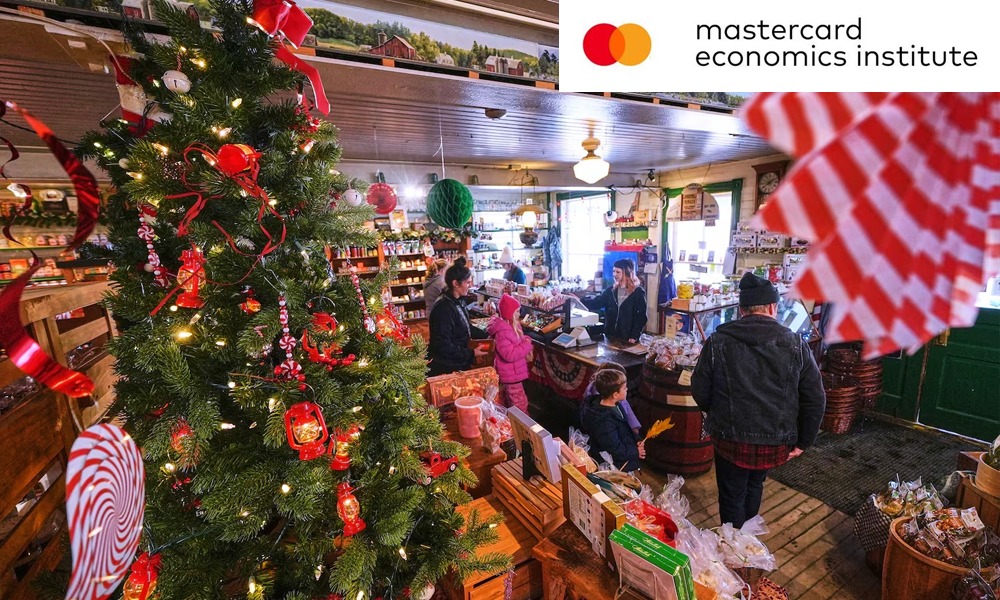
The Mastercard Economics Institute (MEI) forecasts a strong 2026 U.S. holiday shopping season (November 1–December 24), projecting retail sales excluding gas and autos to grow 5.5% year-over-year (YoY). This resilience reflects a robust labor market, rising household wealth, and broad-based consumer demand across income cohorts.
Key Drivers and Growth Channels
- Channel Performance: E-commerce continues to lead with an expected 11% YoY growth, but in-store sales are set to grow 3.6%—their strongest pace since 2022. This highlights the critical role of omnichannel strategies.
- Inflation Dynamics: Inflation accounts for 2.8 percentage points of the total 5.5% growth. Unlike last year’s tariff pressures, current price increases are driven by elevated energy/diesel costs and the massive AI infrastructure buildout.
- Calendar Shifts: A late Thanksgiving compresses the shopping window, pushing retailers toward early promotions. Additionally, Cyber Monday falling in November will shift significant online volume into the month.
The Role of Artificial Intelligence
AI is reshaping both prices and consumer behavior:
- Tech Inflation: High demand for memory chips and data infrastructure components has driven a 12.2% YoY increase in prices for info-processing equipment. Consequently, the consumer electronics category is projected to post outsized nominal sales growth (+10.7% YoY).
- AI Power Users: Consumers with paid AI subscriptions demonstrate distinct “optimization” habits. Data shows these users plan early, shop across a wider variety of boutique and specialty merchants, and aggressively target promotions during Thanksgiving weekend before transitioning to experience and hospitality spending in December.
Last-Minute Shopping Behavior
The final rush to Christmas offers key operational insights for retailers:
- In-Person and Malls: The final week before Christmas sees heavy physical store foot traffic, especially in enclosed shopping malls where consumers can complete multi-category purchases. Climate also plays a role: warmer-state residents (e.g., Florida, Nevada) are far more likely to make last-minute in-store runs than those in colder states.
- Transaction Value Trends: Average order values for children’s items peak near Black Friday, while premium categories—such as jewelry, cosmetics, luxury handbags, and department stores—see transaction values climb steadily from December 15, peaking on Christmas Eve as procrastinating shoppers pay a premium for convenience.
AI tools lower search costs for consumers, making price transparency higher than ever. Retailers must capture early November demand through targeted promotions before comparison tools push shoppers toward alternative or boutique brands.
Last-minute shoppers are price-inelastic and seeking speed. Malls and physical stores should maximize inventory for high-margin, rush-gift items (jewelry, cosmetics, designer goods, gift cards) in the final 10 days, leveraging store availability over promotional discounting.
Overall, the 2026 holiday season showcases an adaptable U.S. consumer using digital and AI tools to maximize value while continuing to drive broader economic momentum.



Kangana Ranaut Unveils PNG Jewellers New Showroom In Ayodhya~

GGJS 2026 Concludes With High-Volume Trade and Strategic Focus On Next-Gen Leadership

The Solitaire Festival Of India Concludes; Bumper Prize Winner At Ranka Jewellers Wins XUV 7XO
GGJS 2026 Concludes With High-Volume Trade and Strategic Focus On Next-Gen Leadership
Kangana Ranaut Unveils PNG Jewellers New Showroom In Ayodhya~

ABARAN Commemorates The 125th Birth Anniversary Of Founder Shri Burde Sadananda Kamath With Special Gold Coin Launch
-
 National News4 hours ago
GGJS 2026 Concludes With High-Volume Trade and Strategic Focus On Next-Gen Leadership
-
 New Premises3 hours ago
Kangana Ranaut Unveils PNG Jewellers New Showroom In Ayodhya~
-
 National News9 hours ago
ABARAN Commemorates The 125th Birth Anniversary Of Founder Shri Burde Sadananda Kamath With Special Gold Coin Launch
-

 National News9 hours ago
MCX Gold Silver Futures See Dip
