
JB Insights
JJS poster launched by Miss Universe India 2023 Shweta Sharda

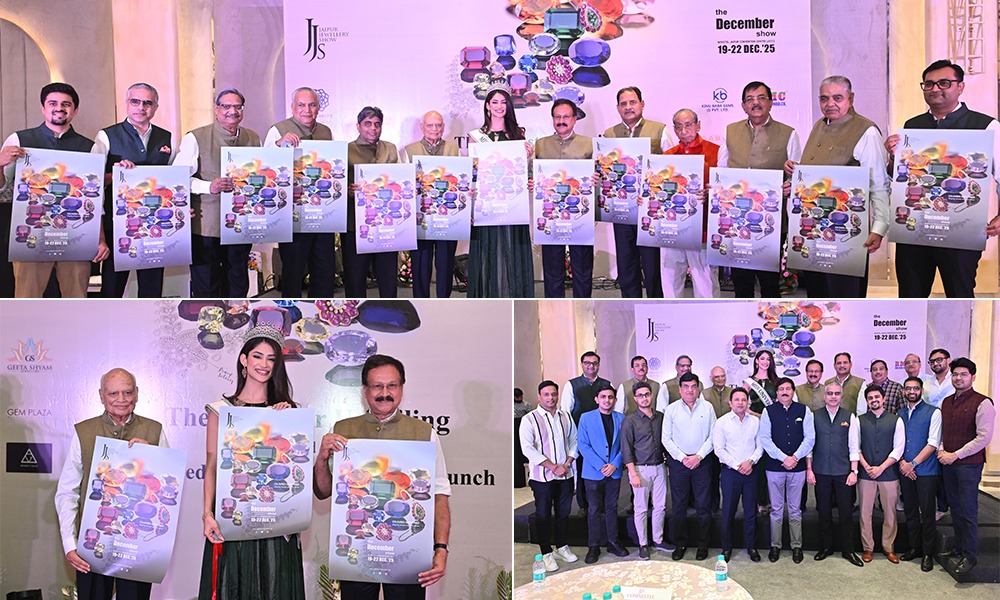
The theme poster of Jaipur Jewellery Show (JJS 2025) was launched at Hotel Rose Amer by the Miss Universe India 2023, Shweta Sharda, who is also the brand ambassador for this year’s JJS. On this occasion, the ‘Coloured Gemstone Promotion Group’ was also launched. The JJS will be held at the Novotel Convention Centre, Sitapura from 19 to 22 December 2025.
Honorary Secretary of JJS, Rajiv Jain informed that this year’s JJS will be the biggest ever, featuring 1,225 booths and 658 exhibitors. He added that, like previous years, there will be a ‘Pink Club’ with 74 booths dedicated to B2B interactions, including 44 jewellery booths and 30 gemstone booths. This year, the ‘Coloured Gemstone Promotion Group’ comprises 12 members. Under the Jaipur Jewellery Design Festival (JJDF), there will be 67 booths.

On the occasion, Shweta Sharda remarked ”It is truly an honour to be the brand ambassador for JJS this year. I am delighted to be in Jaipur for the first time and to have received such warmth and affection in this city, which is globally known for its exquisite jewellery and colourful gemstones. For me, jewellery is not just an accessory, I wear it to add essence to my life.”
On the occasion, Chairman of the JJS organising committee, Vimal Chand Surana informed that the theme for this year is ‘Coloured Gemstone’. He stated that JJS has consistently remained a leading platform for the jewellery industry for many years. With the cooperation of exhibitors, visitors, and promotion partners, JJS has achieved remarkable milestones and continues to grow each year. This edition of JJS will be even grander and better.
The program was moderated by Joint Secretary and Spokesperson of JJS, Ajay Kala. He highlighted that JJS continues to be India’s No. 1 B2C and No. 2 B2B jewellery show. He further mentioned that the December show will open new avenues for business growth, with over 50,000 visitors expected to attend this year.


JB Insights
From Lab To Luxury: Sonani Jewels’ Blueprint For The Next Generation Of Fine Jewellery
In An Exclusive Conversation With JewelBuzz, Agastya Sonani, Co-Founder & CEO, Sonani Jewels, Discusses The Company’s Journey In Lab-Grown Diamonds, Consumer-Led Innovation, Manufacturing Capabilities and Its Ambitious Roadmap For The Future

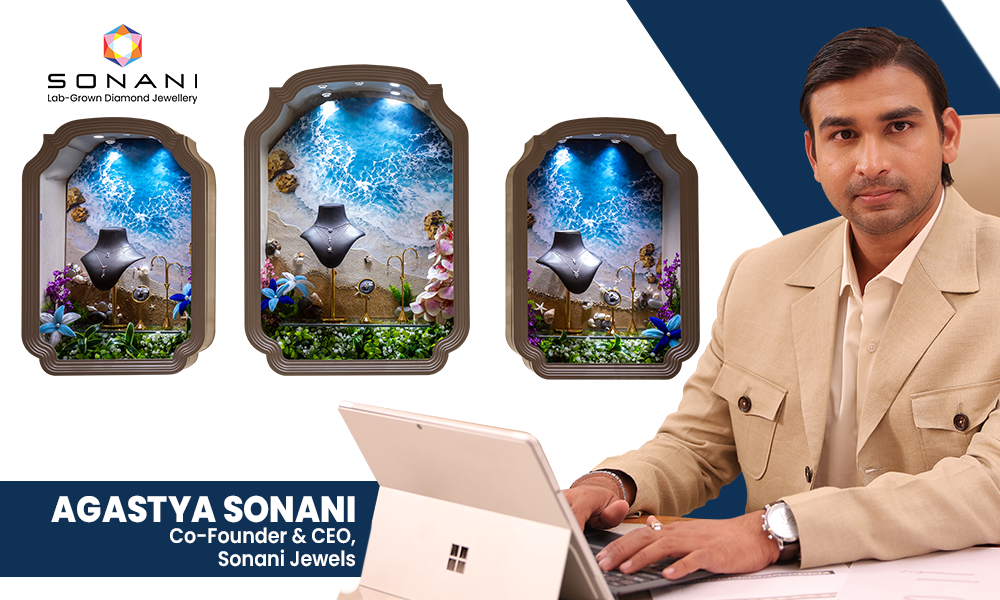
As the jewellery industry undergoes a fundamental shift in consumer preferences, rising gold prices and the growing acceptance of lab-grown diamonds (LGDs), Sonani Jewels is building a differentiated position at the intersection of technology, manufacturing, design and accessibility.
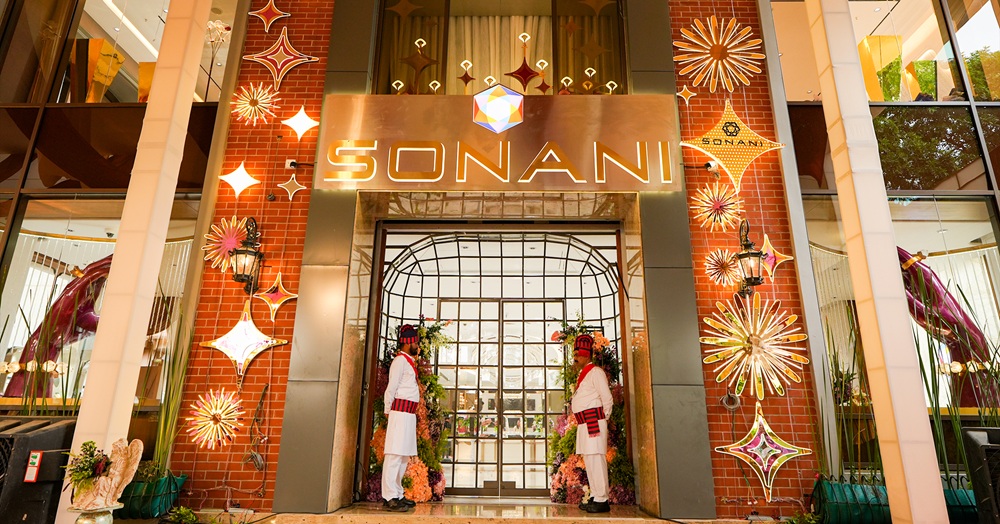
With roots in diamond manufacturing and technology dating back to 2006, the company has developed an integrated approach that combines deep manufacturing expertise with a close understanding of the evolving jewellery consumer. From its ‘9 To Fine’ 9KT gold collection and growing portfolio of fancy-coloured lab-grown diamonds to its D2C and retail strategy, Sonani Jewels is working towards creating a connected diamond-to-jewellery ecosystem.
In an exclusive interview with JewelBuzz, Agastya Sonani, Co-Founder & CEO, Sonani Jewels, shares insights into the evolution of lab-grown diamonds across domestic and international markets, the consumer and commercial trends shaping product innovation, the company’s approach to traditional retail and D2C, its manufacturing agility, and the strategic priorities underpinning its 3–5 year growth vision.
Through the conversation, Agastya Sonani offers a closer look at how Sonani Jewels is approaching the rapidly evolving LGD landscape and building a jewellery business designed to respond to a new generation of consumers seeking design, value, accessibility and choice.
1. How has Sonani Jewels navigated the evolving acceptance of lab-grown diamonds (LGDs) across both domestic and export trade markets?
We have always believed that the acceptance of lab-grown diamonds would ultimately be driven by education, transparency and product quality. Our advantage is that Sonani’s relationship with lab-grown diamonds goes back much further than jewellery. We have been involved in diamond manufacturing and technology since 2006, so we understand the science, production and quality parameters behind LGDs at a fundamental level.
In both domestic and export markets, we have seen the conversation move from “What is a lab-grown diamond?” to “Which lab-grown diamond is right for me?” That is a significant shift. Consumers and retailers are becoming more informed about quality, colour, cuts and certification.
Our approach has therefore been to focus not simply on selling LGDs, but on building confidence around them through consistent quality, design, manufacturing expertise and transparency. We see LGDs not as a substitute for mined diamonds, but as a distinct category within the larger diamond and jewellery ecosystem.
2. What commercial intelligence drove innovations like your ‘9 To Fine’ 9kt gold collection and fancy-coloured lab-grown diamonds?
The fundamental insight was that the modern jewellery consumer is looking for more design, more versatility and greater accessibility without compromising on the experience of fine jewellery.
With 9 To Fine, we recognised that gold prices were becoming an increasingly important consideration for consumers, particularly younger buyers who wanted to purchase fine jewellery more frequently rather than only for major occasions. Moving to 9kt gold allowed us to create contemporary, beautifully crafted pieces at a more accessible price point while maintaining the appeal of real gold and lab-grown diamonds.
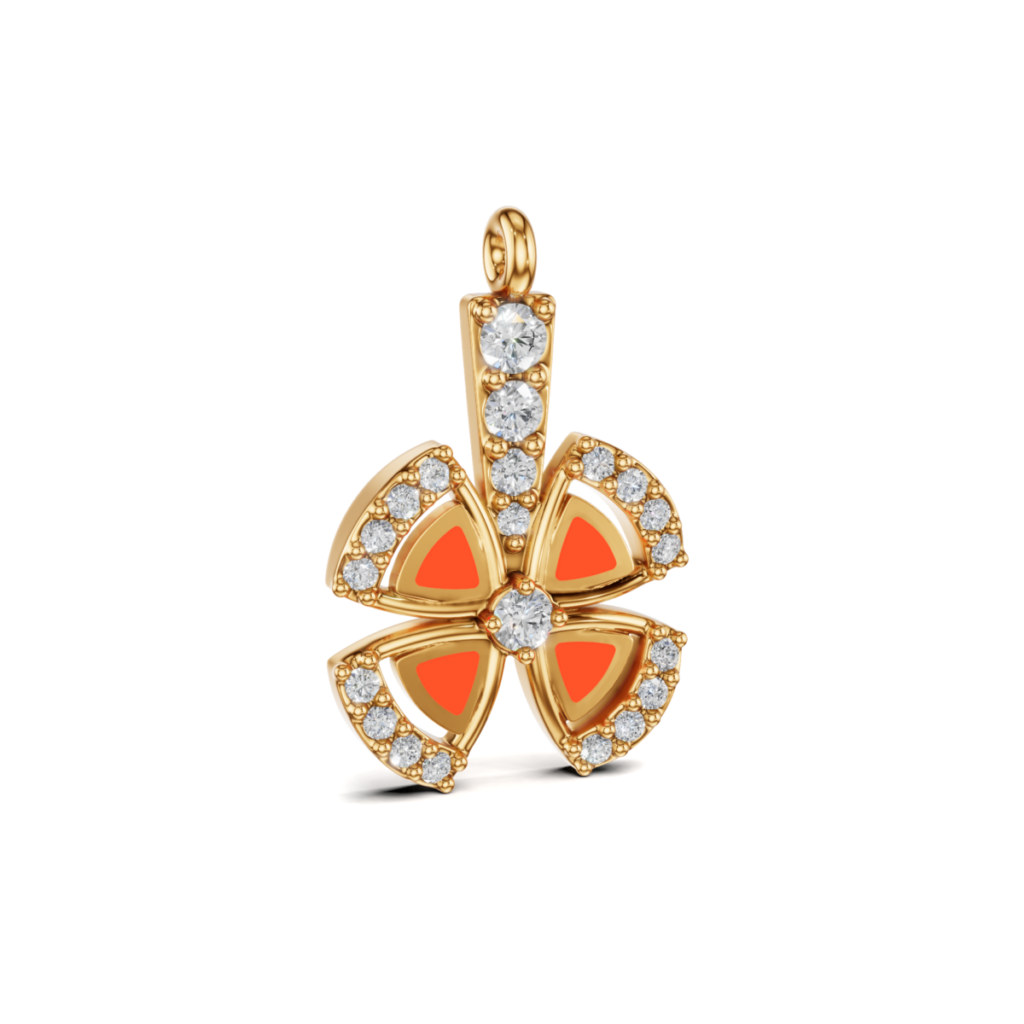
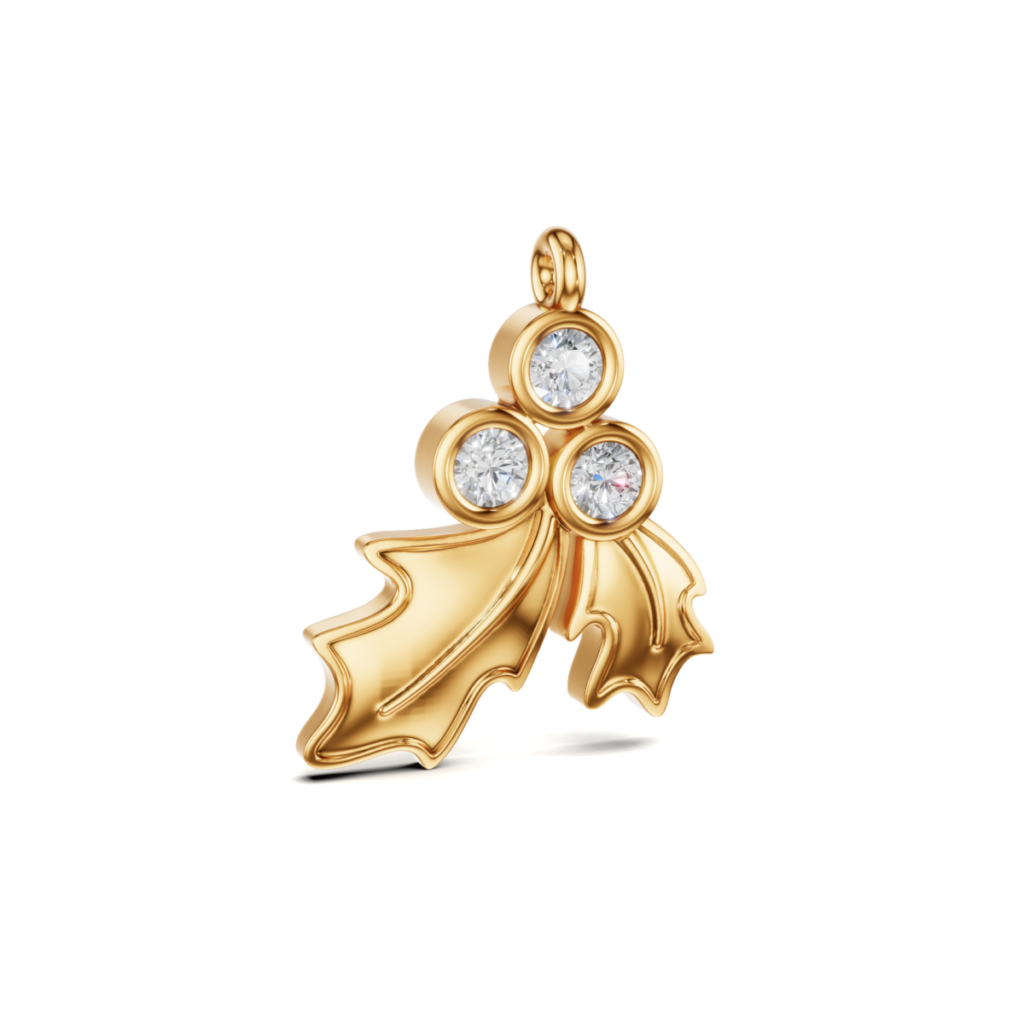
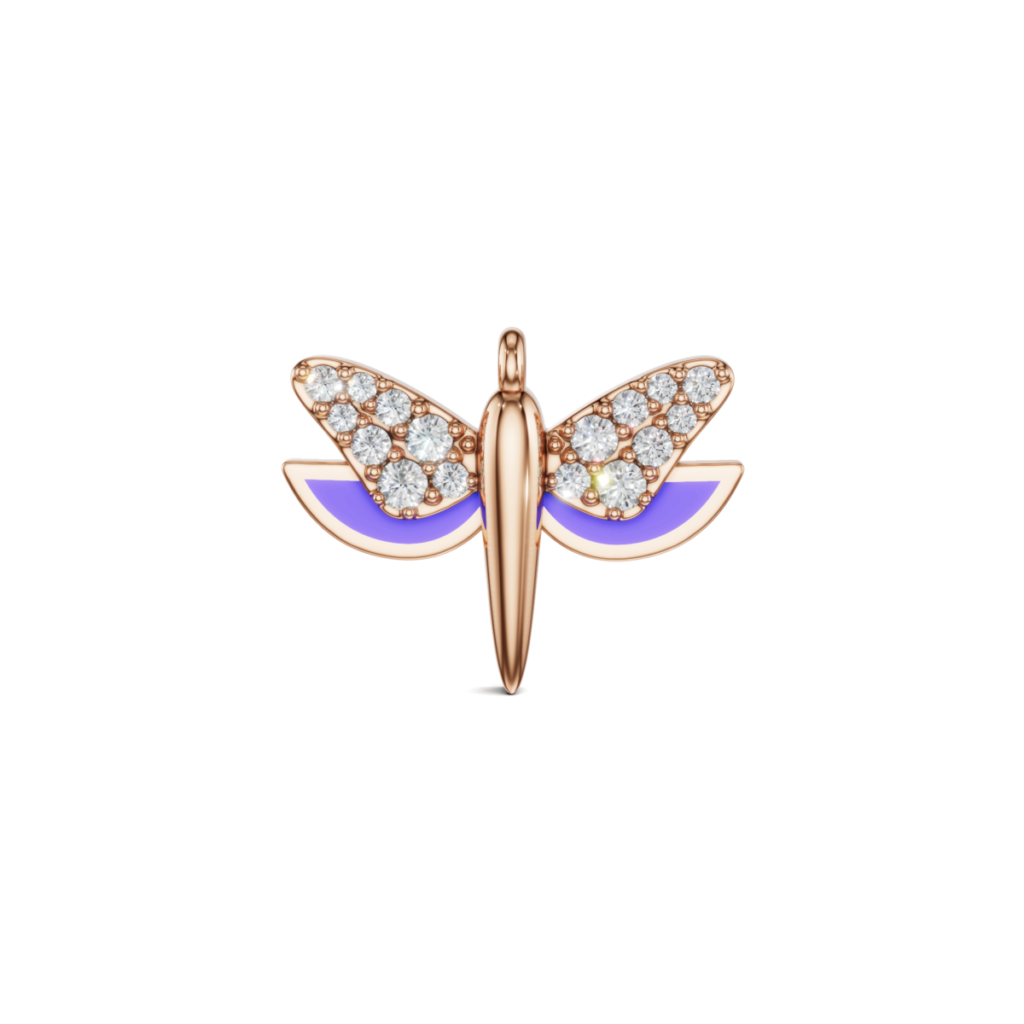
Fancy-coloured LGDs came from another observation: consumers are becoming much more expressive with jewellery. White diamonds will always have a place, but colour allows people to personalise their jewellery and make it more distinctive. Our expertise in growing coloured diamonds gives us an opportunity to bring colours such as pink, blue and yellow into jewellery in a way that is both design-led and commercially relevant.
For us, innovation is not about creating something different for the sake of it. It is about identifying what the consumer is going to value next.
3. How do you enable traditional retailers to adopt LGDs while managing your direct-to-consumer presence?
We see the traditional retail network and D2C as complementary, rather than competing models.
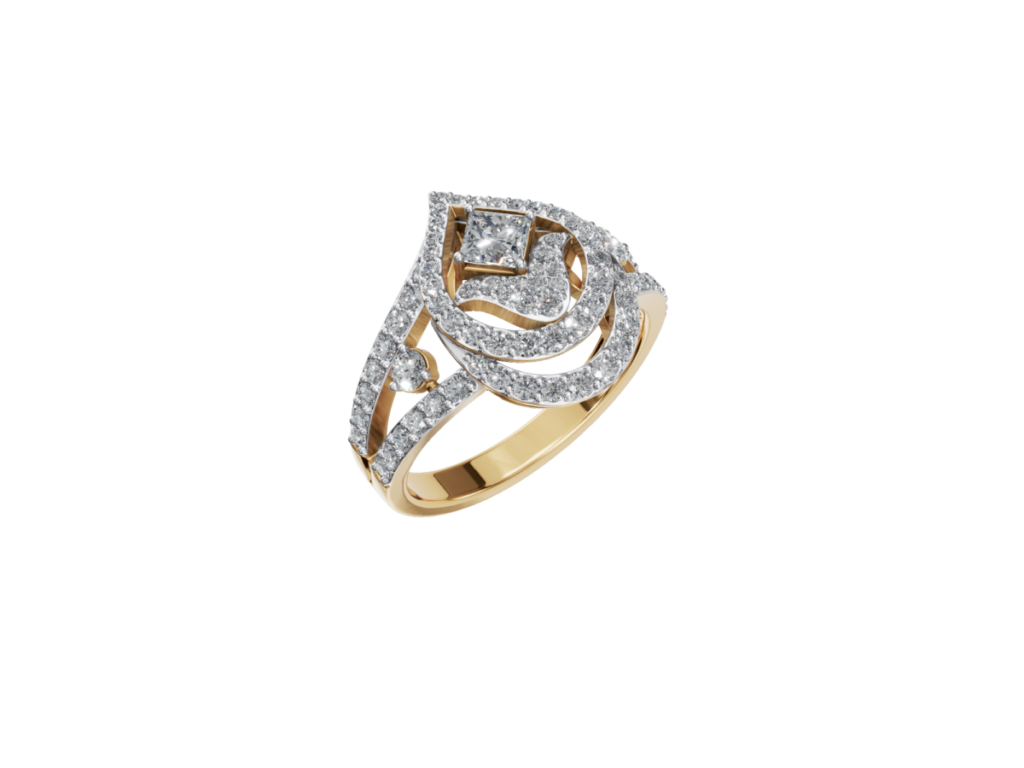
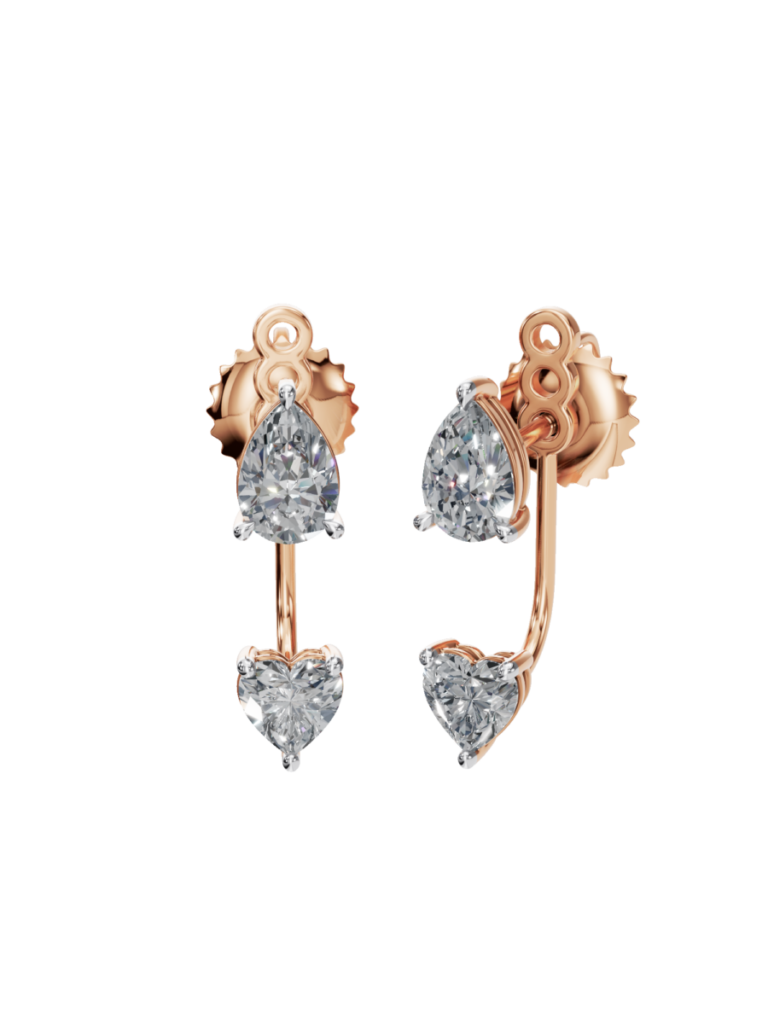
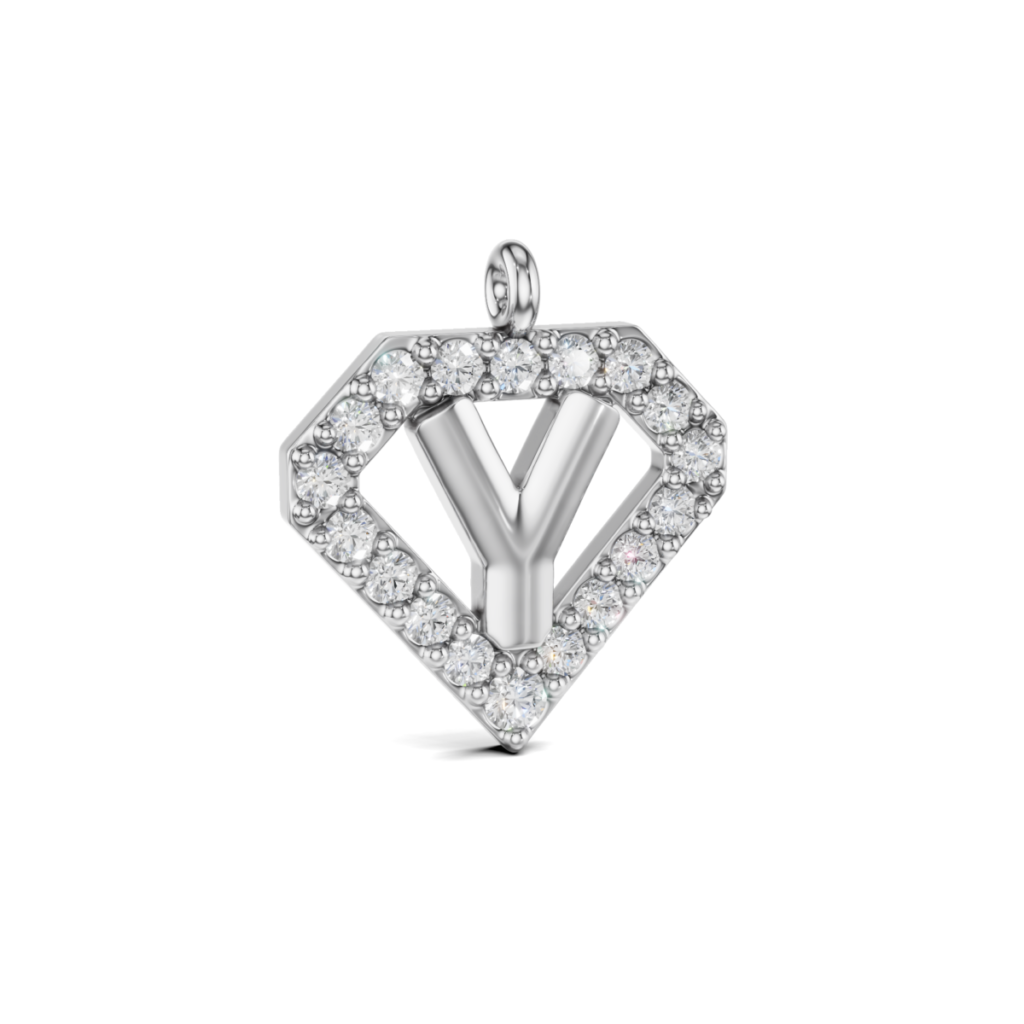
Traditional retailers have something extremely valuable—deep relationships with consumers and a strong understanding of local markets. Our role is to give them the right product, quality assurance, education and commercial proposition to confidently introduce LGDs to their customers.
At the same time, our D2C presence allows us to understand the consumer more closely. We get direct insights into what customers are looking for, which designs resonate, what price points work and how perceptions are evolving. Those insights feed back into our product development.
The objective is to create a healthy ecosystem where our manufacturing capabilities, retail partners and D2C business each strengthen the overall Sonani brand.
4. How do your manufacturing and logistics systems deliver fast turnarounds while hedging against LGD price fluctuations?
Our biggest advantage is vertical integration. We have significant control over the journey from diamond technology and manufacturing to jewellery production. That gives us greater control over quality, inventory planning and turnaround times compared with a model that depends entirely on multiple external suppliers.
We also look at inventory and production as a dynamic process rather than simply holding large quantities of finished goods. Our manufacturing capabilities allow us to respond to demand and optimise production according to market requirements.
In a category where LGD prices can evolve rapidly, agility is critical. We focus on maintaining efficient inventory cycles, disciplined procurement and manufacturing efficiencies rather than relying on excessive stock. Ultimately, the objective is to protect both the business and the consumer by keeping our cost structure efficient while continuing to deliver quality and speed.
5. What is Sonani Jewels’ strategic roadmap for scaling over the next 3 to 5 years?
Our vision is to build Sonani into one of the most recognised names in the lab-grown diamond jewellery category, both in India and internationally.
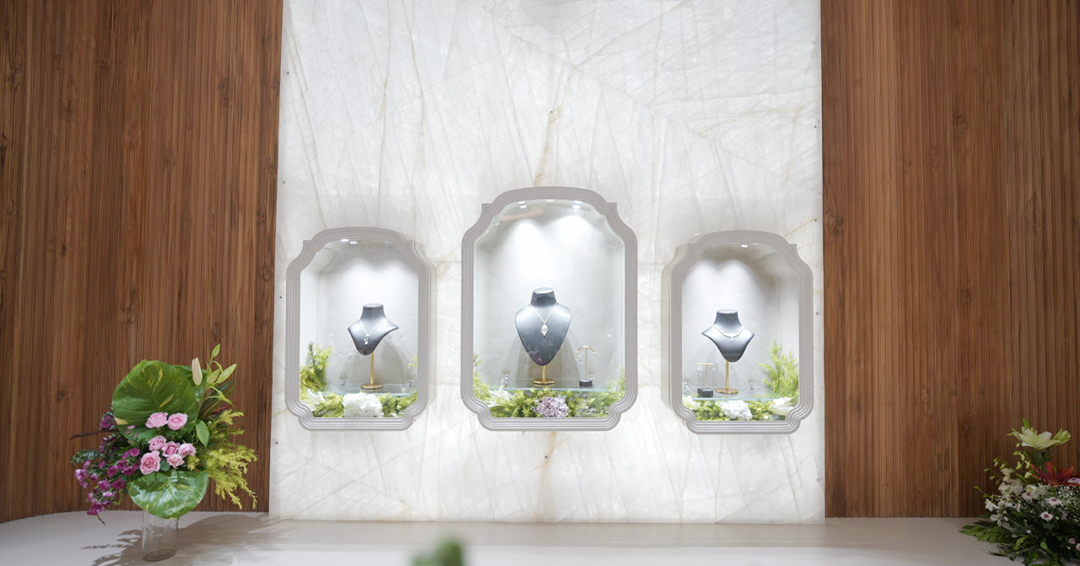
Over the next three to five years, we see growth happening across four key areas: retail expansion, product innovation, international markets and technology-led manufacturing.
In India, we want to build a stronger retail footprint while continuing to develop our D2C ecosystem. Internationally, we see significant potential in markets where consumers are increasingly open to lab-grown diamonds and contemporary fine jewellery.
Product innovation will remain central to our strategy—from everyday fine jewellery and men’s jewellery to bridal, gifting and coloured diamonds. We also want to leverage our manufacturing and R&D capabilities to continue developing differentiated diamond and jewellery technologies.
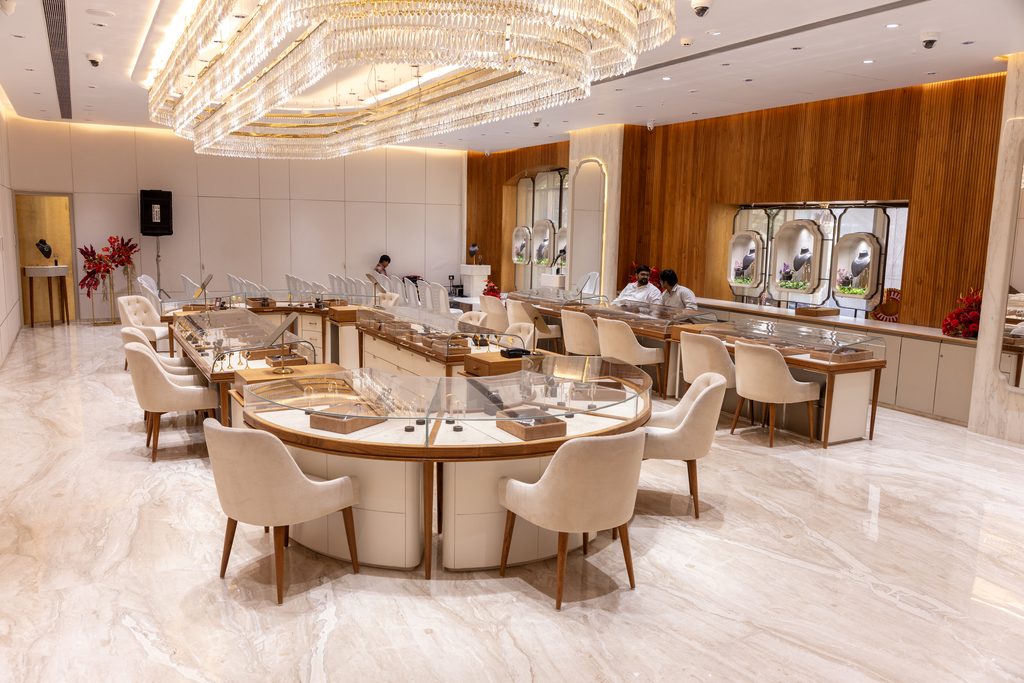
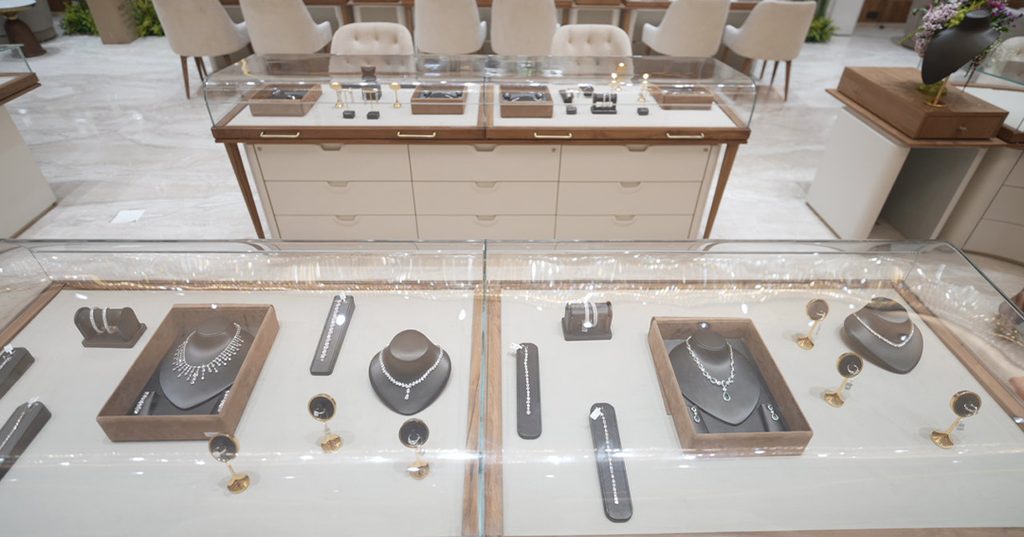
Ultimately, we are not looking at Sonani as simply a jewellery brand. We are building an integrated diamond-to-jewellery business where technology, manufacturing, design and consumer experience come together. That vertical integration is what we believe will give us a long-term competitive advantage.
JewelBuzz: Looking Ahead
From manufacturing expertise to consumer-centric innovation, Sonani Jewels is betting on vertical integration, accessibility and technology to shape its next phase of growth. Its approach reflects a broader evolution in the jewellery industry—where consumers increasingly seek choice, personalisation and value, while brands look beyond traditional boundaries to create new opportunities.
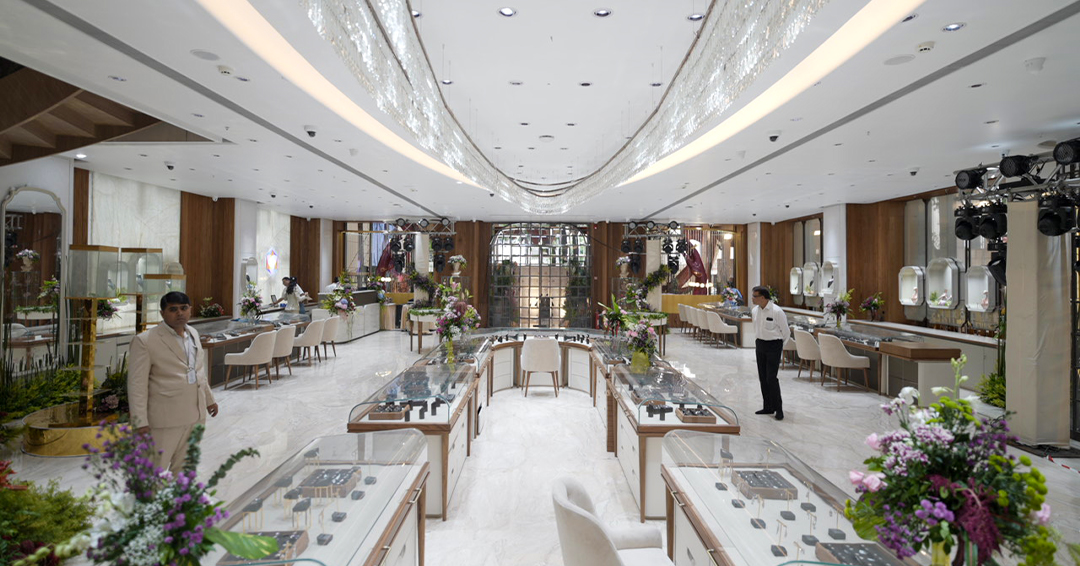
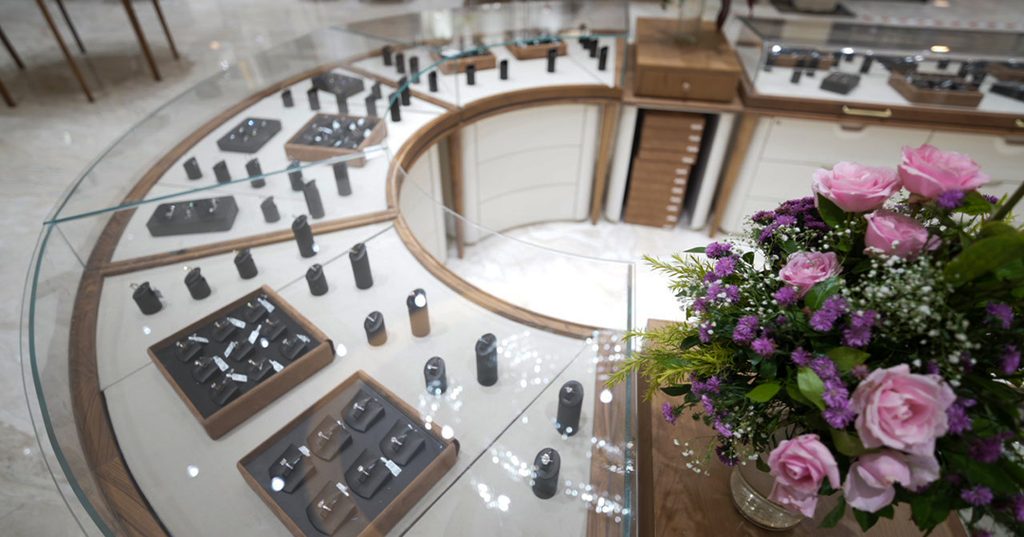
As the acceptance of lab-grown diamonds continues to evolve, Sonani’s focus on technology, design, manufacturing and retail could position the brand as an interesting player in the next chapter of India’s diamond jewellery story.
Image ref: https://drive.google.com/drive/folders/1fBqa8lLAybi5BN0hFDuO9MoNujR0oBnS



India Delegation Arrives In Paris For Three Days Of Learning, Business & Collaboration

BIS Introduces The Silver Refinery Certification Scheme; Framework Introduces “India Good Delivery For Silver”

Navratri Edit By DAIMANTÉ: 9 Pendants, 9 Expressions Of Intention
BIS Introduces The Silver Refinery Certification Scheme; Framework Introduces “India Good Delivery For Silver”

Aspect Bullion & Refinery Launches “India’s Biggest Gold Fest” With Zero Making Charges On Gold Coins and Bars

GJEPC, ECGC Programme Underlines Recent Changes In Export Credit Insurance For The GJ Sector.
-
 National News8 hours ago
BIS Introduces The Silver Refinery Certification Scheme; Framework Introduces “India Good Delivery For Silver”
-
 National News9 hours ago
Aspect Bullion & Refinery Launches “India’s Biggest Gold Fest” With Zero Making Charges On Gold Coins and Bars
-
 National News9 hours ago
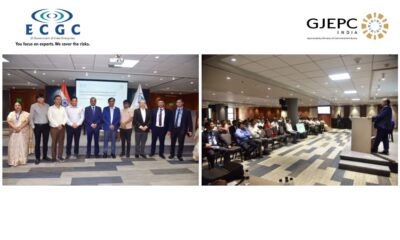
GJEPC, ECGC Programme Underlines Recent Changes In Export Credit Insurance For The GJ Sector.
-
 International News7 hours ago
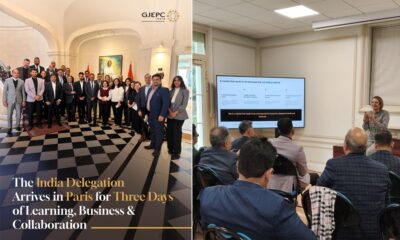
India Delegation Arrives In Paris For Three Days Of Learning, Business & Collaboration
