
JB Insights
Unique And Original Jewellery Is My Laksh!

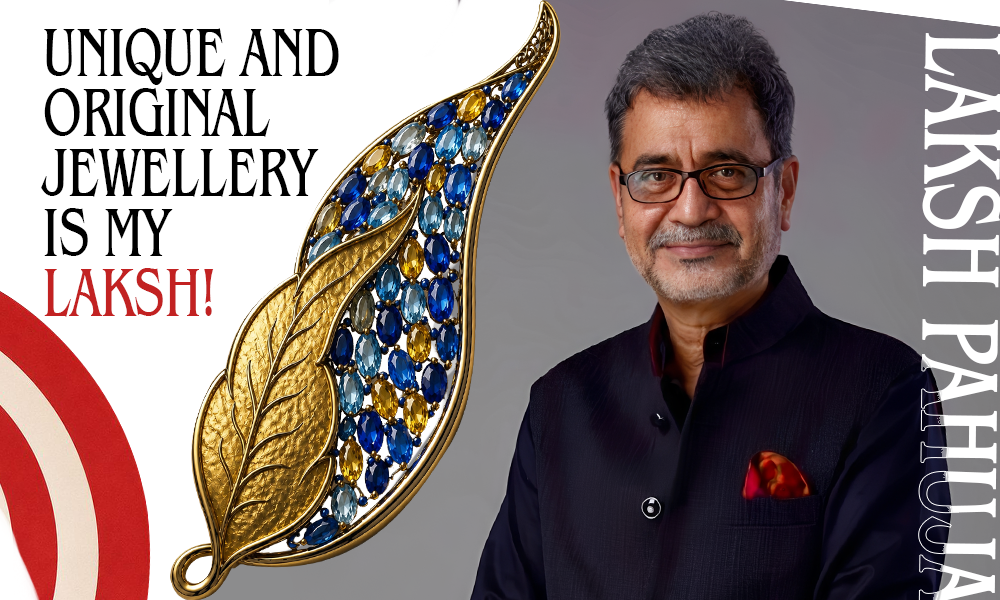
Laksh Pahuja is an incredibly talented and award-winning jewellery designer and craftsman. More than just a designer, he is a true artist known for his highly creative, unique, and revolutionary ideas. His work beautifully blends stunning gemstones and unique materials with meaningful themes and current events. In this feature, he shares his inspiration, design philosophy, and amazing creations with JEWELBUZZ.
Design philosophy
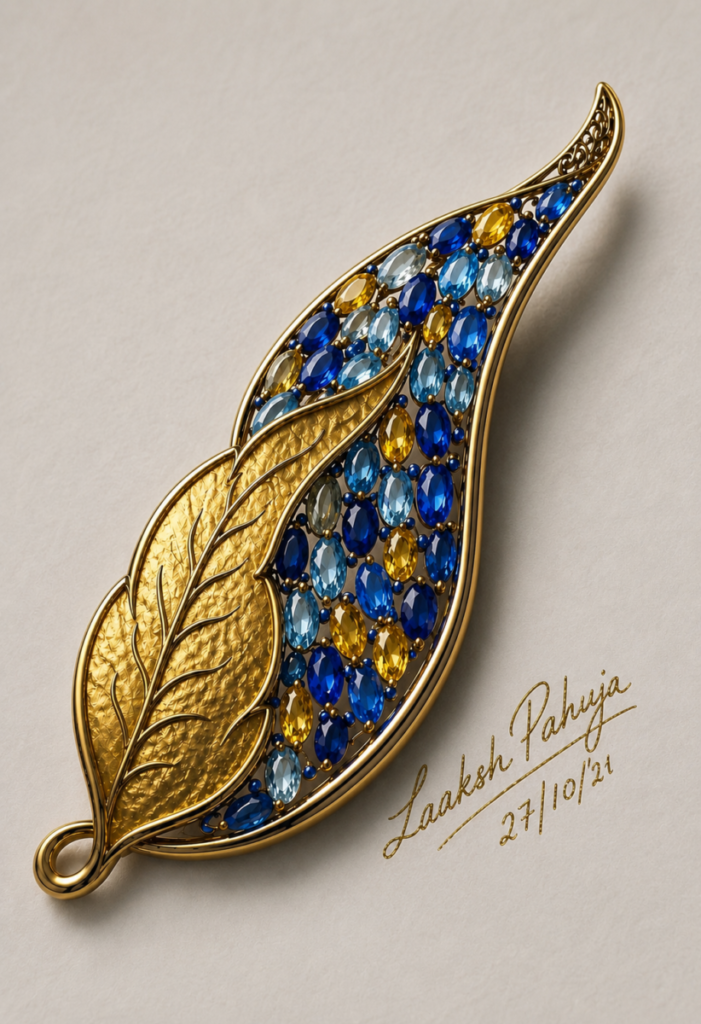
My design philosophy is to think out of the box. When a designer commences to design, he or she will need to have an inspiration or a subject. My philosophy is to think out of the box, and think of a subject which is unique and unheard of. I always believe that if the subject is unique, the design will be unique. My motto is: Unique and original jewellery is my Laksh!
My inspiration
My work is sincere, honest, and created from the heart. It exists beyond market forces and commercial viability. I believe art should carry meaning and have the power to create impact rather than merely satisfy commercial expectations.
I continuously draw inspiration from current affairs and contemporary themes, integrating news and relevant topics into my artistic expression. Whether it is nationalistic subjects, sports, or other trending developments, I seek to capture the spirit of the moment. The closest analogy would be the topical campaigns of Amul Butter — timely, relevant, and reflective of society.
Materials that create the magic

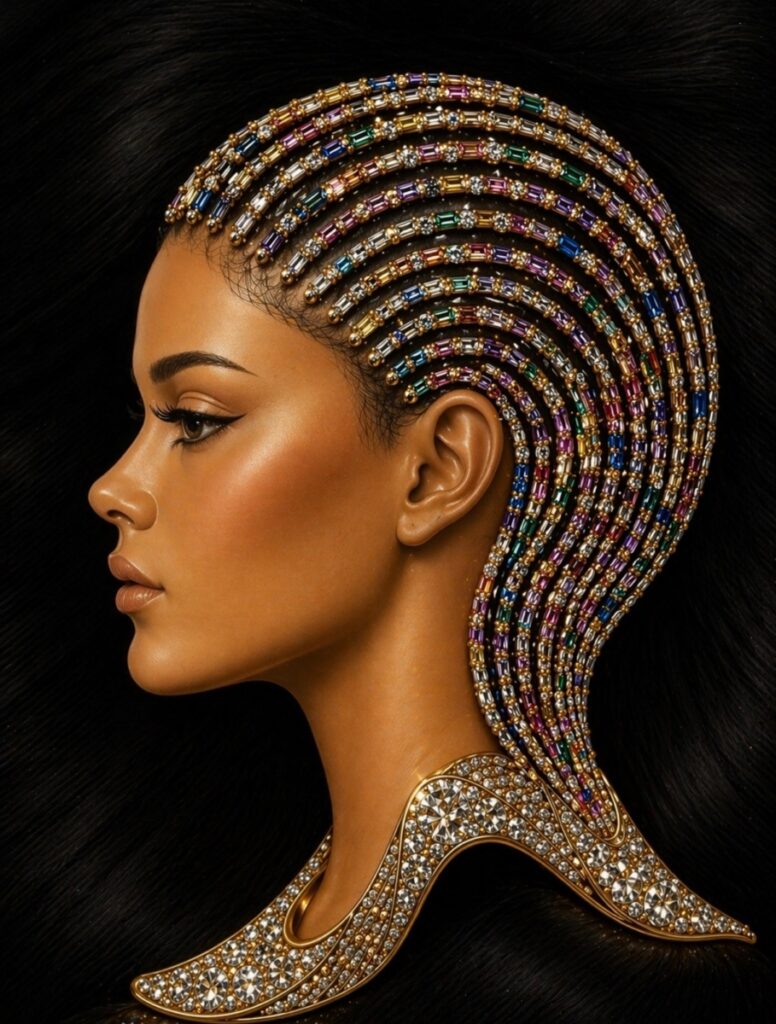
I work with gold, silver, platinum, as well as non-precious metals. My palette extends from diamonds and precious gemstones to unconventional materials such as wood and glass. Ultimately, the choice of material is guided by the artist’s mood and the unique demands of each jewellery piece.
Balancing creativity and commercial viability
Balancing creativity and commercial viability. In India, there is an obsession with pricing and price points; no credit is given to the designers, and there is no appreciation of design’s contribution in the value of the product. I have learned the hard way by creating two separate lines of design –one which is commercial and pays the bills. The other one gives me freedom to chase my passion, my dreams—and create unique, original and exquisite jewellery.
Art and Technology
AI, or any technology, should be used as a tool—an enabler that helps artists accelerate repetitive and mechanical tasks. But AI can never replace the power of human creativity; it cannot replicate that intangible magic of original thought and emotion. For me, every piece I design embodies 95% human creativity and only 5% AI. Technology should serve the artist, not define the art. AI should be your slave—you should never become a slave to AI.
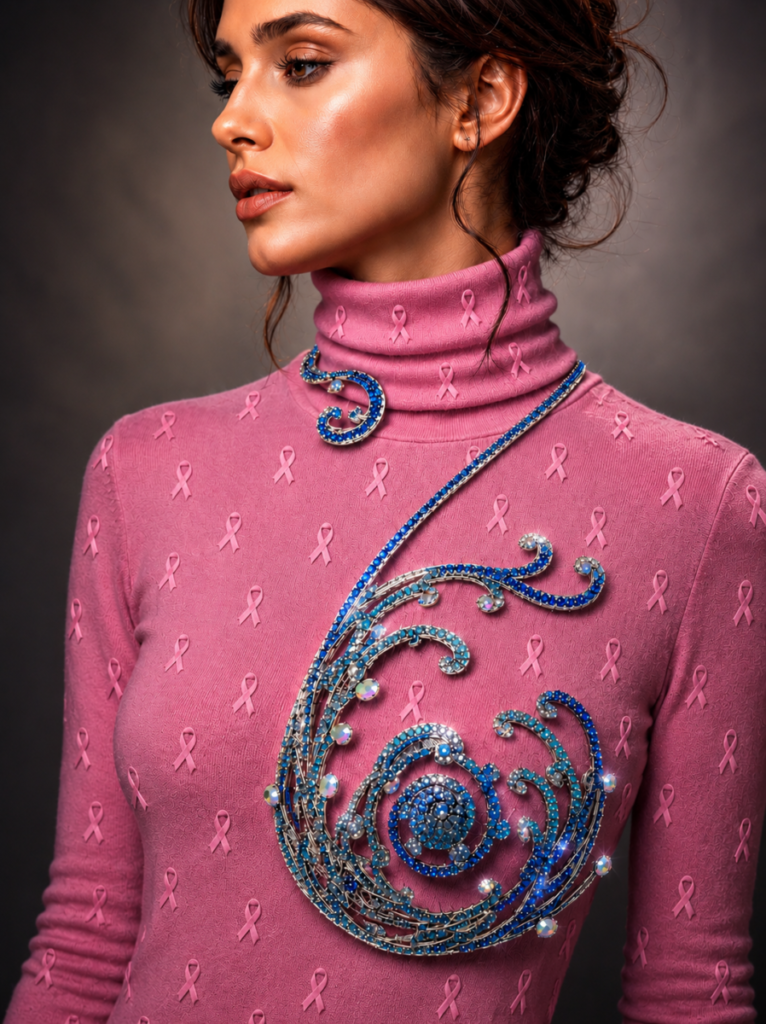
Art with purpose
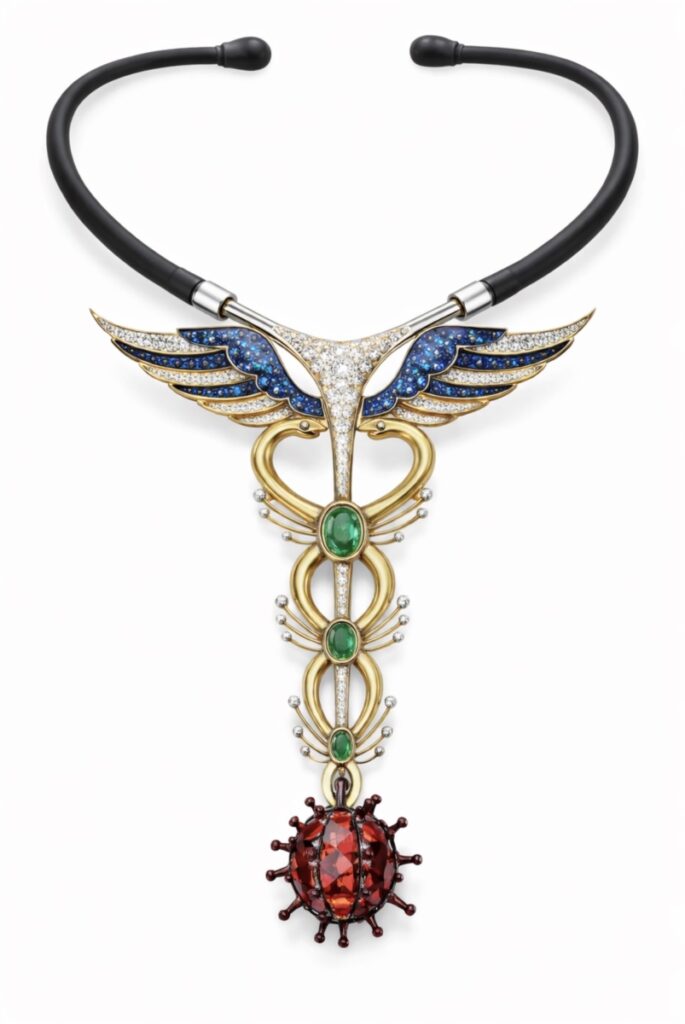
I create art that goes beyond aesthetics; it serves a purpose and stands for a cause. Much of my work is rooted in humanitarian and social issues. This particular piece has been created to raise awareness about breast cancer — awareness that can truly save lives. For me, art is a fusion of passion and compassion.
Can India be a jewellery design powerhouse?
Exporting diamonds and jewellery to Dubai, the UK, the USA and other markets globally doesn’t serve the purpose of promoting Indian designers. And, most importantly, we are not exporting unique, haute couture jewellery – it is mostly fast-selling items aggressively priced. This does not help in promoting the talent and creativity of jewellery designers.
Trade associations also need to do much more to drive growth and excellence in jewellery design. While there have been encouraging initiatives in jewellery design education and designer awards, we still have a long journey ahead before India can establish itself as a global force in jewellery design.
Mentor and guide

I have always been willing to help and mentor aspiring designers. However, they must take the initiative to approach experienced designers and mentors with sincerity and openness. Equally important is the ability to acknowledge one’s weaknesses and shortcomings. Very often, ego prevents a designer from accepting mistakes or recognising areas that need improvement — and this can ultimately become their greatest downfall.
We have to educate designers on how to think originally. Young creative minds today have no role model to look up to, hence they get influenced by social media messaging and so-called “celebrity designers”. We have to educate them on how to think originally, and not to fall into the trap of plagiarism. Would like to share a very meaningful quote for the young minds: “It is better to fail in originality than to succeed in imitation.”


JB Insights
CIBIL Score Plays A Key Role In Festive Financing
A Consumer’s CIBIL Score and Report Play A Decisive Role In Determining Loan Eligibility, Interest Rates, and Overall Borrowing Terms During High-Spending Seasons.

Gold in India is more than just a precious metal; it represents tradition, emotion, and long-term financial security. As major celebrations such as Dhanteras, Diwali, and the upcoming wedding season approach, consumer demand for gold reaches its annual peak.
However, with gold prices rising due to both global macroeconomic pressures and heightened domestic demand, an increasing number of buyers are turning to credit options—specifically gold loans and personal loans—to finance their festive purchases.
In light of these market dynamics, maintaining awareness of one’s financial profile is critical.
A consumer’s CIBIL Score and Report play a decisive role in determining loan eligibility, interest rates, and overall borrowing terms during high-spending seasons.
The Mechanics Behind Festive Gold Price Surges
Gold prices do not move in isolation. The seasonal increase in retail price is driven by a combination of key domestic and international factors:
Global Economic Uncertainty: International market volatility frequently drives capital into gold as a traditional safe-haven asset.
Macroeconomic Indicators: Currency fluctuations and persistent inflation impact local procurement costs.
Domestic Seasonal Demand: Concentrated buying during auspicious cultural dates creates short-term supply-demand imbalances, further driving up retail costs.
The Strategic Role of Your CIBIL Score in Festive Financing
When household budgets face pressure during peak shopping periods, credit-based financing offers immediate liquidity. Whether securing an uncollateralized personal loan or a loan against existing gold holdings, financial institutions rely heavily on credit risk assessments.
The CIBIL Score—a 3-digit numerical summary ranging from 300 to 900—serves as the primary benchmark for creditworthiness:
Approval Probability: A high CIBIL Score significantly increases the likelihood of quick loan sanctioning.
Cost of Capital: Lenders offer competitive, lower interest rates to high-scoring applicants, reducing total borrowing costs.
Flexible Repayment Structure: Favorable credit profiles grant borrowers stronger leverage to negotiate manageable tenure options.
Best Practices for Smart Festive Borrowing
To enjoy festive celebrations without compromising long-term financial stability, consumers are advised to adopt responsible borrowing strategies:
Check Credit Reports Early: Review your CIBIL Report prior to applying for financing to resolve any discrepancies or evaluate your standing.
Borrow Within Limits: Limit loan amounts strictly to what can be comfortably serviced within monthly household budgets.
Maintain Timely Repayments: Ensure all equated monthly installments (EMIs) are paid on time to avoid negative marks on your credit profile.
By pairing festive financial planning with active credit monitoring, consumers can meet their cultural commitments while preserving robust financial health for the future.


-

 TechBuzz8 hours ago
K. Srinivasan Unveils Doit Coimbatore Experience Centre
-
 GlamBuzz9 hours ago
Kalyan Jewellers’ Navratri Celebrations Bring Stars From All Industries To Thrissur
-

 National News8 hours ago
IFSCA Notifies India Good Delivery Gold Framework
-

 National News9 hours ago
World Gold Council Unveils Immersive Gold Experience At Phoenix Palladium, Lower Parel, Mumbai
