
By Invitation
The Evolving Landscape Of The Jewellery Industry
By Akash Talesara
President – Sky Gold & Diamonds Ltd

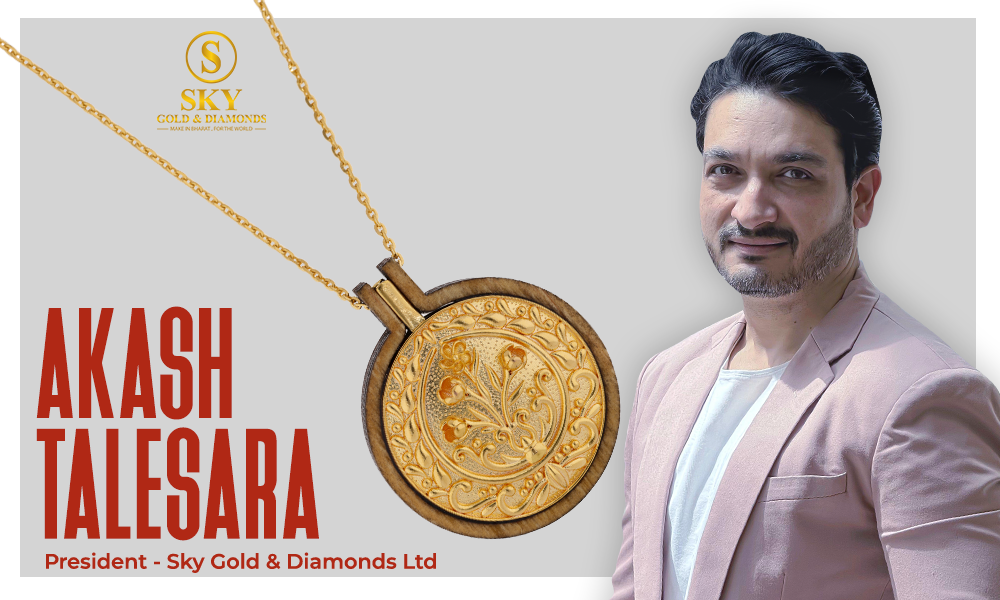
The jewellery industry is witnessing one of its most dynamic transformations in recent years. What was once driven primarily by tradition and occasion-based purchases is now increasingly influenced by lifestyle, individuality, sustainability, and innovation. Today’s consumers are more informed, design-conscious, and emotionally connected to what they wear, leading the industry toward a more versatile and experience-driven future.
One of the most noticeable shifts is the growing demand for lightweight and everyday fine jewellery. Modern buyers, especially millennials and Gen Z consumers, are moving away from jewellery that remains locked away for special occasions. Instead, they are investing in pieces that seamlessly transition from workwear to celebrations elegant designs that offer comfort, sophistication, and repeat wearability. Minimal silhouettes, stackable rings, layered necklaces, and refined diamond accents are becoming central to this movement.
Another defining trend shaping the industry is personalization. Jewellery today is no longer viewed merely as an ornament; it is becoming a reflection of identity and emotion. Consumers are increasingly drawn toward customised creations that celebrate milestones, individuality, and storytelling. From initials and meaningful motifs to modular collections that evolve over time, the focus has shifted from mass-produced designs to deeply personal pieces that carry emotional value.
The rise of lab-grown diamonds has also emerged as a significant development within the global and Indian jewellery markets. Younger consumers are actively seeking a balance between luxury, affordability, and sustainability, making lab-grown diamonds an increasingly accepted category in fine jewellery. Their accessibility allows consumers to explore contemporary designs, larger stones, and versatile styling without compromising on brilliance or craftsmanship. Industry reports suggest that this category is rapidly expanding as consumers become more aware of ethical sourcing and transparency.
At the same time, trust and authenticity continue to remain at the heart of the jewellery business. As the market evolves, consumers are prioritising certified quality, hallmarking, transparency, and long-term reliability from organised jewellery brands and manufacturers. In an industry built on emotion and legacy, credibility has become as important as design itself. The modern buyer seeks not only beauty, but also assurance of purity, craftsmanship, and responsible sourcing.
Sustainability is another conversation reshaping the future of jewellery. Ethical practices, responsible sourcing, and conscious consumption are becoming integral to purchasing decisions, particularly among younger audiences. Whether through recycled materials, lab-grown diamonds, or timeless heirloom-inspired collections, the industry is gradually moving toward a more mindful and environmentally aware approach. Consumers today appreciate jewellery that not only looks beautiful, but also aligns with their values.
Technology is further accelerating this transformation. From AI-assisted design development and virtual try-ons to advanced manufacturing techniques and omnichannel retail experiences, digital innovation is redefining how consumers interact with jewellery brands. Buyers now expect convenience, visualisation, and seamless online-to-offline experiences before making a purchase decision. This digital integration is helping brands create stronger engagement while maintaining the emotional essence of luxury retail.
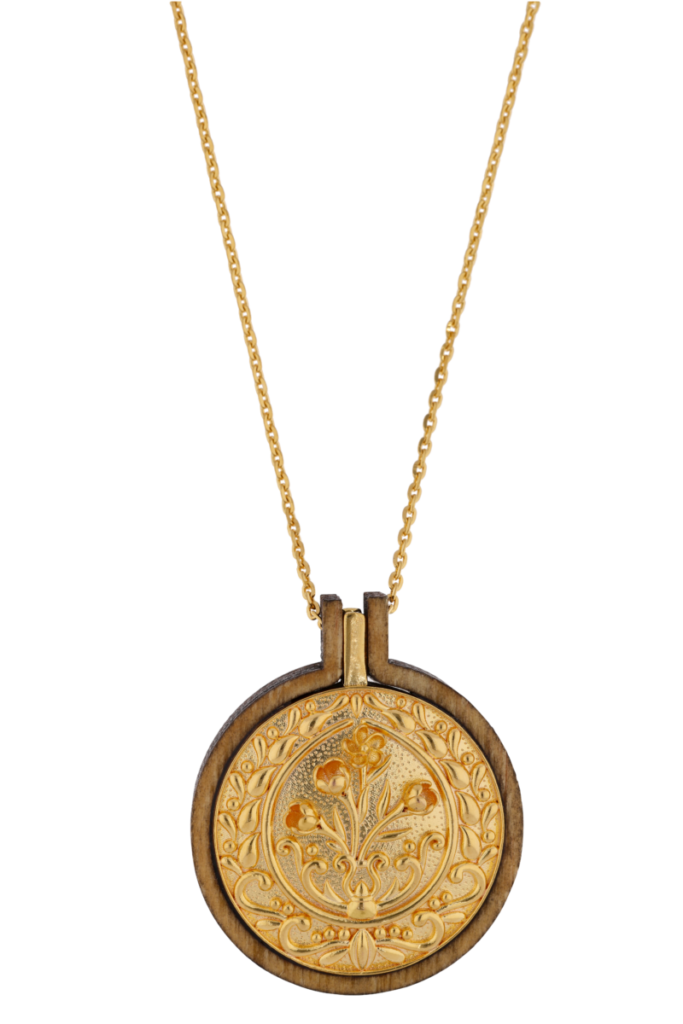
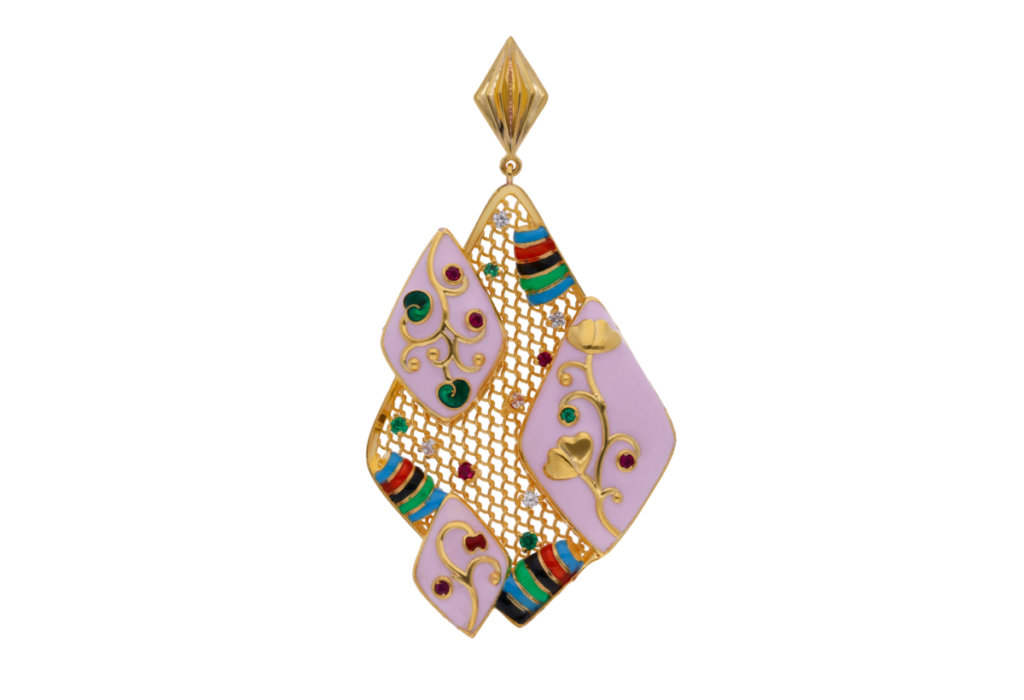
Additionally, there is a visible resurgence of neo-heritage aesthetics — designs that beautifully blend traditional artistry with modern minimalism. Consumers are embracing jewellery that carries cultural roots while remaining contemporary in styling. This fusion has opened exciting opportunities for manufacturers and designers to reinterpret classic craftsmanship for today’s audience.
In this rapidly evolving environment, adaptability remains the key to sustained growth. Manufacturers and brands that understand changing consumer behaviour while preserving the essence of craftsmanship are the ones leading the future of the industry. The ability to cater to varied preferences across categories — from lightweight daily wear to bridal grandeur — has become increasingly important.
At Sky Gold and Diamonds, this evolution is reflected through a diverse design and manufacturing approach that caters to multiple market segments across 9kt, 14kt, 18kt, 20kt, 22kt, and diamond jewellery categories. By combining contemporary design sensibilities with trusted craftsmanship, the brand continues to align itself with the changing aspirations of modern consumers while staying rooted in quality and authenticity.
The jewellery industry today is no longer defined only by precious metals and gemstones. It is defined by emotion, innovation, identity, and trust. As consumer preferences continue to evolve, the future of jewellery will belong to brands that can create not just products, but meaningful experiences and lasting emotional connections.


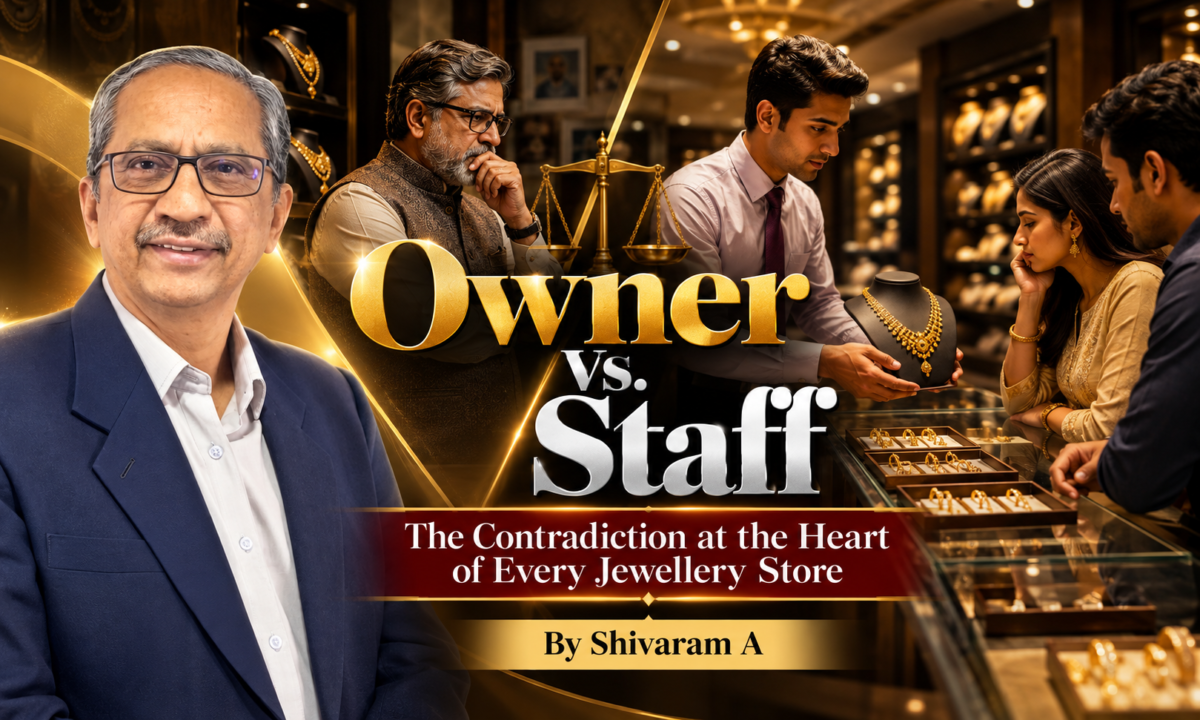
By Shivaram A
The Core Issue
The owner carries the entire risk of the business — investment, gold stock, working capital, loans, everything is in their name. The long-term asset also belongs to the owner — reputation, brand, the customer base built over years, often meant to pass to the next generation. But the moment that matters most — when the customer is standing at the counter, when trust is being built or broken — that moment is entirely controlled by the staff.
The person with the most risk is not present at the decisive moment. And the person with the least to lose holds the most power in that moment. This structural mismatch creates frustration on both sides — and it’s rarely discussed openly.
Making the Conflict Explicit
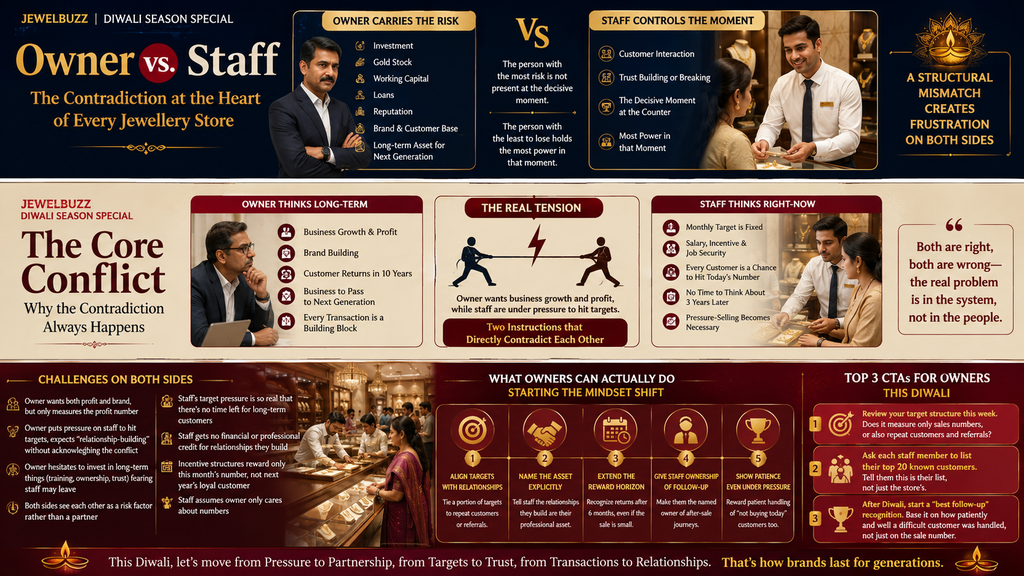
The real tension is this: the owner wants business growth and profit, while staff are under pressure to hit targets.
The owner thinks long-term — how does the brand grow, how does a customer come back after ten years, how does the business pass to the next generation. For the owner, every transaction is a building block toward something bigger.
The staff’s reality is completely different. Their monthly target is fixed. Their salary, incentive, and sometimes even job security depend on how much they sold this month, this Diwali. For staff, every customer is a chance to hit today’s number — right now, this moment. They cannot afford to think about whether this customer comes back in three years, because their performance is reviewed at month-end, not three years later.
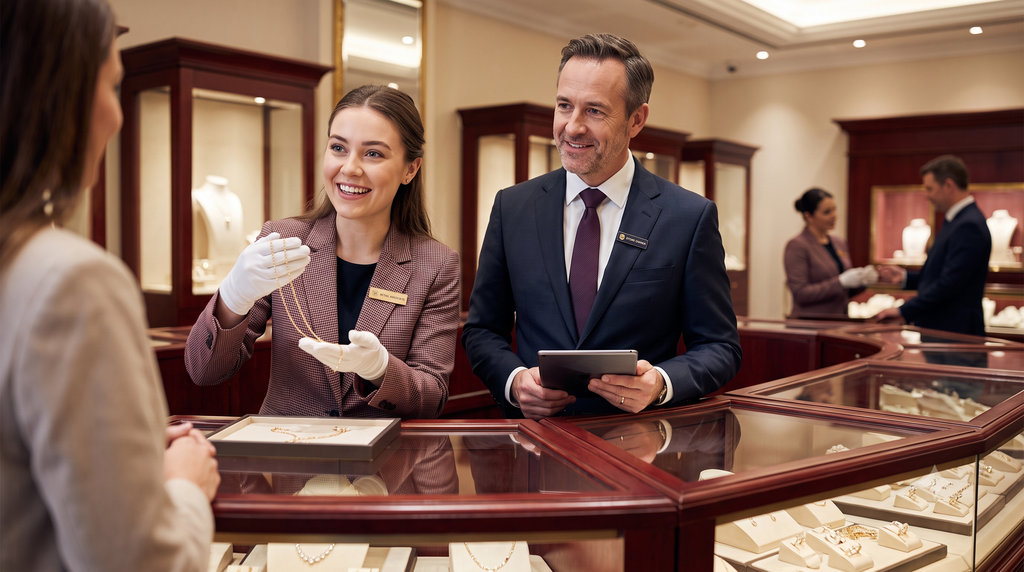
So when the owner says “build the relationship, be patient,” and in the same breath increases the target by 20%, these two instructions directly contradict each other. Staff are not confused about what they should ideally do — they understand it perfectly. But they don’t have the choice. The target has to be met, so pressure-selling becomes necessary — even if it means pushing a customer slightly, or using lines like “buy today, rate will go up tomorrow” that create small cracks in trust.
These cracks don’t show up immediately. But after Diwali, when that customer doesn’t return a second time, the owner assumes it’s the staff’s fault. The staff believes the owner set an unrealistic target. Both are right, and both are wrong — because the real problem is in the system, not in the people.
The Challenges on Both Sides
- Owner wants both profit and brand, but only measures the profit number
- Owner puts pressure on staff to hit targets, then also expects “relationship-building” — without acknowledging the two often can’t coexist
- Owner hesitates to invest in long-term things (training, ownership, trust) due to fear that staff will leave anyway
- Staff’s target pressure is so real that there’s no time left to think about the long-term customer
- Staff gets no financial or professional credit for the relationships they build
- Incentive structures reward only this month’s number, not next year’s loyal customer
- Both sides see each other as a risk factor rather than a partner — the owner assumes staff will eventually leave, staff assumes the owner only cares about numbers
What Owners Can Actually Do — Starting the Mindset Shift
- Stop treating targets and relationships as separate — align them. Don’t set targets purely on sales numbers. Tie a small portion of the target to repeat customers or referrals, so staff know that long-term customers count too.
- Name the asset explicitly. Tell staff directly: the relationship you’re building with a customer is your professional asset, not just the store’s. This has to be shown in practice, not just said out loud.
- Extend the reward horizon. Don’t reward only Diwali-week sales — when a customer returns six months later and asks for that staff member by name, recognize that, even if the sale itself is small.
- Give staff ownership of the follow-up. Make each staff member the named owner of their customers’ after-sale journey — repairs, exchanges, the next occasion. This helps them feel the relationship is theirs, not just a transaction.
- Show patience even under pressure. If Diwali week only rewards closed sales, staff will only chase closing. If a staff member who handles a “not buying today” customer well is also appreciated, that’s when the mindset actually starts to shift — because staff notices what the owner actually rewards, not just what they say.
Top 3 CTAs for owners this Diwali
- Review your target structure this week. Does it only measure sales numbers, or does it also give weight to repeat customers and referrals? If not, try a small adjustment starting this Diwali.
- Ask each staff member to list their top 20 known customers. Tell them this is their list, not just the store’s. This builds a sense of ownership.
- After Diwali, start a “best follow-up” recognition. Base it not on the sale number, but on how patiently and well a difficult customer was handled. Staff need to see that patience is rewarded too, not just closing.
Shivaram A
Retail Gurukul


-

 TechBuzz18 hours ago
K. Srinivasan Unveils Doit Coimbatore Experience Centre
-
 GlamBuzz19 hours ago
Kalyan Jewellers’ Navratri Celebrations Bring Stars From All Industries To Thrissur
-

 National News18 hours ago
IFSCA Notifies India Good Delivery Gold Framework
-

 National News19 hours ago
World Gold Council Unveils Immersive Gold Experience At Phoenix Palladium, Lower Parel, Mumbai
