
DiamondBuzz
Small Natural Diamonds Rally As Supply Crunch Begins To Reshape Market
Data From Rapaport Indicates That The Recovery Is Most Visible In Smaller-Sized Stones, Where Availability Has Dropped Sharply Following Widespread Reductions In Mining Output

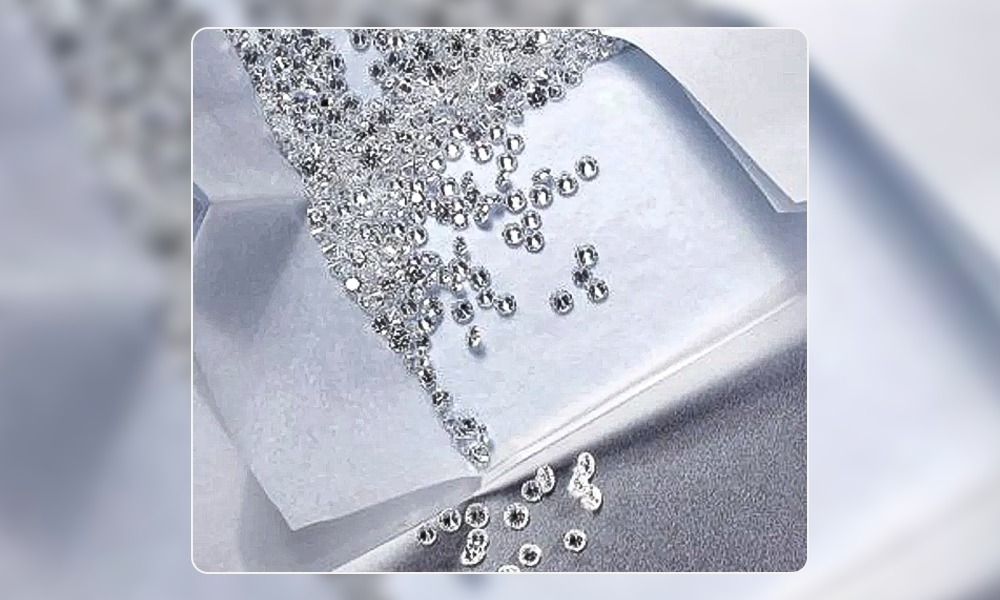
Small natural diamonds are showing the first meaningful signs of a turnaround after years of pressure, as shrinking inventories and deep production cuts begin to tighten global supply and lift prices.
New data from Rapaport indicates that the recovery is most visible in smaller-sized stones, where availability has dropped sharply following widespread reductions in mining output. The Rapaport Trade Diamond Index (RAPI™) recorded a 2.1% increase in prices for 0.30-carat diamonds in May, while 0.50-carat stones gained 0.9%, signaling renewed momentum in categories that had been among the hardest hit during the industry’s prolonged downturn.
The rebound comes as inventories continue to thin. According to Rapaport, listings of 0.30-carat diamonds on its trading platform have fallen by more than half since the start of the year, creating supply constraints that are beginning to support pricing. Industry sources also point to growing interest from luxury jewellery brands looking to secure smaller natural diamonds at valuations still considered attractive by historical standards.
The recovery, however, is far from uniform. Larger stones remained under pressure in May, with prices for 1-carat diamonds slipping 0.3% and 3-carat stones easing 0.5%. Yet the market for premium larger diamonds appears relatively resilient, with 3-carat goods still trading only modestly below year-earlier levels.
Recent trading activity at the JCK Las Vegas show underscored the divide within the market. Dealers reported strong demand from US buyers for diamonds weighing two carats and above, particularly for elongated fancy shapes, antique cuts, and lower-colour stones. In contrast, smaller commercial diamonds continued to face stiff competition from lab-grown alternatives, which have gained market share in entry-level jewellery segments.
Demand for rare and high-value gems remains robust. Traders at GemGenève reported healthy interest in exceptional diamonds and coloured gemstones, while India’s retail jewellery market continued to provide support for natural diamond sales despite broader economic uncertainties.
Looking ahead, the supply side may become an even bigger story. Rapaport expects global diamond production to contract further as mining companies grapple with weak profitability and financial strain. Recent developments include restructuring efforts at Petra Diamonds’ Finsch mine, uncertainty surrounding operations at the Kao mine, and insolvency protection proceedings involving Arctic Canadian Diamond Company, owner of the Ekati mine.
For the natural diamond industry, the emerging equation is becoming increasingly clear: fewer diamonds entering the market may finally be creating the conditions for prices to recover.


DiamondBuzz
De Beers Group Sets Out Portfolio and Organisational Actions to Support Long-Term Value Creation
Company outlines strategic cost optimisation, portfolio streamlining and operational changes to strengthen resilience while positioning for long-term growth in the natural diamond industry.

De Beers Group is advancing delivery of its business streamlining by setting out a number of planned portfolio and organisational changes to ensure an efficient cost base that strengthens resilience in the near-term while enhancing future competitiveness and retaining optionality as industry conditions improve.
Since 2024, De Beers has been streamlining its business in line with its Origins strategy to reduce costs, divest non-core assets and prioritise investment in activities that create the most value. Significant progress has been made, with more than $100 million of annual overhead costs removed from the business, the sale or closure of a number of non-core assets and significant capital and cost reconfigurations to asset expansion projects.
Simultaneously, De Beers has reinvested in natural diamond category marketing to support the industry’s efforts to grow natural diamond demand, launching new large-scale campaigns and collaborating with key stakeholders across the value chain to foster industry-wide investment. Global consumer demand for natural diamond jewellery returned to growth in 2025, while natural diamond sales increased across US independent jewellers in 2025 and into Q1 2026, led by higher value diamonds and those promoted by De Beers’ Desert Diamonds marketing campaign.
On the supply side, global rough diamond production is now decreasing, with several producers closing mines during 2026. Whilst the increasing rarity of diamonds and the emerging signs of improvement in consumer demand are likely to support longer-term value creation, rough diamond trading conditions are expected to remain challenging in the near-term due to cyclical and industry-specific factors.
Consistent with recent actions to improve business resilience, De Beers intends to pause production at the Venetia mine in South Africa for two years to reduce costs while also rephasing capital expenditure on its underground project. This will involve critical infrastructure investment to enhance the capacity and efficiency of the mine, with the intention to support future production growth as business and industry conditions improve.
De Beers is engaging with stakeholders in accordance with relevant requirements and the company’s values as it moves through this process, and will both support impacted employees and continue to invest in its community and Social and Labour Plan commitments.
This proposed action at Venetia Mine follows the decision earlier this year to pause the Tuzo Phase 3 expansion project at the Gahcho Kué Mine in Canada.
In parallel, De Beers plans to reconfigure its global operating model to refocus and prioritise resources on the core operational businesses and reduce its central corporate cost base.
Al Cook, CEO of De Beers Group, said:

“In line with our commitment to focus and streamline our business, we are making a number of changes to De Beers to ensure greater business resilience in the near-term, while supporting long-term value creation. We recognise the protracted challenging conditions as the diamond industry evolves, though we are encouraged by signs of consumer demand growth in the US and beyond, particularly in higher quality diamonds.
Global rough diamond supply is falling, bringing more support to the market. The changes we are making to our business are focused on underpinning our efficiency now and into the future, favourably positioning De Beers in its leadership role.”
De Beers Group will maintain current production levels through its other operations, and previous production guidance remains unchanged.


-
 National News2 days ago
Akoirah by Augmont Celebrates The Family We Choose With A Thoughtfully Curated Friendship Day Gifting Edit
-

 New Premises23 hours ago
GUZEMA Fine Jewelry Opens First U.S. Boutique In New York’s SoHo
-
 International News1 day ago
De Beers Group Reports H1 2026 Production Surge
-

 International News1 day ago
Canada Faces 50% US Import Tariffs; Gemstone Exemption Under Review
