
National News
Silver surges to Rs 2,11,000/kg, US spot silver touches price $66.31


The silver surge continues. The price of silver in Mumbai today touched Rs 2,11,000 per kg. One of the factors is the rise of demand from investors for silver ETFs, which has contributed to an increase in the prices of the precious metal.
In the US,silver smashed through $66/oz, with spot prices up 3.6% to $66.31 and futures leaping 4.5% to $66.43—a staggering 130% YTD gain. This rally fuses safe-haven buying amid U.S. labor market jitters (4.6% unemployment, Fed easing bets) and relentless industrial hunger.
Economic uncertainty drives haven demand, as investors diversify at silver’s affordable entry versus gold. Supply lags falling inventories signal 2026 deficits, with U.S. critical material status highlighting vulnerabilities. As a mining byproduct, production can’t pivot fast.
The catalyst for silver’s latest surge emerged from mixed signals in the U.S. labor market. November unemployment rose to 4.6%, the highest level since 2021, despite unexpectedly strong job creation numbers. This contradiction has heightened concerns about underlying economic strength and increased speculation that the Federal Reserve may ease monetary policy more aggressively than previously anticipated. Investors seeking portfolio diversification have responded by accumulating precious metals, with silver benefiting disproportionately from its lower entry price compared to gold.
Beyond its traditional role as a monetary metal, silver faces intensifying industrial demand that distinguishes it from gold. The renewable energy transition, particularly solar panel manufacturing, consumes substantial quantities of silver for photovoltaic cells. Electric vehicle production relies on silver for battery systems and electronics, while the expansion of data centers requires the metal for high-performance computing infrastructure. These applications create persistent demand that cannot easily be redirected to substitute materials.
The supply side reinforces this bullish picture. Inventories have been falling steadily, and analysts project a potential supply deficit in 2026. The U.S. government’s designation of silver as a critical material earlier this year underscores official recognition of these supply vulnerabilities. Unlike industrial metals that can be ramped up through new mining operations, silver production often comes as a byproduct of other mining activities, limiting the industry’s ability to respond quickly to price signals.
Silver’s outperformance relative to gold—which trades near $4,322—reflects growing market conviction in the metal’s dual appeal. Retail investors have participated aggressively in the rally, adding momentum to institutional positioning. The psychological significance of breaking above $66 has cleared the path toward the $70 target that many analysts now consider achievable in the near term.



National News
Kangana Ranaut Unveils PNG Jewellers New Showroom In Ayodhya~
The Store Is PNG Jewellers’ 81st Overall and Its Fifth In UP following Lucknow, Kanpur, Gorakhpur and Varanasi.

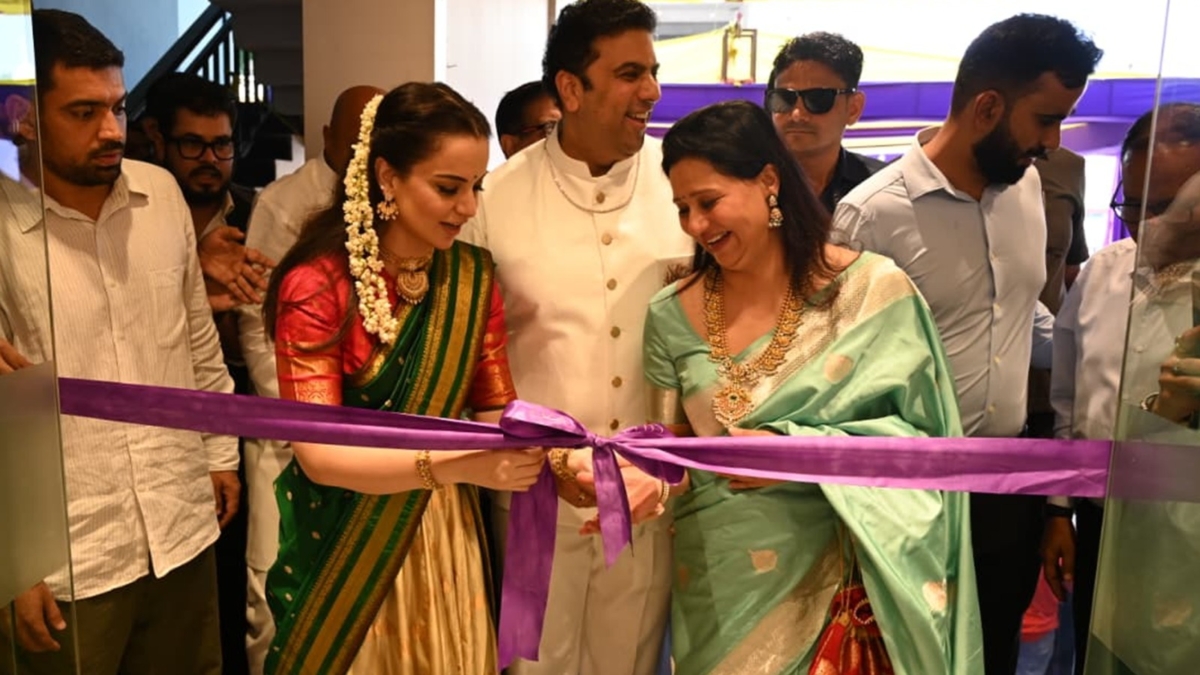
Member of Parliament and Indian film actor Kangana Ranaut inaugurated PNG Jewellers new store in Ayodhya. The store is PNG Jewellers’ 81st overall and its fifth in UP following Lucknow, Kanpur, Gorakhpur and Varanasi. Located next to Rikabganj Women Police Station, the new store gives Ayodhya customers access to PNG Jewellers’ products, collections, and quality service closer to home.
Dr. Saurabh Gadgil, CMD- PNG Jewellers, said:

“Opening a store in Ayodhya is a special moment for us. We have received an encouraging response from customers across Uttar Pradesh, and we are pleased to bring PNG Jewellers closer to people in and around Ayodhya. We look forward to being part of their weddings, festivals and family celebrations, while offering the legacy, trust and craftsmanship that our brand has stood for over generations.”
Kangana Ranaut added:
“Ayodhya holds a special place in the hearts of so many people, and I am delighted to be here for the opening of PNG Jewellers’ new store. Jewellery is closely woven into how we celebrate our traditions, weddings and important moments with family. I wish the PNG team every success in Ayodhya.’’

The occasion also marks the debut of Ram Katha, an exclusive collection inspired by the Ramayana and the historical, cultural and spiritual heritage of Ayodhya. Launched by Kangana Ranaut, the collection is being introduced in its initial phase across PNG stores in North India
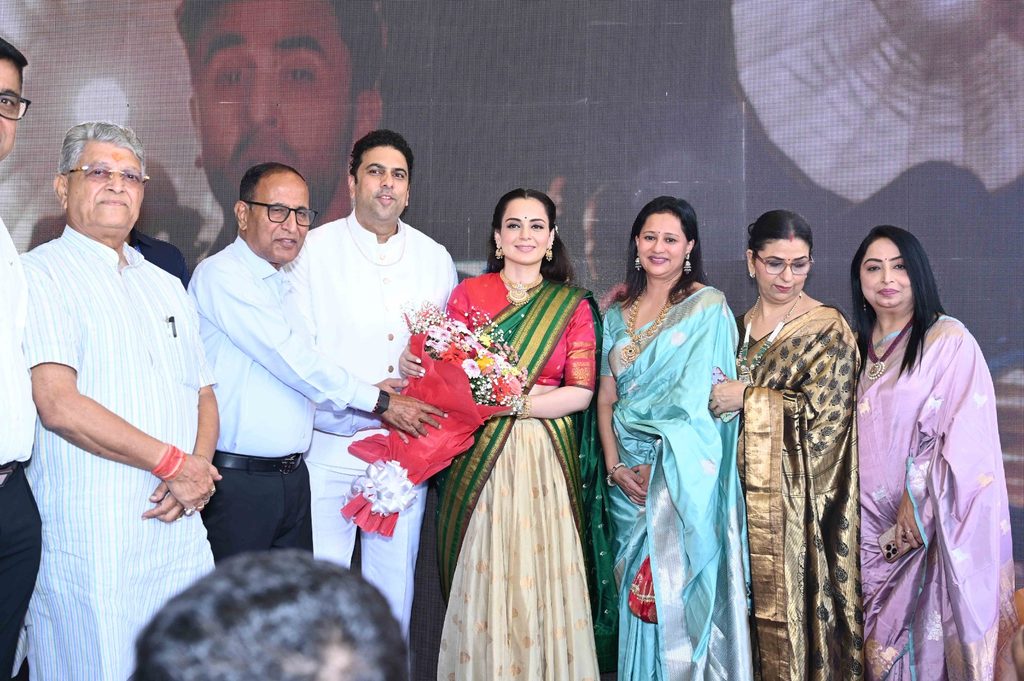
The store also showcases a range of gold, diamond, temple and bridal jewellery for weddings, festive occasions and everyday wear. Customers can explore PNG Jewellers’ collections, including Saptam, Katha, Pratha, Eiina and Polmi, with designs crafted for local tastes.
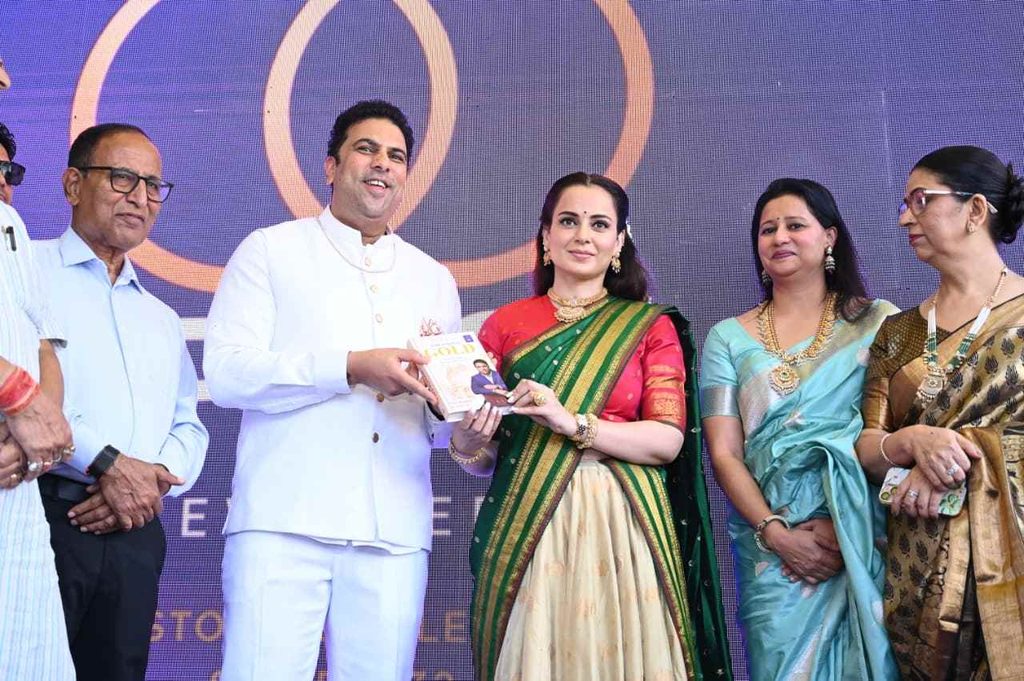
Ayodhya, revered as the birthplace of Lord Shree Ram, draws people from across the country for its temples, festivals and deeply rooted traditions. Jewellery is closely tied to weddings, festivals and family celebrations in the city. The new store allows PNG Jewellers to serve local customers more conveniently while continuing its expansion in Uttar Pradesh. To celebrate the opening, the brand introduced limited-period inaugural offers of up to 50% off on gold jewellery making charges and up to 100% off on diamond jewellery making charges*, valid till 15th November, 2026.
Adding to the excitement of the festive season, PNG Jewellers brings together its brand ambassadors Madhuri Dixit-Nene and Ranbir Kapoor for the first time in a special festive television commercial. The campaign marks a significant moment, bringing together two of Bollywood’s most iconic stars in a celebration of tradition, elegance and contemporary appeal. This much-awaited collaboration also reflects PNG Jewellers’ vision of connecting its nearly two-century-old legacy with a new generation of consumers.



Kangana Ranaut Unveils PNG Jewellers New Showroom In Ayodhya~

GGJS 2026 Concludes With High-Volume Trade and Strategic Focus On Next-Gen Leadership

The Solitaire Festival Of India Concludes; Bumper Prize Winner At Ranka Jewellers Wins XUV 7XO
GGJS 2026 Concludes With High-Volume Trade and Strategic Focus On Next-Gen Leadership

ABARAN Commemorates The 125th Birth Anniversary Of Founder Shri Burde Sadananda Kamath With Special Gold Coin Launch

MCX Gold Silver Futures See Dip
-
 National News2 hours ago
GGJS 2026 Concludes With High-Volume Trade and Strategic Focus On Next-Gen Leadership
-
 National News7 hours ago
ABARAN Commemorates The 125th Birth Anniversary Of Founder Shri Burde Sadananda Kamath With Special Gold Coin Launch
-
 National News6 hours ago
MCX Gold Silver Futures See Dip
-
 National News44 minutes ago
Kangana Ranaut Unveils PNG Jewellers New Showroom In Ayodhya~
