
National News
Silver jewellery and articles sector shines bright
Driven by affordability, evolving consumer preferences, retailer investment and design-led positioning

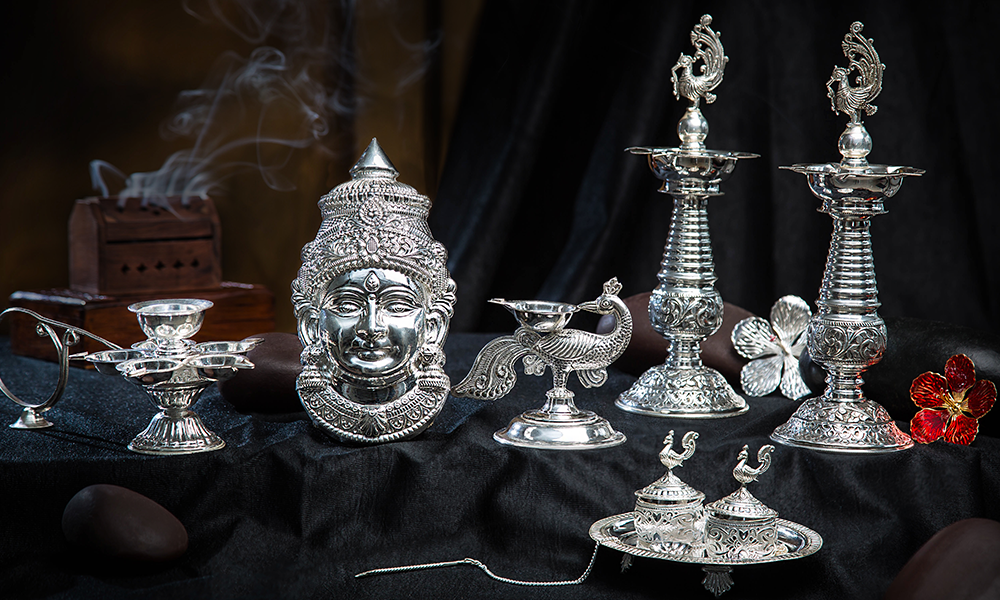
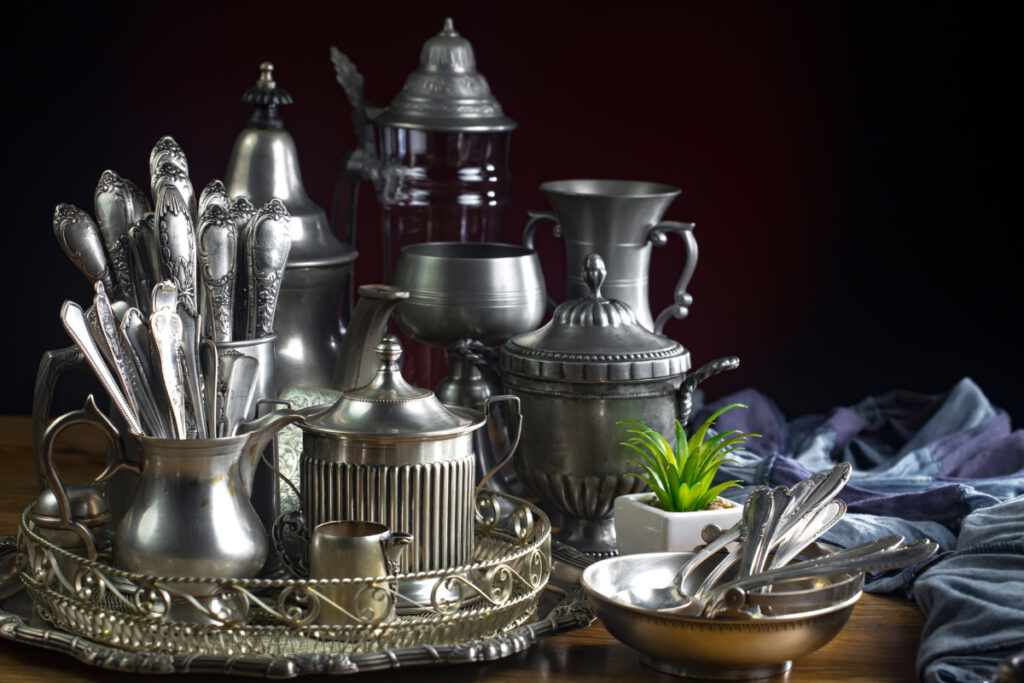
India’s silver jewellery and articles sector is doing well despite high prices because consumers are treating silver as an affordable alternative to gold, while retailers are widening the category through gold-plated silver and dedicated standalone stores.
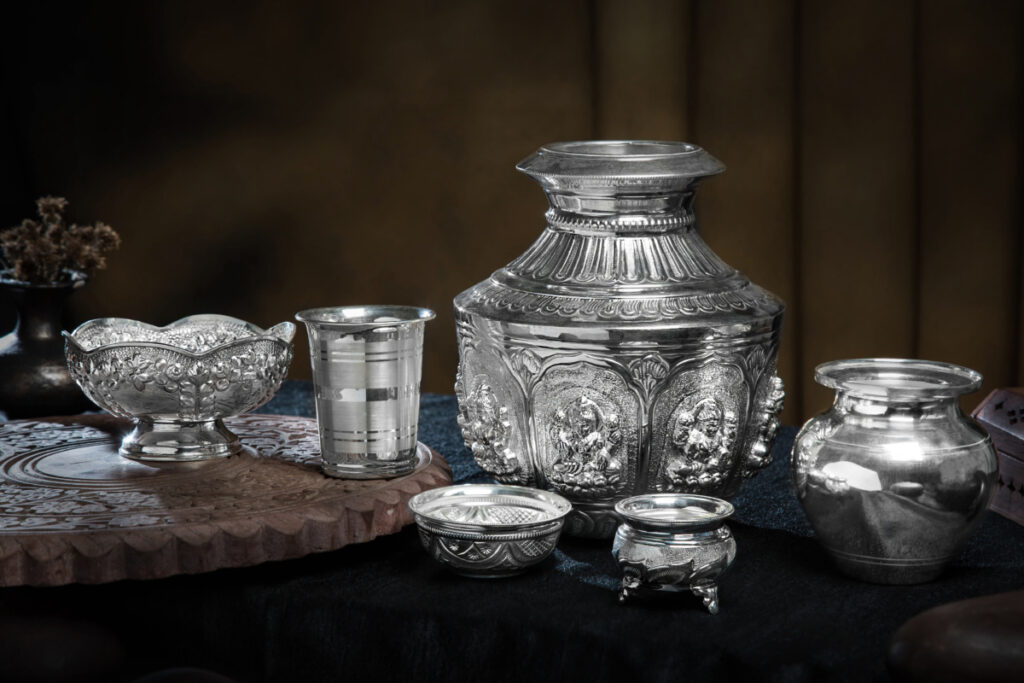
Beyond jewellery, silver articles and artefacts are emerging as an important pillar of India’s broader silver market, supported by strong cultural traditions, gifting habits, and rising premium consumption. From pooja items, idols, utensils, and decorative homeware to corporate gifting and commemorative pieces, silver continues to hold deep emotional and ceremonial value in Indian households.
Silver jewellery’s current momentum appears rooted in deeper structural drivers: affordability, evolving consumer preferences, retailer investment, and design-led positioning. For middle and upper-middle-income households, silver offers entry into the precious metal ecosystem at a fraction of the ticket size, without diluting the emotional equity attached to metal ownership
Market momentum
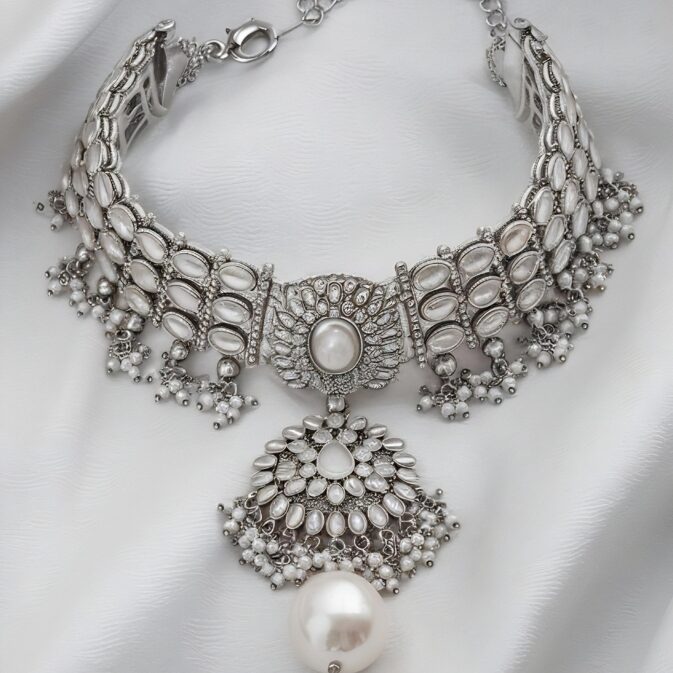
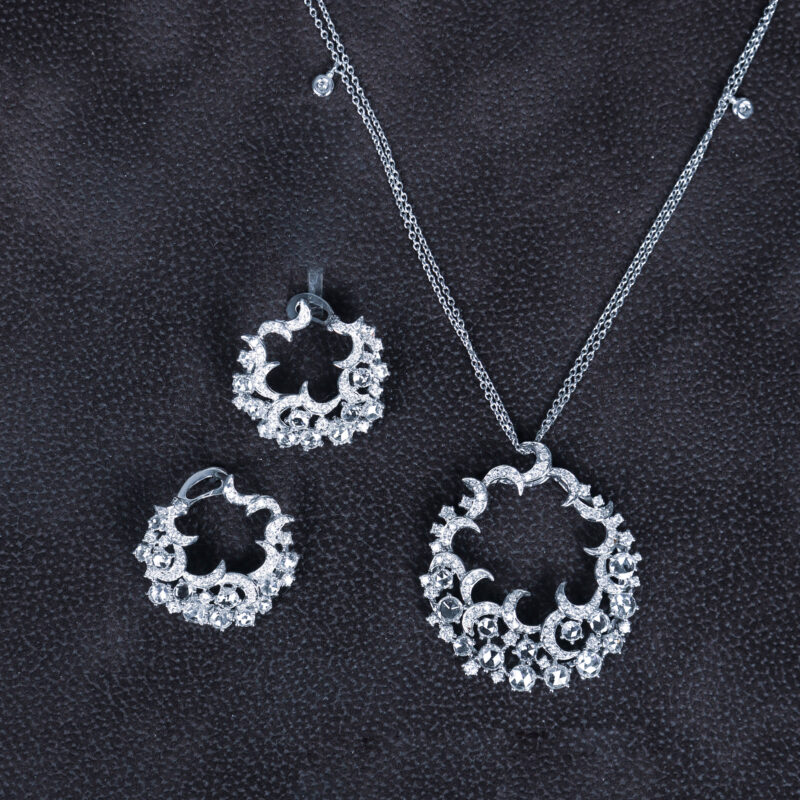
- Silver jewellery is gaining traction among price-sensitive buyers, younger consumers, and gift shoppers who want style without the cost of gold. Industry commentary points to silver’s role as a daily-wear, lightweight option. Trade‑aligned market assessments (incorporating GJEPC and World Silver Survey data) put India’s silver jewellery and silverware segment at a CAGR of around 4–6% between 2025 and 2029, slightly below but aligned with the broader jewellery market’s 6–7% growth.
Why silver is selling
High gold prices have pushed many buyers toward silver, especially for lower-ticket purchases in the ₹10,000–₹30,000 range. Gold-plated silver jewellery is also popular because it gives a gold-like look at a much lower price, which has helped expand the customer base beyond traditional silver buyers.
Retail expansion
A notable trend is the rise of standalone silver stores and organised silver formats, as retailers see room to build a separate identity for the category rather than treating it as an add-on to gold. This works well in India because silver has strong gifting, fashion, and everyday-wear demand, especially in tier 2 and tier 3 markets.
Retailers are widening assortments to include fashion jewellery, premium silverware, gifting collections, office wear, bridal-inspired silver, men’s accessories, and personalised jewellery.
Organized retail is also improving design innovation, visual merchandising, branding, and customer trust—areas where silver historically lagged behind gold jewellery.
Hallmarking boost
Silver hallmarking has become more credible with the BIS’s voluntary HUID-based system, which began on 1 September 2025 and uses a digitally traceable format with defined purity grades. That should help consumer trust, especially for branded retail and premium silver jewellery.
Import restrictions
The DGFT’s restriction on certain silver jewellery imports, aimed largely at curbing flows from Thailand and some ASEAN routes, has supported domestic players by reducing pressure from imported merchandise.
Silver shines bright
Long-term growth in India’s silver jewellery market is increasingly being driven by changing consumer behavior, with jewellery viewed less as a one-time investment and more as an accessible expression of personal style. For retailers and manufacturers investing in branding, hallmarking, premiumization, and dedicated retail formats, silver jewellery is emerging as one of the most promising growth opportunities in the Indian jewellery sector.


National News
IFSCA Notifies India Good Delivery Gold Framework
GJEPC Seeks Swift Rollout and Global Recognition. The Framework Is Expected To Strengthen Responsible Sourcing, Build Confidence In Indian-Refined Gold and Create Opportunities For Bullion Exports.

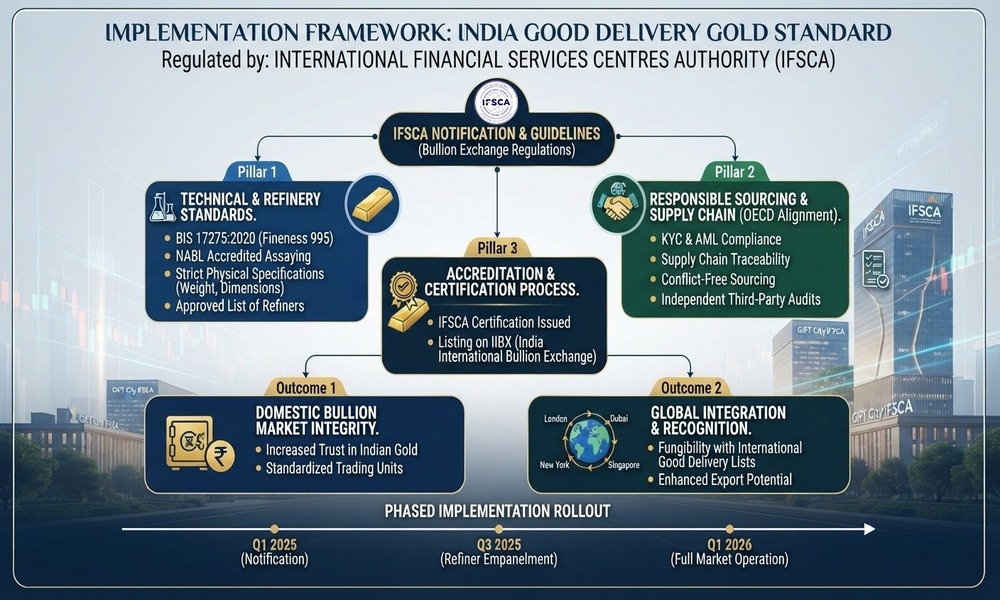
GJEPC has urged the Government to expedite international recognition and the implementation of the India Good Delivery Gold framework, following the notification of the International Financial Services Centres Authority (IFSCA) (Good Delivery) Guidelines, 2026. The framework is expected to strengthen responsible sourcing, build confidence in Indian-refined gold and create opportunities for bullion exports.
The guidelines establish a framework for quality assurance, responsible sourcing and traceability in gold refining. IFSCA, India’s unified regulator for financial products, services and institutions operating in International Financial Services Centres, will implement the framework through the Bullion Exchange in the IFSC. Gold from accredited refiners that meets the prescribed requirements can qualify for delivery on IFSC exchanges and for over-the-counter trading.
The framework extends beyond the purity and quality of gold bars to address their provenance. Refiners must trace raw gold to its source, assess supply-chain risks, verify suppliers and beneficial owners, and meet applicable responsible-sourcing requirements. Independent third-party audits will provide additional assurance.
The initiative follows the recommendations by NITI Aayog, a policy think tank, which had called for an India Good Delivery Standard and responsible-sourcing guidelines for refineries. The report highlighted the potential of domestic refining to retain more value within India, generate employment and support exports.


-

 TechBuzz6 hours ago
K. Srinivasan Unveils Doit Coimbatore Experience Centre
-

 GlamBuzz7 hours ago
Kalyan Jewellers’ Navratri Celebrations Bring Stars From All Industries To Thrissur
-

 National News6 hours ago
IFSCA Notifies India Good Delivery Gold Framework
-

 National News7 hours ago
World Gold Council Unveils Immersive Gold Experience At Phoenix Palladium, Lower Parel, Mumbai
