
JB Insights
Shilpa Shetty Backs Conscious Luxury: Becomes Investor and Brand Ambassador for Limelight Lab Grown Diamonds
India’s first scaled lab-grown diamond brand doubles down on category leadership, consumer awareness, and purpose-led growth


Limelight Lab Grown Diamonds, India’s leading, most trusted and fastest-scaling lab-grown diamond jewellery brand, has unveiled its boldest brand campaign yet: “Let’s Get Real” a powerful call to reimagine luxury through the lens of innovation, ethics, and conscious consumption. At the heart of this movement is actor, entrepreneur, and wellness icon Shilpa Shetty, who joins the brand also as a strategic investor.
The campaign signifies a defining moment in the evolution of India’s luxury jewellery landscape. Limelight, with a presence across 50+ stores in 45+ cities, is the first lab-grown diamond brand to scale at a national level pioneering both retail acceptance and consumer education. With
“Let’s Get Real”, Limelight takes a firm stance against outdated narratives and legacy perceptions, positioning itself as the torchbearer of new-age luxury in India.
“Limelight isn’t just participating in the lab-grown diamond category, we’re building it,” said Pooja Sheth Madhavan, Founder and Managing Director, Limelight Lab Grown Diamonds. “As a first mover, we carry the responsibility to lead the shift in how lab grown diamonds are perceived. With an aggressive roadmap to open 100 stores by 2026, we’re scaling both reach and relevance. ‘Let’s Get Real’ calls out traditional myths about luxury and offers a compelling promise of diamonds that shine boldly with a purpose. This campaign is more than marketing; it’s a cultural reset.”

Shilpa Shetty, as the Brand ambassador, lends her voice and credibility to a campaign grounded in mindful luxury. Her entrepreneurial mindset, public commitment to conscious living, and aspirational appeal make her a strategic fit and a firm believer of the movement.

“What drew me to Limelight was the honesty of their story,” said Shilpa Shetty. “Lab-grown diamonds are a smart and a responsible choice. As someone who values authenticity and mindful choices, investing in Limelight felt natural. With ‘Let’s Get Real’, you can wear
something stunning yet meaningful without any compromise. That’s the future of luxury, and I’m proud to help shape it.”
The campaign taps into a powerful consumer truth that the modern Indian woman is increasingly value-driven, informed, and conscious. With sustainability, innovation, and
transparency rising as critical purchase factors, lab-grown diamonds are fast becoming the preferred choice for a new generation of luxury consumers.
“‘Let’s Get Real’ is not a cosmetic line, it’s our core positioning,” said Rupali Shrivastava, Chief Marketing Officer, Limelight Lab Grown Diamonds. “Luxury today is about meaning, not legacy.
Our integrated 360° campaign spans TV, digital, print, OOH, multiplex cinema, influencers, and in-store experiences. It’s backed by deep consumer insight showing strong traction for lab- grown diamonds among young, independent women across India. This is not meant to sit in lockers or wait for occasions. It’s made to be worn every day, everywhere by women who want their diamonds to reflect their values and lifestyle. We are not just responding to this shift, we’re driving it.”

With its uncompromising vision and a brand ambassador who puts belief into action through investment, Limelight is redefining what it means to lead a category. “Let’s Get Real” is not just a campaign it’s a blueprint for the future of luxury in India.








JB Insights
US Holiday Sales Will See 5.5% Growth For 2026 : Mastercard Economics Institute
This Resilience Reflects A Robust Labor Market, Rising Household Wealth, and Broad-Based Consumer Demand Across Income Cohorts. Overall, The 2026 Holiday Season Showcases An Adaptable U.S. Consumer Using Digital and AI Tools To Maximize Value While Continuing To Drive Broader Economic Momentum.

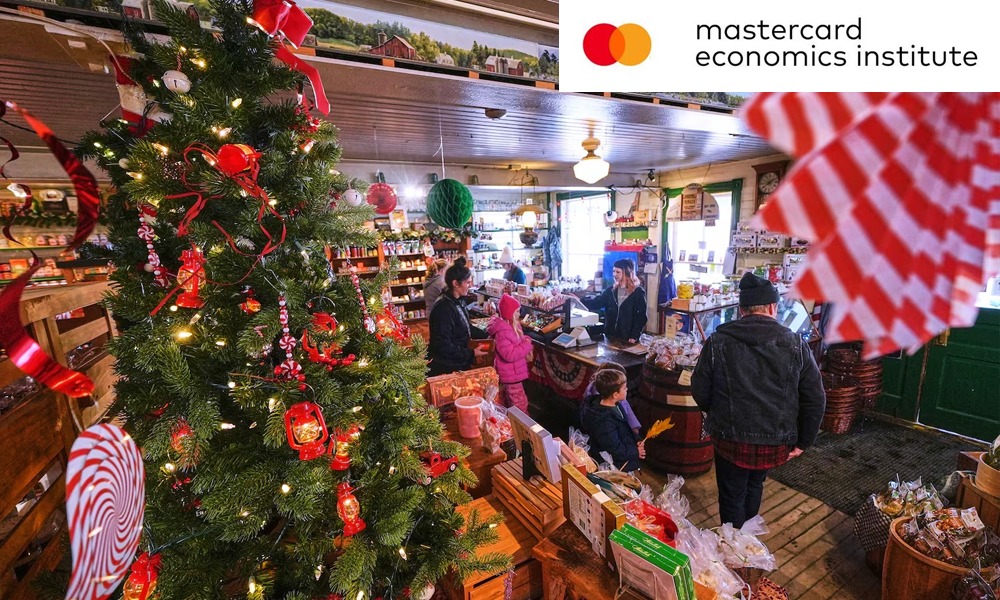
The Mastercard Economics Institute (MEI) forecasts a strong 2026 U.S. holiday shopping season (November 1–December 24), projecting retail sales excluding gas and autos to grow 5.5% year-over-year (YoY). This resilience reflects a robust labor market, rising household wealth, and broad-based consumer demand across income cohorts.
Key Drivers and Growth Channels
- Channel Performance: E-commerce continues to lead with an expected 11% YoY growth, but in-store sales are set to grow 3.6%—their strongest pace since 2022. This highlights the critical role of omnichannel strategies.
- Inflation Dynamics: Inflation accounts for 2.8 percentage points of the total 5.5% growth. Unlike last year’s tariff pressures, current price increases are driven by elevated energy/diesel costs and the massive AI infrastructure buildout.
- Calendar Shifts: A late Thanksgiving compresses the shopping window, pushing retailers toward early promotions. Additionally, Cyber Monday falling in November will shift significant online volume into the month.
The Role of Artificial Intelligence
AI is reshaping both prices and consumer behavior:
- Tech Inflation: High demand for memory chips and data infrastructure components has driven a 12.2% YoY increase in prices for info-processing equipment. Consequently, the consumer electronics category is projected to post outsized nominal sales growth (+10.7% YoY).
- AI Power Users: Consumers with paid AI subscriptions demonstrate distinct “optimization” habits. Data shows these users plan early, shop across a wider variety of boutique and specialty merchants, and aggressively target promotions during Thanksgiving weekend before transitioning to experience and hospitality spending in December.
Last-Minute Shopping Behavior
The final rush to Christmas offers key operational insights for retailers:
- In-Person and Malls: The final week before Christmas sees heavy physical store foot traffic, especially in enclosed shopping malls where consumers can complete multi-category purchases. Climate also plays a role: warmer-state residents (e.g., Florida, Nevada) are far more likely to make last-minute in-store runs than those in colder states.
- Transaction Value Trends: Average order values for children’s items peak near Black Friday, while premium categories—such as jewelry, cosmetics, luxury handbags, and department stores—see transaction values climb steadily from December 15, peaking on Christmas Eve as procrastinating shoppers pay a premium for convenience.
AI tools lower search costs for consumers, making price transparency higher than ever. Retailers must capture early November demand through targeted promotions before comparison tools push shoppers toward alternative or boutique brands.
Last-minute shoppers are price-inelastic and seeking speed. Malls and physical stores should maximize inventory for high-margin, rush-gift items (jewelry, cosmetics, designer goods, gift cards) in the final 10 days, leveraging store availability over promotional discounting.
Overall, the 2026 holiday season showcases an adaptable U.S. consumer using digital and AI tools to maximize value while continuing to drive broader economic momentum.



GGJS 2026 Concludes With High-Volume Trade and Strategic Focus On Next-Gen Leadership

The Solitaire Festival Of India Concludes; Bumper Prize Winner At Ranka Jewellers Wins XUV 7XO

GJEPC Promotes Key Trade Events At IGI Dubai Event
-
 National News3 days ago
P N Gadgil Jewellers Limited – Quarterly Update Q2FY27
-
 National News47 minutes ago
GGJS 2026 Concludes With High-Volume Trade and Strategic Focus On Next-Gen Leadership
-

 National News5 hours ago
MCX Gold Silver Futures See Dip
-

 National News6 hours ago
ABARAN Commemorates The 125th Birth Anniversary Of Founder Shri Burde Sadananda Kamath With Special Gold Coin Launch
