
National News
Senco is gearing up for significant growth; plans to open 20 new stores this year

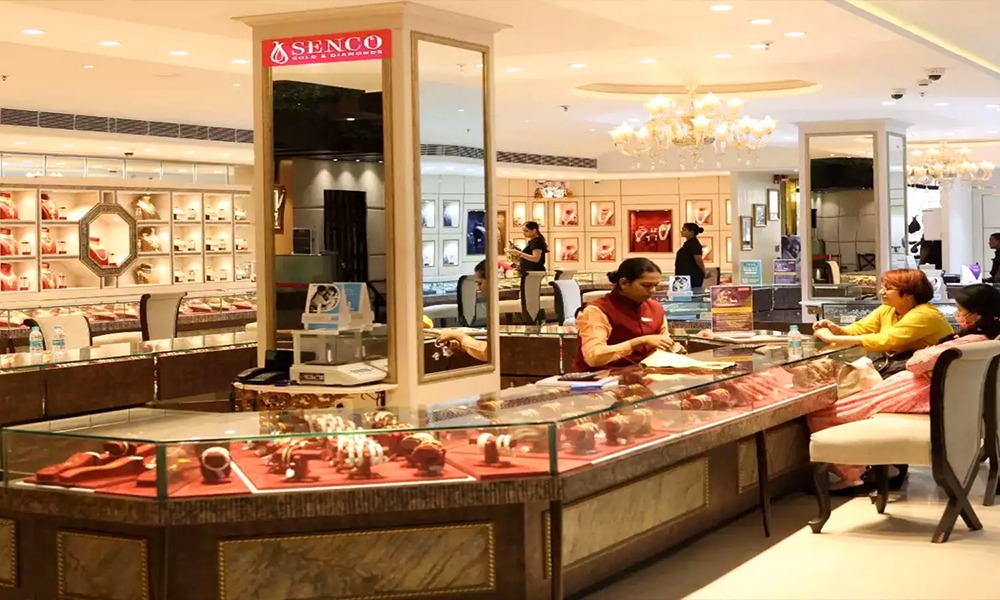
Senco Gold & Diamonds, one of India’s leading jewelry retailers, is gearing up for significant growth in the fiscal year 2025. The company has announced plans to open 20 new stores this year, aiming for a 20% increase in its topline revenue. This expansion is part of its broader strategy to maintain consistent annual growth while catering to rising consumer demand.These details were provided by Suvankar Sen, MD and CEO of Senco Gold & Diamonds, during an interview with CNBC TV18.
The company experienced a challenging start to FY25, with weak demand for diamond jewelry during the first three quarters due to high gold prices. However, the fourth quarter saw a revival, with increased sales of 14-carat and 18-carat diamond jewelry. Senco Gold also noted that silver sales outpaced both gold and diamonds in volume and value, as consumers increasingly view silver as an investment and gifting option.
Senco Gold has embraced innovation by launching dedicated lab-grown diamond jewelry stores under its sub-brand “Sennes.” According to Suvankar Sen, Managing Director and CEO of the company, lab-grown diamonds are gradually carving out their own market. The company expects these products to gain traction within the next two years, especially in the small-ticket segment catering to everyday wear.
The reduction in gold import duties by 9% provided temporary relief to customers but affected Senco’s profitability in Q2 and Q3. Despite this, the company expects profit margins to stabilize by the end of FY25.
In addition to domestic growth, Senco Gold has ventured into international markets by opening a store in Dubai. This move aligns with its strategy to cater not only to Indian expatriates but also to global consumers who appreciate handcrafted Indian jewelry. The company is also diversifying its product portfolio under the Sennes brand by introducing luxury lifestyle products such as leather bags.
Future Outlook
Suvankar Sen remains optimistic about the future, citing strong demand during wedding seasons and evolving consumer preferences for lightweight, versatile jewelry. The company is also focusing on digital services like virtual try-ons and personalized designs to appeal to younger, tech-savvy customers.







National News
Senco Gold & Diamonds Brings Festive Cheer With “Dhanteras Shagun”, Offering Exclusive Savings and Rewards
The Festive Offer Features Up To ₹14,000 Off Per 10 Grams On Gold Jewellery, Up To 36% Off On Diamond Value, and Lucky Draw Prizes Including Gold Worth ₹1.20 Crore and An iPhone 18 Pro.

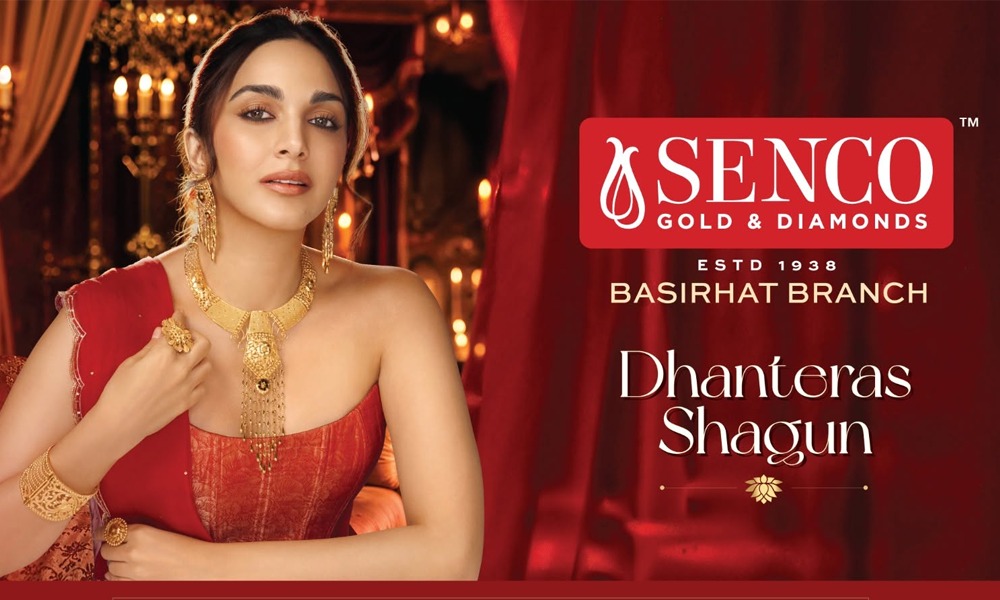
As Dhanteras approaches, Senco Gold & Diamonds has announced “Dhanteras Shagun”, a special festive offer celebrating the tradition of buying gold and jewellery during this auspicious time of the year. The offer will be available across Senco Gold & Diamonds showrooms from 26 October to 8 November 2026.
Dhanteras holds special significance in Indian households, with gold purchases traditionally associated with prosperity, good fortune and new beginnings. Through this campaign, Senco Gold & Diamonds aims to make festive jewellery shopping more rewarding while offering customers an opportunity to explore its diverse collections.
As part of the offer, customers can avail up to Rs 14,000 off per 10 grams on gold jewellery and up to 36% off on natural diamond value. The offer also includes 0% deduction on old gold exchange. Customers can participate in a lucky draw featuring prizes including gold worth ₹1.20 crore and an iPhone 18 Pro. An assured gift is available on every purchase, while SBI Credit Card holders can avail an instant discount of up to ₹7,500, subject to applicable terms and conditions.
Commenting on the occasion, Suvankar Sen, CEO and Managing Director of Senco Gold Limited, said:

“Dhanteras is deeply rooted in our cultural traditions and represents prosperity, optimism and new beginnings. Gold has always held a special place in these celebrations, bringing families together across generations. With Dhanteras Shagun, we hope to make this festive occasion even more meaningful for our customers. At Senco, we believe jewellery is not just an adornment but also a part of the memories, traditions and milestones that families cherish over the years.”
Joita Sen, Director & Head of Marketing and Design, Senco Gold & Diamonds, added:
“Dhanteras is an auspicious occasion that celebrates prosperity, new beginnings and the joy of bringing home something precious. At Senco Gold & Diamonds, we aim to make every festive purchase meaningful by bringing together exquisite designs, timeless craftsmanship and attractive offers. With our special Dhanteras offers, we make this festive purchase even more rewarding, giving customers more reasons to celebrate with jewellery they will cherish for years to come.”
Senco Gold & Diamonds offers an extensive and diverse jewellery portfolio this festive season. From gold coins, a popular choice during Dhanteras, to exquisite gold and natural diamond jewellery, Senco’s expansive offerings ensure there is something for every festive celebration, gifting occasion and milestone.
Customers can visit their nearest Senco Gold & Diamonds showroom from 26 October to 8 November 2026 to avail the Dhanteras Shagun offer. Terms and conditions apply.



Gold Rate-Locking and Advance-Booking Ahead Of Dhanteras 2026

888.88-Carat Infinity Diamond Unveiled At Dubai Diamond Conference 2026

LGD Industry Launched Diamond Producers Council

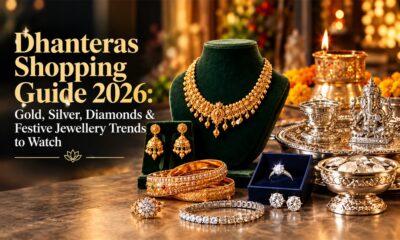
Dhanteras Shopping Guide 2026:Gold, Silver, Diamonds & Festive Jewellery Trends To Watch

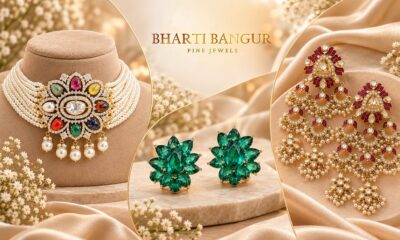
The Solenne Collection: A Celebration Of Diwali By Bharti Bangur Fine Jewels

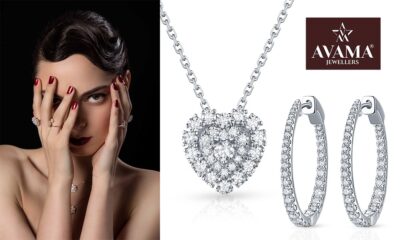
From Diya Puja To Diwali Soirées: Jewellery Designed To Go Beyond The Festive Season
-
 JB Insights4 days ago
Dhanteras Shopping Guide 2026:Gold, Silver, Diamonds & Festive Jewellery Trends To Watch
-
 BrandBuzz4 days ago
The Solenne Collection: A Celebration Of Diwali By Bharti Bangur Fine Jewels
-
 BrandBuzz4 days ago
From Diya Puja To Diwali Soirées: Jewellery Designed To Go Beyond The Festive Season
-
 National News4 days ago
Indriya, Aditya Birla Jewellery Unveiled India’s Largest Sustainable Jewellery Rangavalli
