
JB Insights
Reimagining Luxury Jewellery Retail: How Technology Is Empowering The New-Age Indian Consumer
From Self-Browsing Stores and RFID-Enabled Discovery To AI-Driven Personalisation and Immersive Digital Twins, QWEEN Is Redefining The Future Of Luxury Jewellery Retail By Placing Transparency, Trust, and Consumer Control At The Heart Of The Experience.

India’s luxury jewellery landscape is undergoing a profound transformation as technology reshapes the way consumers discover, evaluate, and purchase fine jewellery. Today’s buyers—particularly younger, digitally native audiences—seek experiences that combine the convenience of digital platforms with the emotional richness and trust of physical retail. Concepts such as AI-powered personalisation, virtual visualisation, connected commerce, and self-directed discovery are no longer futuristic ideas; they are rapidly becoming central to the modern luxury journey.
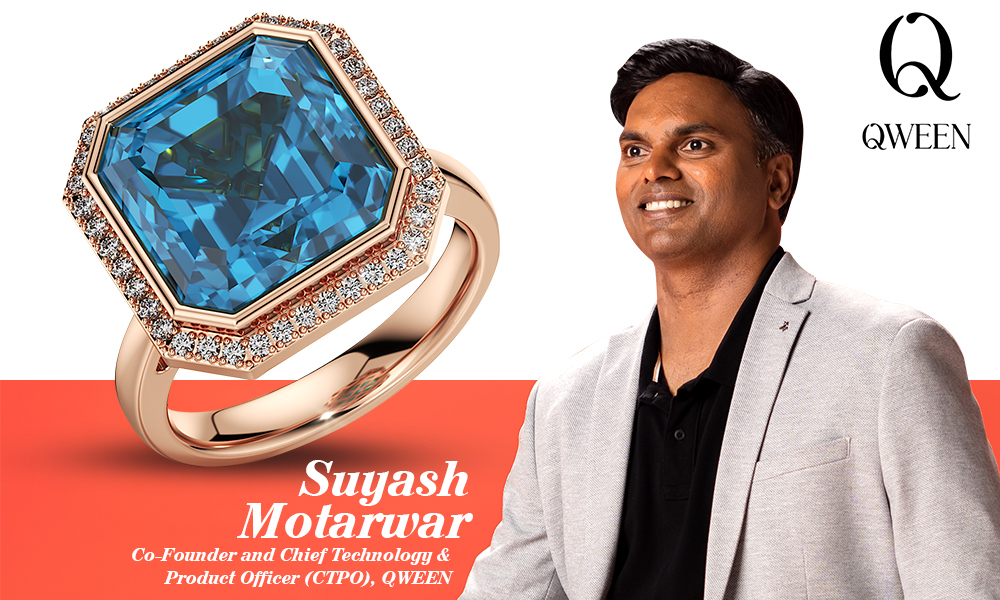
To understand how these shifts are influencing consumer behaviour and redefining retail experiences, JewelBuzz connected with the leadership at QWEEN, Suyash Motarwar Co-Founder and Chief Technology & Product Officer (CTPO), QWEEN a brand pioneering a technology-first approach to luxury jewellery retail. In this exclusive interaction, the team shares its perspectives on the evolving role of innovation, consumer empowerment, and the future of connected luxury experiences in India.
Jb: How is technology reshaping the luxury jewellery buying experience for Indian consumers, both online and in-store?
QWEEN:
Technology is fundamentally changing the power dynamic between brands and consumers. Traditionally, jewellery buying has been a highly assisted process, but today’s consumers increasingly prefer independent discovery and informed decision-making.
At QWEEN, we have built a self-browsing retail model that allows customers to explore jewellery at their own pace while retaining the trust and expertise of a luxury physical environment. The QWEEN Access Card acts as a personal key to the store, enabling customers to unlock product trays, save favourites, and continue their journey seamlessly across online and offline channels.
Every jewellery piece is RFID-tagged, allowing customers to instantly access pricing, craftsmanship details, styling suggestions, and product stories through self-serve tablets. Beyond the store, consumers can discover products online, shortlist designs, and even locate them before visiting, creating a truly connected journey.
The larger shift is from a controlled selling environment to an open discovery environment—one where consumers lead their own journey while the brand supports them with transparency, information, and confidence.
Jb: What role do innovations such as AI, virtual try-ons, personalisation, and data analytics play in building stronger consumer engagement and trust?
QWEEN:
Trust in jewellery is built when consumers feel informed, understood, and in control, and technology strengthens all three dimensions.
Virtual try-ons and 3D digital twins make product exploration immersive by allowing consumers to examine jewellery from every angle and understand intricate craftsmanship before physically trying it on.
Personalisation adds another layer of engagement. Consumers can visualise changes in gemstones, gold colours, karatage, and design elements in real time, transforming imagination into certainty before making a purchase.
Meanwhile, AI and data analytics help create a comprehensive understanding of customer preferences across every touchpoint. Through a consumer 360 approach and universal CRM, brands can deliver more meaningful recommendations and tailored experiences.
For us, technology is not about making jewellery transactional—it is about removing uncertainty, increasing transparency, and ensuring every customer feels recognised and understood.
Jb: How can jewellery brands strike the right balance between preserving the exclusivity of luxury and embracing digital convenience and accessibility?
QWEEN:
Luxury should remain thoughtful and aspirational, but it need not be inaccessible. Digital convenience must simplify the journey without compromising emotion, expertise, or craftsmanship.
At QWEEN, technology functions as an invisible enabler. Consumers enjoy the convenience of online shortlisting, in-store product location tools, and independent access to information, yet the overall environment remains curated, premium, and deeply personal.
The meaning of exclusivity itself is evolving. For younger consumers, exclusivity increasingly represents personalisation, relevance, transparency, and control rather than mere restricted access.
The objective is not indiscriminate digitisation, but the thoughtful application of technology where it genuinely enhances confidence, comfort, and service while preserving the irreplaceable human aspects of jewellery retail.
Jb: Looking ahead, what emerging technologies will have the greatest impact on luxury jewellery retail in India over the next five years?
QWEEN:
We foresee four major transformations shaping the future of luxury jewellery retail:
First, digital twins and immersive 3D experiences. Consumers will increasingly expect to visualise jewellery in extraordinary detail, including component-level views, craftsmanship elements, and customisation possibilities.
Second, AI-driven hyper-personalisation. Retail experiences will become context-aware and predictive, delivering recommendations tailored to individual preferences, intent, and lifestyle.
Third, connected retail ecosystems. Stores will evolve into integrated experience centres, service hubs, and fulfilment nodes, enabling seamless movement across physical and digital channels.
Finally, technology-enabled trust and traceability. Consumers will seek greater transparency around sourcing, certification, authenticity, and product histories, making digital product passports and supply-chain visibility increasingly important.
Ultimately, the future belongs to brands that leverage technology not merely as a feature set, but as a means to build deeper trust, stronger emotional connections, and delightfully seamless consumer experiences.
The next chapter of India’s luxury jewellery industry will not be defined by technology alone, but by how effectively brands use innovation to strengthen human connections. As consumer expectations evolve, transparency, personalisation, and control are becoming as important as craftsmanship and heritage.
QWEEN’s approach highlights a broader industry shift—one where digital intelligence complements emotional resonance, enabling consumers to engage with luxury on their own terms. The winners in this new era will be those that seamlessly blend timeless artistry with intelligent, connected experiences, creating jewellery journeys that are not only beautiful but also deeply meaningful and trust-driven.


JB Insights
Legacy, Loyalty & Local Insight: How Karan Kothari Jewellers Is Shaping Vidarbha’s Jewellery Narrative
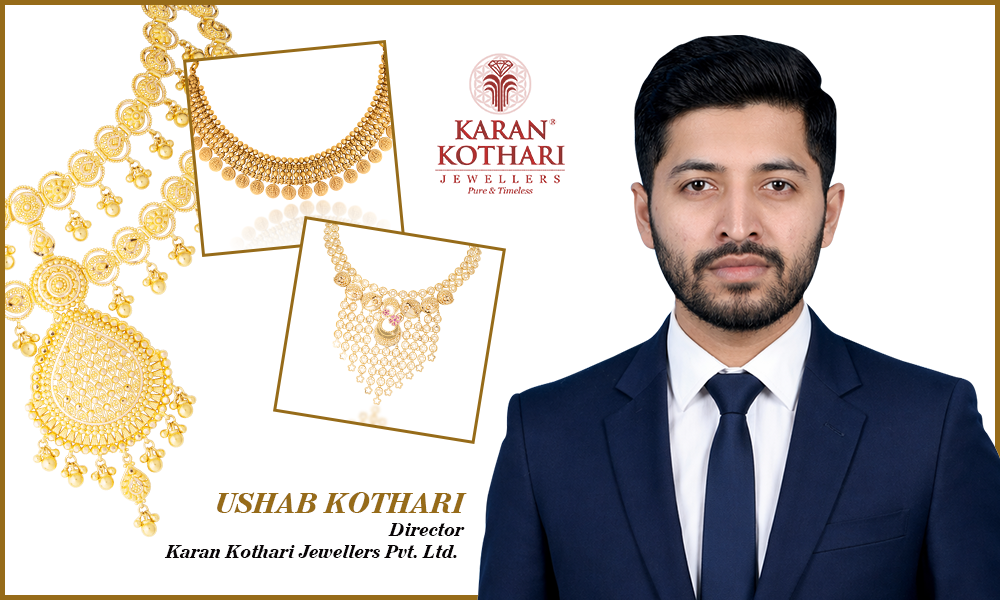
In an exclusive interaction with JewelBuzz, Ushab Kothari, Director – Karan Kothari Jewellers Pvt. Ltd. shares its remarkable journey from a single-store legacy brand to a seven-branch regional powerhouse across Vidarbha. Rooted in trust, transparency, and deep cultural understanding, the brand has built enduring relationships across generations while adapting to changing consumer preferences. From the rise of diamond jewellery and lightweight designs to the growing importance of investment-led purchases and gold saving schemes, the conversation highlights how the brand continues to balance traditional craftsmanship with modern sensibilities. With a strong focus on customer experience, authenticity, and community presence, Karan Kothari Jewellers stands as a benchmark for regional excellence in an increasingly competitive jewellery landscape.
Q1. How has Karan Kothari Jewellers Pvt Ltd evolved over the years, and what defines its identity in the Nagpur jewellery market today?
Karan Kothari Jewellers was established in 1965 with a single vision — to offer the people of Vidarbha jewellery they could trust, at prices that were honest and transparent. Over six decades, we have grown from a single showroom to a seven-branch chain spanning Nagpur, Yavatmal, Amravati, and Chandrapur — covering the breadth of the Vidarbha region. Our most recent branch in Amravati opened in March 2026, which is a milestone we are particularly proud of.
What defines us today is not just our scale, but the depth of the relationships we have built across generations of families. Many of our customers who came to us for their own weddings now bring their children. That continuity is our identity. We are a regional brand — rooted in Vidarbha for over 60 years, deeply familiar with its culture, its occasions, and its buying sensibility — and we believe that local understanding is something no national chain can replicate overnight.
Q2. Nagpur is an emerging jewellery hub — what unique consumer trends and preferences are you observing in this market?
Nagpur is evolving rapidly, and so is its jewellery consumer. A few years ago, purchase decisions were almost entirely gold-centric and occasion-driven. Today, we see a much more confident, informed buyer who researches online, compares designs, and comes into the showroom with a clear point of view.
A few trends stand out: First, diamond jewellery has seen strong and sustained growth across price points — it is no longer just a metro purchase. Second, Kundan and polki have developed a dedicated following among wedding buyers who want something traditional yet distinct. Third, the 18 to 35 age group is increasingly driving purchases, especially for lightweight daily-wear gold and fashion-forward diamond pieces. And finally, investment consciousness is high — our gold saving schemes continue to attract loyal customers who view jewellery as both beauty and financial security.
Q3. How do you balance traditional craftsmanship with modern design sensibilities to appeal to today’s diverse customer base?
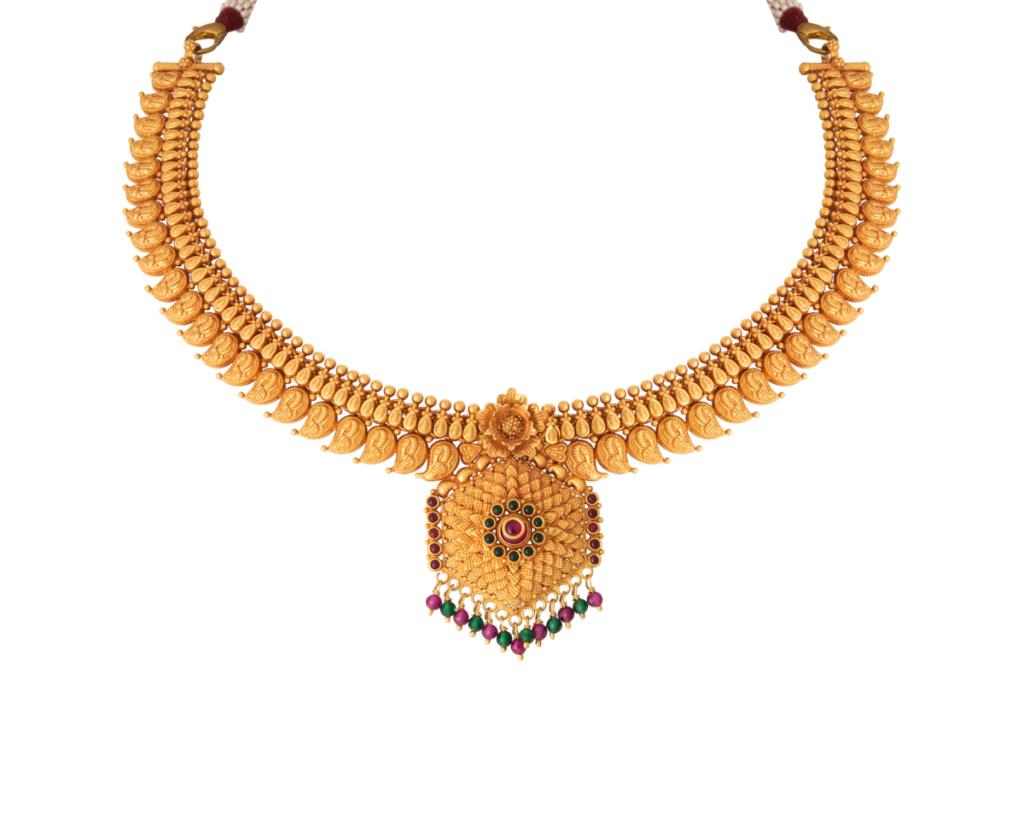
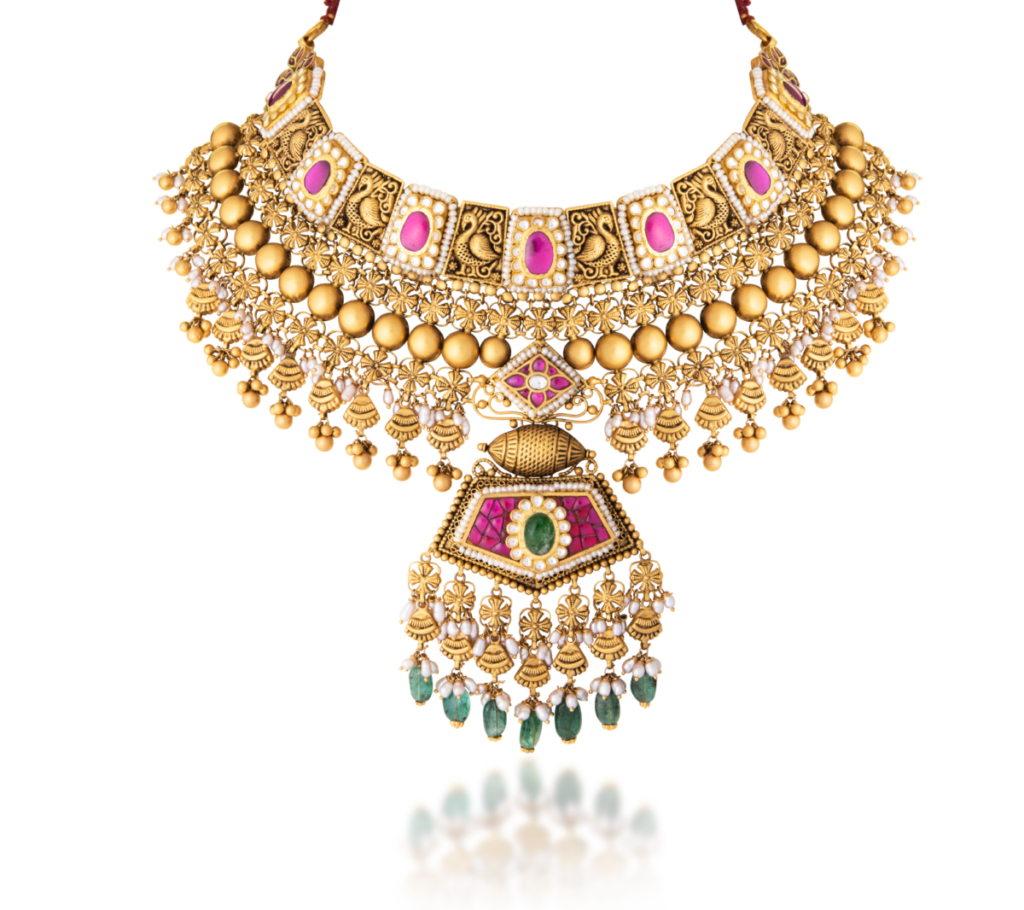
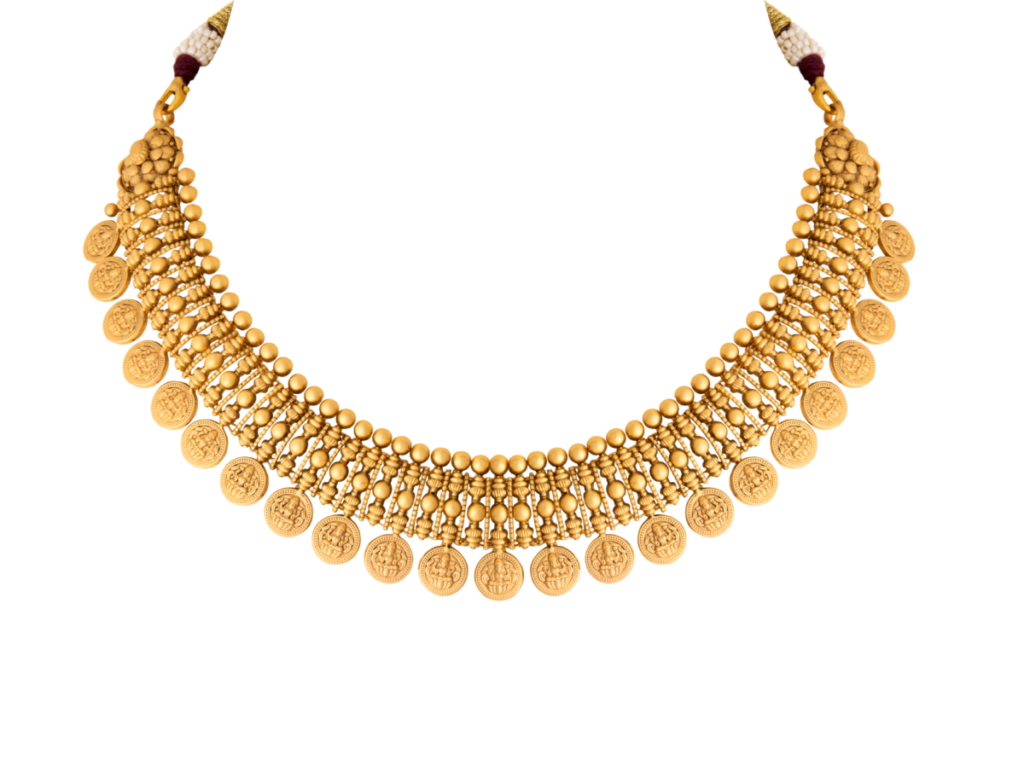
This balance is something we think about constantly. Our product range deliberately spans a wide spectrum — from temple-inspired gold sets and intricate Kundan bridal jewellery that honour centuries-old craft traditions, to contemporary solitaire designs, minimalist diamond bands, and lightweight everyday pieces that suit a modern lifestyle.
We work with specialised vendors and artisans for each category, ensuring that craft integrity is never compromised regardless of the design direction. What we have learned over the years is that today’s customer does not want to choose between tradition and modernity — she often wants both, sometimes in the same purchase. A bride may want a classic Kundan set for the main ceremony and a sleek diamond necklace for the reception. We are equipped to serve that entire range.
Q4. What role does retail experience and store design play in influencing customer decisions in your showroom?
Jewellery buying is among the most emotionally significant purchases a family makes, and the environment in which it happens matters enormously. Our showrooms are designed to be welcoming and unhurried — spaces where customers feel comfortable taking their time, asking questions, and trying pieces on without pressure.
We invest in staff training as much as we invest in store design. A knowledgeable, patient sales associate who can explain making charges, hallmarking, and design provenance is as much a part of the retail experience as the lighting or the display case. We also ensure that our showrooms reflect local sensibility — they are not imported formats, but spaces that feel familiar to a Nagpur or Amravati customer.
Q5. With increasing competition from organised and national brands, how do you differentiate your offerings and build long-term customer trust?
Competition from national brands is a reality we welcome — it raises the bar for everyone. But the jewellery business, more than almost any other retail category, is built on trust, and trust is earned locally over time.
Our differentiation rests on three pillars. First, and most importantly, product authenticity. All our jewellery is BIS hallmarked — but we go a step further than most: we are among the very few jewellers in the region who provide the HUID (Hallmark Unique ID) number on both the bill and the product itself. This means every piece leaving our showroom is fully traceable and verifiable, with zero possibility of fake or misrepresented hallmarking. In a market where hallmark fraud remains a genuine consumer concern, this is a commitment we are proud to make and one that customers increasingly ask for by name.
Second, service continuity — when a customer needs an exchange, a repair, or has a question five years after a purchase, they can walk into any of our branches and be assisted. Third, community presence — we have been part of Nagpur’s social fabric for six decades, participating in festivals, occasions, and community events. That presence cannot be manufactured by a new entrant.
We also invest meaningfully in data and customer relationship management, which allows us to engage with customers in a timely, relevant, and personalised way — something we believe distinguishes us even in a competitive landscape.
Q6. How important are festive and wedding seasons, especially occasions like Akshaya Tritiya, in driving your business growth?
Festive and wedding seasons remain the heartbeat of our business. Occasions like Akshaya Tritiya, Diwali, Gudi Padwa, and Navratri are deeply embedded in the buying culture of Vidarbha, and we plan our inventory, staffing, and marketing calendar around them well in advance.
This year, we launched our Maha Labh Utsav campaign from Gudi Padwa through Akshaya Tritiya — a 32-day festive window — with curated offers designed specifically for our regional customer. Akshaya Tritiya, in particular, carries both cultural and investment significance, which makes it uniquely powerful. Customers who may have been considering a purchase for months often use Akshaya Tritiya as the occasion that finalises the decision. We see this season as not just a sales peak but an opportunity to deepen relationships with both new and returning customers.
Q7. Are you seeing a shift in demand towards lightweight, everyday jewellery or investment-led purchases among your customers?
Both trends are simultaneously strong, which is actually a healthy sign for the market. Lightweight, everyday jewellery — particularly in gold and diamond — has seen significant growth among younger working women who want pieces they can wear daily without looking overdressed. This segment has expanded our customer base beyond the traditional occasion-buyer.
At the same time, investment consciousness has never been higher. With gold prices at elevated levels, many customers view gold jewellery as a dual-purpose asset — something beautiful to wear today and a store of value for tomorrow. Our gold saving scheme customers, in particular, tend to be very investment-minded. The two trends are not in conflict; if anything, they reflect a maturing, confident jewellery consumer who expects both aesthetics and value from her purchase.
Q8. What are your future expansion plans, and how do you envision the growth of Karan Kothari Jewellers in the coming years?
We are currently at seven branches across the Vidarbha region, and our immediate focus is on consolidating and deepening our presence in the markets we already serve. Each of our branches has its own local character and customer profile, and there is still significant headroom to grow within our existing footprint.
Beyond physical expansion, we are investing heavily in technology and customer experience — from digital marketing and CRM capabilities to improving how we track and fulfil customer preferences across our branch network. In the medium term, we see opportunities in additional Vidarbha towns where organised jewellery retail is still underpenetrated. Our growth philosophy has always been measured and rooted — we prefer to enter a market where we can serve customers exceptionally well over the long term, rather than chase scale for its own sake.
Q9. What are the consumer trends in gold loans and gold investment schemes?
Gold loan awareness has grown considerably among our customers, particularly in the post-pandemic years where liquidity needs became more pressing. We observe that customers are increasingly comfortable pledging gold as a financial instrument, which reflects a broader sophistication in how people think about their asset portfolio.
Our gold saving schemes, however, are where we have a truly compelling story to tell. This year, our scheme has delivered returns in excess of 100% — and when you benchmark that against popular investment alternatives like the Nifty 50 or other market-linked instruments, we have outperformed them all. Gold has been the standout asset class of the year, and our scheme customers have benefited from that appreciation in full, without the volatility or complexity that equity markets bring.
The scheme serves a dual purpose — it helps customers budget for a significant jewellery purchase in a disciplined manner while simultaneously benefiting from gold’s price movement. The scheme customer is typically a loyal, repeat buyer who feels a deep sense of ownership and commitment to our brand. We have seen steady growth in enrolments year on year, and we continue to structure our schemes to be flexible, transparent, and genuinely rewarding. In a year like this one, the numbers speak for themselves.
Q10. Take us through your product portfolio. What are your premium, top-of-the-line products that are your USP?
Our portfolio spans five core categories: gold jewellery, diamond jewellery, Kundan and polki bridal sets, silver, and jewellery saving schemes.
In gold, our strength lies in a wide range of traditional and contemporary designs — from temple jewellery and antique finish pieces to sleek modern collections — across all purity levels.
In diamonds, we carry a curated range from everyday solitaire and fashion jewellery to high-value bridal suites. This is one of our fastest-growing categories, and we take significant care in sourcing certified diamonds across grading parameters.
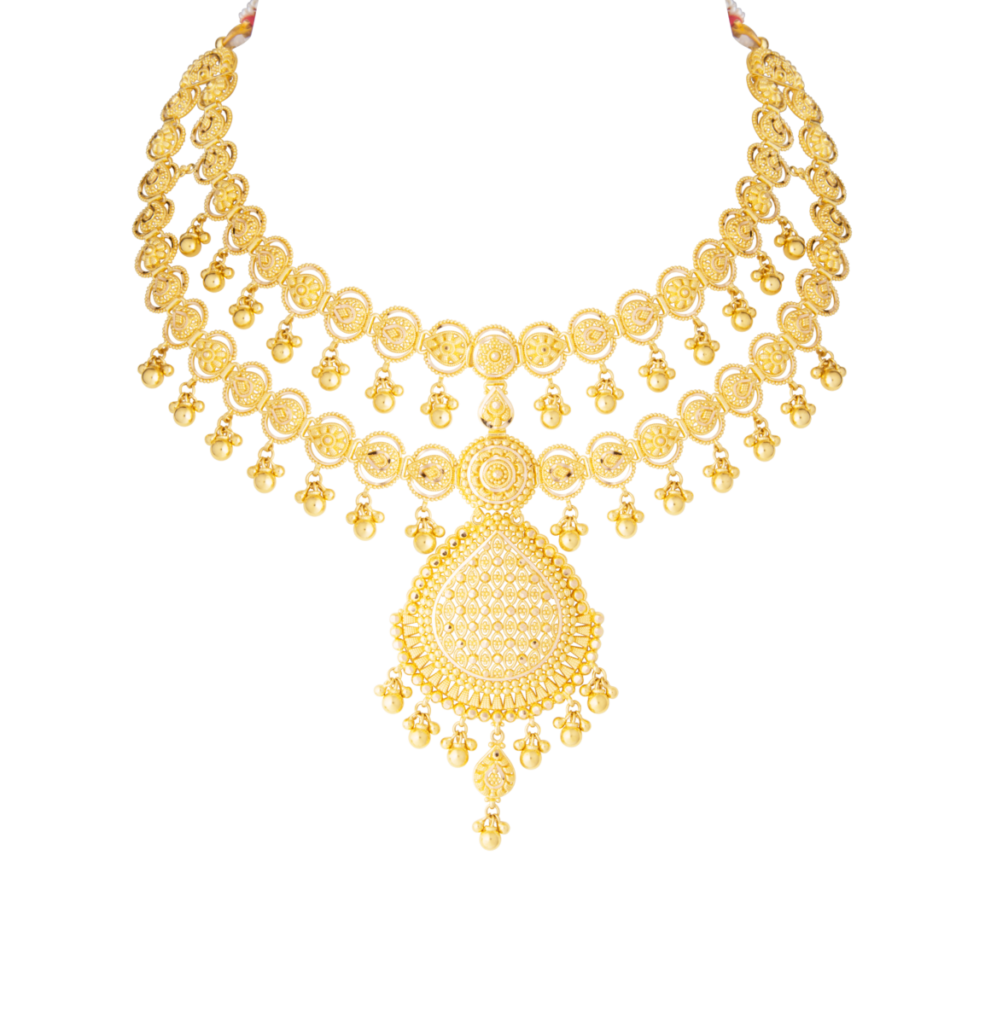
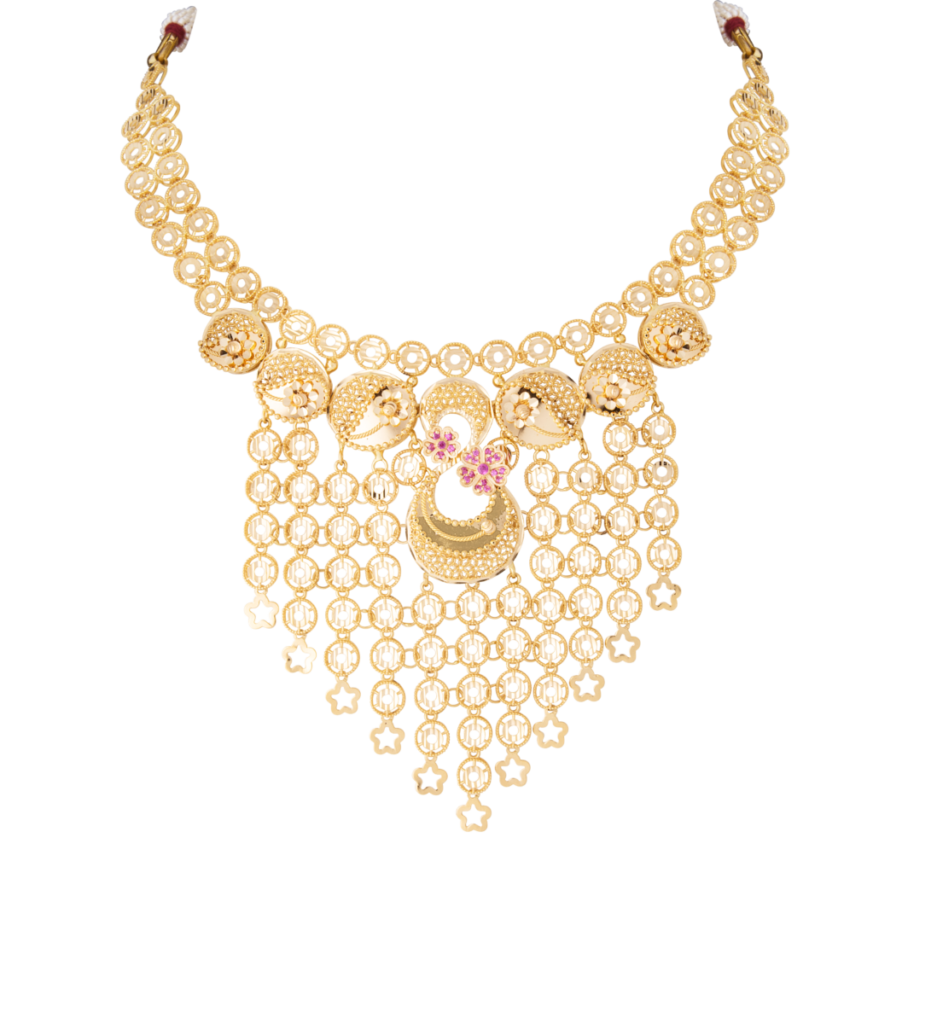
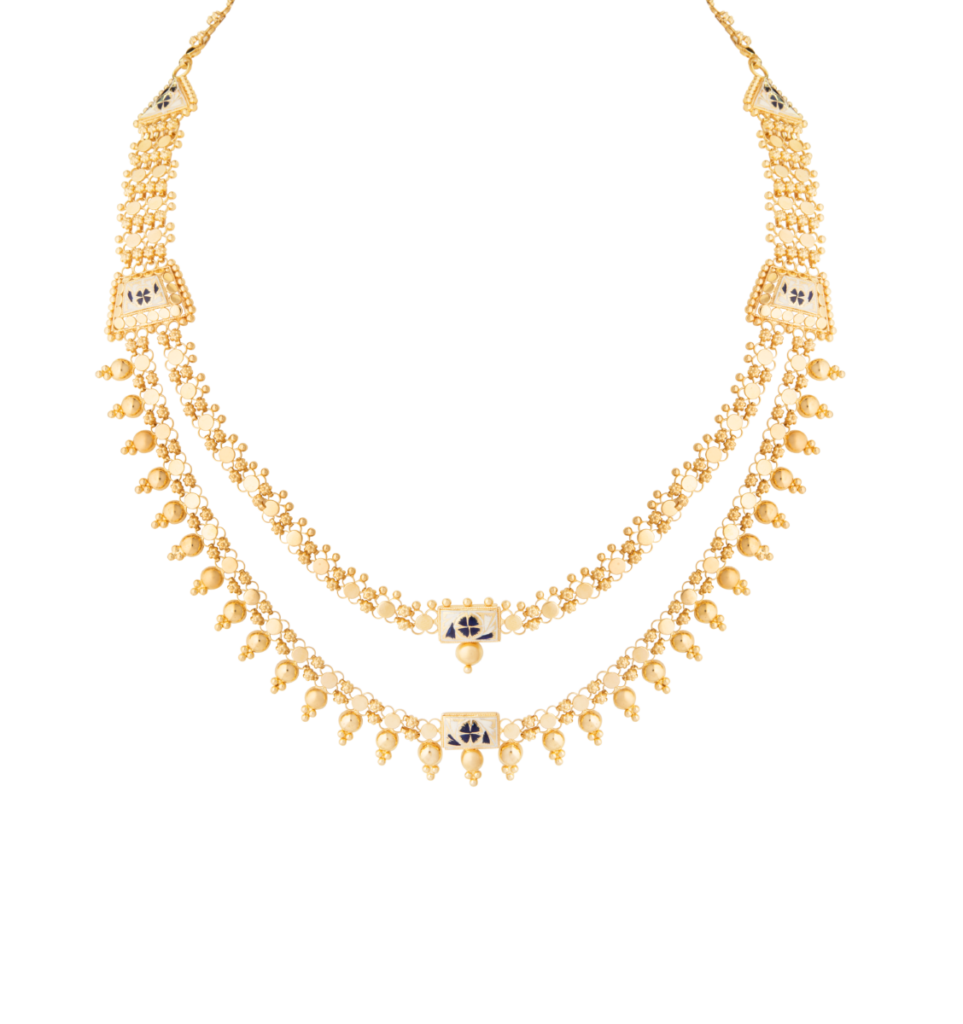
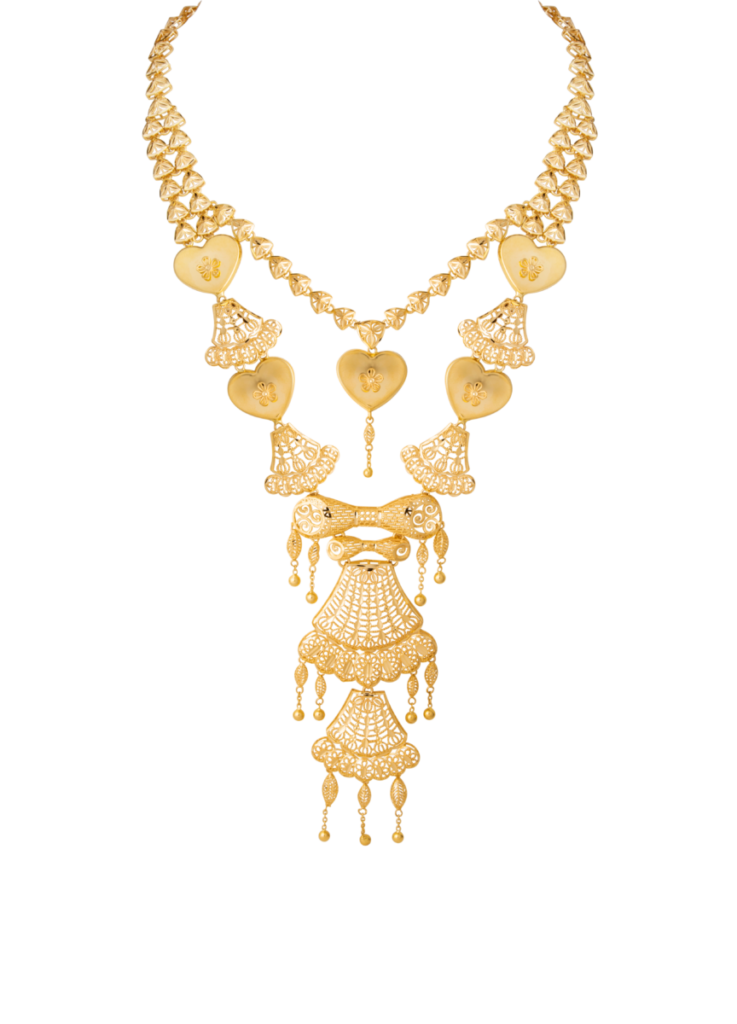
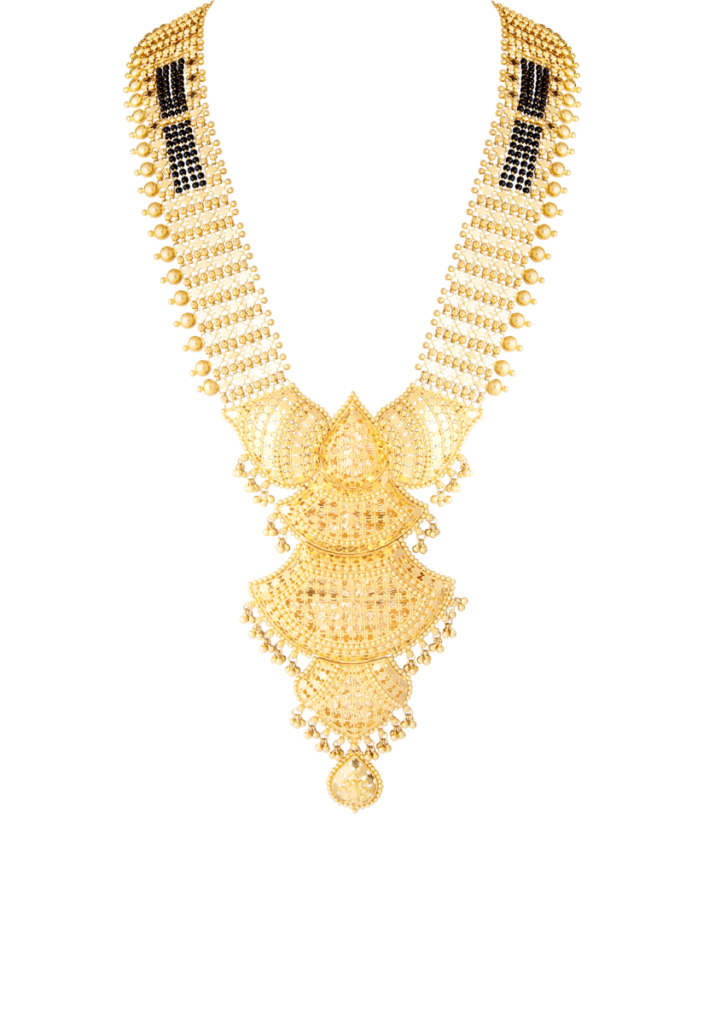
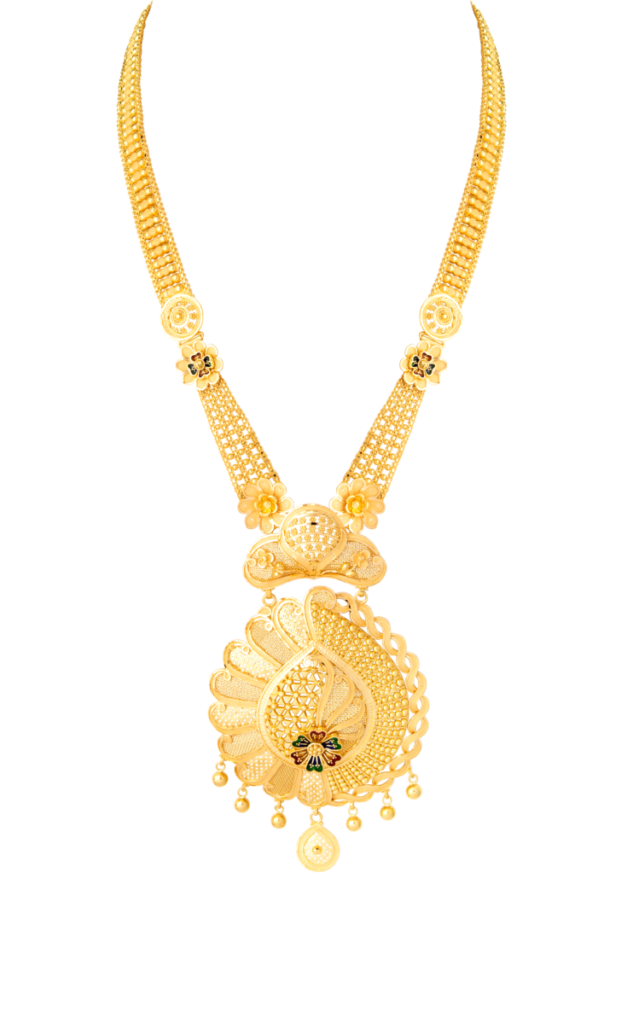
Our premium USP is undoubtedly our Kundan and D.Kundan bridal collection. These are handcrafted pieces of exceptional intricacy — necklaces, maangtika, haath phool, and matching sets — that represent the pinnacle of traditional jewellery craft. Brides travelling from across Vidarbha specifically to view this collection is not uncommon.
Together, these offerings allow us to serve a customer at every life stage — from her first gold purchase to her daughter’s wedding trousseau — and that full-lifecycle relationship is perhaps our deepest USP.
As the jewellery market evolves, Karan Kothari Jewellers remains firmly anchored in its core values while embracing innovation and growth. With a measured expansion strategy, continued investment in technology and customer engagement, and a stronghold in bridal, diamond, and traditional jewellery segments, the brand is well-positioned for the future. Its ability to seamlessly blend heritage with modernity, while maintaining unwavering customer trust, ensures that it will continue to be a preferred destination for generations to come across Vidarbha and beyond.



Legacy, Loyalty & Local Insight: How Karan Kothari Jewellers Is Shaping Vidarbha’s Jewellery Narrative

Fiona Diamonds: Combining AI, Sustainability, Customization and Allure Of LGD

Reimagining Luxury Jewellery Retail: How Technology Is Empowering The New-Age Indian Consumer

Regal Jewellers appoints Vijay Sethupathi and Simran as brand ambassadors for Tamil Nadu
Fiona Diamonds: Combining AI, Sustainability, Customization and Allure Of LGD
Legacy, Loyalty & Local Insight: How Karan Kothari Jewellers Is Shaping Vidarbha’s Jewellery Narrative
-
 JB Insights8 minutes ago
Legacy, Loyalty & Local Insight: How Karan Kothari Jewellers Is Shaping Vidarbha’s Jewellery Narrative
-
 GlamBuzz18 hours ago
Regal Jewellers appoints Vijay Sethupathi and Simran as brand ambassadors for Tamil Nadu
-
 JB Insights40 minutes ago
Fiona Diamonds: Combining AI, Sustainability, Customization and Allure Of LGD
-
 International News18 hours ago
Fluorescent Diamonds: GIA to Introduce Clearer Guidance
