
National News
RBI issues guidelines for loans against silver


The Reserve Bank of India (RBI) has introduced a formal, standardized framework for loans against silver, which will be fully effective from April 1, 2026. These new guidelines bring silver lending under a unified regulatory umbrella, similar to existing gold loan regulations, to protect borrowers and formalize the market.
Key RBI Guidelines for Loans Against Silver
The “Reserve Bank of India (Lending Against Gold and Silver Collateral) Directions, 2025” establish the following rules for all regulated entities, including commercial banks and Non-Banking Financial Companies (NBFCs):
- Eligible Collateral: Only silver jewellery, ornaments, and coins with a minimum purity of 925 (sterling silver) are accepted.
- Ineligible Collateral: Loans cannot be offered against primary silver (bullion, bars, or slabs), or financial products like Silver Exchange-Traded Funds (ETFs) or mutual funds.
- Collateral Limits: A borrower can pledge up to a maximum of 10 kilograms of silver ornaments and up to 500 grams of silver coins.
- Loan-to-Value (LTV) Ratio: The maximum LTV (loan amount as a percentage of the silver’s value) is tiered based on the loan amount:
- 85% for loans up to Rs.5 lakh.
- 80% for loans between Rs2.5 lakh and ₹5 lakh.
- 75% for loans above Rs.5 lakh.
- Valuation: Silver collateral is valued based on its intrinsic value and actual purity. The reference price will be the lower of (a) the average closing price over the preceding 30 days or (b) the closing price of the preceding day, as published by the India Bullion and Jewellers Association Ltd. (IBJA) or a SEBI-regulated commodity exchange.
- Loan Purpose: The guidelines cover loans for consumption and income generation purposes. Lenders are generally prohibited from extending loans for the speculative purchase of silver.
- Borrower Protection: Lenders must follow standardized procedures for purity checks, provide clear loan terms in the borrower’s language, and securely store the collateral. Penalties are in place for delayed release of collateral after full repayment (₹5,000 per day after seven working days).
- No Re-pledging: Lenders are prohibited from re-pledging the silver collateral to other entities.


National News
Make Karwa Chauth Special With Palmonas 9KT Gold Mangalsutra Collection
Make Karwa Chauth Special With Palmonas 9KT Gold Mangalsutra Collection


This Karwa Chauth, Palmonas presents its 9KT Gold Lab-Grown Diamond Collection, offering thoughtful gifting options for a celebration rooted in love and togetherness. Featuring mangalsutras and a mangalsutra bracelet, the collection brings together 9KT gold, lab-grown diamonds, and contemporary designs, making it a meaningful choice for those looking to mark the occasion with a piece of jewellery that carries personal significance.
The Endless Love Infinity 9KT Gold Lab-Grown Diamond Mangalsutra features an infinity-inspired pendant, symbolising an enduring bond and everlasting love. Set with sparkling lab-grown diamonds, its fluid silhouette brings a contemporary finish to a design rooted in the idea of continuity and commitment.
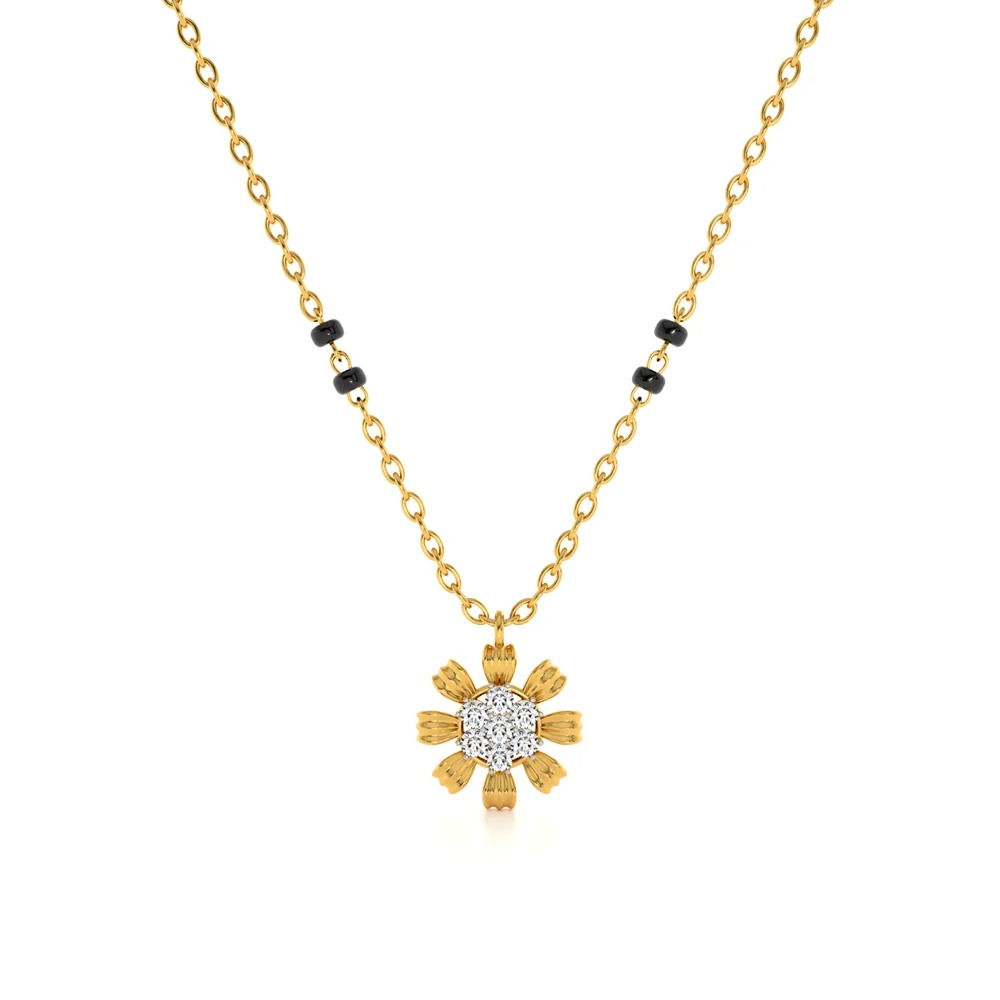
The Petalburst Glow 9KT Gold Lab-Grown Diamond Mangalsutra draws inspiration from the beauty of blooming flowers. Its floral pendant, detailed with radiant lab-grown diamonds arranged in a petal-like pattern, represents growth, new beginnings and blossoming love. The design balances delicate detailing with a refined, modern aesthetic.
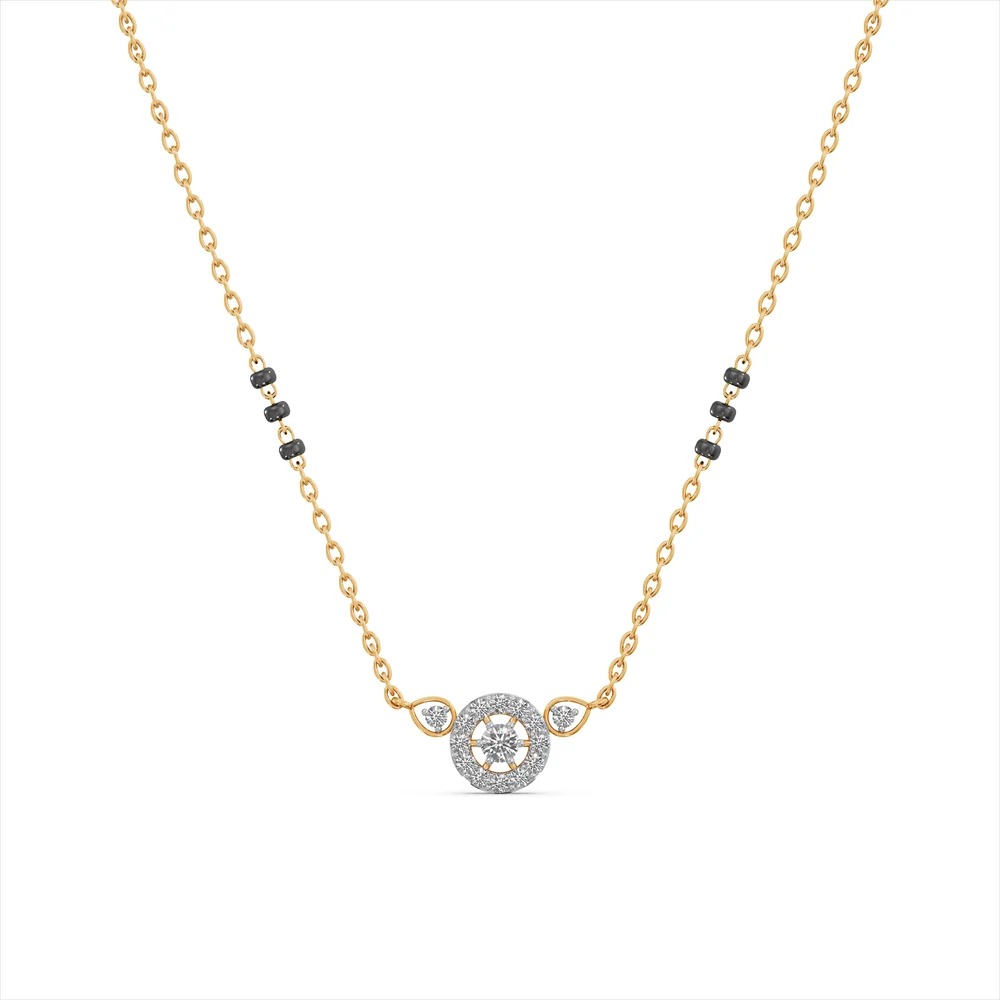

Completing the collection, the Royal Circle 9KT Gold Lab-Grown Diamond Mangalsutra features a circular pendant defined by symmetry and intricate detailing. The balanced arrangement lends the design a sense of completeness, while its considered craftsmanship adds a touch of understated elegance.
Extending the collection beyond traditional necklace designs, the Sacred Heart 9KT Gold Lab-Grown Diamond Mangalsutra Bracelet offers a contemporary take on mangalsutra-inspired jewellery. Its delicate heart motif, paired with an infinity-inspired design, reflects the enduring nature of love. Subtle stone detailing adds a hint of sparkle, making it a minimal design suited to everyday styling.




Make Karwa Chauth Special With Palmonas 9KT Gold Mangalsutra Collection

First time In India, Golu Showcase Made Entirely Of Silver and Gold At Challani House Of Silver

MMTC-PAMP Unveils Jyoti 2gm Gold Coin, Celebrating The Spirit Of Dhanteras and Diwali
First time In India, Golu Showcase Made Entirely Of Silver and Gold At Challani House Of Silver
Make Karwa Chauth Special With Palmonas 9KT Gold Mangalsutra Collection
MMTC-PAMP Unveils Jyoti 2gm Gold Coin, Celebrating The Spirit Of Dhanteras and Diwali
-
 National News19 hours ago
First time In India, Golu Showcase Made Entirely Of Silver and Gold At Challani House Of Silver
-
 National News18 hours ago
Make Karwa Chauth Special With Palmonas 9KT Gold Mangalsutra Collection
-
 National News20 hours ago
MMTC-PAMP Unveils Jyoti 2gm Gold Coin, Celebrating The Spirit Of Dhanteras and Diwali
-

 National News21 hours ago
GIA Board Of Governors In India To Discuss Industry Priorities and Expand Grading Services Scope
