
DiamondBuzz
Prices of fancy-color diamonds show initial signs of market stabilization: Fancy Color Research Foundation
Fancy-color diamond prices dip 0.5% in Q2, but select categories signal early recovery: FCRF

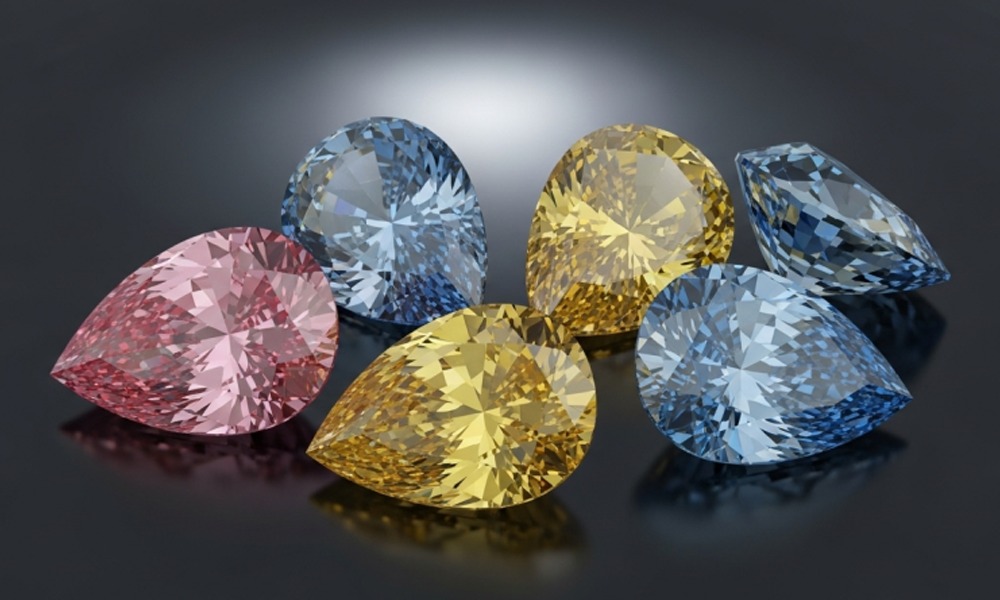
Prices of fancy-color diamonds slid 0.5% in the second quarter, but upward price reversals in several sizes and intensities show initial signs of market stabilization, according to the Fancy Color Research Foundation (FCRF).
Pink prices dipped 0.4% compared with the previous quarter. However, the data points to optimism, with the hue comprising four of the top five climbers, the FCRF said last week. Fancy-vivid-pink diamonds weighing 1 carat increased the most — 1.8% — while 1-carat fancy-intense pinks rose 1.5% and 10-carat fancy-vivid pinks were up 1.2%. Fancy-vivid pinks weighing 5 carats stole the final slot on the climber list, with a 1.1% bump.
The fancy-blue segment slid 0.3%, marking an improvement from the 0.5% drop in the first quarter. The 1.50-carat, fancy-vivid blue category topped the list of climbers with a 1.5% increase. Meanwhile, fancy-blue diamonds weighing 8 carats improved by 0.7%, and 1.50-carat, fancy-blue stones held strong following a 0.3% fall in the first quarter.
Yellow fancy-color prices fell 0.7% and landed four of the “top five sliders” slots. Fancy-intense yellows weighing 3 carats fell 3%; 10-carat fancy yellows slid 2.6%; 2-carat, fancy-intense-yellow diamonds dipped 2.5%; and 1-carat fancy-intense yellows decreased 2.2%
Since the FCRF began collecting data in 2005, yellow-diamond prices have increased 48%, pink diamonds have risen 391%, and blue diamonds have grown 241%.
Relative to the same period last year, the index decreased 2.4% despite some subgroups experiencing growth. Pink diamonds fell 1.4% year on year, while fancy blues posted a 1.9% decrease, demonstrating relative stability. Yellows slid 5%.








DiamondBuzz
Richemont and Signet Jewelers Could Join Global Diamond Consortium In Bid For De Beers
Richemont, Signet Would Connect The Consortium To Key Global Growth Vectors Spanning Luxury High Jewelry and Mass-Market Retail.


The Global Diamond Consortium (GDC)
Richemont and Signet Jewelers are reported to be in talks about joining the Global Diamond Consortium (GDC), the preferred bidder for De Beers according to a Bloomberg News report.
GDC was selected in July 2026 as one of Anglo American’s preferred bidders for De Beers as part of Anglo American’s ongoing corporate restructuring.
The potential inclusion of Richemont—owner of luxury Maisons including Cartier and Van Cleef & Arpels—and Signet Jewelers—the world’s largest retailer of diamond jewelry, operating brands such as Kay Jewelers, Zales, and Jared—would connect the consortium to key global growth vectors spanning luxury high jewelry and mass-market retail.
Strengthening the Natural Diamond Ecosystem: Participation by major luxury brands and global retail leaders reinforces commitment across the entire value chain—from responsible mining and manufacturing to consumer engagement.
Balanced Governance Structure: Discussions center on potential minority equity positions that would support long-term category growth while maintaining appropriate separation between ownership and commercial strategy.
Broad Stakeholder Participation: The consortium continues to advance talks with host governments, including discussions with the Government of Botswana regarding a potential increase in its equity share in De Beers from 15% to approximately 25%, alongside participation from private investors and southern African host nations.
Discussions between GDC, Richemont, Signet, and participating government stakeholders remain ongoing. Terms of any potential participation, including the size of equity interests, have not been finalized and remain subject to regulatory approvals and definitive documentation.



Belgian Consul General H. E. Mr. Pierre Stverlynck Graces BDB Annual Day

Limelight Lab Grown Diamonds Crosses 100 Stores Milestone This Dussehra: Targets 200 In 2027

Joyalukkas Opens Its 2nd Bengaluru Showroom in Jayanagar

US Holiday Shopping Expected To Top $1 Trillion For The First Time: NRF
Belgian Consul General H. E. Mr. Pierre Stverlynck Graces BDB Annual Day
Limelight Lab Grown Diamonds Crosses 100 Stores Milestone This Dussehra: Targets 200 In 2027
-
 International News20 hours ago
US Holiday Shopping Expected To Top $1 Trillion For The First Time: NRF
-
 National News14 hours ago
Belgian Consul General H. E. Mr. Pierre Stverlynck Graces BDB Annual Day
-
 National News15 hours ago
Limelight Lab Grown Diamonds Crosses 100 Stores Milestone This Dussehra: Targets 200 In 2027
-
 New Premises16 hours ago
Joyalukkas Opens Its 2nd Bengaluru Showroom in Jayanagar
