
DiamondBuzz
New Indian Standard Removes Ambiguity, Reserves “Diamond” for Natural Diamonds
This new BIS standard ensures that consumers can clearly distinguish between natural diamonds and laboratory-grown alternatives through mandatory disclosure and standardised terminology.

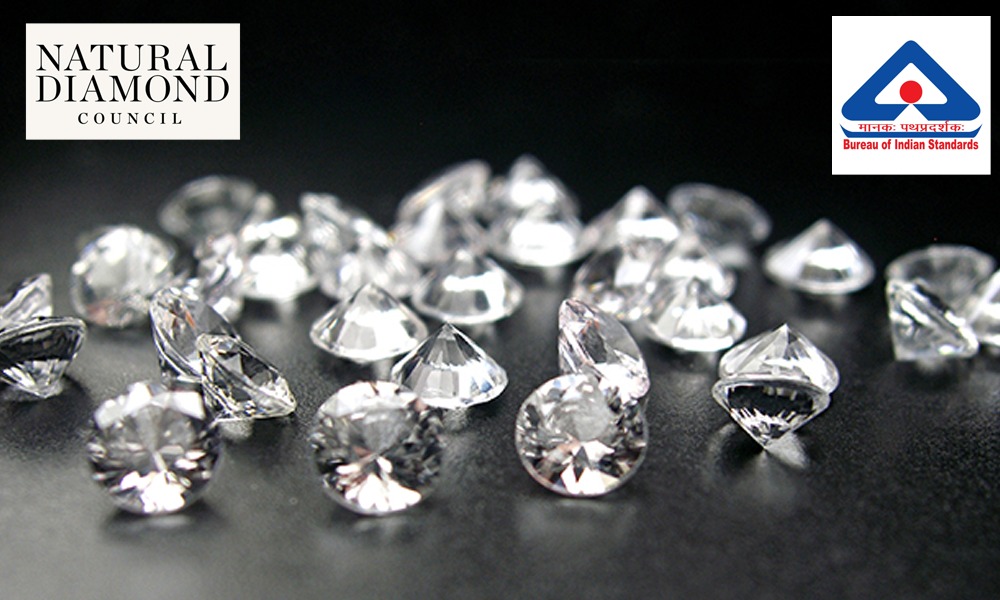
The Indian gem and jewellery industry has long faced challenges arising from the use of multiple, inconsistent, and often ambiguous terms to describe diamonds and their alternatives—particularly in digital and e-commerce environments. This lack of formal guidance has contributed to consumer confusion and inconsistent disclosure practices across the market.
The Natural Diamond Council (NDC) welcomes the adoption of IS 19469:2025 by the Bureau of Indian Standards (BIS), a modified adoption of ISO 18323:2015 – Jewellery: Consumer Confidence in the Diamond Industry. The new standard introduces a clear and enforceable framework for diamond terminology, establishing a definitive distinction between natural diamonds and laboratory-grown diamonds. By doing so, it strengthens consumer protection and supports the long-term credibility and integrity of the Indian diamond jewellery sector.
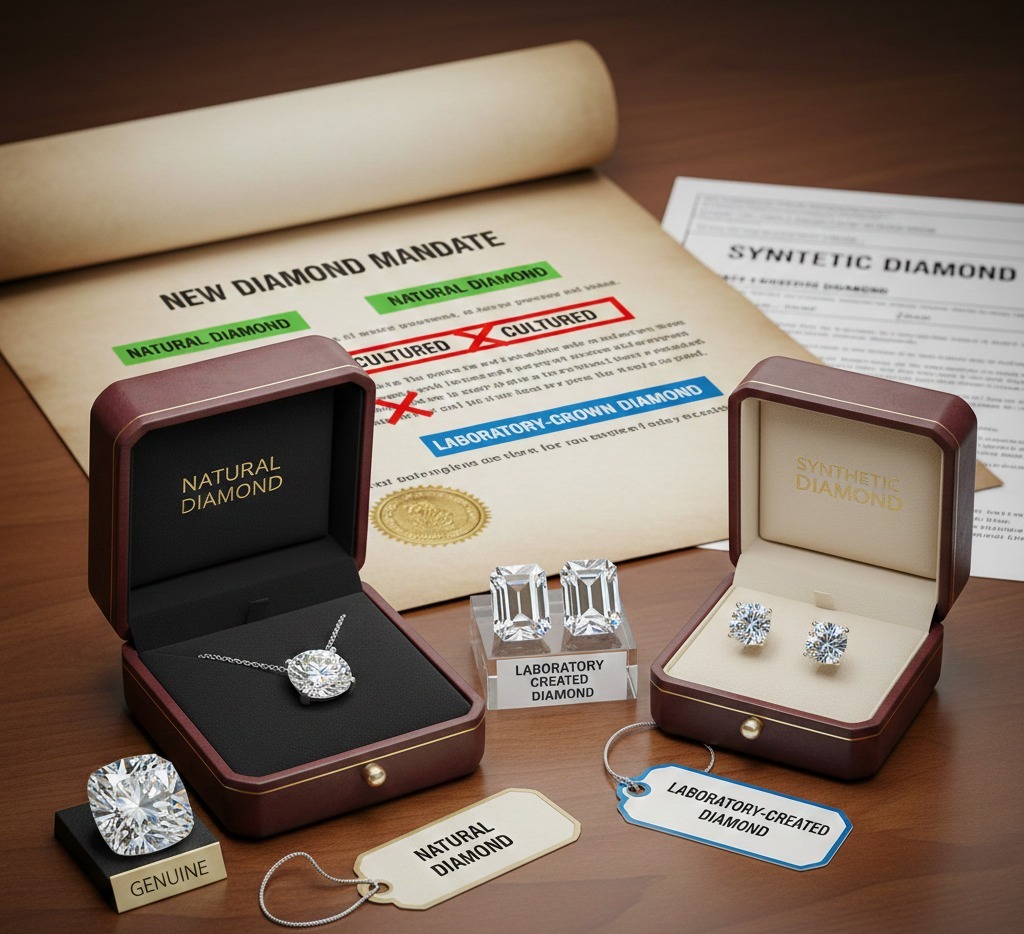
The new mandate claims that the term “diamond” applies exclusively to natural diamonds, as the word used alone always implies a natural origin. Under these rules, traders are permitted to use qualifiers such as “natural,” “real,” “genuine,” or “precious” to describe natural diamonds. The use of other terms like mined diamond, earth-mined diamond etc, are not permitted.
For laboratory-grown diamonds, the standard requires explicit and immediate disclosure at all times. Only the terms “laboratory-grown diamond” or “laboratory-created diamond” are permitted for commercial use. The standard expressly prohibits the use of misleading or promotional qualifiers—including nature’s, earth-friendly, conflict-free pure, cultured, or similar terms—that may imply equivalence with natural diamonds. The term “Synthetic Diamond” may be used in commercial documents or import/export documents, if so, required, under the laws or the regulation of any country, which such diamonds are to be exported, or from which such diamonds are to be imported.

Commenting on the development, Richa Singh, Managing Director, Natural Diamond Council, said: “Consumer protection is central to everything we do at the Natural Diamond Council. Clear, consistent terminology is essential to maintaining trust. By eliminating ambiguity and mandating full disclosure, these standards protect industry integrity and ensure consumers can confidently distinguish between a natural diamond and a laboratory-grown diamond.”
The Natural Diamond Council remains committed to working closely with BIS, Indian authorities, trade bodies, and industry stakeholders to support the correct implementation and enforcement of this terminology framework. By eliminating misleading descriptors and establishing consistent disclosure, the industry collectively safeguards the emotional and financial integrity of the diamond-buying experience.


DiamondBuzz
Richemont and Signet Jewelers Could Join Global Diamond Consortium In Bid For De Beers
Richemont, Signet Would Connect The Consortium To Key Global Growth Vectors Spanning Luxury High Jewelry and Mass-Market Retail.


The Global Diamond Consortium (GDC)
Richemont and Signet Jewelers are reported to be in talks about joining the Global Diamond Consortium (GDC), the preferred bidder for De Beers according to a Bloomberg News report.
GDC was selected in July 2026 as one of Anglo American’s preferred bidders for De Beers as part of Anglo American’s ongoing corporate restructuring.
The potential inclusion of Richemont—owner of luxury Maisons including Cartier and Van Cleef & Arpels—and Signet Jewelers—the world’s largest retailer of diamond jewelry, operating brands such as Kay Jewelers, Zales, and Jared—would connect the consortium to key global growth vectors spanning luxury high jewelry and mass-market retail.
Strengthening the Natural Diamond Ecosystem: Participation by major luxury brands and global retail leaders reinforces commitment across the entire value chain—from responsible mining and manufacturing to consumer engagement.
Balanced Governance Structure: Discussions center on potential minority equity positions that would support long-term category growth while maintaining appropriate separation between ownership and commercial strategy.
Broad Stakeholder Participation: The consortium continues to advance talks with host governments, including discussions with the Government of Botswana regarding a potential increase in its equity share in De Beers from 15% to approximately 25%, alongside participation from private investors and southern African host nations.
Discussions between GDC, Richemont, Signet, and participating government stakeholders remain ongoing. Terms of any potential participation, including the size of equity interests, have not been finalized and remain subject to regulatory approvals and definitive documentation.



Joyalukkas Opens ‘Jewel Of Joy,’ The Biggest jewellery Destination In The Middle East’s At Dubai Gold District.

PNG Jewellers Brings Madhuri Dixit and Ranbir Kapoor Together In Its New Brand Campaign, Unstoppable Legacy

GJEPC, IndusInd Bank Host Webinar On FEMA Guidelines For GJ Exporters

US Holiday Shopping Expected To Top $1 Trillion For The First Time: NRF
Joyalukkas Opens ‘Jewel Of Joy,’ The Biggest jewellery Destination In The Middle East’s At Dubai Gold District.
GJEPC, IndusInd Bank Host Webinar On FEMA Guidelines For GJ Exporters
-
 International News7 hours ago
US Holiday Shopping Expected To Top $1 Trillion For The First Time: NRF
-
 New Premises4 hours ago
Joyalukkas Opens ‘Jewel Of Joy,’ The Biggest jewellery Destination In The Middle East’s At Dubai Gold District.
-
 National News7 hours ago
GJEPC, IndusInd Bank Host Webinar On FEMA Guidelines For GJ Exporters
-
 BrandBuzz4 hours ago
PNG Jewellers Brings Madhuri Dixit and Ranbir Kapoor Together In Its New Brand Campaign, Unstoppable Legacy
