JB Insights
Maharashtra’s landmark Gem & Jewellery Policy 2025 — aims to attract investments worth ₹1 lakh crore and create over 5 lakh new jobs

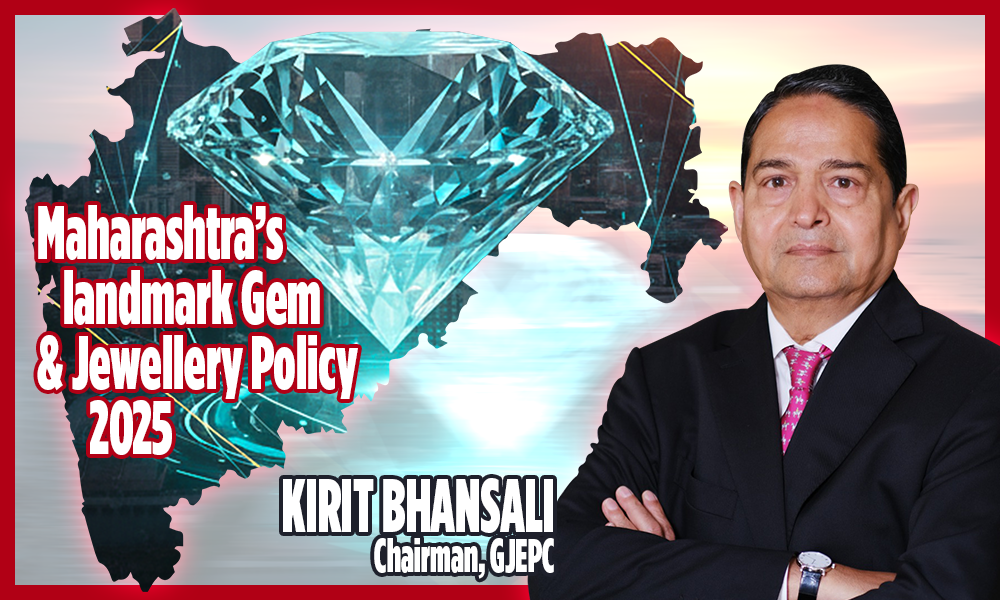
In a landmark move, the Government of Maharashtra today announced the Maharashtra State Gem & Jewellery Policy 2025, becoming the first state in India to introduce a dedicated policy for the gem and jewellery sector. The policy aims to attract investments worth Rs.1 lakh crore and create over 5 lakh new jobs, marking a major step towards transforming Maharashtra into a global hub for jewellery manufacturing, exports, and design.
The Gem & Jewellery Export Promotion Council (GJEPC), has been actively working with the Department of Industries, Government of Maharashtra, for the past one and a half years on developing this policy framework. Through several consultations and stakeholder meetings, GJEPC provided valuable inputs to ensure that the policy addresses the industry’s evolving needs — from manufacturing and infrastructure to skilling and export facilitation.
Ambitious Financial Goals:
- Rs.1 lakh crore investment target
- 5 lakh+ new jobs expected
- Focus on transforming Maharashtra into a global manufacturing and export hub
These numbers suggest a transformative vision rather than incremental growth, indicating the government’s commitment to making this a flagship industrial initiative.
Policy Framework Strengths
- Collaborative Development Process: The 18-month consultation period with GJEPC demonstrates a stakeholder-driven approach, which typically leads to more implementable policies that address real industry pain points.
- Comprehensive Ecosystem Approach: The policy addresses multiple dimensions:
- Manufacturing infrastructure
- Export facilitation
- Skill development and training
- Technology upgradation
- Innovation and design
- Ease of doing business reforms
- Value Chain Coverage: From raw material processing to finished goods, design, and exports—suggesting a holistic industry development strategy.
Skill Development Infrastructure:
- Partnership with ITIs and design institutes
- Certification programs aligned with international standards
- Bridging the gap between traditional craftsmanship and modern technology
Export Competitiveness:
- Logistics and connectivity to ports (Mumbai advantage)
- Compliance support for international quality standards
- Trade finance and working capital facilitation
Technology Adoption:
- Support for CAD/CAM technology
- 3D printing and digital design capabilities
- Lab-grown diamond manufacturing (emerging segment)
Economic Impact Potential
Direct Benefits:
- Employment generation across skill levels (artisans to designers)
- Export revenue growth
- Ancillary industry development (packaging, logistics, security)
Indirect Benefits:
- Tourism linkage (jewellery retail and exhibition hubs)
- MSME ecosystem growth
- Financial services demand

Expressing his gratitude to the state leadership, Kirit Bhansali, Chairman, GJEPC, said: “We are deeply thankful to the Hon’ble Chief Minister, Shri Devendra Fadnavis, for his visionary leadership in announcing India’s first State Gem & Jewellery Policy. This landmark initiative will not only strengthen Maharashtra’s position as a leading jewellery manufacturing centre but also bring about a qualitative leap in areas such as skilling, technology upgradation, and value addition.
With this policy, we foresee new opportunities for investment, innovation, and job creation — paving the way for Maharashtra to set new global benchmarks in the gems and jewellery sector.”
“I would also like to express my sincere gratitude to Shri Uday Samant, Hon’ble Minister for Industries, Government of Maharashtra, for his proactive guidance and steadfast support in driving this landmark policy.”
The Maharashtra State Gem & Jewellery Policy 2025 is expected to enhance the competitiveness of the industry, attract domestic and international investors, and further cement Maharashtra’s role as the heart of India’s jewellery economy.




JB Insights
US Holiday Sales Will See 5.5% Growth For 2026 : Mastercard Economics Institute
This Resilience Reflects A Robust Labor Market, Rising Household Wealth, and Broad-Based Consumer Demand Across Income Cohorts. Overall, The 2026 Holiday Season Showcases An Adaptable U.S. Consumer Using Digital and AI Tools To Maximize Value While Continuing To Drive Broader Economic Momentum.

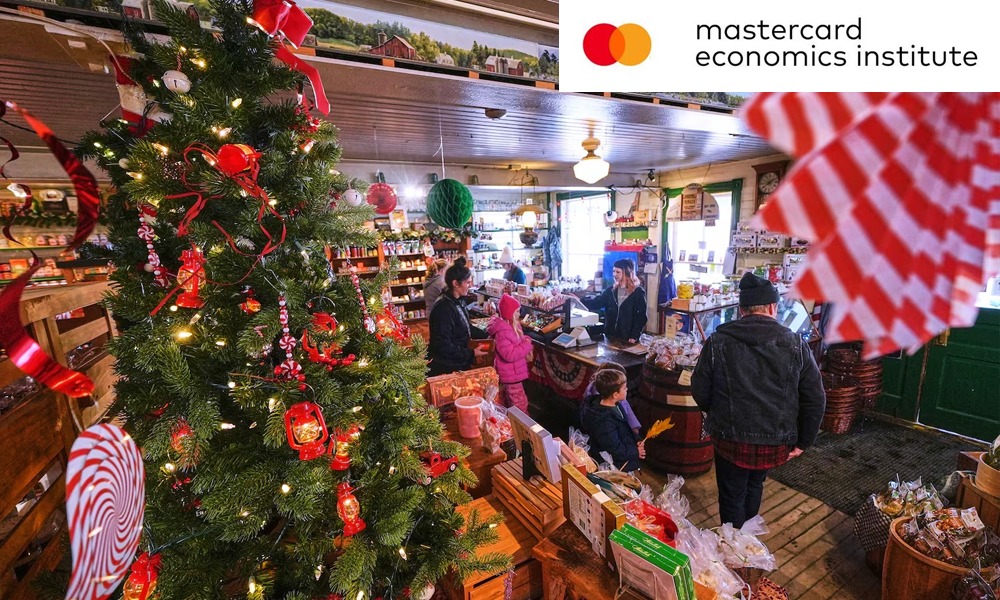
The Mastercard Economics Institute (MEI) forecasts a strong 2026 U.S. holiday shopping season (November 1–December 24), projecting retail sales excluding gas and autos to grow 5.5% year-over-year (YoY). This resilience reflects a robust labor market, rising household wealth, and broad-based consumer demand across income cohorts.
Key Drivers and Growth Channels
- Channel Performance: E-commerce continues to lead with an expected 11% YoY growth, but in-store sales are set to grow 3.6%—their strongest pace since 2022. This highlights the critical role of omnichannel strategies.
- Inflation Dynamics: Inflation accounts for 2.8 percentage points of the total 5.5% growth. Unlike last year’s tariff pressures, current price increases are driven by elevated energy/diesel costs and the massive AI infrastructure buildout.
- Calendar Shifts: A late Thanksgiving compresses the shopping window, pushing retailers toward early promotions. Additionally, Cyber Monday falling in November will shift significant online volume into the month.
The Role of Artificial Intelligence
AI is reshaping both prices and consumer behavior:
- Tech Inflation: High demand for memory chips and data infrastructure components has driven a 12.2% YoY increase in prices for info-processing equipment. Consequently, the consumer electronics category is projected to post outsized nominal sales growth (+10.7% YoY).
- AI Power Users: Consumers with paid AI subscriptions demonstrate distinct “optimization” habits. Data shows these users plan early, shop across a wider variety of boutique and specialty merchants, and aggressively target promotions during Thanksgiving weekend before transitioning to experience and hospitality spending in December.
Last-Minute Shopping Behavior
The final rush to Christmas offers key operational insights for retailers:
- In-Person and Malls: The final week before Christmas sees heavy physical store foot traffic, especially in enclosed shopping malls where consumers can complete multi-category purchases. Climate also plays a role: warmer-state residents (e.g., Florida, Nevada) are far more likely to make last-minute in-store runs than those in colder states.
- Transaction Value Trends: Average order values for children’s items peak near Black Friday, while premium categories—such as jewelry, cosmetics, luxury handbags, and department stores—see transaction values climb steadily from December 15, peaking on Christmas Eve as procrastinating shoppers pay a premium for convenience.
AI tools lower search costs for consumers, making price transparency higher than ever. Retailers must capture early November demand through targeted promotions before comparison tools push shoppers toward alternative or boutique brands.
Last-minute shoppers are price-inelastic and seeking speed. Malls and physical stores should maximize inventory for high-margin, rush-gift items (jewelry, cosmetics, designer goods, gift cards) in the final 10 days, leveraging store availability over promotional discounting.
Overall, the 2026 holiday season showcases an adaptable U.S. consumer using digital and AI tools to maximize value while continuing to drive broader economic momentum.



BIS Introduces The Silver Refinery Certification Scheme; Framework Introduces “India Good Delivery For Silver”

Navratri Edit By DAIMANTÉ: 9 Pendants, 9 Expressions Of Intention

Reva By PNGS Appoints Sharvari As Its First-Ever Brand Ambassador

Aspect Bullion & Refinery Launches “India’s Biggest Gold Fest” With Zero Making Charges On Gold Coins and Bars

Diamonds Lead The Luxury Wishlist, New Consumer Index Finds

GJEPC, ECGC Programme Underlines Recent Changes In Export Credit Insurance For The GJ Sector.
-
 National News2 hours ago
Aspect Bullion & Refinery Launches “India’s Biggest Gold Fest” With Zero Making Charges On Gold Coins and Bars
-
 National News4 hours ago
Diamonds Lead The Luxury Wishlist, New Consumer Index Finds
-
 National News2 hours ago
GJEPC, ECGC Programme Underlines Recent Changes In Export Credit Insurance For The GJ Sector.
-
 National News27 minutes ago
BIS Introduces The Silver Refinery Certification Scheme; Framework Introduces “India Good Delivery For Silver”