
JB Insights
India Gold Conference 2025 concludes as a pivotal forum for the gold bullion industry
Marked by both high-level policy discussions and high-stakes regulatory debates

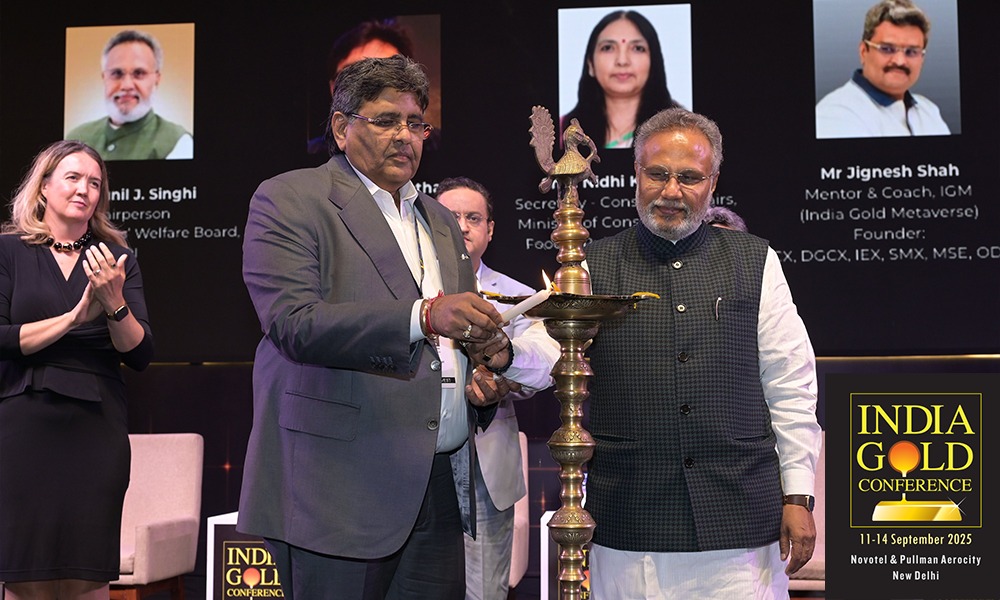
The India Gold Conference (IGC) 2025 at Pullman & Novotel Aerocity concluded as a pivotal forum for the gold bullion industry, marked by both high-level policy discussions and high-stakes regulatory debates. The event kicked off with presentations on practical issues like “Avoiding Disputes in Bullion Imports” and an inaugural session headlined by Smt. Nidhi Khare, IAS, Secretary of Consumer Affairs, alongside global leaders from the LBMA, MCX, and IBJA. The first evening also featured a Digital Vision Address by Jignesh Shah on gold’s future relevance against cryptocurrencies, culminating in the IGC Excellence Awards.
The core of the conference, however, centered on five structured debates over critical policy areas. These heated sessions tackled the necessity of harmonizing customs duties, whether accredited refiners should be exempted from bullion hallmarking, the feasibility of achieving a “One India, One price for Gold” across the market, the push for channeling all imports through a single gateway like IIBX, and the urgent need to regulate retail spot gold investment products. Supplemented by World Gold Council insights on consumer trends and presentations on logistics and digital transformation, the conference underscored the industry’s commitment to achieving greater transparency, global competitiveness, and a clear regulatory framework for India’s massive gold market.
This year’s edition witnessed the participation of over 683 delegates, including 59 eminent speakers, supported by 47 sponsors and partners, 8 supporting bodies and 23 exhibitors, making it one of the most impactful gatherings of the bullion and precious metals industry.
The next edition of the India Gold Conference will be held in Goa from 20-23 August 2026 at the Taj Cidade de Goa Horizon.


JB Insights
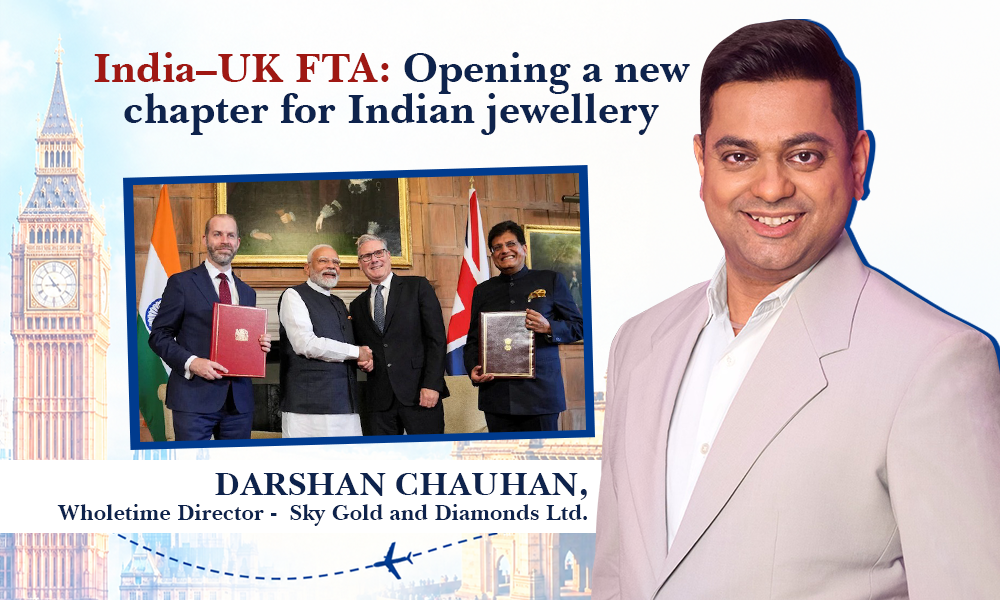
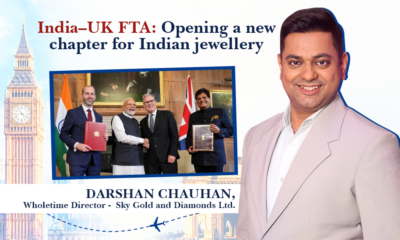
India–UK FTA: Opening A New Chapter For Indian Jewellery
By Darshan Chauhan, Wholetime Director- Sky Gold and Diamonds Ltd..

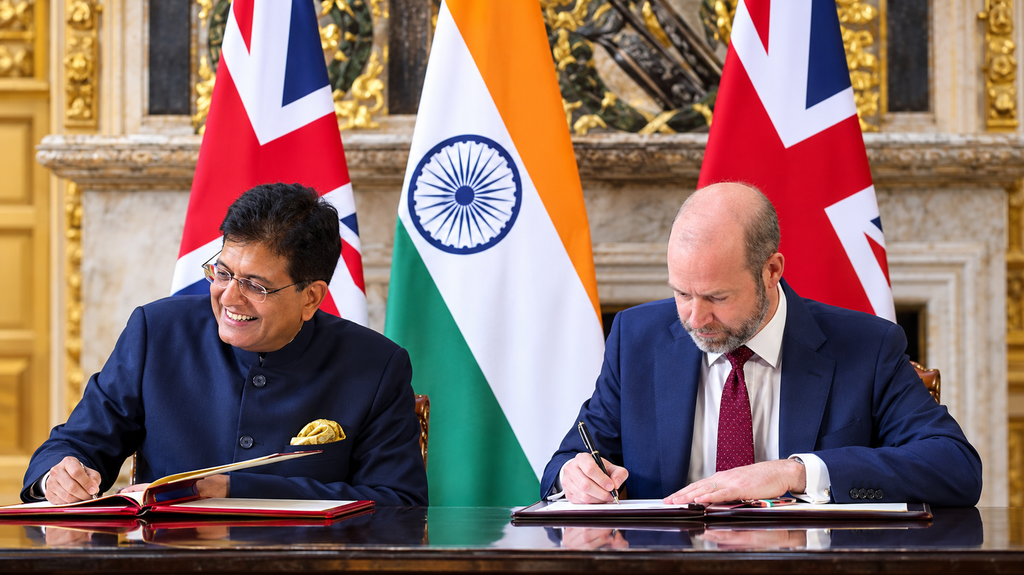
Trade agreements are often discussed in terms of tariffs, trade volumes and market access. But their real significance lies in what they enable businesses to do next. The India–UK Comprehensive Economic and Trade Agreement (CETA), which came into force on 15 July 2026, has the potential to create a stronger platform for Indian businesses to compete, collaborate and grow in one of the world’s most important markets.
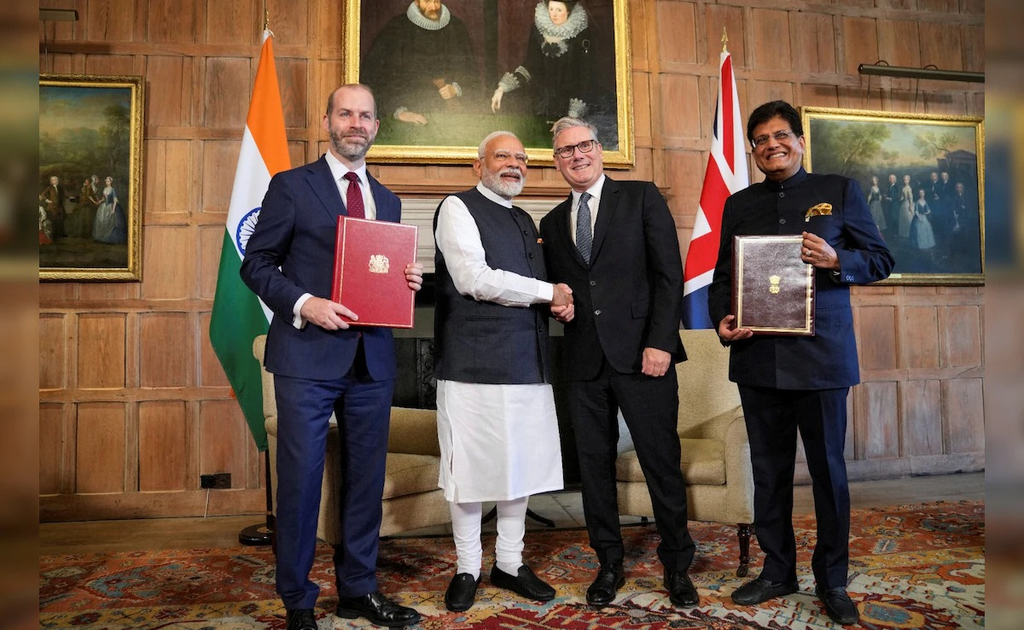
The agreement provides duty-free access to almost 99% of India’s exports to the UK, covering nearly the entire value of India’s trade with the country. For sectors such as gems and jewellery, this is particularly significant. India’s gems and jewellery exports to the UK currently stand at around US$1.03 billion, while the UK imports approximately US$4 billion worth of jewellery annually. This gap represents a substantial opportunity for Indian manufacturers and exporters to expand their presence and build stronger relationships in the market.
A meaningful opportunity for Indian jewellery

India has long been recognised globally for its jewellery craftsmanship. However, the country’s competitive strength today extends well beyond traditional artistry. Over the years, India has developed a sophisticated manufacturing ecosystem that combines skilled craftsmanship with CAD, CNC technology, advanced production processes, organised quality systems, design capabilities and professional merchandising.
The FTA can give this ecosystem greater global reach
Lower trade barriers can improve the competitiveness of Indian jewellery in the UK and create new opportunities across the value chain, from manufacturers and exporters to designers and artisans. Government estimates indicate that tariff relaxations could potentially double India’s gems and jewellery exports to the UK over the next two to three years.
However, market access alone will not determine who succeeds.
From supplier to strategic partner
The global jewellery business is moving beyond traditional supplier relationships towards strategic partnerships built around consumer insight, design, innovation and speed-to-market. India’s manufacturing strength offers a significant opportunity to move up the value chain—from production to design, product development, merchandising and market intelligence. Quality, flexibility, faster development, consistent replenishment and knowledge of international markets can position Indian manufacturers as indispensable growth partners.
The FTA provides market access; the next opportunity is for Indian jewellery companies to deliver greater value.
Trust remains the foundation
Jewellery is built on trust, with quality, purity, craftsmanship and reliability forming the foundation of every transaction. As Indian companies expand into international markets, sustaining these standards will be essential. Global growth must go beyond tariff benefits, supported by transparent processes, dependable supply chains and consistent quality. The UK opportunity lies not merely in increasing sales, but in building lasting relationships with customers and retail partners. Ultimately, trust and reliability will be key to establishing Indian jewellery as a respected global offering.
Positive sentiment after IIJS Bharat Premiere 2026
The timing of the FTA has also been encouraging from an industry perspective. The sentiment following IIJS Premiere reflected growing confidence across the jewellery trade, with conversations increasingly focused on international opportunities, new collections, product innovation and long-term business relationships.
For many businesses, international markets are no longer being viewed simply as additional export destinations. They are becoming an integral part of long-term growth strategies.
That optimism matters. A trade agreement can create favourable economic conditions, but it is the willingness of businesses to invest, innovate and pursue new opportunities that ultimately converts policy into growth.
The first day of the agreement itself provided an encouraging signal, with more than 50 export consignments worth over US$140 million reportedly flagged off under the preferential tariff regime, including gems and jewellery shipments.
Looking beyond tariffs
The India–UK FTA represents more than a tariff reduction; it offers Indian jewellery an opportunity to strengthen its position in global supply chains and expand its international footprint. With skilled craftsmanship, manufacturing expertise, design capabilities and an increasingly organized ecosystem, India is well placed to leverage this opportunity. Manufacturers must focus on innovation, technology, talent and quality, while exporters need to understand evolving consumer preferences, strengthen distribution and build long-term partnerships.
Catalyst for sustained expansion,
The agreement can help Indian jewellery gain greater recognition for its craftsmanship, design and reliability in the UK market. As global ambitions grow, the FTA could become a catalyst for sustained expansion, encouraging the industry to move beyond short-term exports and establish India as a trusted and influential global jewellery powerhouse.


-
 JB Insights1 hour ago
India–UK FTA: Opening A New Chapter For Indian Jewellery
-

 National News1 hour ago
Navigating Gold Loans During Repo Rate Hikes
-
 National News21 hours ago
GGJS 2026 Concludes With High-Volume Trade and Strategic Focus On Next-Gen Leadership
-
 National News2 hours ago
GJEPC Conducts Industry Knowledge Session In Meerut
