JB Insights
Maharashtra’s landmark Gem & Jewellery Policy 2025 — aims to attract investments worth ₹1 lakh crore and create over 5 lakh new jobs

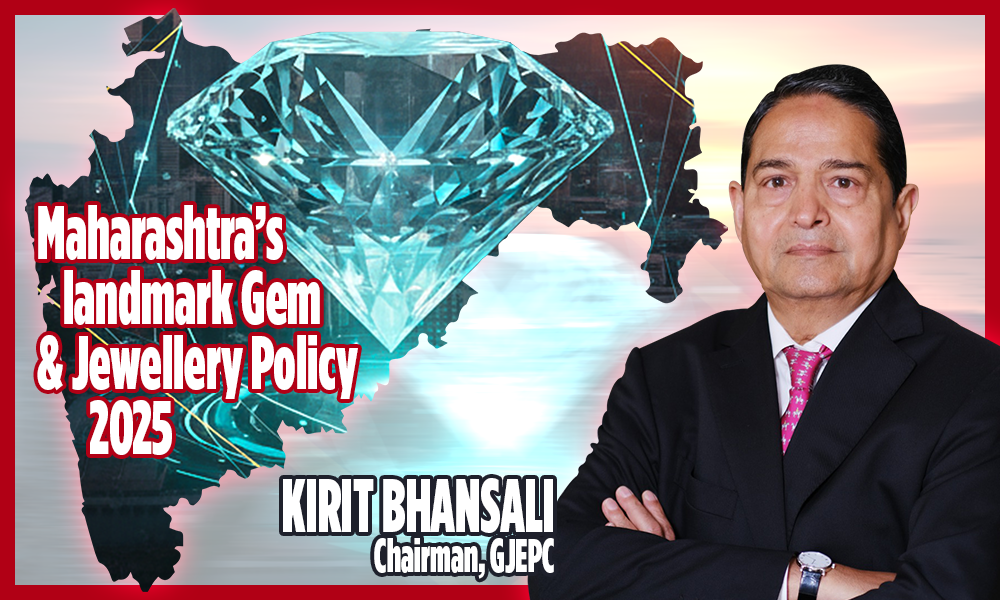
In a landmark move, the Government of Maharashtra today announced the Maharashtra State Gem & Jewellery Policy 2025, becoming the first state in India to introduce a dedicated policy for the gem and jewellery sector. The policy aims to attract investments worth Rs.1 lakh crore and create over 5 lakh new jobs, marking a major step towards transforming Maharashtra into a global hub for jewellery manufacturing, exports, and design.
The Gem & Jewellery Export Promotion Council (GJEPC), has been actively working with the Department of Industries, Government of Maharashtra, for the past one and a half years on developing this policy framework. Through several consultations and stakeholder meetings, GJEPC provided valuable inputs to ensure that the policy addresses the industry’s evolving needs — from manufacturing and infrastructure to skilling and export facilitation.
Ambitious Financial Goals:
- Rs.1 lakh crore investment target
- 5 lakh+ new jobs expected
- Focus on transforming Maharashtra into a global manufacturing and export hub
These numbers suggest a transformative vision rather than incremental growth, indicating the government’s commitment to making this a flagship industrial initiative.
Policy Framework Strengths
- Collaborative Development Process: The 18-month consultation period with GJEPC demonstrates a stakeholder-driven approach, which typically leads to more implementable policies that address real industry pain points.
- Comprehensive Ecosystem Approach: The policy addresses multiple dimensions:
- Manufacturing infrastructure
- Export facilitation
- Skill development and training
- Technology upgradation
- Innovation and design
- Ease of doing business reforms
- Value Chain Coverage: From raw material processing to finished goods, design, and exports—suggesting a holistic industry development strategy.
Skill Development Infrastructure:
- Partnership with ITIs and design institutes
- Certification programs aligned with international standards
- Bridging the gap between traditional craftsmanship and modern technology
Export Competitiveness:
- Logistics and connectivity to ports (Mumbai advantage)
- Compliance support for international quality standards
- Trade finance and working capital facilitation
Technology Adoption:
- Support for CAD/CAM technology
- 3D printing and digital design capabilities
- Lab-grown diamond manufacturing (emerging segment)
Economic Impact Potential
Direct Benefits:
- Employment generation across skill levels (artisans to designers)
- Export revenue growth
- Ancillary industry development (packaging, logistics, security)
Indirect Benefits:
- Tourism linkage (jewellery retail and exhibition hubs)
- MSME ecosystem growth
- Financial services demand
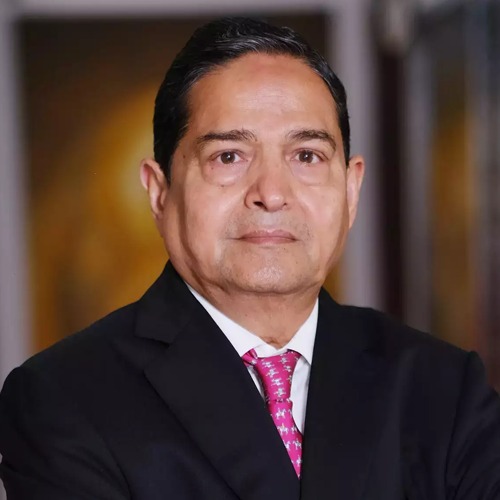
Expressing his gratitude to the state leadership, Kirit Bhansali, Chairman, GJEPC, said: “We are deeply thankful to the Hon’ble Chief Minister, Shri Devendra Fadnavis, for his visionary leadership in announcing India’s first State Gem & Jewellery Policy. This landmark initiative will not only strengthen Maharashtra’s position as a leading jewellery manufacturing centre but also bring about a qualitative leap in areas such as skilling, technology upgradation, and value addition.
With this policy, we foresee new opportunities for investment, innovation, and job creation — paving the way for Maharashtra to set new global benchmarks in the gems and jewellery sector.”
“I would also like to express my sincere gratitude to Shri Uday Samant, Hon’ble Minister for Industries, Government of Maharashtra, for his proactive guidance and steadfast support in driving this landmark policy.”
The Maharashtra State Gem & Jewellery Policy 2025 is expected to enhance the competitiveness of the industry, attract domestic and international investors, and further cement Maharashtra’s role as the heart of India’s jewellery economy.


JB Insights
The Evolution Of Men’s Jewellery In India
By Suresh Krishnan, VP – Sales, PNG Jewellers
Changing Lifestyles, Rising Fashion Consciousness and Demand For Self-Expression Are Driving The Rapid Growth Of India’s Men’s Jewellery Segment.

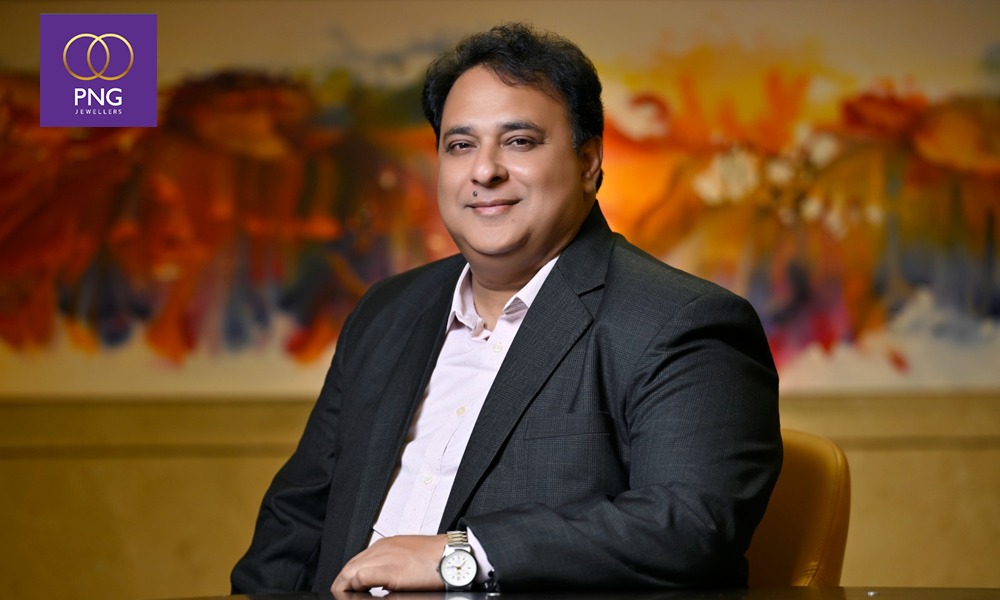
For decades, men’s jewellery in India limited itself to gold chains gifted by parents, a wedding ring, or a religious pendant. Today, the modern Indian man is embracing jewellery as a form of self-expression, personal style, and achievement. What was once considered a niche category has evolved into one of the most exciting growth segments in the jewellery industry.
We have witnessed a notable shift in consumer behaviour over the past few years. Men are increasingly purchasing jewellery not only for weddings and festive occasions but also to celebrate personal milestones such as promotions, entrepreneurial success, anniversaries, and birthdays. This transformation is being driven by a younger, style-conscious demographic that draws inspiration from global fashion, digital media, and celebrity culture.
International luxury houses have expanded their men’s jewellery offerings substantially, while Indian consumers are becoming more comfortable experimenting with bracelets, platinum bands, signet rings, pendants, cufflinks, tie pins, and customised accessories. The rise of men’s jewellery is also closely linked to changing workplace and lifestyle preferences. Today’s professionals prefer versatile pieces that transition from boardroom meetings to social gatherings. Lightweight gold bracelets, sleek chains, and minimal diamond-accented jewellery have emerged as strong performers across urban markets.
Alongside gold and diamonds, silver jewellery has emerged as a significant growth category for men. Rising precious metal prices and evolving fashion sensibilities have encouraged younger consumers to explore silver bracelets, chains, rings, and pendants as stylish yet accessible options. Silver has increasingly positioned itself as an entry-level luxury category, particularly among consumers in the 20-30 age bracket who seek design-led products for everyday wear. The growing popularity of men’s silver jewellery globally has further accelerated acceptance in India.
One of the most significant developments has been the growing popularity of jewellery gifting for men. Father’s Day, in particular, is emerging as an important occasion. Consumers are increasingly seeking meaningful gifts that carry both emotional and intrinsic value. Unlike conventional gifts, jewellery offers longevity, sentiment, and the potential for appreciation over time.
Another noteworthy trend is the growing demand for customisation. Men are looking for pieces that reflect personal stories, whether through engraved initials, symbolic motifs, family emblems, or bespoke designs. This shift mirrors a broader global movement towards personalised luxury.
While gold remains the preferred metal for many Indian consumers, platinum, silver, and diamond-studded jewellery are gaining prominence among younger buyers. Contemporary styling, lighter weights, and innovative designs have helped make these categories more accessible and relevant.
Looking ahead, the men’s jewellery category is poised for sustained growth. As societal perceptions continue to evolve and consumers become more confident in expressing their personal style, jewellery will increasingly become an integral part of the modern man’s wardrobe.
The evolution of men’s jewellery is not merely a fashion trend. It reflects a deeper cultural shift where jewellery is being recognised as a symbol of identity, achievement, and self-expression. This Father’s Day, that makes jewellery one of the most meaningful gifts a family can choose, celebrating not just tradition, but the individual behind it.


Back To Campus With Candere Lifestyle Jewellery: Gen Z-Approved Picks To Restart College In Style

Srinidhi Shetty Unveils Malabar Gold & Diamonds’ New Showroom In RT Nagar, Bengaluru

GJEPC Hosts U.S. Senators and State Lawmakers For Strategic Industry Dialogue In Mumbai

Final Sale Of The Season: High Jewelry Auction In New York

Gold and Silver Retreat As Dollar Holds Multi-Year Highs AUGMONT BULLION REPORT
GJEPC Hosts U.S. Senators and State Lawmakers For Strategic Industry Dialogue In Mumbai
-
 DiamondBuzz8 hours ago
Final Sale Of The Season: High Jewelry Auction In New York
-
 International News10 hours ago
Gold and Silver Retreat As Dollar Holds Multi-Year Highs AUGMONT BULLION REPORT
-
 National News8 hours ago
GJEPC Hosts U.S. Senators and State Lawmakers For Strategic Industry Dialogue In Mumbai
-
 National News6 hours ago
Back To Campus With Candere Lifestyle Jewellery: Gen Z-Approved Picks To Restart College In Style