
National News
Lab-Grown Diamond Brand Jewelbox Raises $3.2M to Fuel Nationwide Expansion
Backed by V3 Ventures and others, Kolkata-based startup aims to grow retail presence, bolster brand visibility, and expand its team across India.


Kolkata-based lab-grown diamond jewellery brand Jewelbox has secured $3.2 million in pre-Series A funding, led by V3 Ventures, with participation from Atrium Angels, Dexter Ventures, Infinyte Club, Samarthya Capital, and existing investor JITO Incubation & Innovation Foundation (JIIF).
The company, co-founded in May 2022 by siblings Vidita Kochar Jain and Nipun Kochar, plans to use the fresh capital to scale operations, enhance brand visibility, and hire talent across core functions.
Currently operating eight stores across six Indian cities—Delhi, Gurgaon, Bengaluru, Chennai, Kolkata, and Guwahati—Jewelbox is eyeing rapid growth, with a goal to expand to 30 retail locations by the end of 2025.
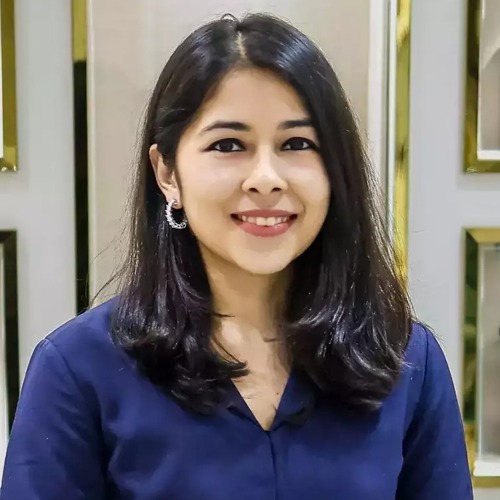
“The competition in the lab-grown diamond space is heating up, but we welcome it,” said Jain. “Whether it’s legacy brands, established entrepreneurs, or startups entering the space—it validates the category.”
Jewelbox, which sells its jewellery both online and offline, closed FY25 with an annual revenue run rate (ARR) of ₹38 crore, more than doubling from ₹16 crore in the previous year. The brand had earlier raised ₹3.7 crore in seed funding from JIIF in March 2024.
The funding comes at a time when lab-grown diamonds are gaining traction as a more sustainable and affordable alternative to natural diamonds. The segment is seeing increasing investor interest and consumer adoption.
The broader category is also drawing new entrants. Last month, Priyanka Gill, co-founder of the Good Glamm Group, launched Coluxe, a new lab-grown diamond brand that has already secured early-stage funding. Meanwhile, Bengaluru-based jewellery brand Giva is reportedly in talks with Creaegis to raise $80–100 million, valuing the company between $470–500 million, following its entry into lab-grown diamonds.
On the regulatory front, Commerce and Industry Minister Piyush Goyal recently confirmed there are no plans for additional regulations, citing the industry’s healthy growth under a self-regulatory model.
Jewelbox and other emerging players—including Aukera, Giva, and Green Lab Diamonds—have also approached the Central Consumer Protection Authority (CCPA) to dispute the classification of lab-grown diamonds as “synthetic,” arguing that it misrepresents their nature by equating them with lookalike simulants like cubic zirconia.
Commenting on the investment, Arjun Vaidya, co-founder and managing partner at V3 Ventures, said: “Less than 6% of Indians own diamonds today. With rising aspirations and growing awareness, lab-grown diamonds can democratize luxury in India—and Jewelbox is well-positioned to lead that change.”







GlamBuzz
Aisshpra Gems & Jewels Opens Four Stores in One Day, Takes Network to 20; Targets 30 Stores by March 2028
Four franchise showrooms add approximately 12,000 sq. ft. of retail space, taking the brand’s total retail footprint beyond 90,000 sq. ft.; Bettiah marks its entry into Bihar.
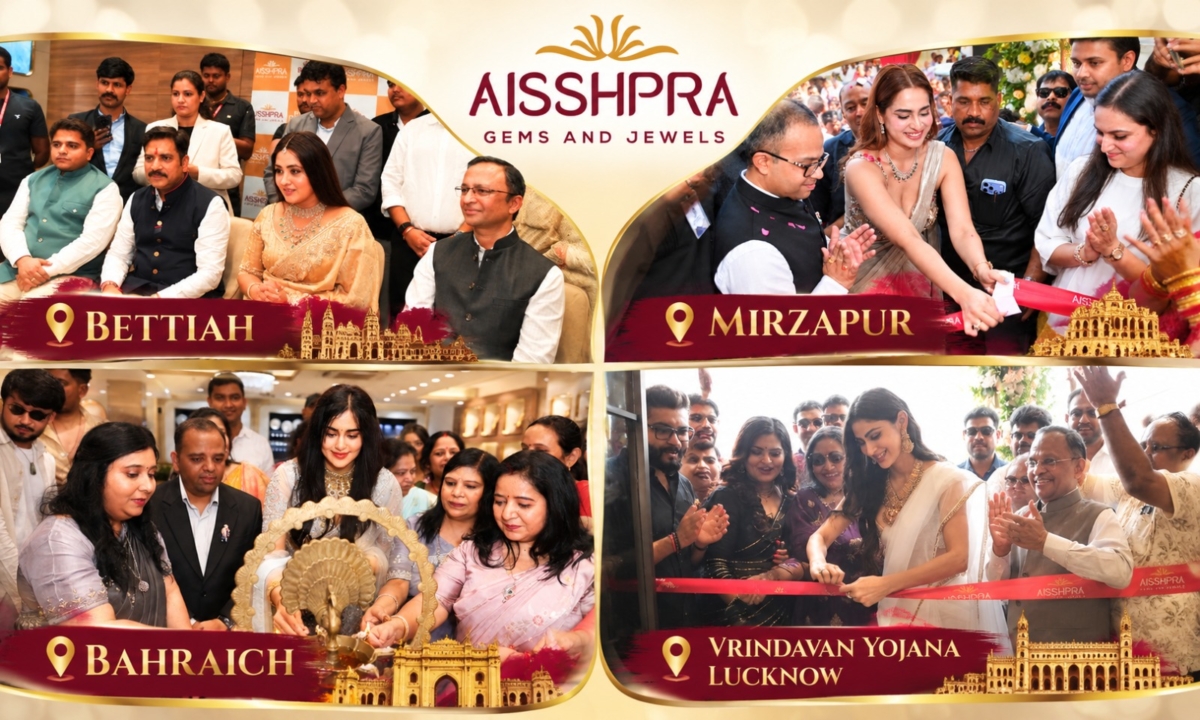
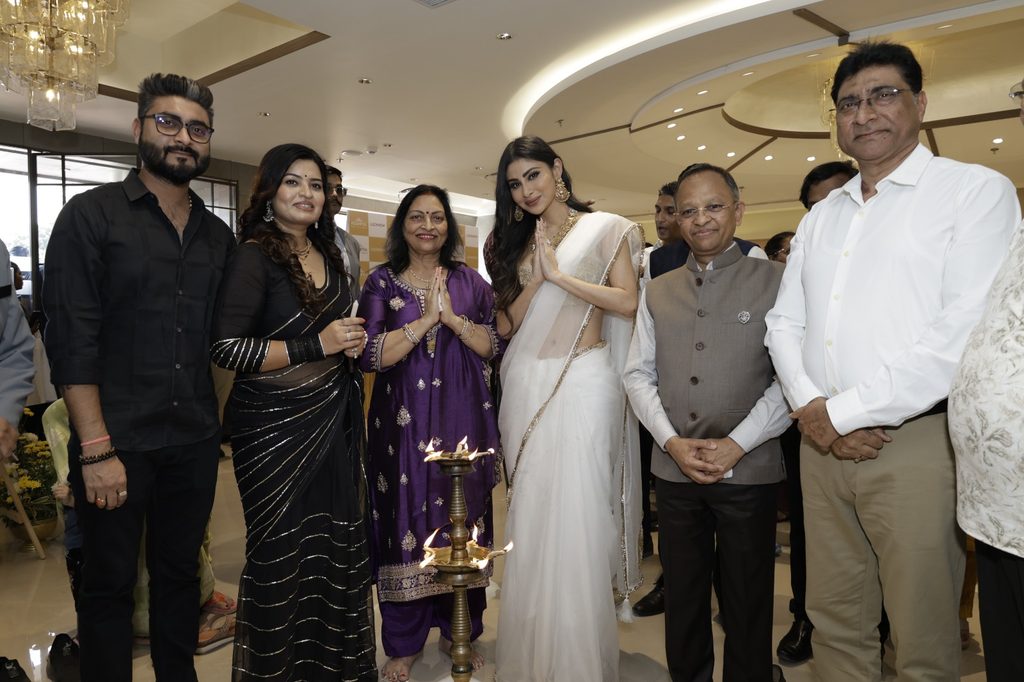
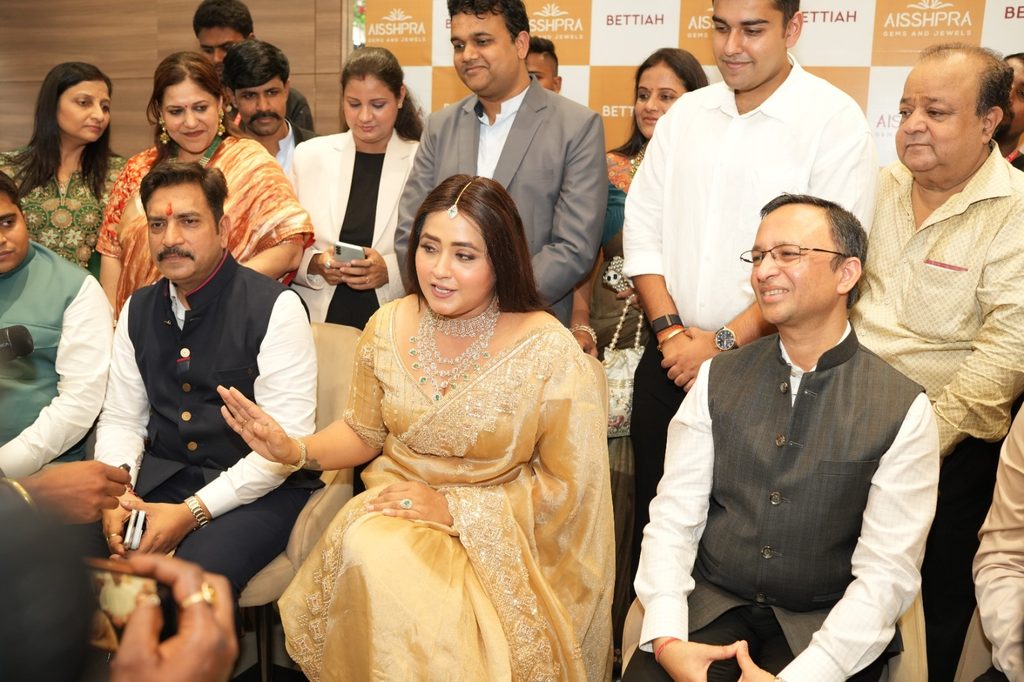
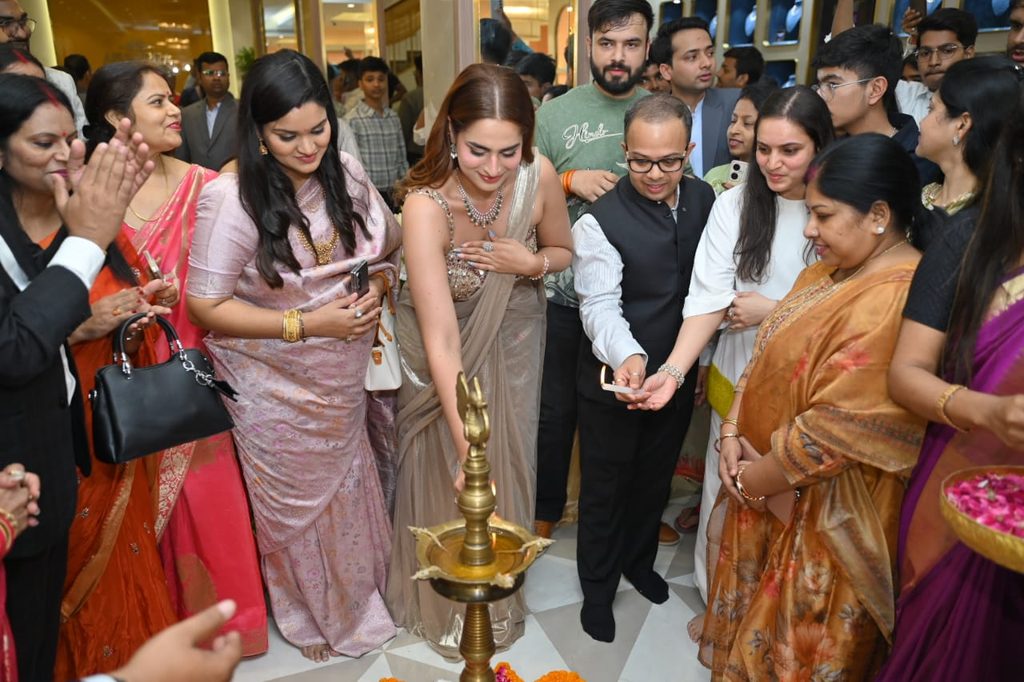
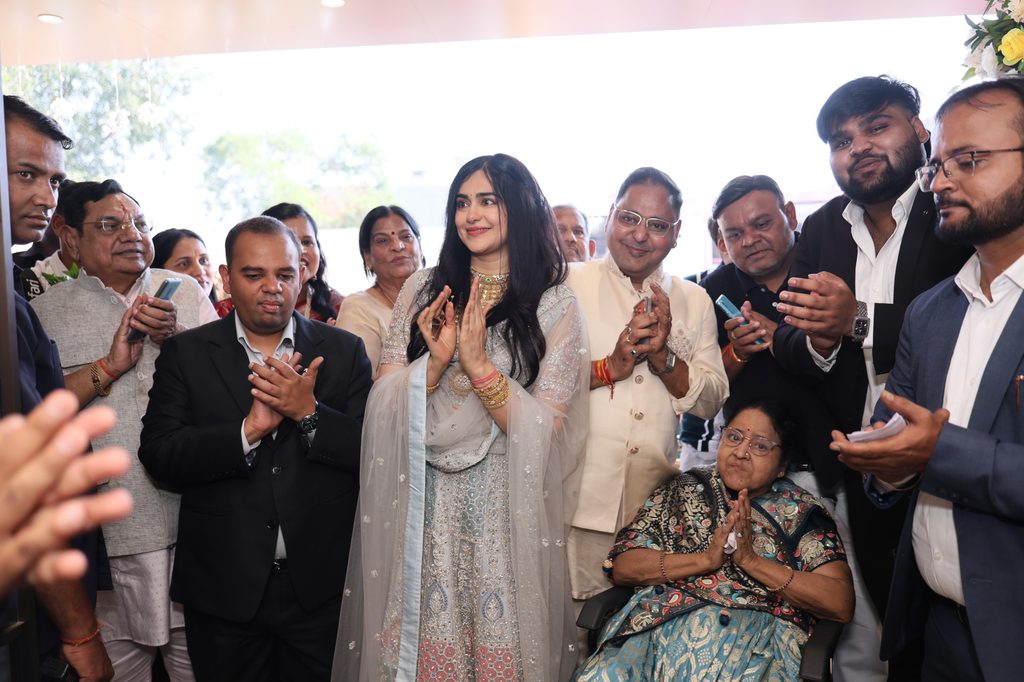
Aisshpra Gems & Jewels, the jewellery retail brand established in Gorakhpur in 1940, today announced the simultaneous opening of four showrooms in Bahraich, Bettiah, Lucknow and Mirzapur. The milestone takes its operational network from 16 to 20 stores in a single day, with three more stores under construction and a target of 30 operational stores by March 2028.
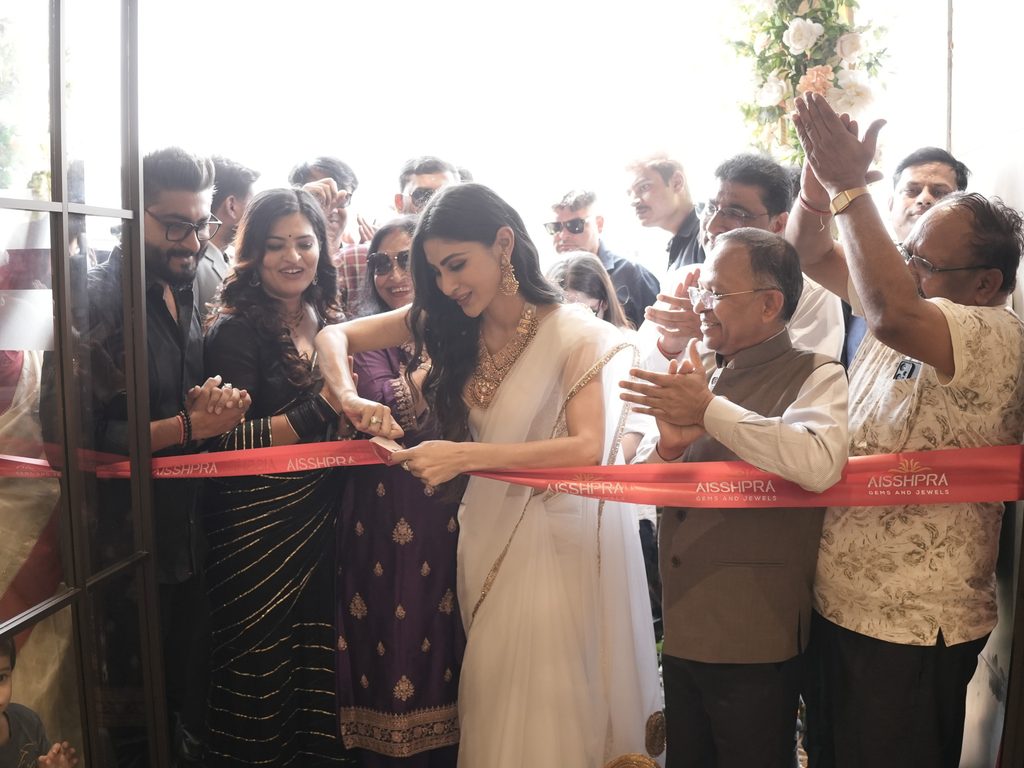
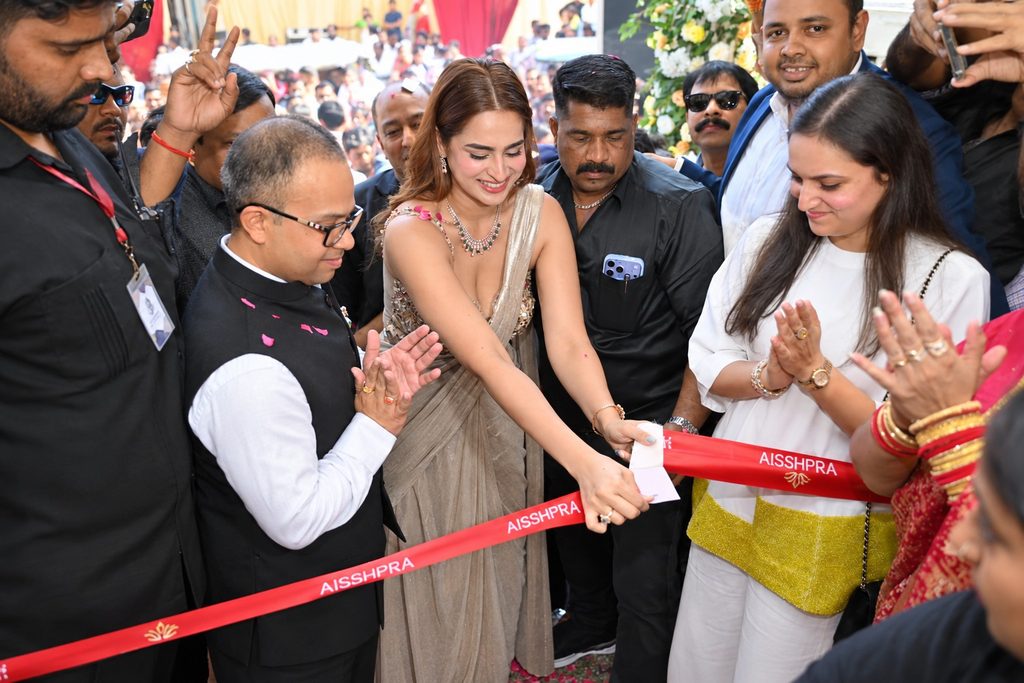
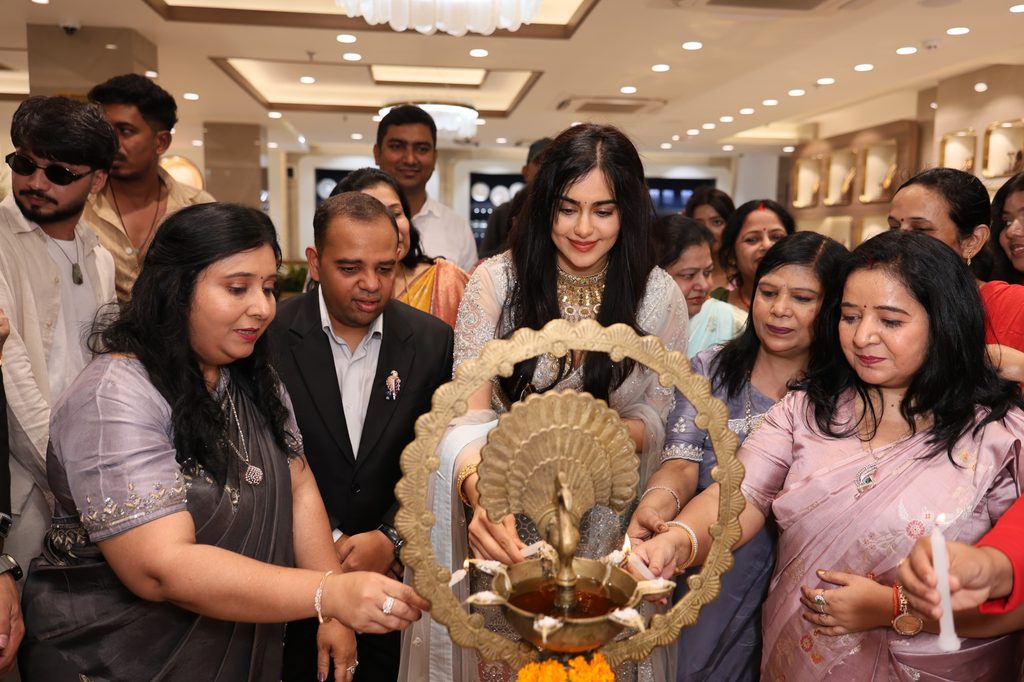
Each new franchise-operated showroom measures approximately 3,000 sq. ft. Together, the openings add around 12,000 sq. ft. of retail space and take the brand’s overall retail footprint to more than 90,000 sq. ft. The Bettiah opening is Aisshpra’s first in Bihar, where Siwan and Gopalganj are also in its expansion pipeline. The Lucknow launch marks its third showroom in the city.
Jewel Story takes centre stage across all four stores
All four showrooms feature a dedicated store-in-store presence for Jewel Story, Aisshpra’s lifestyle jewellery brand. Designed for teenagers, young adults and customers up to around 40 years of age, Jewel Story focuses on lightweight, wearable, modern jewellery across 9KT to 22KT gold purity. The concept seeks to make jewellery relevant to everyday personal style, alongside Aisshpra’s traditional, bridal and occasion-wear collections.
Leadership on expansion and legacy
Atul Saraf, Director, Aisshpra Gems & Jewels
“Since 1940, our most important achievement has been the trust we have earned across generations. Opening four stores together is a proud milestone, and every new showroom brings the responsibility of preserving that trust.”
Anoop Saraf, Director, Aisshpra Gems & Jewels
“As we enter new markets, Trust, Integrity and Ethics remain our guiding principles. We want customers in every city to experience the same transparency, quality and care that have defined Aisshpra for decades.”
Vaibhav Saraf, Director, Aisshpra Gems & Jewels
“Moving from 16 to 20 stores in one day is a major jump in our network. Our footprint now exceeds 90,000 sq. ft., three additional stores are under construction, and we are working towards 30 stores by March 2028. Bettiah opens the door to Bihar, while our third Lucknow showroom deepens our presence in a key market.”
Saumitra Saraf, Director, Aisshpra Gems & Jewels
“Younger customers increasingly want jewellery that feels contemporary, versatile and easy to wear. Jewel Story brings that proposition to every new showroom, with modern designs spanning 9KT to 22KT.”
Inauguration celebrations and opening offers
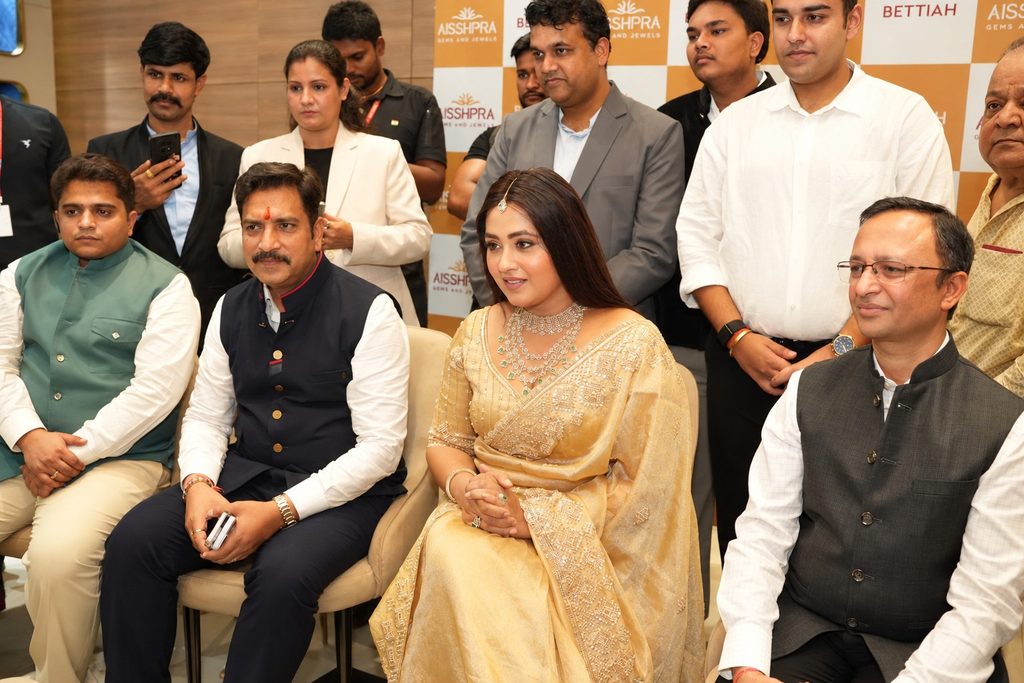
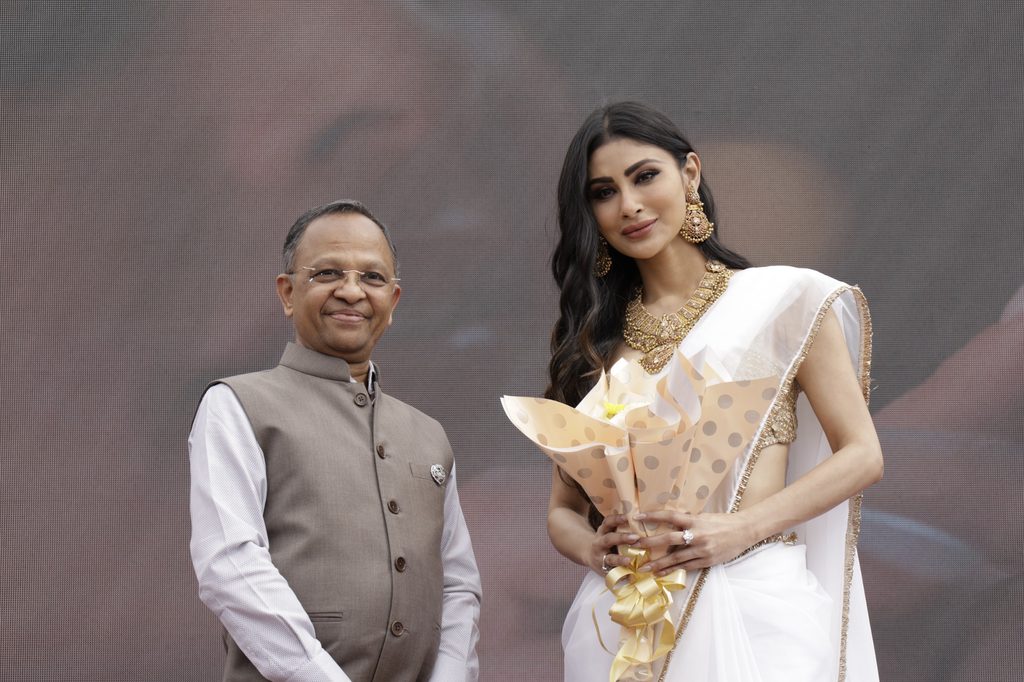
The celebrations featured Mouni Roy in Lucknow, Adah Sharma in Bahraich and Ayesha Khan in Mirzapur. The Bettiah inauguration took place in the presence of local dignitaries.
Customers can avail inaugural offers of up to 30% off gold jewellery making charges and diamond value, subject to applicable terms and conditions. Offer validity is to be confirmed.



Aisshpra Gems & Jewels Opens Four Stores in One Day, Takes Network to 20; Targets 30 Stores by March 2028

The Met Goes Desi: Inside Sabyasachi’s Showstopping Diwali Dhamaka in New York

Jewellers Expect Healthy Festive and Wedding Demand Amid Evolving Consumer Preferences

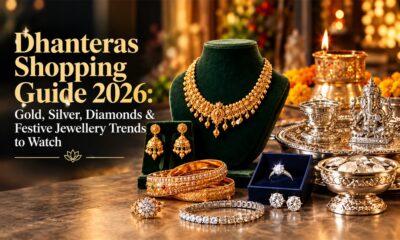
Dhanteras Shopping Guide 2026:Gold, Silver, Diamonds & Festive Jewellery Trends To Watch

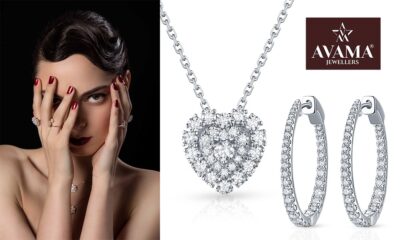
From Diya Puja To Diwali Soirées: Jewellery Designed To Go Beyond The Festive Season

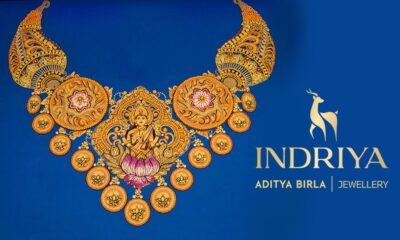
Indriya, Aditya Birla Jewellery Unveiled India’s Largest Sustainable Jewellery Rangavalli
-
 JB Insights1 day ago
Dhanteras Shopping Guide 2026:Gold, Silver, Diamonds & Festive Jewellery Trends To Watch
-
 BrandBuzz1 day ago
From Diya Puja To Diwali Soirées: Jewellery Designed To Go Beyond The Festive Season
-
 National News1 day ago
Indriya, Aditya Birla Jewellery Unveiled India’s Largest Sustainable Jewellery Rangavalli
-

 BrandBuzz1 day ago
The Solenne Collection: A Celebration Of Diwali By Bharti Bangur Fine Jewels
