National News
Joyalukkas Foundation Hands Over 50 ‘Joy Homes’ to Underprivileged Families in Karnataka


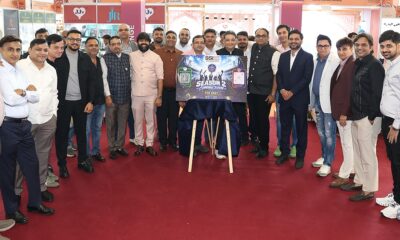
Joyalukkas Foundation handed over 50 newly constructed ‘Joy Homes’ to underprivileged families across Karnataka as a step toward improving the living conditions of marginalised communities. The initiative, part of the Foundation’s ongoing “Joy Homes” project, was formally marked by a key handover ceremony held at the NIMHANS Convention Centre in Bengaluru.
The ceremony was presided over by Dr. Joy Alukkas, Chairman of the Joyalukkas Group, and attended by prominent dignitaries including Mohammed Rihan Nawab (CEO, Emmar Properties), Mohammed Rizwan Nawab (Vice Chairman, KSRTC), Chetan Kumar Mehta (President, Jeweller’s Association, Bengaluru), and Thomas Mathew (Executive Director, Joyalukkas).
The Joy Homes initiative is rooted in the Foundation’s broader commitment to addressing basic human needs through sustainable and inclusive development efforts. Each of the homes, measuring 500 square feet and built at a cost of ₹7.5 lakh, aims to offer not just shelter, but also dignity, safety, and stability to those often left at the margins of society. Beneficiaries of the scheme include families affected by poverty, natural disasters, chronic illness (such as Endosulfan exposure), and disability.
With the latest addition in Karnataka, the total number of homes provided under the Joy Homes initiative has risen to 414 across Kerala, Tamil Nadu, and Karnataka. In a further expansion of the programme, the Foundation also announced a new project to build 50 additional homes in Telangana, extending the reach of its housing efforts across South India. Since its inception in 2009, the Joyalukkas Foundation has focused its Corporate Social Responsibility (CSR) activities on areas such as healthcare access, education, elder care, and women’s empowerment, prioritising interventions that address systemic gaps in underserved communities. Its healthcare initiatives include the monthly distribution of over 1,000 dialysis kits in Kerala, the donation of dialysis machines, the renovation of hospital wards, and ongoing support for palliative care and blood donation drives.
During the COVID-19 pandemic, the Foundation supported the education of over 300 children who lost a parent through scholarships under its “Joy of Hope” programme. In Thrissur, Kerala, the Foundation also operates a senior citizen care facility that includes a dialysis centre, palliative care unit, and other specialized services. Additionally, through vocational training in beautician skills and tailoring, over 200 women have been equipped with the means to achieve financial independence. The Joy Homes project reflects the Foundation’s belief that stable housing is a fundamental step toward social upliftment. By addressing a core need, it enables vulnerable families to focus on rebuilding their lives, accessing opportunities, and securing a better future.







National News
BIS Introduces The Silver Refinery Certification Scheme; Framework Introduces “India Good Delivery For Silver”
Buyers, Institutional Investors, and Jewelers Are Guaranteed Strict Adherence To Exact Quality, Testing, and Traceability Standards. Silver From Any BIS-Approved Refinery Ensures A Verified Fineness and Purity

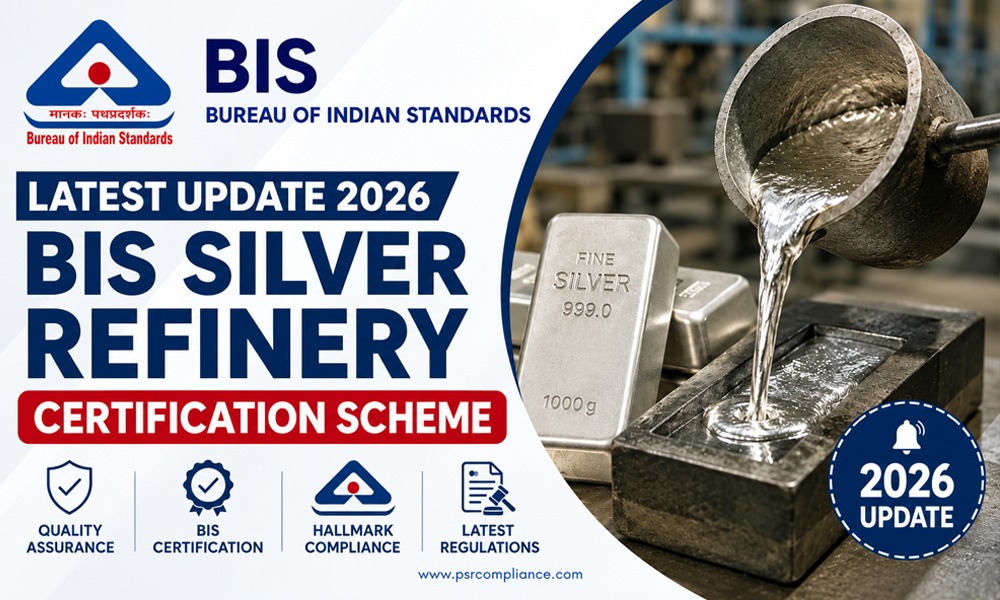
The Bureau of Indian Standards (BIS) has officially prioritized the domestic bullion sector by introducing the Silver Refinery Certification Scheme, that involved critical inputs and efforts by IBJA.
Mirroring the long-established certification ecosystem for gold, this framework introduces a structured “India Good Delivery for Silver” standard specifically tailored for silver bars and coins.
Buyers, institutional investors, and jewelers are guaranteed strict adherence to exact quality, testing, and traceability standards. Silver from any BIS-approved refinery ensures a verified fineness and purity.
Surendra Mehta, National Secretary- IBJA, said:
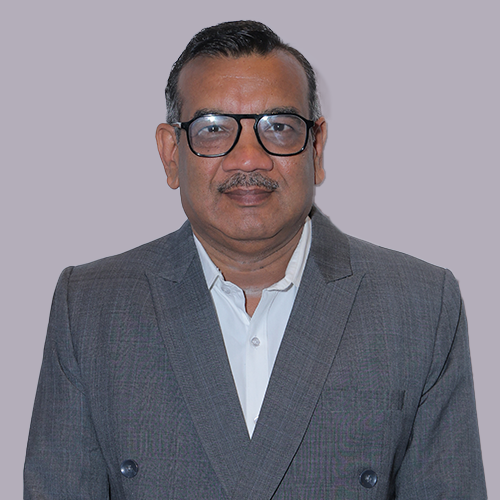
“BIS is introducing the Silver Refinery Certification Scheme, an initiative that involved critical inputs and efforts by IBJA. Mirroring the long-established certification ecosystem for gold, this framework introduces a structured India Good Delivery for Silver. Now, silver from any BIS-approved refinery ensures a verified fineness and purity. This will gradually end the impure silver bar market.”
Market structures have already evolved alongside this rollout. The Multi Commodity Exchange (MCX) aligned its exchange delivery protocols to accept BIS-standard domestic silver, allowing empanelled Indian refiners to fulfill physical delivery contracts directly on the exchange.
By formalizing the local refining of silver (including silver recovered as a by-product of gold dore), this scheme strengthens the domestic precious metals ecosystem in line with Aatmanirbhar Bharat objectives



India Delegation Arrives In Paris For Three Days Of Learning, Business & Collaboration

BIS Introduces The Silver Refinery Certification Scheme; Framework Introduces “India Good Delivery For Silver”

Navratri Edit By DAIMANTÉ: 9 Pendants, 9 Expressions Of Intention
BIS Introduces The Silver Refinery Certification Scheme; Framework Introduces “India Good Delivery For Silver”

Aspect Bullion & Refinery Launches “India’s Biggest Gold Fest” With Zero Making Charges On Gold Coins and Bars

GJEPC, ECGC Programme Underlines Recent Changes In Export Credit Insurance For The GJ Sector.
-
 National News7 hours ago
BIS Introduces The Silver Refinery Certification Scheme; Framework Introduces “India Good Delivery For Silver”
-
 National News8 hours ago
Aspect Bullion & Refinery Launches “India’s Biggest Gold Fest” With Zero Making Charges On Gold Coins and Bars
-
 National News8 hours ago
GJEPC, ECGC Programme Underlines Recent Changes In Export Credit Insurance For The GJ Sector.
-
 International News6 hours ago
India Delegation Arrives In Paris For Three Days Of Learning, Business & Collaboration