
News
JMAIIE 2026: Elevating Indian jewellery machinery to global standards
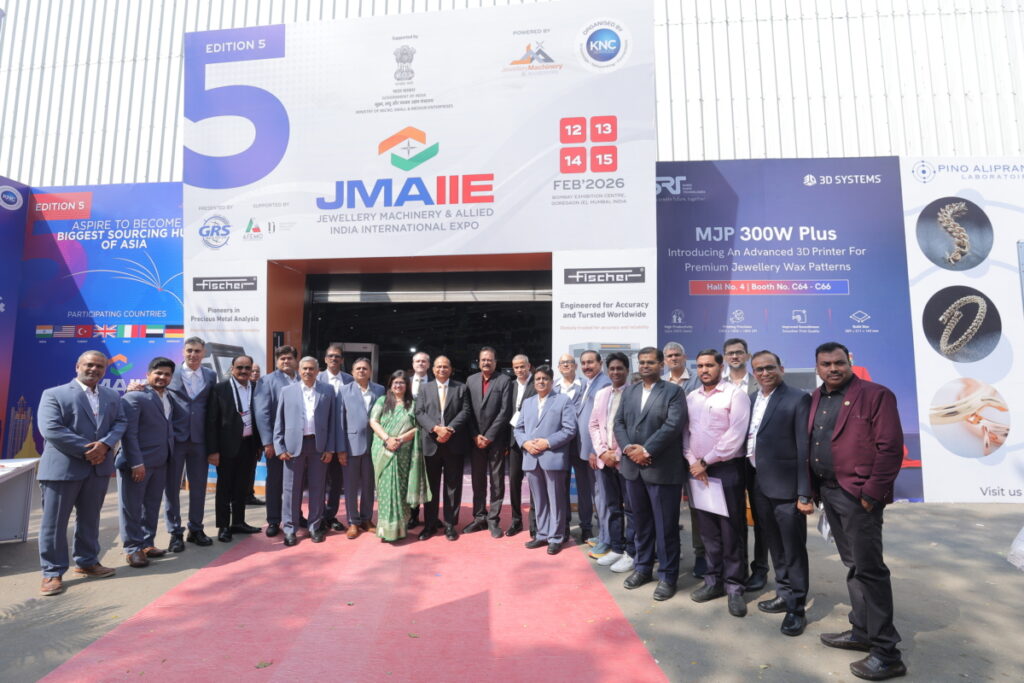
The 5th edition of the Jewellery Machinery & Allied India International Expo (JMAIIE) has officially concluded at the Bombay Exhibition Centre, marking a historic turning point for the industry.

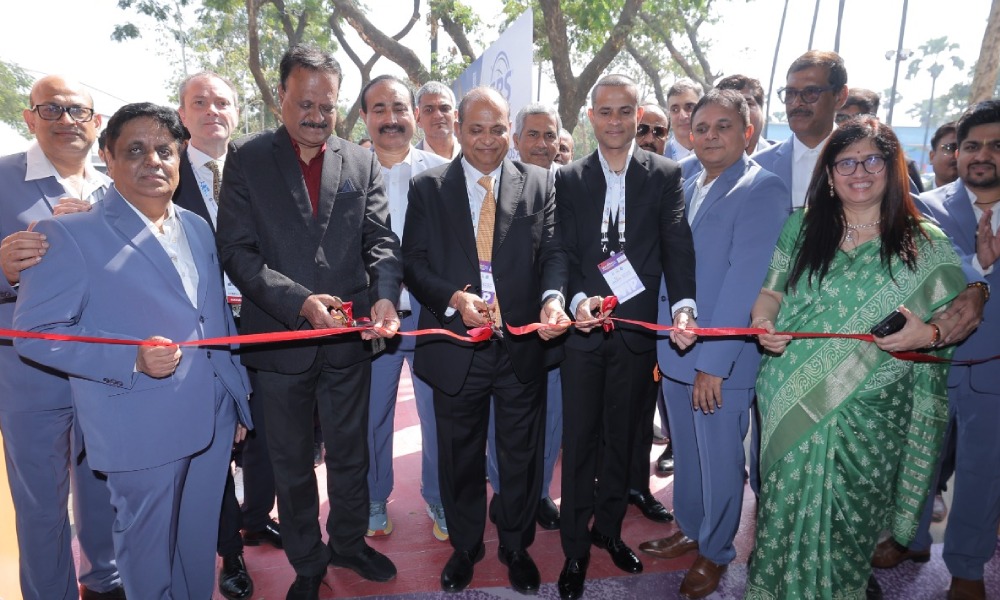
This year’s exhibition didn’t just showcase machinery; it signaled to the world that India has transitioned from a primary consumption hub to a global leader in manufacturing innovation.
A Visionary Inauguration
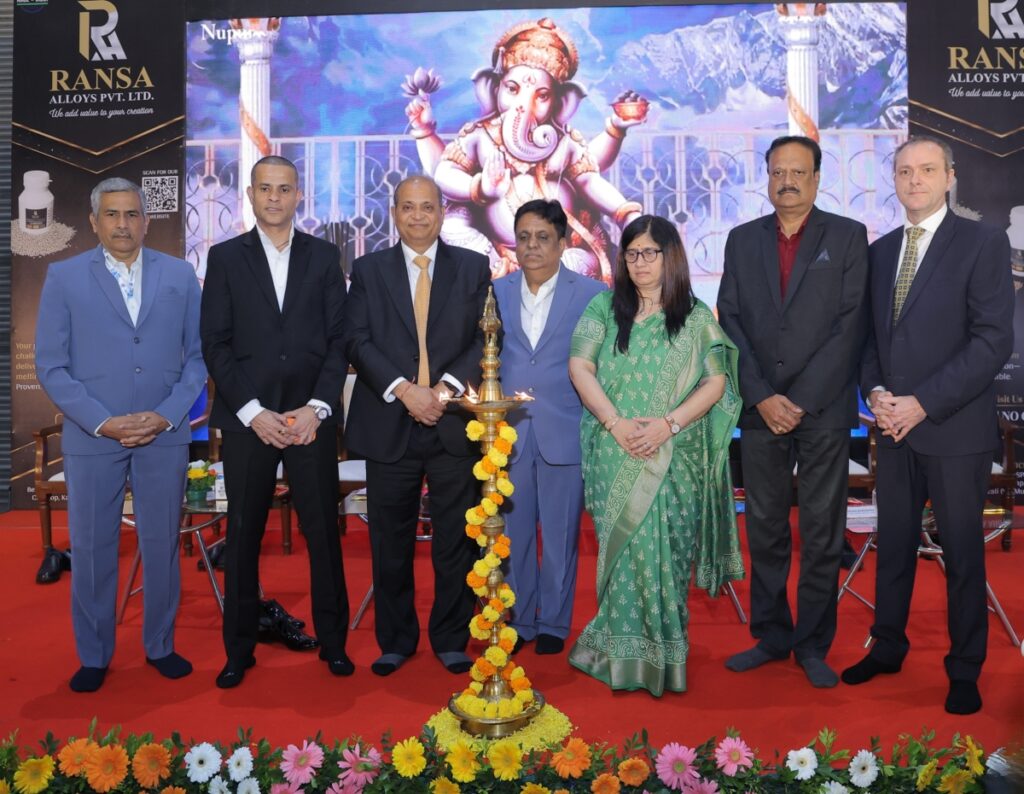
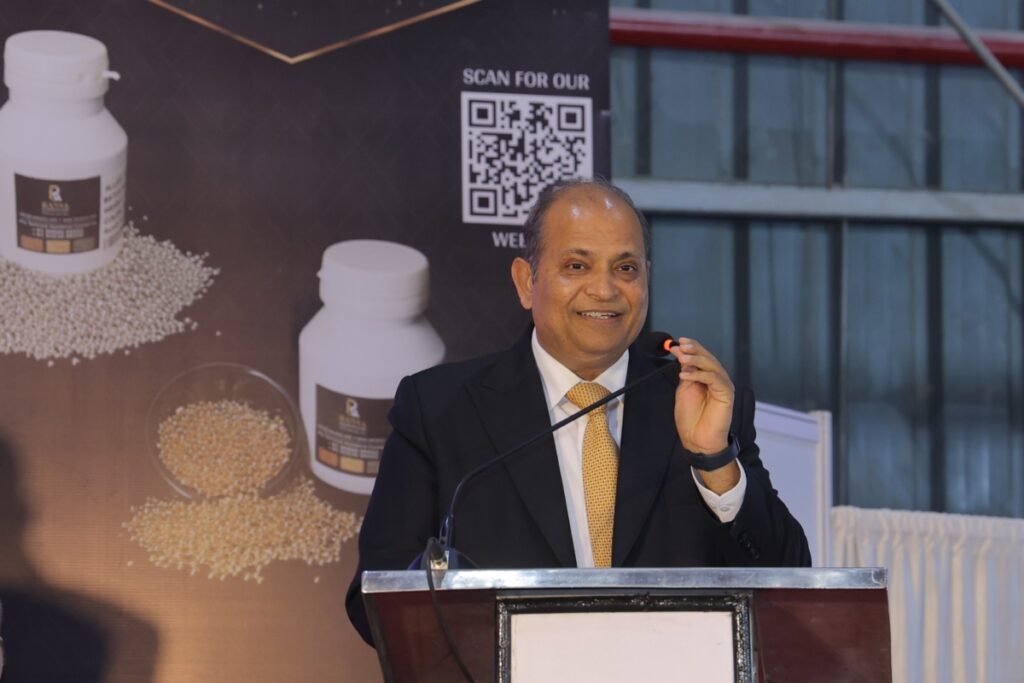
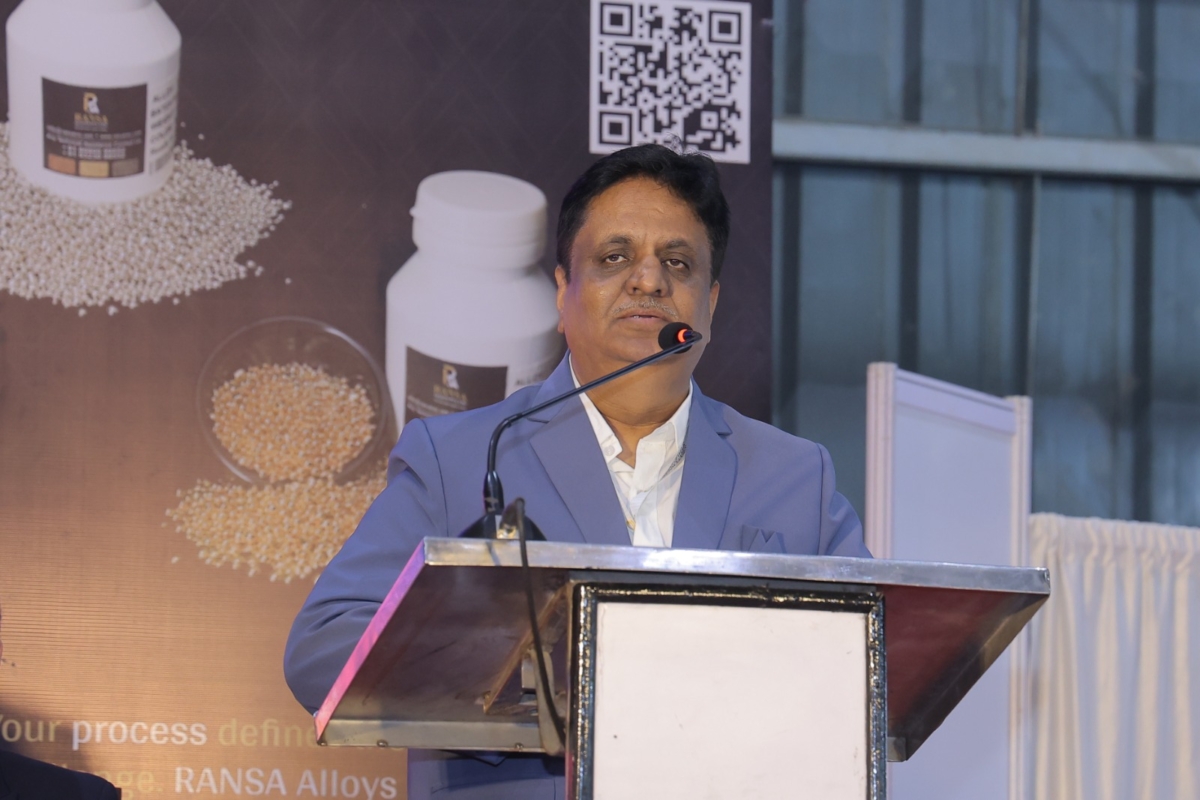
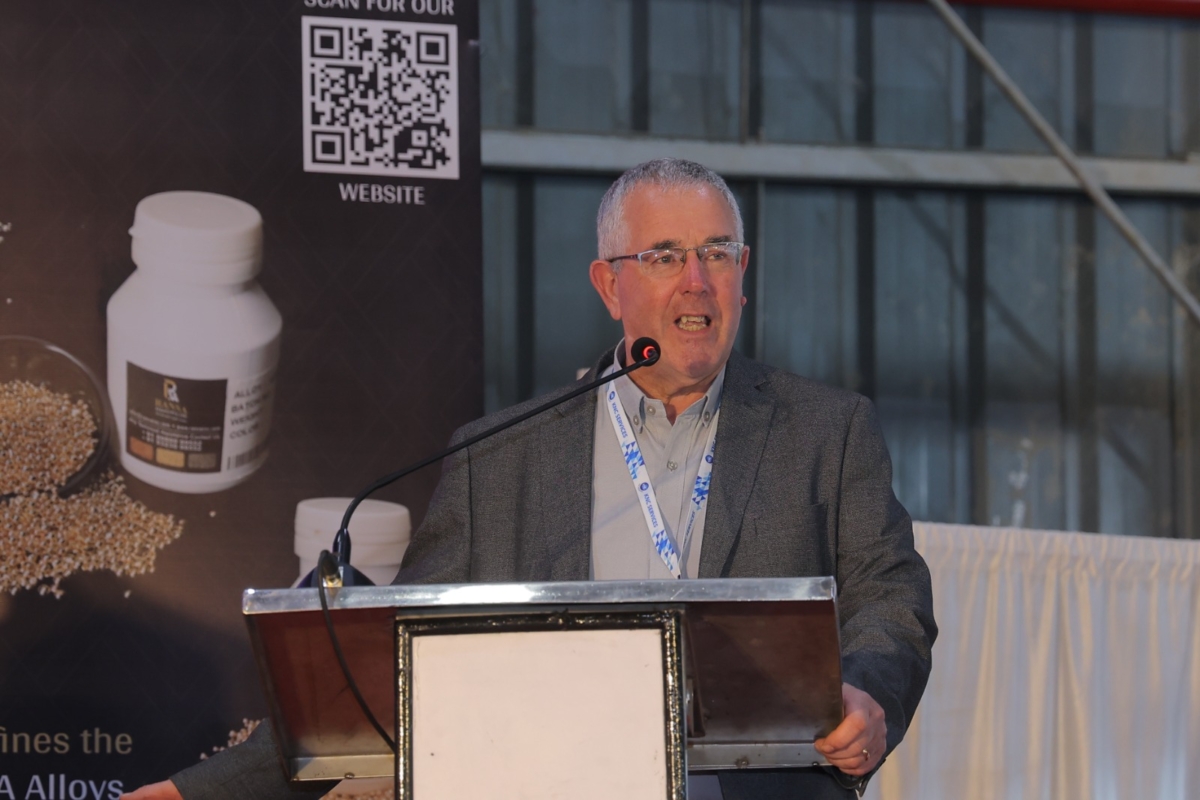
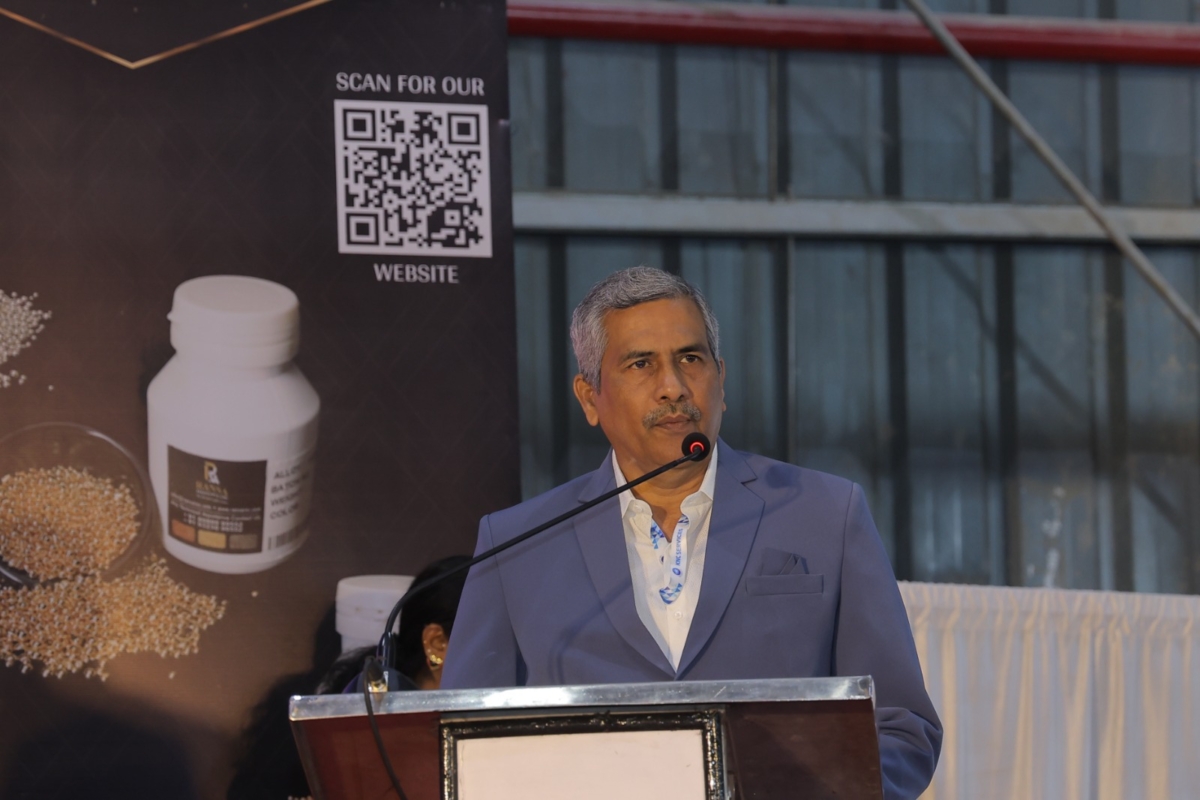
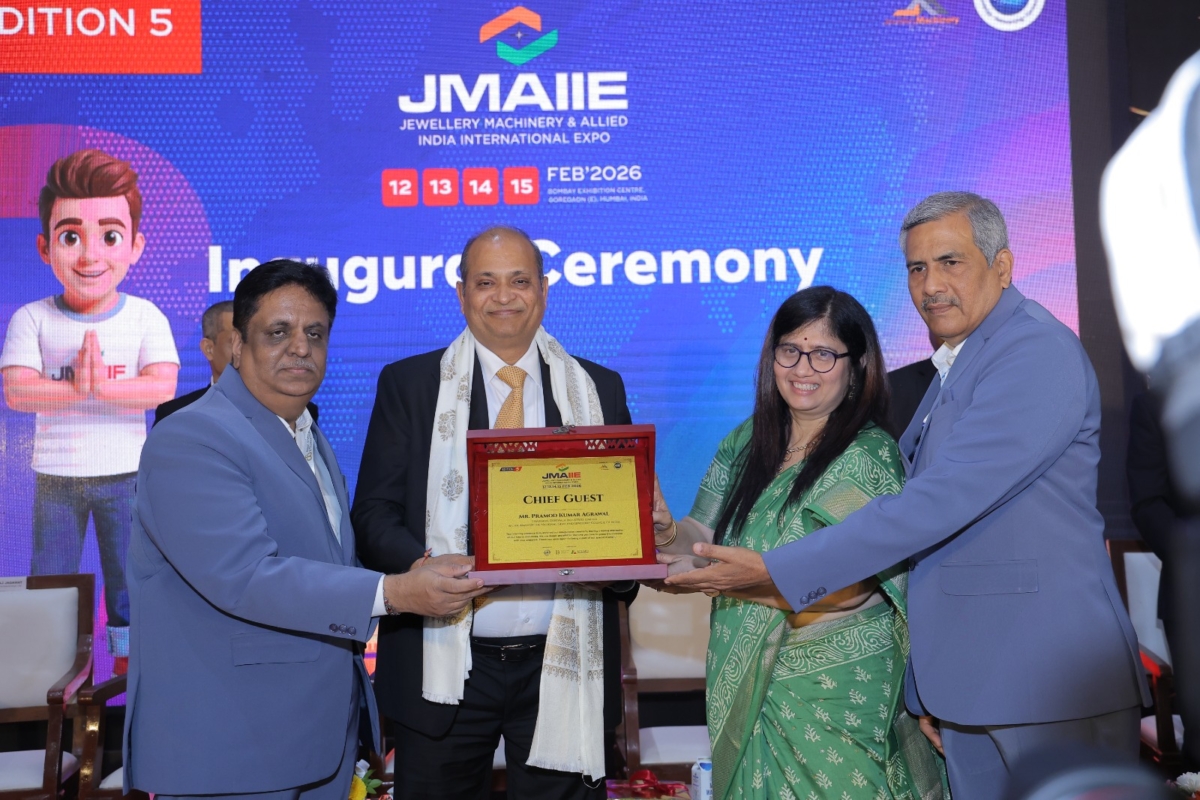
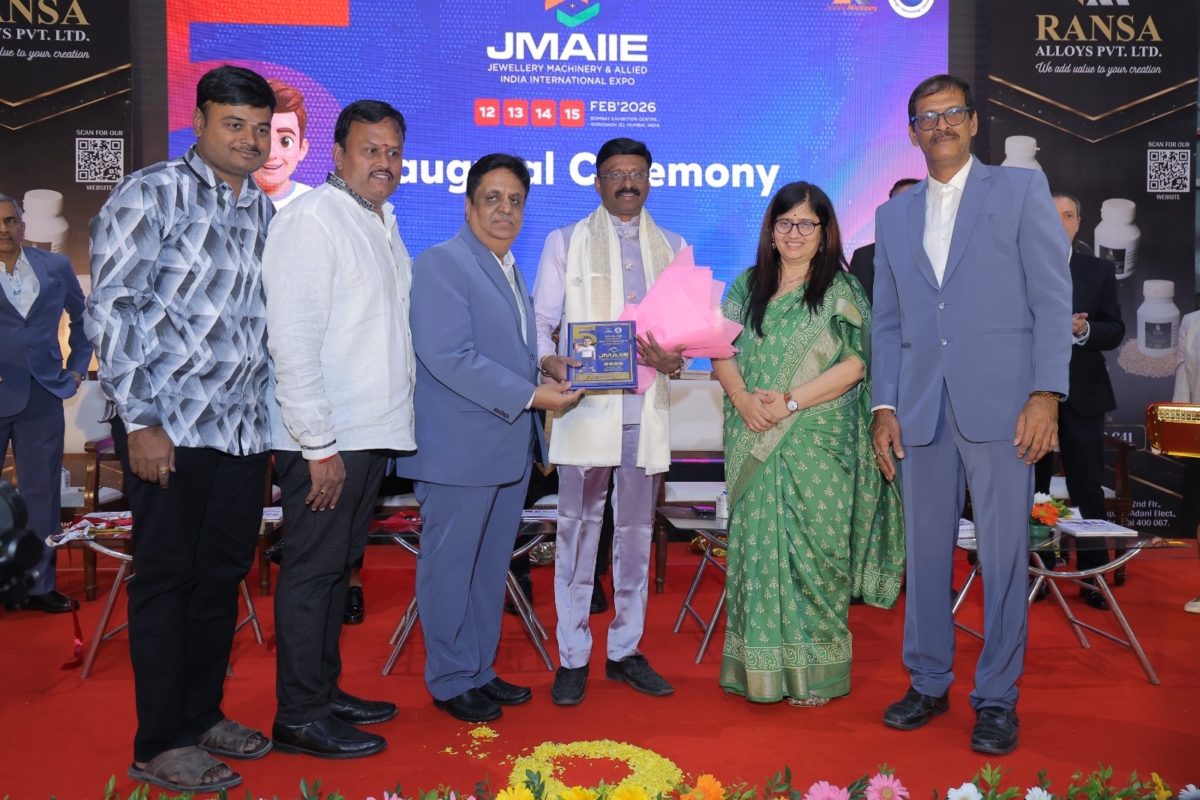
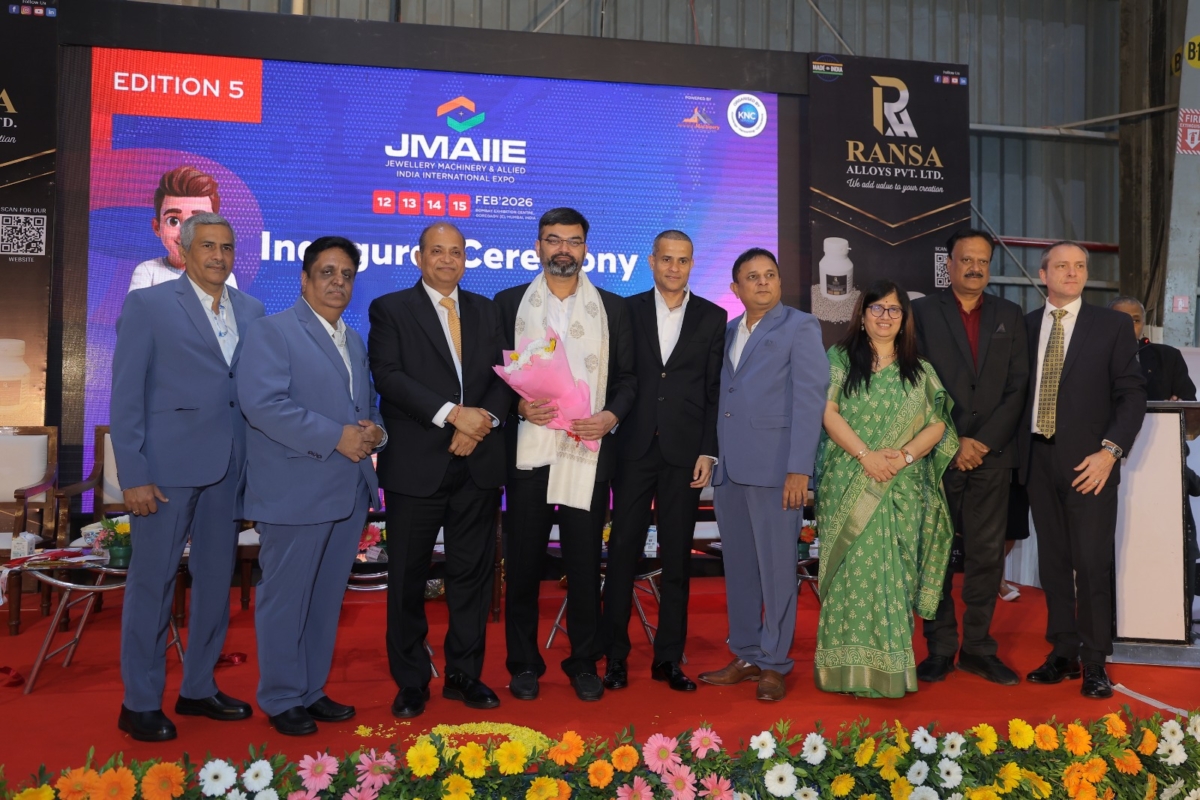
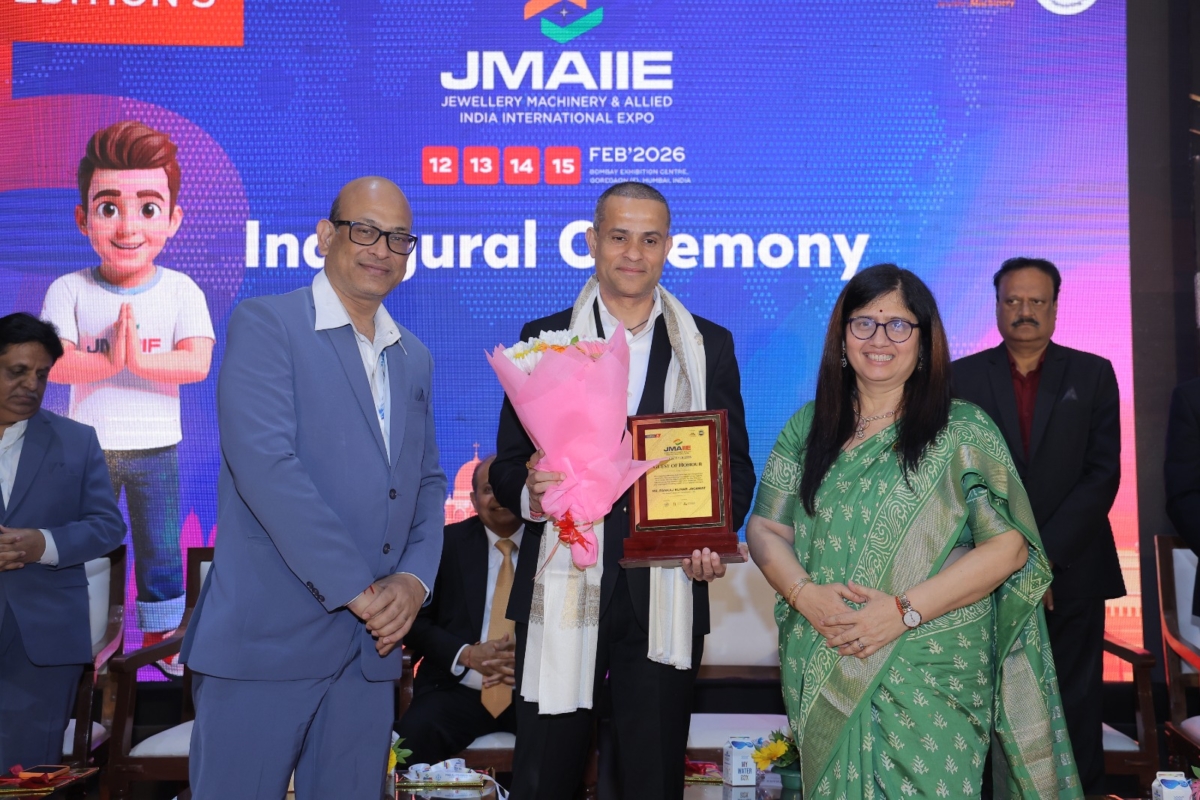
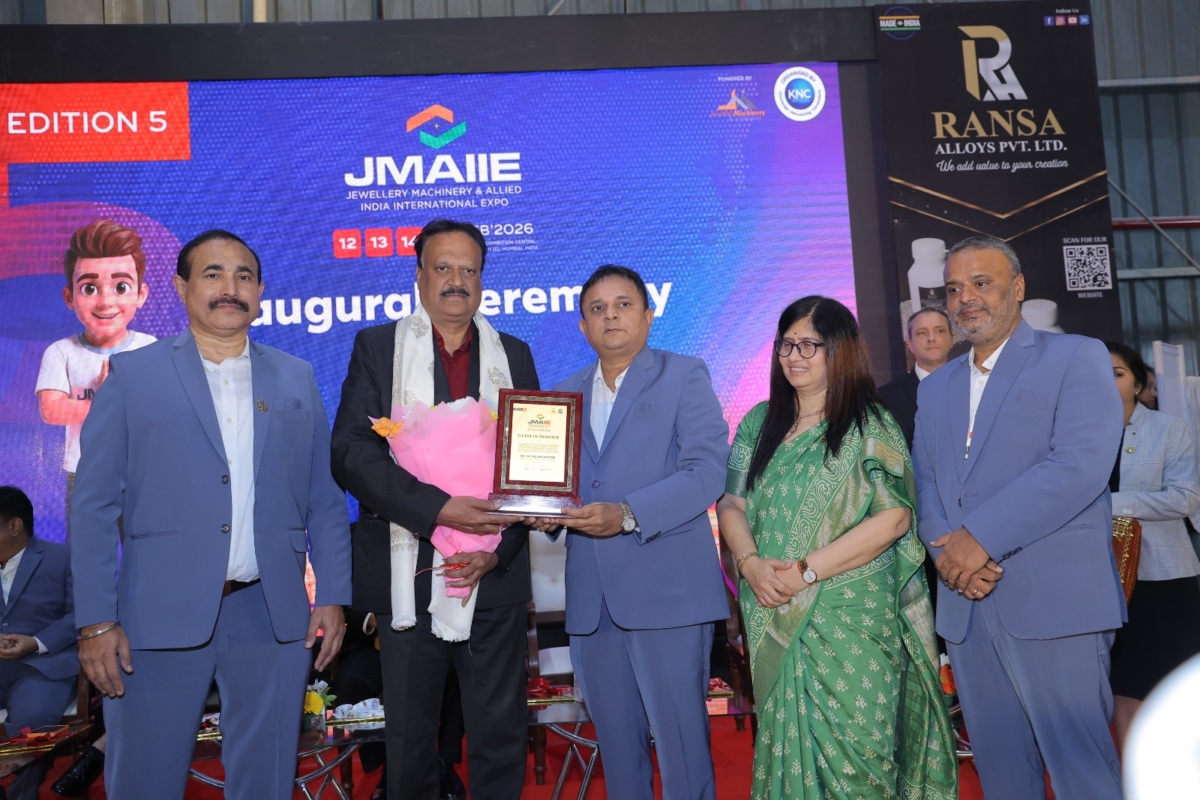
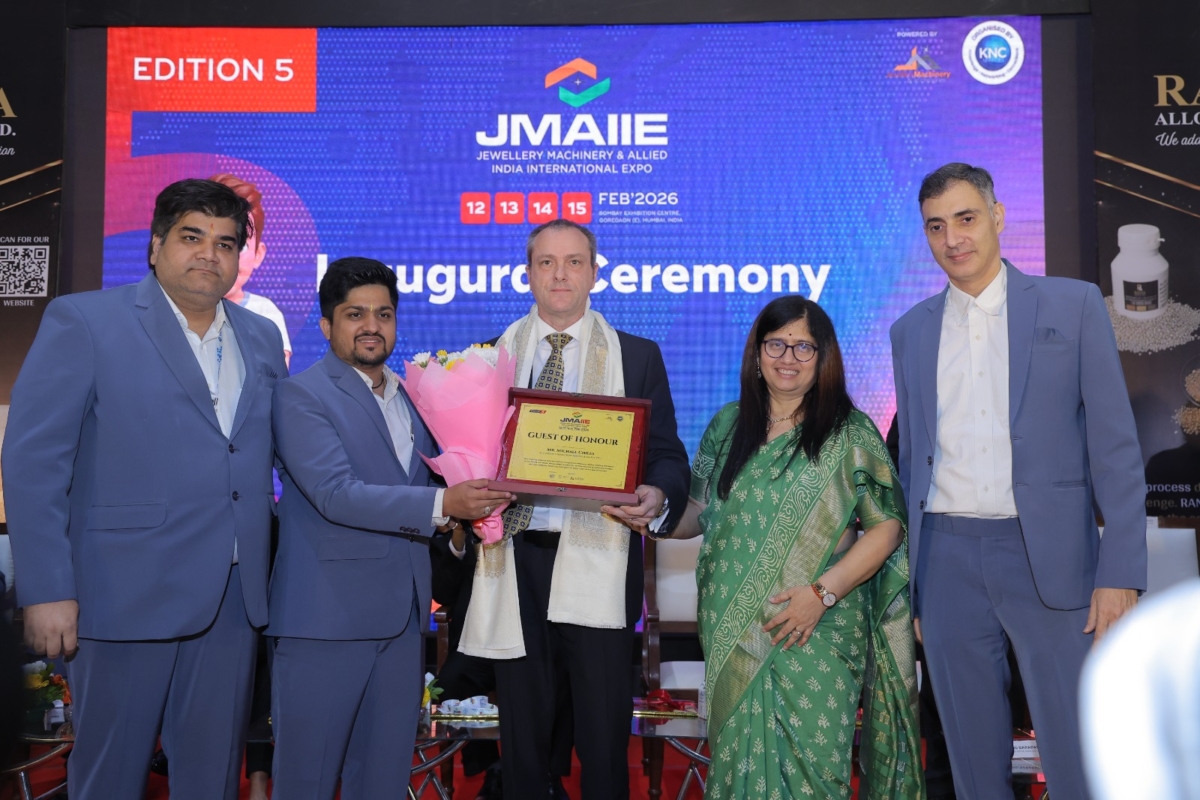
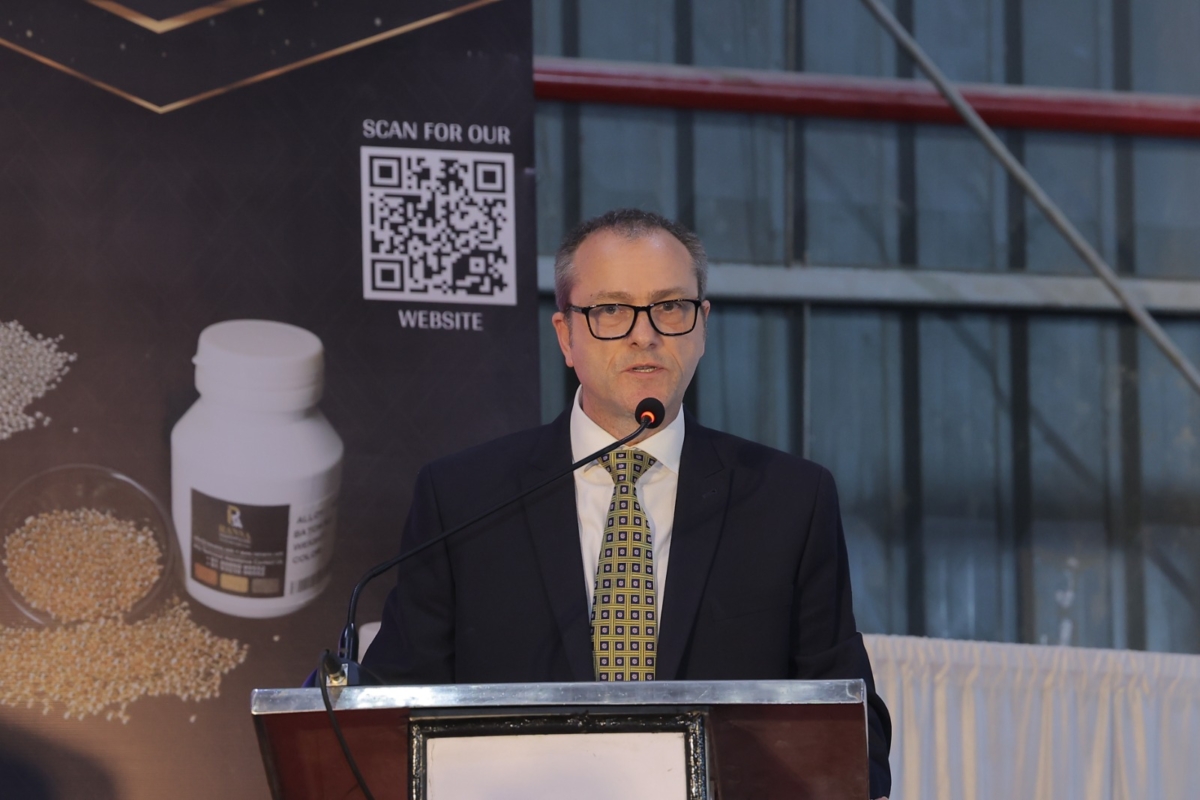
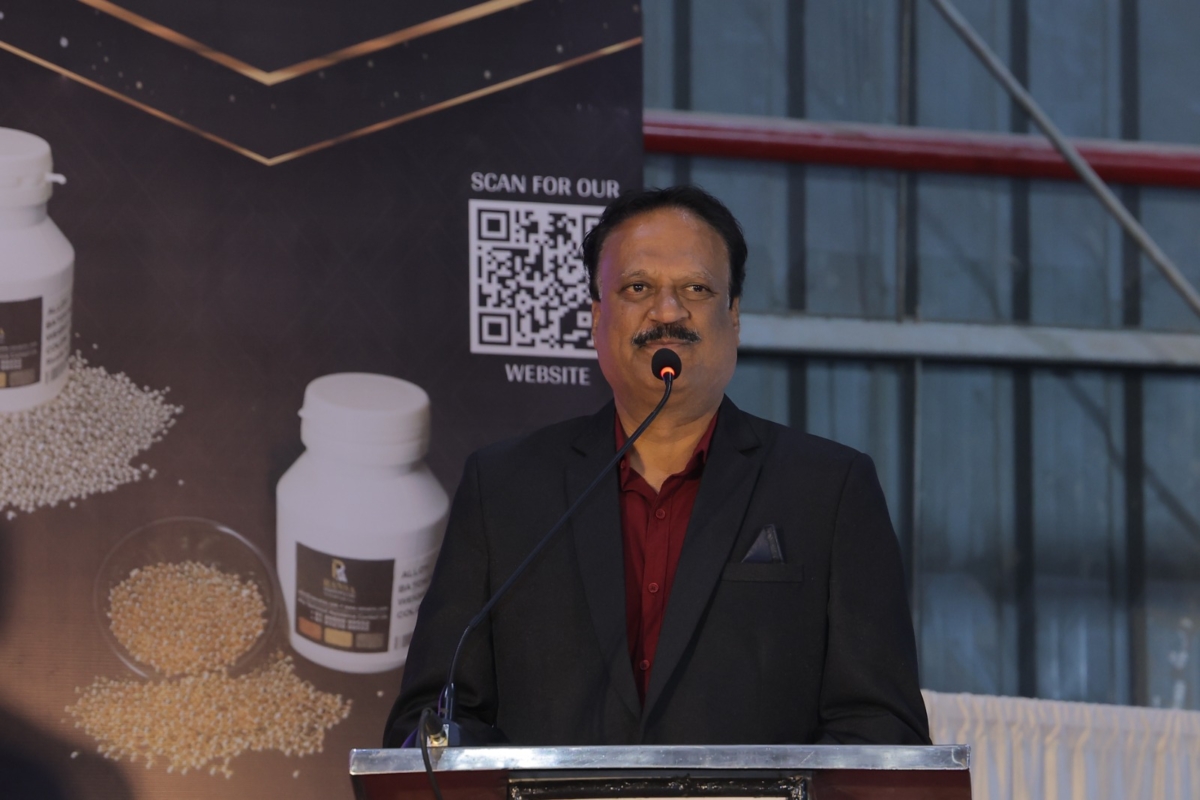
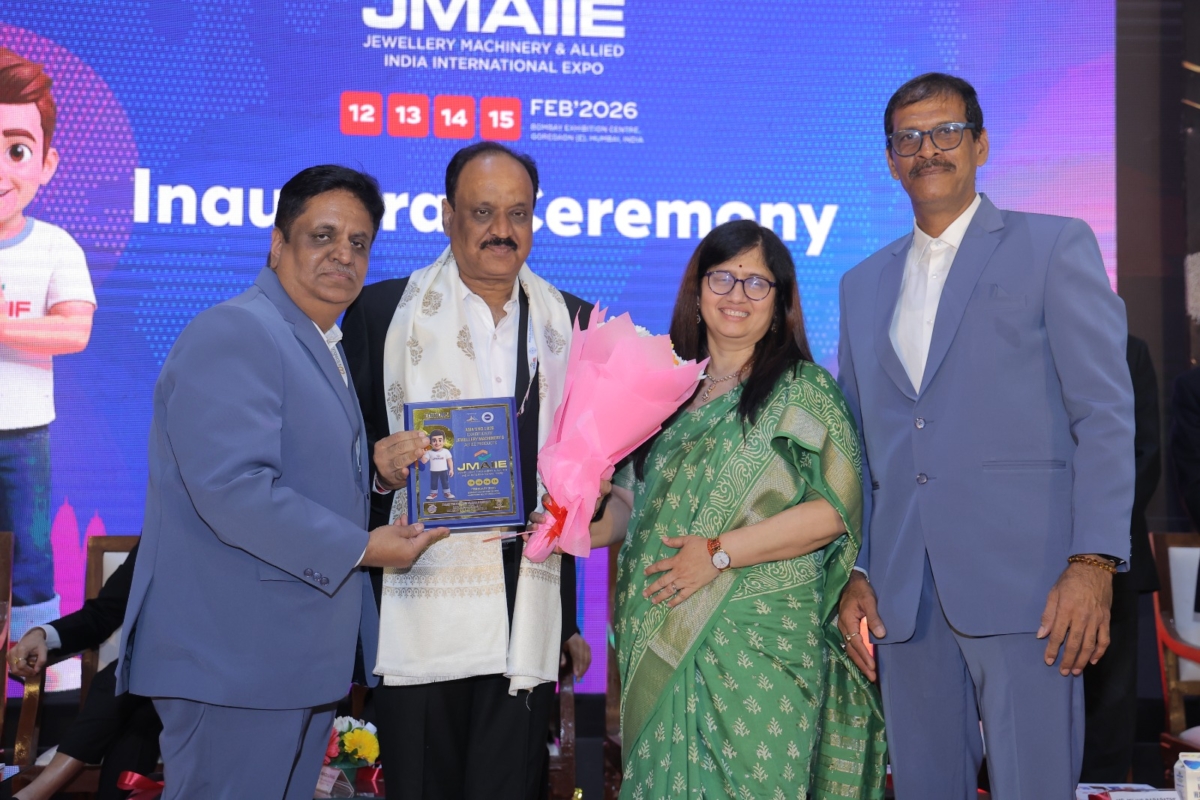
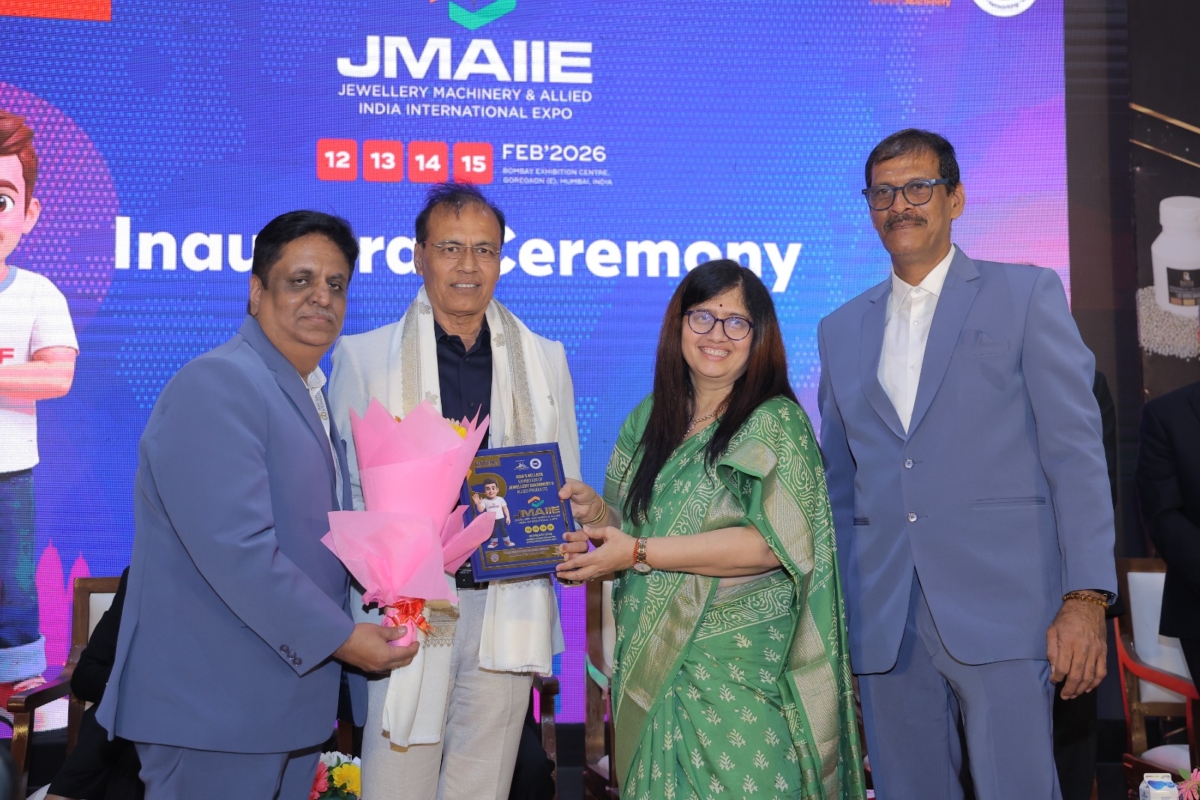
The event was inaugurated by Chief Guest Pramod Kumar Agrawal Chairman, NGJCI & Derewala Industries Ltd., alongside esteemed Guests of Honor: Pankaj Kumar Jagawat, MD, Shanti Gold International Ltd.Milind Barapatre, Director/Head of Office, MSME DFO Mumbai.Michael Chiles, MD, Goodwin Refractory Services India Pvt. Ltd.
The ceremony was hosted by the leadership behind the vision: Naresh Balani Chairman, JMA Forum, Rajesh Patil Vice Chairman, JMA Forum, and Kranti Nagvekar Founder, KNC Services.
Closing the Global Technology Gap
Historically, Italian and German engineering set the gold standard for jewellery machinery. However, JMAIIE 2026 proved that the gap is rapidly narrowing. By empowering MSME players to adopt high-precision technology, the expo has become a primary engine for the “Make in India” initiative.
Key Highlights of the 5th Edition:
- Domestic Strength: Indian manufacturers across all segments displayed a full-strength presence, showcasing “world-class” capabilities.
- Global Participation: Over 50 direct international exhibitors participated from high-tech hubs including Italy, Germany, Turkey, China, the USA, and Japan.
- Economic Impact: The floor saw a high volume of quality visitors and serious buyers, resulting in significant firm orders and high-value transactions.
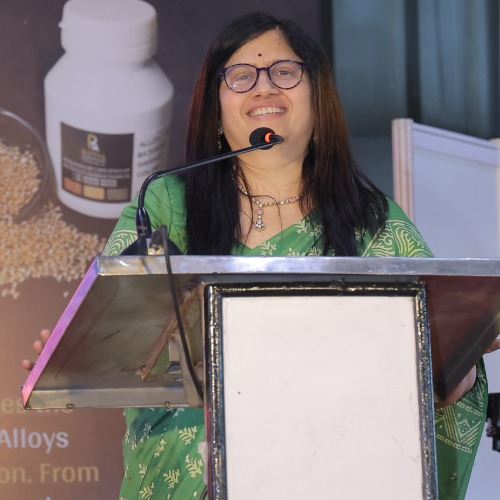
Kranti Nagvekar Founder, KNC Services was emphatic over the success of the show, she said, “ JMAIIE was a constructive event, critical for jewellery manufacturing hub like India. W e are seeing technology at par with international players, and cost effective. It is heartening to see Indian jewellery machinery exported to GCC, Africa and other regions globally.”
The “Make in India” Momentum
JMAIIE 2026 served as a definitive platform for technology integration and market expansion. The consensus among international attendees was clear: Indian machinery has achieved global standards of quality and is now being actively integrated into international manufacturing lines.
JMAIIE is proudly powered by the JMA Forum and organized by KNC Services. As the curtains close on this edition, the message is resonant: India is no longer just following global benchmarks—it is setting them.



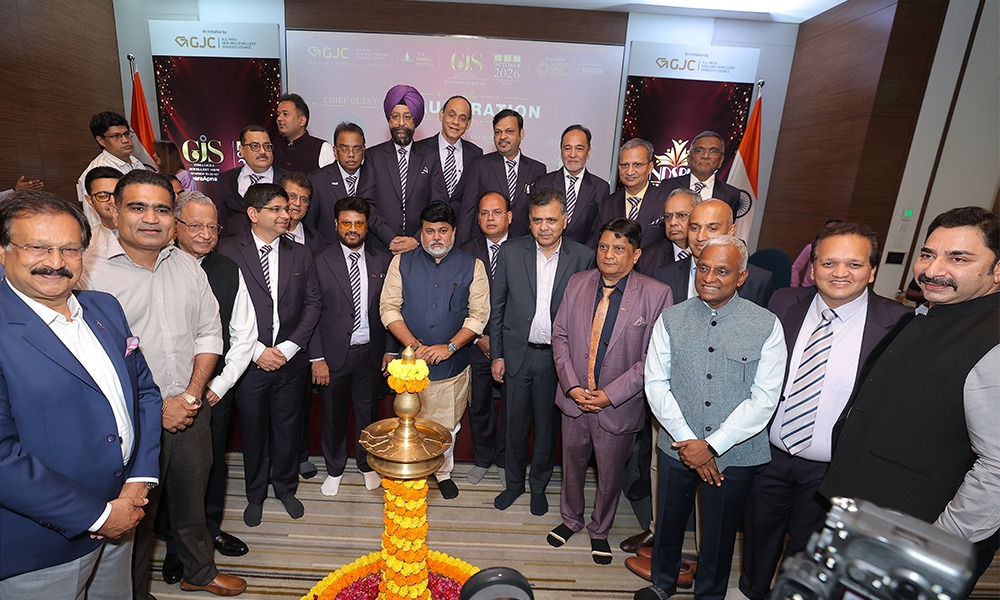
The All India Gem & Jewellery Domestic Council (GJC) successfully concluded the landmark 10th edition of the India Gem & Jewellery Show (GJS 2026 Diwali Edition), celebrated as #HumaraApnaShow, at the Jio World Convention Centre, Mumbai. From October 2–4, 2026, the exhibition reaffirmed its position as India’s most premium B2B jewellery platform, bringing together over 400 exhibitors, 700+ booths, and thousands of buyers and industry leaders from across India and abroad.
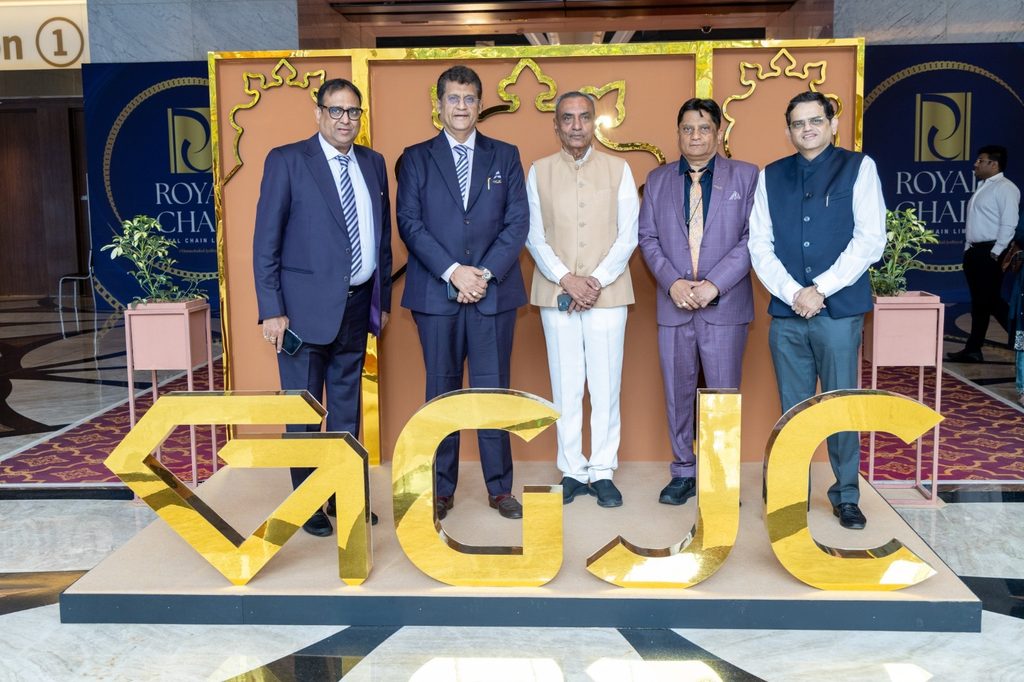
The show began on October 1, 2026, with the Elite Family Jewellers Meet & Business Workshop, led by India’s leading business coach Rahul Jain, designed exclusively for jewellery business owners and their families. The workshop provided participants with strategies on growth, profitability, leadership, and customer acquisition, setting the stage for an enriching exhibition.
The show was inaugurated on October 2, 2026, by Chief Guest Shri Uday Samant Ji, Cabinet Minister for Industries and Marathi Language, Government of Maharashtra, who lauded GJS as a platform that reflects the strength, creativity, and resilience of India’s jewellery industry. He emphasized Maharashtra’s role as a hub for trade and craftsmanship, noting that GJS showcases how tradition and innovation can come together to drive growth. His words set the tone for an inspiring edition that celebrated both heritage and modernity.
Guest of Honour Srinivas Injeti, Chairman NSE and Chairman of the board IAGES, Mahesh Jain, President, UP Sarafa Association, and Special Guest Rajiv Jain, Chairman, Jaipur Jewelley Show along with members of the GJC Committee of Administration and other senior industry leaders, underscoring the collective strength and unity of India’s jewellery fraternity.
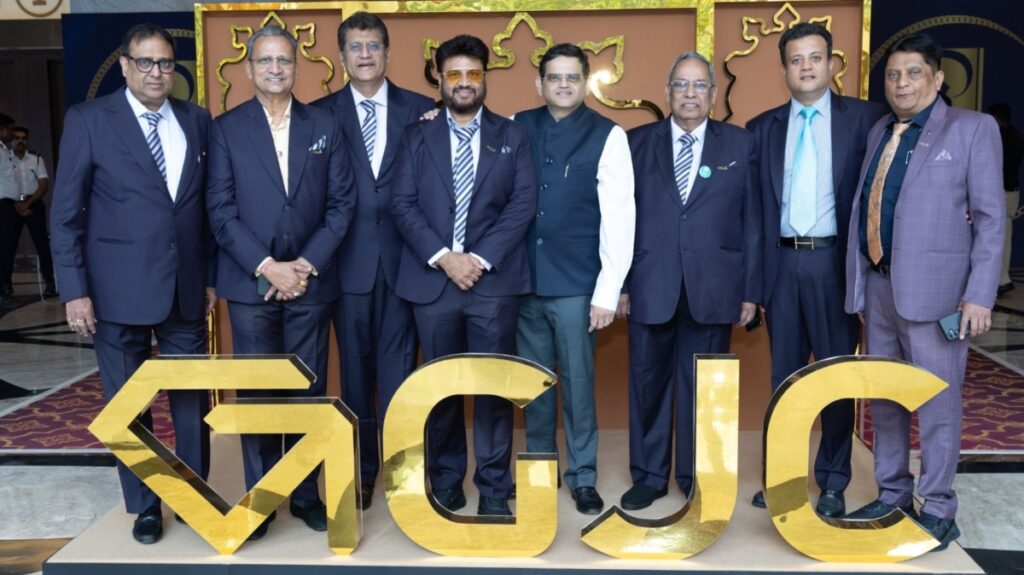
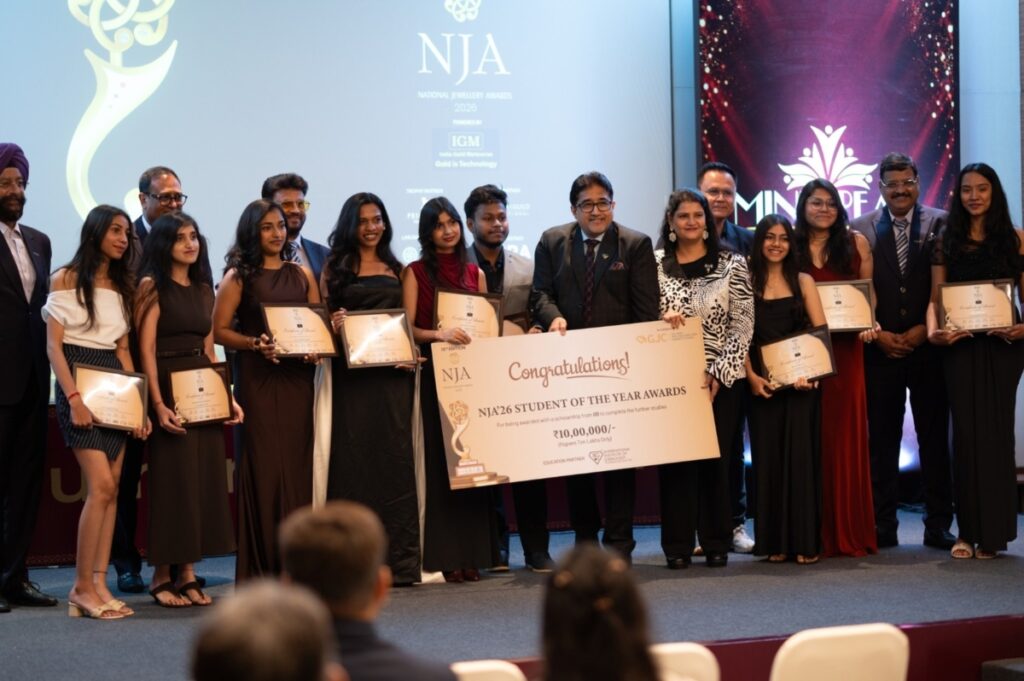
On October 3, the prestigious National Jewellery Awards (NJA) 2026, presented by the World Gold Council and powered by India Gold Metaverse, honoured excellence across categories. The evening was graced by Bollywood star Sonakshi Sinha, who presented awards to the winners, adding glamour and recognition to the industry’s most coveted celebration.
Throughout the three days, GJS hosted MindSpeak Seminars, covering diverse topics across all aspects of the jewellery business — from sustainable practices and digital transformation to consumer trends, family business strategies, and the growing role of Artificial Intelligence (AI) in design, retail, and customer engagement. These sessions empowered jewellers with insights to adapt to evolving market dynamics and embrace technology-driven growth.
The exhibition also showcased exclusive collections ranging from lightweight contemporary designs to heritage-inspired masterpieces, lab-grown diamond innovations, and couture jewellery.
Rajesh Rokde, Chairman of GJC, said:
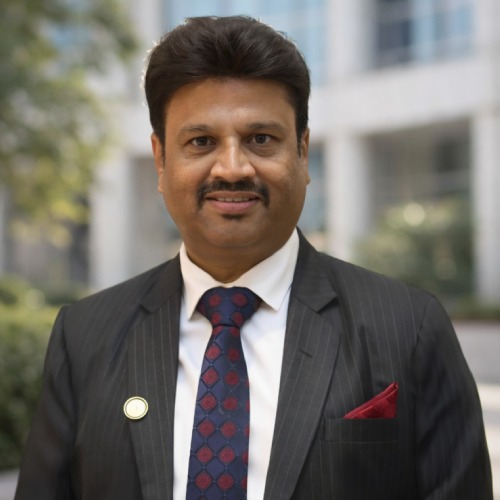
“The successful conclusion of the 10th edition of GJS is a proud moment for India’s jewellery industry. From the grand inauguration led by Shri Uday Samant Ji to the NJA awards presented by Sonakshi Sinha, this edition has set new benchmarks in innovation, networking, and business growth. The record sales figures highlight the resilience of our industry and the trust consumers place in Indian craftsmanship.”
Avinash Gupta, Vice Chairman of GJC, remarked:
“GJS2026 has proven to be the ultimate sourcing destination for jewellers nationwide. The strong participation, exclusive collections, and vibrant sales reflect the industry’s ability to balance heritage with modernity. The NJA awards further reinforced the industry’s credibility by honouring talent and innovation, making this edition truly memorable.”
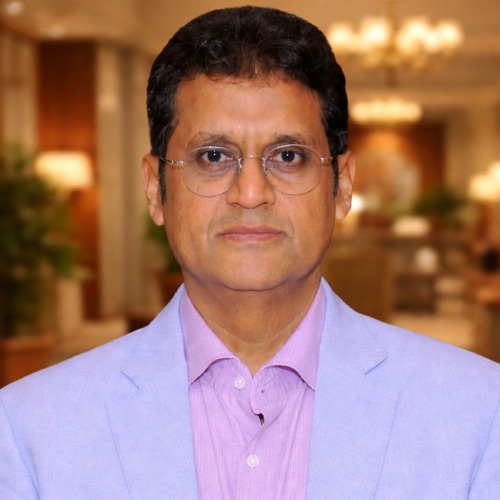
Saiyam Mehra, Convenor of GJS and GJC NEXTGEN and Past Chairman of GJC, added:
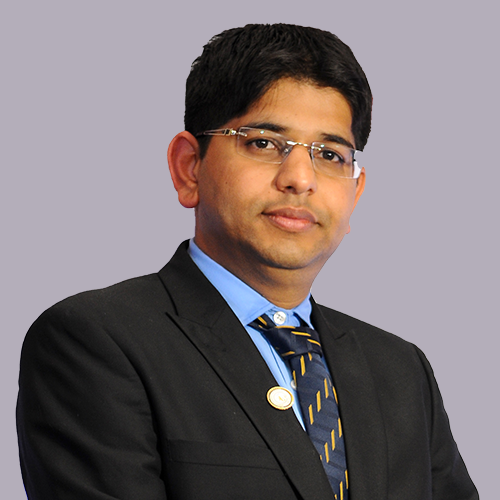
“This edition of GJS was more than an exhibition—it was a celebration of resilience, creativity, and opportunity. As Convenor of GJS, I am proud to see how these platforms together showcased innovation, honoured excellence, and inspired the industry to embrace the future with confidence. The seminars, awards, and unique showcases have strengthened our collective vision for India’s jewellery sector as a global hub of excellence.”
The 10th edition of GJS concluded with resounding success, leaving behind a legacy of innovation, collaboration, and celebration that will continue to inspire the jewellery industry in the years to come.
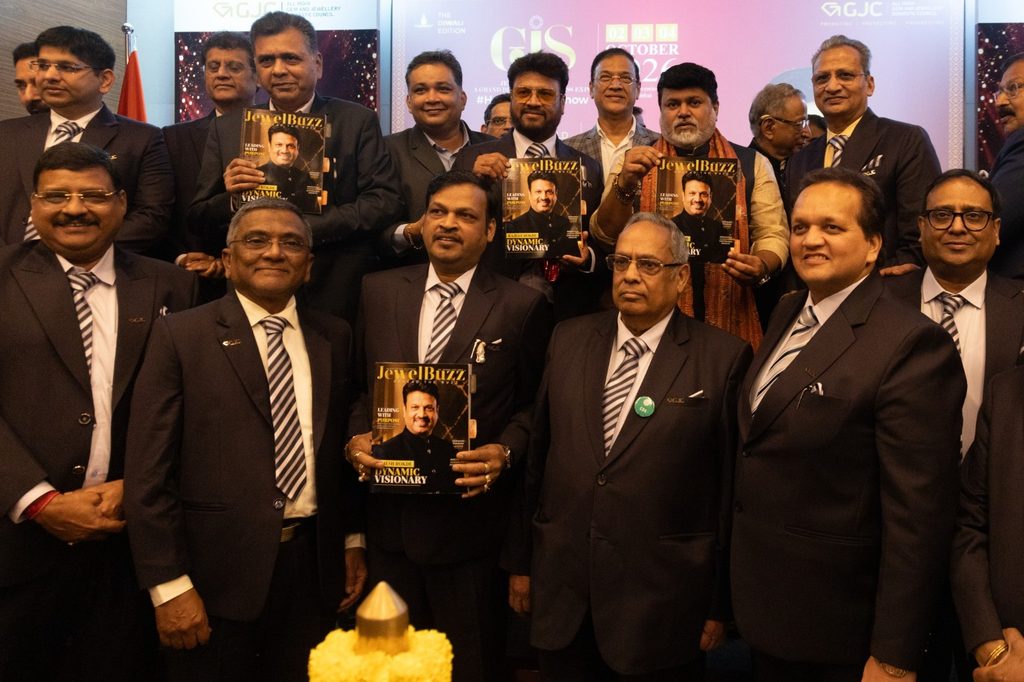
Uday Samant, Cabinet Minister for Industries and Marathi Language, Government of Maharashtra, unveiled the JewelBuzz GJS Diwali Edition Special Issue, featuring Rajesh Rokde, Chairman, GJC, on the cover.



GJS 2026 Diwali Edition Concludes On A High Note With Record Sales

GJEPC Launches UNNATI: Powering Women In GJ Sector To Drive Industry Growth Towards Viksit Bharat

Divine Solitaires and SGL Launch The Know Your Diamond Zone At GJS Diwali Edition 2026
GJEPC Launches UNNATI: Powering Women In GJ Sector To Drive Industry Growth Towards Viksit Bharat

KEYA By Adbhut Brings Wearable Art and Indian Craftsmanship To Delhi Art Weekend 2026
Divine Solitaires and SGL Launch The Know Your Diamond Zone At GJS Diwali Edition 2026
-
 National News6 hours ago
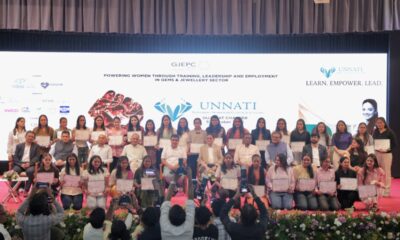
GJEPC Launches UNNATI: Powering Women In GJ Sector To Drive Industry Growth Towards Viksit Bharat
-
 National News8 hours ago
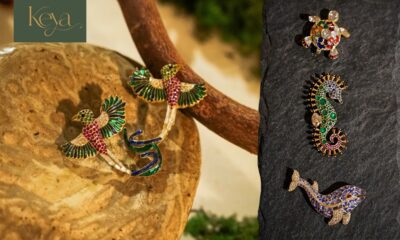
KEYA By Adbhut Brings Wearable Art and Indian Craftsmanship To Delhi Art Weekend 2026
-
 National News7 hours ago
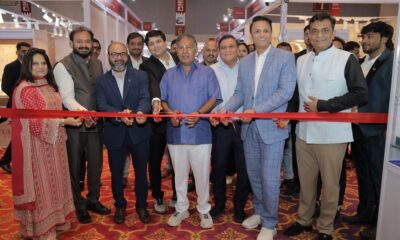
Divine Solitaires and SGL Launch The Know Your Diamond Zone At GJS Diwali Edition 2026
-
 National News10 hours ago
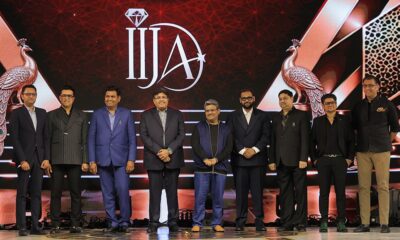
Titan, Kalyan, Malabar, Senco and Indriya Lead 54 Champions Crowned At The First India International Jewellery Awards
